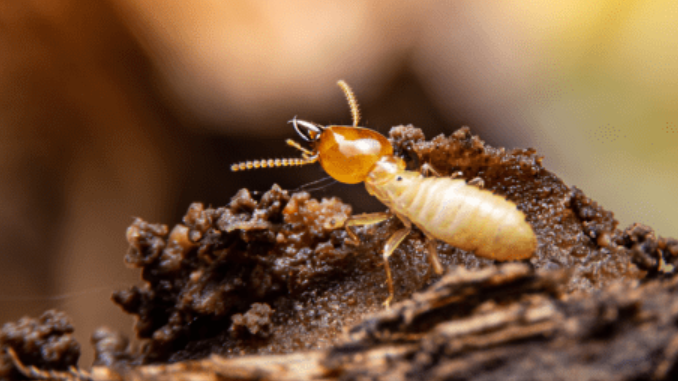
Termites are among the most destructive pests in the world, causing an estimated $5 billion in property damage annually in the United States alone. Because of their destructive reputation, many homeowners panic at the sight of small, pale, or winged insects crawling through their homes or gardens. However, not every insect that resembles a termite is actually one. Dozens of species share physical traits with termites, from their pale coloring and soft bodies to their similar size and swarming behavior, making misidentification extremely common.
Termites belong to the order Blattodea and are closely related to cockroaches, yet their appearance is often confused with ants, beetles, and other insects. The most commonly mistaken bugs are those that swarm in large numbers, have a similar body shape, or emerge from wood and soil environments. Globally, there are over 2,000 known termite species, but there are many more insect species that mimic their appearance, sometimes as a form of protection or simply due to convergent evolution in shared habitats.
Correct identification matters enormously, both to avoid unnecessary pest control expenses and to ensure the right treatment is applied. Studies suggest that up to 30% of pest control calls involving suspected termite infestations turn out to involve a different species entirely. Understanding which bugs are commonly mistaken for termites can save homeowners significant time and money, while also helping them respond appropriately to the insects they are actually dealing with.
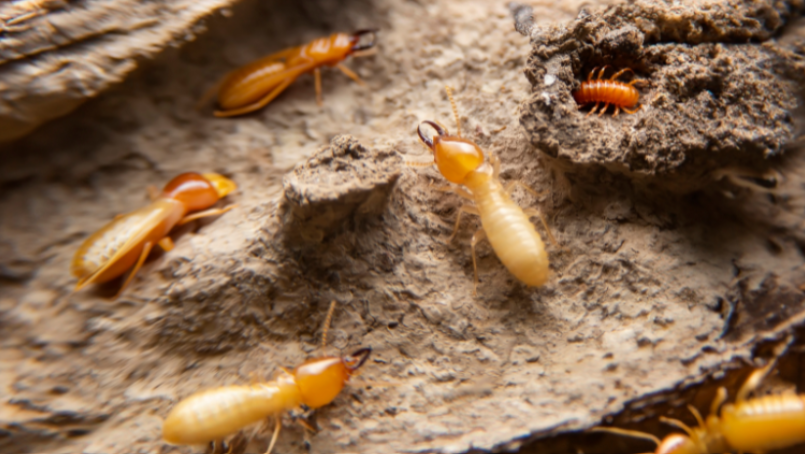
Also Read: Bugs That Look Like Cockroaches But Aren’t
Bugs That Look Like Termites
1. Flying Ants
Flying ants are perhaps the most frequently confused insect with termites, particularly during swarming season in spring and summer. Both species release winged reproductives in large swarms, but flying ants have pinched waists, bent antennae, and unequal wing sizes, while termites have straight bodies, straight antennae, and equal-length wings.
2. Carpenter Ants
Carpenter ants are large, dark-colored ants that tunnel through wood to build nests, making them a common source of confusion with termites. Unlike termites, they do not eat wood but excavate it, leaving behind clean, smooth galleries. They are typically black or reddish-brown and significantly larger than most termite species.
3. Powderpost Beetles
Powderpost beetles are small, reddish-brown to black beetles whose larvae tunnel through hardwood, leaving behind fine, flour-like frass. They are often found in furniture, flooring, and structural timbers, much like termites. The telltale sign of their presence is tiny, round exit holes and powdery wood dust rather than the mud tubes associated with termites.
4. Carpenter Bees
Carpenter bees are large, robust bees that bore perfectly round holes into unpainted or weathered wood to create nesting tunnels. Though they are much larger than termites, the wood damage they cause is often mistakenly attributed to termite activity. Unlike termites, carpenter bees are solitary and do not live in colonies.
5. Wood-Boring Beetles
Wood-boring beetles encompass a broad group of species whose larvae feed on and tunnel through wood in a manner similar to termites. They often target both living trees and seasoned timber in buildings. Their presence is usually indicated by small, oval or round exit holes and piles of coarse sawdust-like frass beneath infested wood.
6. Acrobat Ants
Acrobat ants are small ants named for their habit of raising their abdomen over their thorax when disturbed. They nest in moist or decayed wood and foam insulation, environments similar to where termites thrive. Their small size and pale coloring can make them easy to confuse with termites at a quick glance.
7. Booklice (Psocids)
Booklice are tiny, soft-bodied insects that are pale cream or gray in color, giving them a strong visual resemblance to termite workers. They are typically found in humid areas, feeding on mold, fungi, and starchy materials such as book bindings, wallpaper paste, and stored grains. Though harmless to wood structures, their pale appearance and small size often trigger unnecessary alarm.
8. Whiteflies
Whiteflies are tiny, winged insects coated in a white, powdery wax that makes them resemble small winged termites at first glance. They cluster on the undersides of plant leaves and feed on plant sap, and large infestations can cause wilting and yellowing in garden plants. Unlike termites, they are exclusively plant pests and pose no threat to wooden structures.
9. Silverfish
Silverfish are slender, wingless insects with a distinctive silvery-gray, fish-like appearance and tapered tail. They thrive in dark, humid areas such as basements, bathrooms, and attics, which overlap with termite-preferred environments. While they do not damage wood directly, they feed on starchy materials including paper, glue, and fabric, and are sometimes mistaken for pale termite workers.
10. Mayflies
Mayflies are winged insects that swarm in massive numbers, particularly near water, and their brief but spectacular emergence events are often confused with termite swarms. They have delicate, translucent wings and slender pale bodies similar in size to swarming termites. Mayflies are entirely harmless to structures and do not feed at all during their short adult lifespan.
11. Stoneflies
Stoneflies are aquatic insects whose adults emerge with long, flat bodies and two pairs of wings, giving them a passing resemblance to winged termites. They are commonly found near streams and rivers, and their emergence in spring can be confused with a termite swarm by those unfamiliar with them. They are completely harmless and play an important ecological role as indicators of clean water.
12. Earwigs
Earwigs are reddish-brown insects with distinctive pincers at their rear end and a long, flattened body that can loosely resemble a termite in dim light or at a distance. They prefer moist, dark environments such as under mulch, bark, and rotting wood, putting them in similar habitats to termites. Despite their intimidating pincers, earwigs are largely harmless to structures and primarily feed on plant material and other insects.
13. Bark Lice
Bark lice are small, soft-bodied insects that live in colonies on tree bark and wood surfaces, making them a frequent source of confusion with termites. They often appear in large groups and can be pale or translucent in color, mimicking the appearance of termite workers. They feed on algae, lichen, and dead organic material on bark surfaces and cause no structural damage whatsoever.
14. Dark-Winged Fungus Gnats
Dark-winged fungus gnats are small, delicate flies with narrow bodies and smoky wings that can resemble swarming termites, especially indoors. They are commonly found near houseplants and in areas with moist soil or decaying organic matter, where their larvae feed on fungi and plant roots. Their small size and tendency to swarm around light sources make them a common source of termite misidentification.
15. Odorous House Ants
Odorous house ants are small, dark brown ants that invade homes in large numbers, often trailing along walls and baseboards in patterns that can suggest a termite trail to an untrained eye. When crushed, they release a distinctive rotten coconut smell that sets them apart from termites. They nest in wall voids and under flooring, environments that overlap with common termite nesting locations.
Also Read: Bugs That Look Like Ticks But Aren’t
16. Pavement Ants
Pavement ants are small, dark brown to black ants that nest under concrete slabs, sidewalks, and building foundations. During swarming season, their winged reproductives can be easily mistaken for termite swarmers, particularly when emerging in large numbers from cracks in pavement or flooring. Their hard, segmented body and bent antennae are the key features that distinguish them from termites.
17. Velvet Ants
Velvet ants are actually wingless female wasps with a dense coat of hair that can make them appear somewhat similar to large termite workers in color and movement. They are typically found in open, sunny areas and are known for an extremely painful sting, earning them the nickname “cow killer.” Unlike termites, they are solitary insects and do not form colonies or damage wooden structures.
18. Hackberry Psyllids
Hackberry psyllids are tiny, jumping insects that infest hackberry trees and occasionally invade homes in large numbers during autumn. Their small, pale bodies and tendency to appear suddenly in swarms leads many homeowners to mistake them for termites or other structural pests. They are entirely harmless to buildings and structures, feeding only on hackberry tree sap.
Also Read: Beetles That Glow at Night
19. Rice Weevils
Rice weevils are small, reddish-brown beetles with a distinctive elongated snout that can be confused with termites when found in large numbers in pantries or storage areas. They infest stored grains, rice, pasta, and other dry goods rather than wood, making them pantry pests rather than structural threats. Their similar size and color to termite workers is the primary cause of confusion.
20. Springtails
Springtails are tiny, wingless insects that gather in enormous numbers in moist environments such as soil, leaf litter, and damp basements. Their pale or cream-colored bodies and tendency to cluster in large groups make them a common source of termite misidentification, particularly in bathrooms and laundry rooms. They feed on decaying organic matter, algae, and fungi, and pose absolutely no threat to wooden structures.
21. Gypsy Moth Larvae
Gypsy moth larvae are caterpillars that, in their early instars, are small, pale, and soft-bodied enough to be confused with termite workers when found crawling across wood surfaces. They are significant forest and landscape pests, capable of defoliating entire trees during population outbreaks. Unlike termites, they feed on leaves rather than wood and will eventually pupate into moths rather than forming permanent colonies.