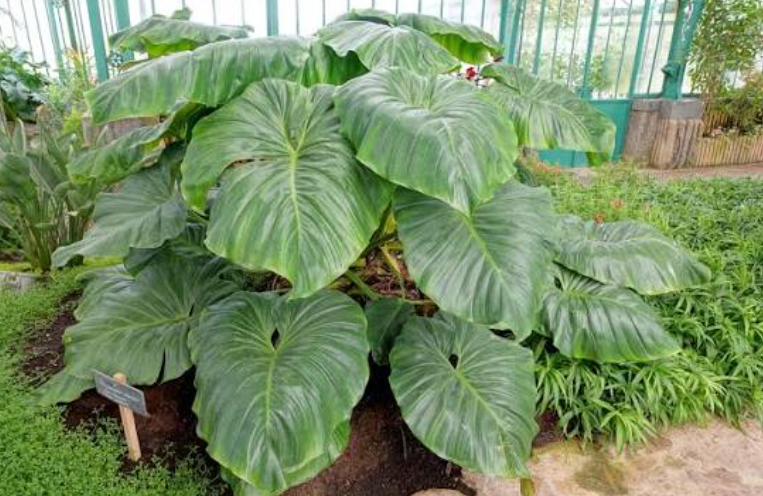
Philodendrons are one of the largest and most diverse genera of tropical houseplants in the world, with over 500 recognized species and hundreds of additional cultivars and hybrids developed through decades of horticultural breeding. Native primarily to the tropical rainforests of Central and South America, the Caribbean, and parts of Southeast Asia, they have adapted to an extraordinary range of natural habitats — from the dark, humid forest floor to the sun-dappled mid-canopy, where many species grow as epiphytes clinging to tree trunks and branches. This ecological diversity is directly reflected in the remarkable variety of leaf shapes, sizes, textures, and growth habits found across the genus, ranging from tiny compact rosettes to enormous climbing vines with leaves exceeding 3 feet in length.
Philodendrons have been cultivated as houseplants for well over 150 years and remain among the best-selling indoor plants in the world. The global houseplant market consistently ranks philodendrons in the top five most purchased plant genera, driven by their combination of tropical good looks, extraordinary adaptability to indoor conditions, and the recent explosion of rare and variegated collector varieties that have made them the centerpiece of the modern houseplant hobby. Some rare variegated philodendron specimens have sold at auction for thousands of dollars, reflecting the intensity of collector interest in the genus at the premium end of the market.
One of the defining qualities that makes philodendrons such successful houseplants is their genuine tolerance for the low light, dry air, and irregular watering that characterize most indoor environments. Unlike many tropical plants that merely survive neglect, philodendrons actively grow and thrive in conditions that would stop most other plants entirely. They are divided broadly into two growth habits — climbing or vining types that use aerial roots to attach to supports, and self-heading types that grow as upright or spreading rosette-like clumps without needing any support structure — and both groups include species and cultivars suitable for every conceivable indoor space from tiny shelves to large atrium installations.
Philodendrons prefer temperatures between 65°F and 85°F (18°C to 30°C) and do best in well-draining potting mix with moderate, consistent watering and regular indirect light. They are listed as toxic to dogs, cats, and humans if ingested due to calcium oxalate crystals in their tissue, so placement out of reach of children and pets is recommended. Despite this caution, their low maintenance needs, rapid growth rates, and the sheer diversity of forms available across the genus have made philodendrons a cornerstone of indoor gardening worldwide, equally at home in the collections of casual beginners and dedicated plant enthusiasts.
Also Read: Houseplants That Don’t Need Sunlight
Types of Philodendron Plants
1. Heartleaf Philodendron
The Heartleaf Philodendron is the most widely grown and recognized philodendron in the world, producing glossy, heart-shaped, deep green leaves on long, flexible trailing or climbing stems that can reach 4 to 6 feet indoors and up to 20 feet in ideal tropical conditions. It is an extraordinarily adaptable plant that tolerates low light, dry air, and irregular watering better than almost any other philodendron species, making it the definitive beginner’s philodendron. New leaves emerge with a warm bronze or reddish tone before maturing to glossy green, adding seasonal interest to an already handsome plant.
2. Brasil
Philodendron Brasil is a variegated form of the Heartleaf Philodendron with heart-shaped leaves dramatically striped in vivid lime-green and dark green, creating a bolder and more colorful effect than the plain green species. Trailing stems reach 4 to 6 feet in length and the plant grows quickly even in moderate indirect light, making it one of the fastest and most rewarding variegated trailing houseplants available. The lime-green striping is most vivid in brighter indirect light and tends to soften slightly in lower light conditions.
3. Velvet Leaf Philodendron
The Velvet Leaf Philodendron is a trailing variety with heart-shaped leaves covered in a fine, soft velvet texture across their deep green to bronze-green upper surface, with rich burgundy-red undersides that show dramatically when leaves move or curl. Trailing stems reach 4 to 6 feet in length and the velvety texture of the foliage is one of the most tactilely distinctive of any philodendron, making it a plant that consistently draws admiring touches from visitors. New leaves emerge in a warm copper tone before maturing to their adult velvet-green coloring.
4. Xanadu
Philodendron Xanadu is a compact, self-heading philodendron that grows as a broad, spreading clump of deeply lobed, glossy, dark green leaves without climbing or trailing, making it one of the most useful philodendrons for floor-level display in larger rooms. It reaches 2 to 4 feet in height and 3 to 5 feet in spread at maturity, making it broader than it is tall and giving it a lush, jungle-like presence. It is one of the most popular large philodendrons for commercial interior landscaping and hotel lobby installations.
5. Birkin
Philodendron Birkin is a compact, upright self-heading variety with oval, deep green leaves strikingly marked with fine white to cream pinstripes that radiate from the central vein across the entire leaf surface. It grows to a neat 18 to 24 inches in height and spread and the pinstripe pattern develops most clearly on mature leaves, with younger leaves sometimes showing more irregular or muted markings. It is one of the most architecturally refined and visually distinctive compact philodendrons in the current houseplant market.
6. Imperial Green
Imperial Green is a robust, self-heading philodendron with large, broad, glossy, deep green leaves arranged in a symmetrical rosette pattern that grows to 3 to 4 feet in height and 3 to 4 feet in spread at maturity. The bold, uniform deep green of the foliage gives it a classic, timeless elegance that suits formal and contemporary interior spaces equally well. It is a reliable, low-maintenance variety that tolerates lower light and irregular watering better than many of the showier ornamental philodendron types.
7. Imperial Red
Imperial Red is the colorful counterpart to Imperial Green, producing large, broad, glossy leaves that emerge in vivid red to burgundy-red tones before maturing through orange-green to rich, deep green, creating a constant display of multiple colors on the same plant as leaves of different ages coexist. It grows to 2 to 3 feet in height and 2 to 3 feet in spread and makes a striking tabletop or low shelf specimen when young. The contrast between new red growth and mature dark green leaves is most dramatic in moderate to bright indirect light.
8. Congo Green
Congo Green is a large, self-heading philodendron with very broad, oval, deeply glossy, dark green leaves on sturdy, upright stems, growing to an impressive 3 to 5 feet in height and 2 to 4 feet in spread indoors. The leaves can reach 12 to 18 inches in length individually and the sheer scale of the foliage gives the plant a bold, architectural presence suited to large rooms, office atriums, and hotel lobbies. It is a tough, adaptable variety that grows steadily under a wide range of indoor light and humidity conditions.
9. Congo Red
Congo Red is a dramatic self-heading philodendron with the same large, broad leaf form as Congo Green but with foliage that emerges in a rich, coppery-red tone before maturing to deep, dark green with red-bronze undertones retained on the stems and petioles. It grows to 2 to 4 feet in height and spread and the warm red tones in the new growth make it one of the most visually dynamic large-leafed philodendrons. It is a popular choice for adding a warm color accent to contemporary interior plant displays.
Also Read: Types of Peperomia Plants
10. Lemon Lime
Philodendron Lemon Lime is a vibrantly colored trailing or climbing philodendron with heart-shaped leaves in a striking, uniform electric yellow-green to lime-green tone that is unusually bright and vivid for an indoor plant tolerant of lower light levels. Trailing stems reach 4 to 6 feet in length and the plant grows quickly, filling a hanging basket or cascading from a shelf with bold, bright color. The neon lime coloring is most intense in moderate to bright indirect light and makes it one of the most visually arresting single-color foliage plants available.
11. Prince of Orange
Prince of Orange is a compact self-heading philodendron celebrated for its spectacular new growth, with leaves emerging in vivid bright orange to copper tones before transitioning through yellow-green to mature dark green, creating a plant that appears to display three or four distinct colors simultaneously. It grows to 18 to 24 inches in height and spread and the constantly changing new growth color makes it one of the most dynamic small philodendrons in the current market. It is a slow to moderate grower that maintains its compact, attractive form with minimal pruning.
12. Pink Princess
The Pink Princess Philodendron is one of the most coveted and talked-about philodendrons in the world, producing heart-shaped, dark green to near-black leaves with dramatic, irregular splashes of bubblegum pink variegation that appears unpredictably on each new leaf. It grows to 2 to 4 feet in height as a climbing or trailing plant and trailing stems reach 3 to 5 feet in length. Rare, highly variegated specimens with pink-heavy leaves have sold for prices exceeding 1,000 dollars, making it one of the most expensive commonly available houseplants in the world.
13. White Princess
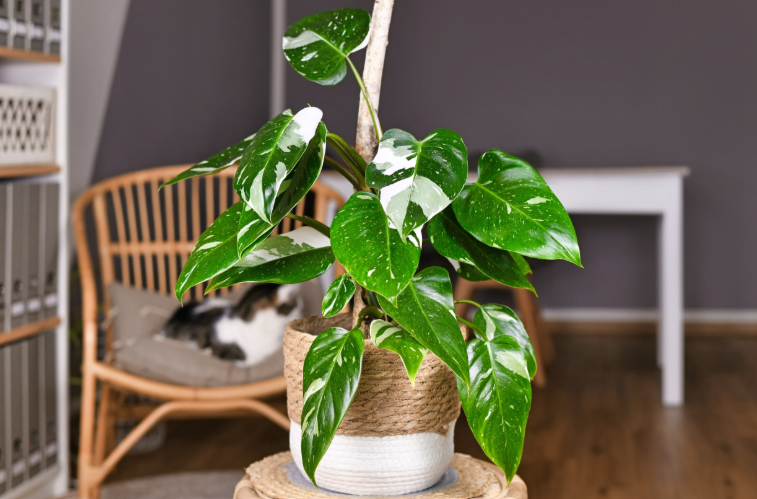
The White Princess is a climbing philodendron with heart-shaped, deep green to near-black leaves marked with irregular white to cream variegation in a pattern similar to the Pink Princess but with cooler, white-toned markings instead of pink. It grows to 2 to 4 feet in height with climbing stems reaching 3 to 5 feet in length and is similarly prized by collectors for the unpredictable beauty of its variegation patterns. Highly variegated specimens are rare and command premium prices in the collector houseplant market.
14. White Knight
The White Knight Philodendron is a highly sought-after collector’s philodendron with deep green to dark chocolate-brown leaves irregularly splashed with white to cream variegation, distinguished from the White Princess by its distinctively bicolored stems — dark purple-brown on one side and white on the other — that are considered its most unique identifying feature. It grows to 2 to 4 feet in height as a slow-growing climber and is one of the rarest white-variegated philodendrons in cultivation. Specimens with heavy, well-distributed white variegation are particularly prized and expensive.
15. Black Cardinal
Black Cardinal is a self-heading philodendron with oval, glossy leaves that emerge in vivid bright red before maturing through burgundy to an extraordinarily deep, near-black dark green that is among the darkest foliage tones of any commonly grown houseplant. It grows to 18 to 24 inches in height and spread and the dramatic color transition from red new growth to near-black mature foliage makes it one of the most visually compelling small philodendrons. The deep, moody foliage color suits modern, minimalist, and dark-toned interior design styles particularly well.
16. Gloriosum
The Gloriosum is one of the most universally admired philodendrons among collectors, producing enormous, heart-shaped, velvety, dark green leaves with striking white to pale green veining that creates a bold, graphic pattern across the leaf surface. Individual leaves can reach 24 to 36 inches in length on mature plants and the whole plant grows as a ground-creeping specimen that spreads slowly along the soil surface rather than climbing upward. It is a slow grower that commands high prices in the collector market and rewards patience with truly spectacular foliage.
17. Melanochrysum
The Melanochrysum, often called the Black Gold Philodendron, is a climbing collector’s philodendron with long, heart-shaped, velvety, near-black to deep olive-green leaves that develop a subtle golden iridescence as they mature, giving the foliage a shimmering, jewel-like quality unlike almost any other houseplant. Leaves can reach 12 to 24 inches in length on mature specimens and the plant grows as a climber reaching 4 to 6 feet when given a moss pole or tree fern support. It is one of the most desirable and widely photographed collector philodendrons.
18. Splendid
Philodendron Splendid is a hybrid between the Melanochrysum and the Verrucosum, combining the velvety, near-black foliage of one parent with the red-backed, deeply textured leaves of the other to produce a plant with exceptionally beautiful, large, velvety leaves in dark green with pale veining and rich red undersides. Leaves can reach 12 to 20 inches in length and the whole climbing plant reaches 3 to 5 feet when supported. It is a relatively recent hybrid that has become extremely popular in collector circles for the outstanding quality of its foliage.
19. Verrucosum
The Verrucosum is a climbing collector’s philodendron with heart-shaped, velvety, dark green leaves covered in a unique, slightly bumpy or pebbly texture on the upper surface and vivid, iridescent red on the undersides, creating one of the most tactilely and visually complex leaf surfaces in the genus. Leaves reach 10 to 18 inches in length on mature plants and the plant grows as a climber reaching 3 to 5 feet when given adequate support. It is native to cloud forest environments and prefers cooler temperatures and higher humidity than most commonly grown philodendrons.
20. Squamiferum
The Squamiferum is a distinctive climbing philodendron with large, deeply lobed, oak-leaf-shaped, dark green leaves on highly unusual, bristly, red-furred petioles covered in soft, hair-like scales that are unlike those of virtually any other philodendron species. It grows to 4 to 6 feet as a climber and the furry red stems make it an instantly recognizable and fascinating specimen plant. It is increasingly available in the mainstream houseplant market and is one of the more unusual-looking philodendrons that a non-specialist collector is likely to encounter.
21. Tortum
Philodendron Tortum is one of the most architecturally unusual philodendrons in cultivation, with deeply and intricately divided leaves that are reduced to narrow, finger-like lobes on long, spreading petioles, giving the whole plant a skeletal, spider-like appearance quite unlike any other philodendron. It grows as a climbing or scrambling plant reaching 3 to 5 feet in height and the extraordinary leaf structure makes it one of the most conversation-generating philodendrons in any collection. It is increasingly popular among plant enthusiasts who appreciate unusual foliage forms.
22. Ring of Fire
Philodendron Ring of Fire is a slow-growing hybrid with deeply lobed, wavy-edged leaves that emerge in combinations of orange, red, yellow, cream, and green — cycling through multiple colors on each individual leaf as it matures — creating one of the most vivid and dynamic color displays of any philodendron. The whole plant grows to 2 to 3 feet in height and spread at maturity and is a slow grower that can take several years to reach a substantial size. It is a highly sought-after collector’s plant and plants with rich, multi-toned coloring command premium prices.
Also Read: Different Types of Pothos Plants
23. Florida Ghost
The Florida Ghost Philodendron is a climbing hybrid celebrated for its extraordinary new growth — leaves emerge in a brilliant, pure white to pale mint-green tone before gradually maturing to standard dark green over several weeks, creating a ghostly, ethereal new leaf on each flush of growth. Climbing plants reach 3 to 5 feet in height when given support and each new white leaf is one of the most spectacular sights in the philodendron world. It is a moderately priced collector’s plant that has become widely available in recent years.
24. Florida Green
Philodendron Florida Green is the standard green-leafed form of the Florida hybrid group, with deeply lobed, multi-fingered leaves on distinctive, multi-noded petioles that are unlike the smooth stems of most other philodendrons. It grows to 3 to 5 feet as a climbing plant and the unusual, heavily textured petioles give it an ornamental quality even beyond its attractive lobed leaves. It is more widely available and affordable than the variegated Florida forms and is a good introduction to the Florida philodendron hybrid group.
25. Florida Beauty
Florida Beauty is a variegated form of the Florida philodendron group with the same deeply lobed, multi-fingered leaves but marked with irregular patches and sectors of cream, yellow, and pale green variegation against a darker green background. It grows to 3 to 5 feet as a climber and the variegation pattern is irregular and unpredictable, with some leaves showing heavy variegation and others remaining predominantly green. It is a popular collector’s plant in the mid-price range of the collector philodendron market.
26. Painted Lady
Philodendron Painted Lady is a climbing hybrid with heart-shaped leaves that emerge in vivid yellow-green before developing irregular patches and mottling of deeper green as they mature, combined with distinctive bright pink petioles that add color interest beyond the leaf itself. It grows to 3 to 5 feet as a climber and the combination of two-tone leaf coloring and pink stems makes it one of the more colorful non-pink-variegated philodendrons. It is a moderately priced and widely available hybrid that suits collectors looking for color variety.
27. Moonlight
Philodendron Moonlight is a self-heading, compact philodendron with lance-shaped to oval leaves that emerge in a vivid, glowing yellow-green to lime-yellow tone before maturing to mid-green, creating a plant that always has some brightly colored new growth visible in the center of the rosette. It grows to 18 to 24 inches in height and 18 to 24 inches in spread and the bright, fluorescent new growth color makes it one of the most luminous low-growing philodendrons for brightening darker indoor spaces. It is widely available and moderately priced.
28. Rugosum
Philodendron Rugosum, sometimes called the Pigskin Philodendron, is a distinctive species with large, heart-shaped to oval leaves covered in an unusual, deeply puckered and wrinkled surface texture that genuinely resembles the texture of pig or elephant skin. Individual leaves can reach 12 to 18 inches in length and the whole plant grows to 3 to 5 feet as a climbing or scrambling specimen. It is a rare and highly prized collector’s plant found mainly in specialist nurseries and private collections.
29. Camposportoanum
Philodendron Camposportoanum is a small, trailing philodendron with a remarkable leaf transformation as it matures — juvenile leaves are small, arrow-shaped, and velvety dark green with pink undersides, while adult leaves become three-lobed and much larger, giving the same plant two entirely different leaf forms at different growth stages. Young plants stay compact at 12 to 18 inches in height but mature climbers can reach 3 to 4 feet with support. It is a fascinating species for collectors interested in the heterophylly — different leaf forms at different life stages — seen in many philodendron species.
30. Callosum
Philodendron Callosum is a distinctive, ground-creeping species with heart-shaped leaves covered in a rough, sandpaper-like texture across the upper surface — quite unlike the smooth or velvety texture of most other philodendrons. Individual leaves reach 8 to 12 inches in length and the whole plant spreads slowly as a ground-creeping specimen rather than climbing upward. It is a specialist collector’s plant primarily found in botanical collections and specialist tropical nurseries.
31. Gigas
Philodendron Gigas is a large, vigorous climbing species with elongated, heart-shaped, velvety, dark green leaves that can reach an impressive 24 to 36 inches in length on mature specimens, making it one of the largest-leaved velvety philodendrons in cultivation. The whole plant grows to 6 to 8 feet as an indoor climber when given substantial support and the rich, deep color and velvety texture of the mature leaves are spectacular. It is a collector’s plant that has become increasingly available in the mainstream market in recent years.
32. Hastatum Silver Sword
The Silver Sword Philodendron is a striking climbing species with elongated, lance-shaped to arrow-shaped leaves in a distinctive, luminous silver-blue-grey-green tone that shifts and shimmers depending on the viewing angle and light conditions. Young plants start compact at 12 to 18 inches but mature climbing plants reach 4 to 6 feet when given a moss pole or other support. The silvery foliage appears almost to glow in lower light conditions, making it one of the most visually effective philodendrons for partially shaded interior spaces.
33. Subhastatum
Philodendron Subhastatum is a climbing species with attractive, elongated arrow-shaped to lance-shaped leaves in deep, glossy green on the upper surface and vivid red on the undersides, creating a striking two-tone color effect whenever the leaves tilt or move. The plant grows to 3 to 5 feet as a climber and the red undersides are most vividly colored on plants grown in brighter indirect light. It is a moderately rare collector’s species found in specialist nurseries and growing in popularity among philodendron enthusiasts.
34. Joepii
Philodendron Joepii is one of the strangest and most memorable philodendrons in existence, with leaves that take a bizarre, three-lobed shape — two large, downward-pointing lobes flanking a central upward lobe — that looks almost impossible as a natural leaf form. Individual leaves can reach 12 to 18 inches in length and the whole climbing plant reaches 3 to 5 feet with support. It is a rare collector’s species of extraordinary visual impact and is considered a prized possession by dedicated philodendron enthusiasts worldwide.
Also Read: Houseplants That Like High Humidity
35. Spiritus Sancti
The Philodendron Spiritus Sancti is considered by many collectors to be the holy grail of the genus, an extremely rare species native to a tiny area of Brazil with long, narrow, pendulous, sword-shaped leaves up to 24 to 30 inches in length that hang dramatically downward from the plant’s climbing stems. It is critically endangered in its natural habitat and in cultivation commands prices ranging from several hundred to several thousand dollars for a single rooted cutting. Owning a Spiritus Sancti is considered the ultimate achievement in the collector philodendron community.
36. Patriciae
Philodendron Patriciae is a large, climbing collector’s species with enormously elongated, deeply corrugated, wavy-edged leaves that can reach 24 to 36 inches in length on mature specimens, with the heavily ruffled and pleated surface texture adding an extraordinary sculptural quality to the already impressive leaf size. The whole climbing plant can reach 5 to 7 feet when given substantial support. It is one of the most spectacular large-leaved philodendrons and is a treasured centerpiece in the collections of serious enthusiasts.
37. Bipinnatifidum
The Tree Philodendron is a large, self-heading species with enormous, deeply and intricately lobed leaves that can reach 24 to 36 inches in length and width on mature plants, giving it one of the most dramatic leaf silhouettes of any commonly grown houseplant. The whole plant can reach 4 to 6 feet in height and 5 to 8 feet in spread indoors over many years, making it a substantial commitment in terms of space. Despite its size, it is a tough and adaptable plant that tolerates lower light and irregular watering better than its impressive scale might suggest.
38. Selloum
Philodendron Selloum is very closely related to the Tree Philodendron and is sometimes used interchangeably with it in the trade, producing the same large, deeply lobed, glossy leaves on a self-heading, tree-like plant that grows to 4 to 6 feet in height and 5 to 8 feet in spread at maturity. It is a classic large-scale houseplant that has been popular in interior landscaping and home decor for decades and remains a staple of the large floor plant category. Its substantial size and bold leaf structure make it one of the most architecturally impactful plants available for large indoor spaces.
39. Warszewiczii
Philodendron Warszewiczii is a large climbing to self-supporting species with deeply lobed, dark green leaves that emerge with a slightly reddish-bronze cast on the newest growth before maturing to deep, glossy green. Individual leaves reach 12 to 20 inches in length and the whole plant grows to 4 to 6 feet in height with some support. It is a robust, adaptable species found primarily in specialist botanical collections and specialist nurseries.
40. Mayoi
Philodendron Mayoi is an increasingly popular collector’s philodendron with deeply lobed, palm-like leaves in rich, glossy dark green with vivid red undersides that show beautifully as the leaves unfurl or catch indirect light. Individual leaves can reach 12 to 18 inches in length and the whole climbing plant reaches 3 to 5 feet when given a moss pole. The combination of dramatically lobed, palm-like leaf shape and vivid red undersides makes it one of the most visually striking medium-sized philodendrons currently available.
41. Pedatum
Philodendron Pedatum, sometimes called the Oak Leaf Philodendron, is a climbing species with deeply and gracefully lobed leaves that genuinely resemble a large oak leaf in overall outline, growing to 8 to 14 inches in length on a plant that reaches 4 to 6 feet as a climber. The leaf lobing is distinctive and consistent, creating a bold, recognizable silhouette that stands out clearly from the rounder or more arrow-shaped leaves typical of most trailing philodendrons. It is widely available and moderately priced, making it an accessible entry into the world of lobed-leaf philodendrons.
42. Radiatum
Philodendron Radiatum is a large climbing species with deeply and elaborately lobed leaves that radiate outward from a central point in a pattern more dramatic and complex than most other lobed philodendrons, with individual leaves reaching 18 to 24 inches across on mature specimens. The whole climbing plant grows to 5 to 8 feet when adequately supported and the intricately lobed leaf silhouette creates a spectacular display in large indoor spaces. It is a spectacular but under-appreciated species that deserves wider cultivation.
43. Patriciae Warocqueanum Cross
This collector’s hybrid combines the wavy, corrugated leaf texture of Patriciae with other dramatic philodendron genetics to produce leaves with an even more intensely ruffled and pleated surface character. Leaves reach 18 to 30 inches in length on mature climbing plants and the whole plant reaches 4 to 6 feet with adequate support. It is a specialist hybrid found only in the collections of dedicated philodendron enthusiasts and specialist tropical plant nurseries.
44. Plowmanii
Philodendron Plowmanii is a ground-creeping species with large, heart-shaped, beautifully textured leaves in dark, glossy green with a distinctly wavy and ruffled leaf margin that adds significant ornamental character. Individual leaves can reach 18 to 24 inches in length and the plant spreads slowly across the ground rather than climbing, making it an unusual floor-level specimen plant. The ruffled leaf margins and the attractive, quilted surface texture make it one of the more ornamentally distinctive ground-creeping philodendron species.
45. Paraiso Verde
Philodendron Paraiso Verde is a variegated climbing philodendron with elongated, lance-shaped leaves mottled in a beautiful, irregular pattern of light and dark green that creates a marbled effect across the leaf surface quite different from the white or pink variegation of other popular collector varieties. It grows to 3 to 5 feet as a climber and the soft, two-toned green marbling gives it an elegant, understated quality that appeals to collectors who prefer sophisticated foliage patterns over the high-contrast white and pink types. It is moderately available in the collector market.
46. Jose Buono
Philodendron Jose Buono is a large, impressive climbing hybrid with enormous, oval to elongated leaves up to 20 to 30 inches in length that display irregular patches and sectors of cream and white variegation against a deep green background. The scale of the leaves alone makes it one of the most architecturally dramatic variegated philodendrons available and the whole climbing plant reaches 4 to 6 feet when given support. It is a high-value collector’s plant that commands significant prices for well-variegated specimens.
47. Burle Marx
Philodendron Burle Marx is a compact, self-heading to semi-climbing species with lance-shaped, glossy, mid-green leaves on a plant that grows to 18 to 30 inches in height and spreads generously to form a lush, dense clump over time. Named after the famous Brazilian landscape architect Roberto Burle Marx, who was an enthusiastic collector of the species, it is one of the most widely used philodendrons in tropical and subtropical landscape plantings as well as indoor horticulture. Its compact growth, generous clumping habit, and easy care make it a reliable and attractive garden and houseplant.
48. Burle Marx Fantasy
Burle Marx Fantasy is a variegated form of the Burle Marx philodendron with the same lance-shaped leaves but marked with irregular patches and sectors of silver-grey and cream variegation against a mid-green background, creating a soft, muted variegation pattern quite unlike the bold white or pink of more commonly seen variegated types. It grows to 18 to 30 inches in height and is a moderately priced collector’s plant with a restrained elegance that suits sophisticated interior plant displays. It is increasingly available from specialist philodendron nurseries.
49. Grazielae
Philodendron Grazielae is a small, climbing species with distinctive, perfectly heart-shaped, very thick and fleshy, glossy, bright green leaves arranged densely along its climbing stems, giving the plant an unusual, almost bead-like appearance as each rounded leaf overlaps the next. Individual leaves are only 2 to 4 inches across and the plant grows slowly to 2 to 3 feet as a climber. The small leaf size, thick fleshy texture, and dense arrangement on the stem make it one of the most unusual-looking climbing philodendrons and a popular novelty collector’s plant.
50. Mexicanum
Philodendron Mexicanum is a climbing species with highly distinctive, long, narrow, arrowhead-shaped leaves with dramatically elongated downward-pointing basal lobes that give each leaf an almost trident-like silhouette quite unlike the standard heart or oval shape. Leaves reach 8 to 14 inches in length and the whole climbing plant reaches 3 to 5 feet with support. The unusual, strongly geometric leaf shape makes it one of the more visually memorable climbing philodendron species in cultivation.
51. Billietiae
Philodendron Billietiae is a large climbing species with long, elongated, slightly wavy-edged leaves up to 24 to 36 inches in length on mature specimens, carried on distinctive bright orange to yellow-orange petioles that are among the most vividly colored stems of any philodendron. The combination of large dark green leaves and vivid orange petioles makes it one of the most colorful species in the genus and the whole climbing plant reaches 4 to 6 feet when adequately supported. It is a prized and moderately rare collector’s plant with a strong and growing following.
Also Read: Houseplants that Like Alkaline Soil
52. Atabapoense
Philodendron Atabapoense is a climbing species with distinctive, elongated, sword-shaped leaves that are dark, matte green on the upper surface and vivid burgundy-red on the undersides, creating one of the most dramatic two-tone color effects in the climbing philodendron group. Leaves reach 12 to 20 inches in length and the whole plant climbs to 4 to 6 feet when given a moss pole. It has become significantly more popular and more widely available in the houseplant market in recent years as awareness of its striking coloring has spread.
53. Maximum
Philodendron Maximum lives up to its name by producing some of the largest leaves of any philodendron species kept as a houseplant, with individual heart-shaped to oval leaves reaching 24 to 48 inches in length on mature specimens grown under ideal conditions. The whole plant grows as a large, vigorous climber reaching 6 to 8 feet indoors with substantial support. It is primarily found in botanical garden collections and the collections of serious philodendron enthusiasts who have the space to accommodate its ultimately impressive scale.
54. Insigne
Philodendron Insigne is a robust climbing species with large, elongated, slightly wavy-edged leaves in deep, glossy green on sturdy, upright climbing stems that reach 4 to 6 feet in height with support. Individual leaves reach 12 to 18 inches in length and the plant grows at a moderate, manageable pace that makes it a practical choice for large indoor spaces. It is primarily found in specialist collections and botanical gardens.
55. Domesticum
Philodendron Domesticum, sometimes called the Spade-Leaf Philodendron, produces large, triangular to arrowhead-shaped, glossy, bright green leaves on climbing stems that can reach 4 to 6 feet in height when given support. Individual leaves reach 10 to 16 inches in length and the plant grows at a vigorous pace under good indoor conditions. It is one of the more widely available climbing philodendrons and is a robust, adaptable species suited to both beginner and experienced indoor gardeners.
56. Erubescens
Philodendron Erubescens, known as the Blushing Philodendron, is a climbing species with elongated, heart-shaped, glossy leaves in deep green with distinctive red to burgundy new growth and vivid red-purple petioles and stems that give the whole plant a rich, warm color character. Leaves reach 10 to 16 inches in length and the whole climbing plant reaches 4 to 6 feet with support. It is the parent species of several popular hybrids including the Pink Princess and Red Emerald and remains a handsome species in its own right.
57. Red Emerald
Red Emerald is a hybrid derived from Philodendron Erubescens with elongated, glossy, deep green leaves on vivid red stems and petioles that create a bold color contrast between the rich green foliage and the bright red structural elements of the plant. It grows to 3 to 5 feet as a climber and the red stems remain vivid throughout the life of the plant, providing year-round color interest beyond the foliage alone. It is widely available, moderately priced, and has been a popular collector and decorative plant for several decades.
58. Pedatum Gladhands
Gladhands is a select cultivar of Philodendron Pedatum with more dramatically and deeply lobed leaves than the standard species, with the lobes extending further toward the central vein and creating a bolder, more open, hand-like leaf silhouette. It grows to 4 to 6 feet as a climber and the enhanced lobing of the leaves makes it a more visually distinctive specimen than the standard Pedatum. It is found primarily in specialist philodendron collections and through specialist tropical plant nurseries.
59. Bernardopazii
Philodendron Bernardopazii is a striking climbing species with long, narrow, sword-shaped leaves in deep, glossy green with a broad, pale white or cream primary vein running the full length of the leaf that creates a bold, graphic stripe effect against the dark leaf surface. Leaves can reach 18 to 24 inches in length and the whole climbing plant reaches 4 to 6 feet with support. The bold, contrasting central vein makes it one of the more graphically striking species in the genus and it is growing in popularity among philodendron collectors.
60. Panduriforme
Philodendron Panduriforme is a climbing species with unusual, fiddle-shaped or violin-shaped leaves that narrow in the middle and widen at both the base and tip, creating one of the more distinctive leaf silhouettes in the climbing philodendron group. Leaves reach 8 to 14 inches in length and the whole climbing plant reaches 3 to 5 feet with support. The unusual leaf shape makes it a memorable specimen plant and it is found with increasing frequency in specialist tropical plant nurseries.
61. Barrosoanum
Philodendron Barrosoanum is a large climbing species found primarily in specialist botanical collections, with elongated, deeply lobed leaves that can reach 18 to 24 inches in length on mature specimens. It is a vigorous climber reaching 5 to 7 feet with adequate support and is primarily of interest to serious philodendron collectors and botanical enthusiasts rather than mainstream houseplant growers. Its substantial size and lobed leaf structure give it a bold, dramatic presence.
62. Gloriosum Pink
The Pink-Veined Gloriosum is a stunning variant of the beloved Gloriosum species in which the primary veining across the large, velvety, heart-shaped leaves takes on a soft pink to light rose tone rather than the standard white, creating a warmer and more romantic color effect. Individual leaves reach 18 to 30 inches in length and the plant spreads as a ground-creeping specimen over time. It is a rare and very highly priced collector’s variant that is among the most desired foliage plants in the entire philodendron genus.
63. Hederaceum Miduhoi
This cultivar of the Heartleaf Philodendron group produces leaves with a slightly more elongated, pointed tip than the standard round-hearted forms and displays particularly rich, glossy, deep green coloring with a well-defined heart-shaped base. It grows to 12 to 24 inches in a compact mounding form or trails to 4 to 6 feet in length from a hanging position. It is a reliable, easy-care variety suited to beginners and casual collectors who want a classic philodendron look with slightly more refined leaf proportions.
64. Martianum
Philodendron Martianum is an unusual self-heading species with distinctive, inflated, club-shaped petioles that are so swollen and succulent they can store water like a cactus stem, giving the plant an extremely unusual appearance unlike any other philodendron. The oval, leathery, dark green leaves reach 8 to 12 inches in length and the whole plant grows to 18 to 30 inches in height. It is a rare novelty collector’s species primarily found in specialist botanical collections and is of interest for its extraordinary water-storing petiole adaptation.
65. Tripartitum
Philodendron Tripartitum is a climbing species with distinctively three-lobed leaves that are divided almost to the central stem into three separate, elongated, finger-like sections, giving the leaves a dramatically divided, trident-like character. Leaves reach 8 to 14 inches in length and the whole climbing plant reaches 3 to 5 feet with support. The dramatic three-way leaf division makes it one of the more architecturally unusual climbing philodendrons and a popular choice among collectors who appreciate unusual leaf forms.
66. Stenolobum
Philodendron Stenolobum is a climbing species with deeply lobed, narrow-fingered leaves in which each lobe is long and linear, creating a leaf that resembles an elongated, many-fingered hand radiating from a central point. Leaves reach 12 to 18 inches in length and the whole plant climbs to 3 to 5 feet with support. The narrow, elongated lobing pattern distinguishes it clearly from similar species with broader lobes and makes it a particularly architectural specimen for collectors of unusual philodendrons.
67. Ornatum
Philodendron Ornatum is a large climbing species with broad, oval, glossy, dark green leaves and distinctive light green to cream or white veining across the leaf surface that creates a gentle, graphic pattern complementing the rich leaf color. Leaves reach 12 to 20 inches in length and the whole climbing plant reaches 4 to 6 feet with adequate support. It is found primarily in specialist botanical collections and dedicated philodendron nurseries.
68. Deflexum
Philodendron Deflexum is a trailing to climbing species with small, oval, mid-green leaves arranged densely along flexible stems in a manner that creates a fuller, more leaf-dense trailing plant than many other philodendron species. Stems trail to 24 to 36 inches in length and the plant grows at a moderate pace that makes it manageable in hanging baskets and on shelves. It is a practical, adaptable species suitable for low-light indoor environments.
69. Sodiroi
Philodendron Sodiroi is a collector’s climbing species with heart-shaped leaves covered in an attractive, silver-mottled pattern that gives the foliage a shimmering, mottled appearance unlike the standard solid-colored leaves of most philodendrons. Leaves reach 8 to 14 inches in length and the whole climbing plant reaches 3 to 5 feet with support. It is sometimes confused with other silver-mottled philodendron species and remains a relatively rare find in specialist nurseries.
70. Gloriosum Dark Form
The Dark Form Gloriosum is a select variant of the Gloriosum in which the velvety, heart-shaped leaves develop an exceptionally deep, near-black green coloring rather than the more standard mid to dark green of typical specimens. Individual leaves can reach 24 to 36 inches in length and the plant grows as a ground-creeping specimen. It is one of several select Gloriosum variants prized by collectors for subtle differences in leaf color, texture, or veining pattern, and highly variegated or darkly colored specimens command premium prices.
71. Lacerum
Philodendron Lacerum is a large climbing species with deeply lobed, dark green leaves that have ragged, irregular margins between the lobes — rather than clean, smooth cuts — giving the leaves an untidy, almost torn appearance that is nonetheless architecturally striking. Leaves reach 14 to 20 inches in length and the whole climbing plant reaches 4 to 6 feet with support. It is primarily found in specialist botanical collections and among dedicated philodendron enthusiasts.
72. Painted Lady Variegated
The Variegated Painted Lady is an exceptionally rare collector’s variant of the Painted Lady hybrid in which the standard yellow-green and green leaf patterning is overlaid with additional irregular patches of cream or white variegation, creating a three-toned leaf effect of yellow, green, and white. It grows to 3 to 5 feet as a climbing plant and highly variegated specimens are extraordinarily rare and extremely expensive in the collector market. It represents the upper tier of collector philodendron pricing.
73. Tenue
Philodendron Tenue is a climbing species with long, narrow, lance-shaped leaves in matte, dark green with distinctive pale veining on a plant that grows to 3 to 5 feet as a climber. The narrow leaf form distinguishes it from the broader-leafed climbing philodendrons and makes it a useful textural contrast in mixed philodendron collections. It is found primarily in specialist tropical plant nurseries and botanical collections.
74. Plowmanii Silver
Silver Plowmanii is a select color form of the Plowmanii species in which the large, heart-shaped, ruffled-edged leaves display a striking silver-grey mottling or sheen across the dark green upper surface, giving the foliage an additional metallic layer of ornamental interest beyond the standard leaf texture. Leaves reach 14 to 24 inches in length and the plant spreads as a slow ground-creeping specimen. It is a rare and increasingly sought-after variant in specialist collector circles.
75. Luxurians
Philodendron Luxurians is a ground-creeping species with large, thick, deeply textured, velvety, heart-shaped leaves in a rich, dark green with a distinctive, slightly pebbled surface texture and pale veining similar in concept to the Gloriosum but with its own distinctive character. Leaves reach 14 to 22 inches in length and the plant spreads slowly as a ground-level specimen. It is a specialist collector’s species that commands high prices for quality specimens and is considered one of the finest velvety ground-creeping philodendrons.
76. Hastatum
The standard Hastatum, or Silver Sword, is a climbing species with distinctively sword-shaped, silver-grey-green leaves on a vigorous climbing plant that reaches 4 to 6 feet indoors when given a moss pole. Young leaves are more narrowly lance-shaped and intensely silver while mature leaves become broader and develop more green tones. It is one of the most widely available and moderately priced collector’s philodendrons and has introduced many plant enthusiasts to the world of silver-foliaged aroids.
77. Scandens
Philodendron Scandens, or the Sweetheart Plant, is a compact climbing and trailing species with small, heart-shaped, glossy, bright to mid-green leaves on flexible stems that are ideal for training up small trellises, around window frames, or cascading from hanging baskets. Stems reach 4 to 6 feet in length and the plant grows quickly even in low light, making it one of the most practical and versatile smaller-leafed climbing philodendrons. It is widely available, inexpensive, and a reliable grower for beginners and experienced houseplant owners alike.
78. Pastazanum
Philodendron Pastazanum is a large ground-creeping species closely related to the Gloriosum, producing enormous heart-shaped, glossy, bright to mid-green leaves with pale, prominently raised veining on a plant that spreads along the ground rather than climbing. Individual leaves can reach 24 to 36 inches in length on mature specimens and the plant spreads across the ground at a slow to moderate pace. The large, glossy leaves and prominent veining make it a spectacular specimen for floor-level display in large, well-lit indoor spaces.
79. Corcovadense
Philodendron Corcovadense is a Brazilian climbing species with elongated, lance-shaped to arrow-shaped, glossy, dark green leaves on a plant that grows to 3 to 5 feet as a climber with support. It is primarily found in specialist botanical collections and dedicated philodendron nurseries and is of interest to collectors seeking less commonly available species with classic philodendron leaf forms. The leaf shape and glossy surface give it a clean, elegant appearance.
80. Tricolor
Philodendron Tricolor is a cultivar or variant in which the leaves display three distinct color zones — typically a combination of green, yellow-green, and cream or white — in irregular, mottled or sectored arrangements that differ from leaf to leaf. It grows to 2 to 3 feet in a self-heading or semi-climbing habit and is a mid-range collector’s plant valued for the multi-toned, complex coloring of its foliage. The three-color effect is most vivid in bright indirect light.
81. Rugosum Ramirez
The Ramirez form of Philodendron Rugosum is a select variant of the Pigskin Philodendron with an even more intensely corrugated and puckered leaf surface texture than the standard species, with the puckering and wrinkling of the leaf surface so pronounced it creates an almost three-dimensional relief across the entire leaf face. Leaves reach 12 to 20 inches in length on a climbing plant reaching 3 to 5 feet. It is a very rare collector’s variant found only in the most dedicated specialist philodendron collections.
82. Florida Ghost Mint
The Mint Ghost is a variant of the Florida Ghost Philodendron in which the new leaves emerge in a distinctive pale mint-green tone rather than the pure white of the standard Ghost form, creating a subtly different but equally ethereal effect. It grows to 3 to 5 feet as a climber and the mint-toned new growth has a softer, cooler character than the stark white of the standard Ghost. It is a collector’s variant of moderate availability and strong popularity among Florida Ghost enthusiasts.
83. Patriciae Mini
The Mini Patriciae is a smaller, more compact form of the large Patriciae species, producing the same dramatically corrugated, wavy-edged leaves but on a plant that stays significantly more manageable in size, with leaves reaching 10 to 16 inches in length rather than the full 24 to 36 inches of the standard species. It grows to 3 to 4 feet as a climber and is significantly more practical for typical home growing environments than the full-sized form. It is a popular collector’s variant for enthusiasts who love the Patriciae aesthetic but lack the space for the full-sized species.
84. Melanochrysum Narrow Form
The Narrow Form of the Black Gold Philodendron produces leaves that are more elongated and narrow than the standard species, with a higher length-to-width ratio that creates a more lance-shaped than heart-shaped outline while retaining the characteristic near-black, velvety surface and golden iridescence of the standard Melanochrysum. Leaves reach 14 to 22 inches in length and the plant climbs to 4 to 6 feet with support. It is a select botanical variant prized by Melanochrysum enthusiasts and specialist collectors.
85. Deja Vu
Philodendron Deja Vu is a self-heading cultivar with ruffled, wavy-edged, deeply lobed leaves in glossy, dark green that create a more textured, complex leaf silhouette than the flat-surfaced lobed philodendrons. It grows to 24 to 36 inches in height and similar spread and the ruffled leaf margins add a distinctly ornamental, almost decorative quality that makes it a popular choice for indoor plant enthusiasts who want the bold lobed philodendron aesthetic in a compact, self-supporting form. It is widely available at moderate prices.
86. Camouflage
Philodendron Camouflage is an informal name applied to plants with mottled, multi-toned green foliage in combinations of dark green, mid-green, and pale yellow-green that creates a pattern across the leaf surface reminiscent of military camouflage fabric. Plants sold under this name typically reach 18 to 30 inches in height as self-heading to semi-climbing specimens. It is primarily a descriptive trade name rather than a formal cultivar designation and the precise parentage of plants sold under this name varies between nurseries.
87. Cobra
Philodendron Cobra is a climbing hybrid with elongated, lance-shaped leaves mottled in soft combinations of light and dark green that create a marbled effect across the leaf surface on a plant that grows to 3 to 5 feet as a climber. The name refers to the somewhat sinuous, elongated leaf shape and the mottled coloring of the foliage. It is a moderately available collector’s hybrid found in specialist tropical plant nurseries.
88. McDowell
Philodendron McDowell is a large, self-heading to semi-climbing hybrid with enormous, heart-shaped to oval leaves that can reach 20 to 30 inches in length on mature plants, with a bold, glossy, dark green surface and pale veining that gives the foliage a clean, graphic quality at impressive scale. The whole plant grows to 3 to 5 feet in height and spread and is one of the most architecturally impressive large-leafed hybrid philodendrons available. It is a moderately priced and increasingly widely available collector’s hybrid.
89. Spiritus Sancti x Pedatum
This rare hybrid combines the long, pendulous, sword-shaped leaf influence of the Spiritus Sancti with the lobed, oak-leaf character of the Pedatum to produce elongated leaves with shallow but distinct lobing along the margins, creating a hybrid leaf form that blends elements of both parent species. It grows to 3 to 5 feet as a climber and is a specialist hybrid found only in dedicated philodendron collections and the very top tier of specialist nurseries. It carries significant collector prestige from its Spiritus Sancti parentage.
Also Read: Houseplants That Like Coffee Grounds
90. Calkins Gold
Philodendron Calkins Gold is a self-heading to semi-climbing cultivar with oval to lance-shaped leaves in a distinctive, consistent golden-yellow to chartreuse tone that holds its color reliably without reverting to green, making it one of the most stable and vivid yellow-leaved philodendrons in cultivation. It grows to 18 to 30 inches in height and the bright, warm yellow coloring makes it a vivid accent plant in mixed indoor plant displays. It is a moderately available cultivar in specialist nurseries.
91. Snowdrift
Philodendron Snowdrift is a self-heading compact hybrid with oval, glossy leaves irregularly splashed and sectored with white to cream variegation against a mid-green background, creating a light, bright, snow-like effect across the foliage. It grows to 18 to 24 inches in height and spread and is a moderately priced collector’s hybrid that has become increasingly available through specialist nurseries in recent years. The white variegation is consistent and well-distributed across most leaves, making it a reliable variegated type.
92. Rubrocinctum
Philodendron Rubrocinctum is a climbing species with large, oval to elongated, deep green leaves and distinctive red margins and petioles that add a warm color accent to the predominantly green plant. Leaves reach 10 to 16 inches in length and the whole climbing plant reaches 4 to 6 feet with support. The red margins are most vividly colored on new growth and fade to green on fully mature leaves, providing constant color contrast between new and old foliage on the same plant.
93. Strawberry Shake
Philodendron Strawberry Shake is a highly sought-after collector’s hybrid with oval to elongated leaves that display an extraordinary range of variegation colors simultaneously — red, orange, yellow, cream, and green may all appear as irregular patches on different leaves or even on different zones of the same leaf. It grows to 2 to 4 feet as a climbing plant and is one of the most colorfully variegated philodendrons ever developed, commanding very high prices in the collector market. A single well-variegated plant can sell for several hundred dollars.
94. Bob Cee
Philodendron Bob Cee is a spectacular and very rare climbing species with one of the most dramatically divided leaf forms in the entire genus — the leaves are deeply slashed from the margins almost to the central vein into numerous long, narrow, strap-like segments that spread outward like the fingers of an open hand or the arms of a starfish. Leaves can reach 18 to 30 inches in diameter when fully expanded and the whole climbing plant reaches 5 to 7 feet with substantial support. It is considered a collector’s trophy plant and commands extremely high prices for quality specimens.
95. Asplundii
Philodendron Asplundii is a climbing species with elongated, lance-shaped, slightly leathery, matte, dark green leaves in a more subdued finish than the highly glossy forms typical of many popular climbing philodendrons. Leaves reach 10 to 16 inches in length and the whole climbing plant reaches 3 to 5 feet with support. It is primarily found in specialist botanical collections and dedicated philodendron enthusiast nurseries.
96. Heterocraspedon
Philodendron Heterocraspedon is a large climbing species with broad, oval, dark green, glossy leaves on substantial climbing stems that can reach 5 to 7 feet in height with adequate support. Individual leaves reach 14 to 22 inches in length and the overall bold, glossy leaf form makes it an architecturally impressive specimen for large indoor spaces. It is primarily found in specialist botanical garden collections.
97. Camposportoanum Dark Form
The Dark Form of Philodendron Camposportoanum produces the same remarkable leaf transformation from small, velvety, arrow-shaped juvenile leaves to large, three-lobed adult leaves as the standard species, but with deeper, richer, more intensely dark coloring on the upper surface and more vivid pink-red on the undersides of juvenile leaves. The plant grows to 2 to 4 feet as a climber with support and the dark form is considered more ornamentally desirable by most collectors than the standard color form. It is found in specialist tropical plant nurseries.
98. Spiralis
Philodendron Spiralis is a compact, somewhat unusual self-heading species with oval, leathery, mid-green leaves arranged in a tightly spiraling rosette pattern around a central growing point — a habit that gives the plant its name and creates a more organized, formal symmetry than the irregular rosettes of most self-heading philodendrons. The whole plant grows to 12 to 20 inches in height and similar spread. It is a specialist collector’s species found primarily in botanical collections and dedicated philodendron nurseries.
99. Golden Dragon
Philodendron Golden Dragon is a distinctive hybrid with deeply and unusually lobed leaves that somewhat resemble a dragon’s head or claw in outline, in a warm, golden-green to lime-yellow tone that gives the whole plant an unusually bright, vivid appearance for a lobed-leaf philodendron. It grows to 2 to 4 feet as a self-heading to semi-climbing plant and the combination of unusual leaf shape and vivid yellow-green coloring makes it one of the more immediately eye-catching hybrid philodendrons currently available. It is a moderately priced and increasingly widely available hybrid that has built a strong following among philodendron enthusiasts.
100. Philodendron Patriciae x Gloriosum
This prestigious hybrid combines two of the most celebrated velvety philodendrons in the genus, producing enormous heart-shaped leaves that inherit the dramatically corrugated, ruffled margins of the Patriciae parent alongside the bold, contrasting white veining and velvety dark green surface of the Gloriosum. Individual leaves can reach 24 to 40 inches in length on mature specimens and the whole climbing to spreading plant reaches 4 to 6 feet with adequate support. It is among the most expensive and coveted hybrid philodendrons in existence and is found only in the most serious specialist collections.
101. Philodendron Sodiroi Ornatum
This hybrid between the silver-mottled Sodiroi and the veined Ornatum produces heart-shaped to oval leaves that combine silver-grey surface mottling with the pale, prominently raised veining of the Ornatum parent, creating a leaf with two layers of surface patterning that make it exceptionally ornamental. Leaves reach 10 to 16 inches in length and the climbing plant reaches 3 to 5 feet with support. It is a specialist hybrid found in dedicated philodendron collections and top-tier specialist nurseries.
102. Philodendron Rugosum Aberrant Form
The Aberrant Form of Philodendron Rugosum displays an even more extreme version of the pigskin leaf texture than any standard Rugosum variant, with the surface corrugation and puckering so intense and irregular that each leaf appears almost three-dimensionally sculptural rather than flat. Leaves reach 12 to 20 inches in length on a climbing plant reaching 3 to 5 feet with support. It is an extreme rarity found only in the most dedicated specialist philodendron collections worldwide and commands extraordinary prices for quality specimens.
103. Philodendron Gloriosum Zebra
The Zebra form of Philodendron Gloriosum is a highly select variant in which the pale veining across the large, velvety, heart-shaped leaves is unusually wide, bold, and evenly distributed, creating a striped, zebra-like pattern of alternating dark green and pale cream or white across the entire leaf surface. Individual leaves reach 24 to 36 inches in length and the plant spreads as a ground-creeping specimen. It is one of the most visually spectacular Gloriosum variants and is extremely rare and highly priced in the collector market.
Also Read: HousePlants With Dark Green Leaves
104. Philodendron Caramel Marble
Philodendron Caramel Marble is a recently emerged collector’s hybrid with oval to elongated leaves displaying an unusual combination of warm caramel, orange-yellow, cream, and green tones in an irregular, marbled arrangement that gives the foliage a distinctly warm, autumnal color palette quite unlike most other variegated philodendrons. It grows to 2 to 4 feet as a climbing to semi-climbing plant and well-colored specimens with rich caramel tones command very high prices. It is one of the most discussed and photographed new philodendron introductions of recent years.
105. Philodendron Lupinum
Philodendron Lupinum is a climbing species with heart-shaped leaves that display a fascinating transformation between juvenile and adult growth — young leaves are small and covered in a fine, velvety texture, while adult leaves become much larger, reaching 14 to 20 inches in length, and develop a rougher, more leathery surface texture. The whole climbing plant reaches 4 to 6 feet with support and the textural contrast between juvenile and adult leaves on the same plant makes it a fascinating specimen for collectors interested in philodendron heterophylly. It is found in specialist tropical plant collections.
106. Philodendron Werneri
Philodendron Werneri is a compact self-heading species with oval, leathery, mid to dark green leaves on a plant that grows to 18 to 28 inches in height and similar spread. It has a tidy, symmetrical rosette habit and is notable for being one of the more cold-tolerant species in the genus, able to withstand temperatures down to around 50°F without significant damage. It is primarily found in specialist botanical collections and among philodendron species enthusiasts who appreciate the diversity of the genus beyond the most popular commercial varieties.
107. Philodendron Mexicanum Dark Form
The Dark Form of Philodendron Mexicanum produces the same distinctive trident-shaped, elongated arrowhead leaves as the standard species but with noticeably deeper, richer, near-black dark green coloring on the upper surface and more intensely colored undersides. Leaves reach 10 to 16 inches in length and the climbing plant reaches 3 to 5 feet with support. The enhanced dark coloring of the Dark Form makes it more desirable to collectors than the standard green species and it is found in specialist nurseries with growing frequency.
108. Philodendron Imbe
Philodendron Imbe is a vigorous climbing species with elongated, arrow-shaped, glossy, mid to dark green leaves on long, flexible climbing stems that reach 5 to 8 feet in height with adequate support. Individual leaves reach 12 to 18 inches in length and the plant grows at a relatively fast pace compared to many collector philodendrons. It is an underappreciated species that offers impressive scale and clean, classic philodendron foliage without the premium pricing of rarer collector types.
109. Philodendron Lynamii
Philodendron Lynamii is a rare ground-creeping species with large, oval to elongated, leathery, dark green leaves with a distinctive matte rather than glossy finish that gives the foliage a more subdued, naturalistic appearance than the highly polished leaves of many popular philodendron species. Leaves reach 14 to 22 inches in length and the plant spreads as a slow ground-level specimen. It is found primarily in specialist botanical gardens and the collections of dedicated philodendron species enthusiasts.
110. Philodendron Pulchrum
Philodendron Pulchrum, whose name means beautiful in Latin, is a climbing species with large, elegant, heart-shaped to oval, deep glossy green leaves with subtly raised, pale veining across the upper surface that catches the light attractively. Leaves reach 14 to 20 inches in length and the whole climbing plant reaches 4 to 6 feet with support. It is a refined and handsome species that is increasingly available through specialist tropical plant nurseries and is building a following among collectors who appreciate elegant rather than dramatic foliage.
111. Philodendron Luxurians Dark Form
The Dark Form of Philodendron Luxurians displays an even deeper, more intensely dark green leaf color than the standard species, with the velvety, heart-shaped leaves approaching near-black in certain lighting conditions while retaining the characteristic pale veining and pebbled surface texture of the species. Leaves reach 16 to 24 inches in length on a slowly ground-creeping plant. It is a select variant of considerable collector appeal and commands premium prices among enthusiasts of the velvety ground-creeping philodendron group.
112. Philodendron Warscewiczii Aurea Flavum
This golden-yellow form of Philodendron Warscewiczii produces the same large, deeply lobed, multi-fingered leaves as the standard species but in a vivid, warm yellow to yellow-green tone across the entire leaf surface, giving the plant a dramatically bright and luminous appearance quite unlike any of the standard dark green lobed philodendrons. It grows to 3 to 5 feet as a climbing to self-heading plant and the bold yellow coloring is consistent and stable without reverting to green under typical indoor light conditions. It is a striking and increasingly popular collector’s variant.
113. Philodendron Panduriforme Narrow
The Narrow Form of Philodendron Panduriforme produces leaves with a more dramatically elongated and slender fiddle or violin shape than the standard species, with the narrowing in the middle of the leaf more pronounced and the overall leaf proportions more elegant and linear. Leaves reach 10 to 16 inches in length on a climbing plant reaching 3 to 5 feet. It is a select botanical variant found primarily in specialist collections and is of interest to enthusiasts who appreciate the unusual fiddle-shaped leaf form of the Panduriforme group.
Also Read: Types of Spider Plants
114. Philodendron Gigas Dark Form
The Dark Form of Philodendron Gigas produces the same enormously elongated, velvety leaves as the standard species but with an even deeper, richer, more saturated near-black dark green tone that places it among the darkest-foliaged large-leafed velvety philodendrons available. Leaves reach 24 to 40 inches in length on mature climbing plants reaching 6 to 8 feet with substantial support. It is a rare and very highly prized collector’s variant that represents the pinnacle of the dark velvety climbing philodendron aesthetic.
115. Philodendron Atabapoense Dark Clone
The Dark Clone of Philodendron Atabapoense is a select specimen form of the species in which the burgundy-red coloring on the undersides of the elongated sword-shaped leaves is more intensely vivid and extends slightly onto the leaf margins of the upper surface, creating a stronger color contrast between the dark green upper surface and the bright red-purple undersides than is seen in standard specimens. Leaves reach 14 to 22 inches in length on a climbing plant reaching 4 to 6 feet. It is sought after by collectors who already grow the standard species and want the most vivid color form available.
116. Philodendron Esmeraldense
Philodendron Esmeraldense is a rare Colombian species named for the Esmeraldas region, producing large, oval to heart-shaped, velvety, dark green leaves with a gently puckered surface texture and subtle pale veining on a slowly climbing to scrambling plant. Leaves reach 14 to 22 inches in length and the whole plant reaches 3 to 5 feet with support. It is a specialist collector’s species found in dedicated philodendron collections and the most comprehensive specialist tropical nurseries, with a small but enthusiastic following.
117. Philodendron Barrosoanum Variegated
The Variegated form of Philodendron Barrosoanum is an exceptionally rare collector’s plant in which the large, deeply lobed leaves of the standard species develop irregular patches and sectors of cream to white variegation against the dark green background. Leaves reach 16 to 24 inches in length and the climbing plant reaches 4 to 6 feet with support. It is among the rarest variegated lobed philodendrons in existence and is found only in the most serious and well-connected specialist philodendron collections worldwide.
118. Philodendron Campii Lynette
Philodendron Campii Lynette is a select cultivar with large, oval, deeply quilted and corrugated leaves in rich, glossy dark green with prominent pale veining and ruffled margins that combine to create one of the most texturally complex leaf surfaces in the self-heading philodendron group. The plant grows to 24 to 36 inches in height and similar spread and is considered among the finest medium-sized self-heading philodendrons for purely ornamental indoor display. It is found in specialist collections and through dedicated philodendron nurseries.
119. Philodendron Serpens
Philodendron Serpens is a climbing species with heart-shaped, slightly velvety leaves in dark green carried on distinctive, bristly, hair-covered petioles similar in texture to those of the Squamiferum species, though with finer and more densely packed hairs that give the stems a soft, fuzzy appearance. Leaves reach 8 to 14 inches in length and the climbing plant reaches 3 to 5 feet with support. The unusually textured, bristly stems make it an immediately recognizable and memorable species and a popular choice among collectors who appreciate unusual stem characteristics alongside attractive foliage.
120. Philodendron Dioicum
Philodendron Dioicum is a rare and botanically distinctive species notable for being one of the very few dioecious philodendrons — meaning individual plants are either male or female rather than producing both reproductive structures on the same plant, as is typical for the genus. It produces oval to elongated, leathery, mid to dark green leaves reaching 10 to 16 inches in length on a climbing plant reaching 3 to 5 feet. It is found primarily in specialist botanical research collections where its unusual reproductive biology makes it of particular scientific interest alongside its ornamental foliage qualities.