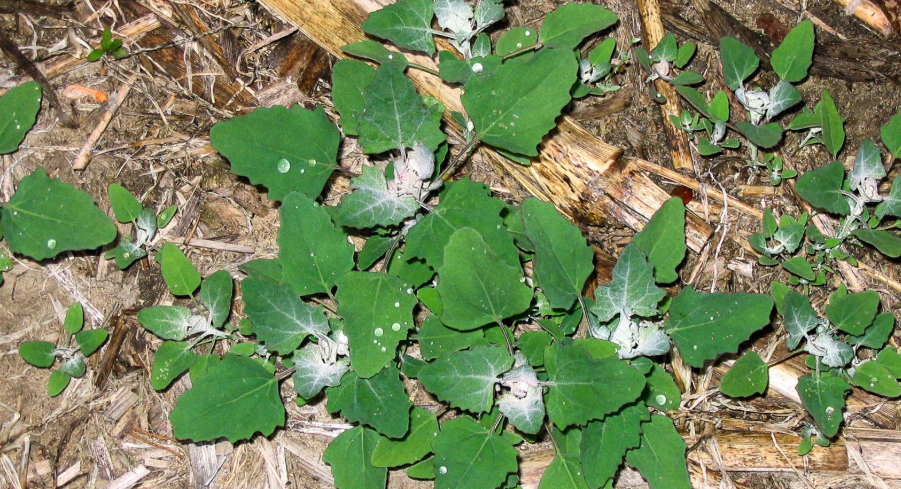
Weeds with large leaves tend to stand out immediately in a landscape, often towering over neighboring plants or spreading a single leaf wide enough to shade out everything beneath it. That oversized foliage usually serves one of two purposes: capturing as much sunlight as possible to fuel unusually fast growth, or storing enough energy in a substantial taproot or rhizome to survive being cut back or grazed. A handful of the plants on this list carry a third, more serious reason to know them on sight, since their size is matched by a genuine capacity to cause harm through toxic sap, poisonous berries, or skin-blistering chemical burns.
Because size alone can make a weed feel dramatic or even ornamental, several of these plants have a confusing history of being deliberately introduced as garden showpieces before their aggressive spread or hidden dangers became apparent. Others are native species that simply evolved to out-compete surrounding vegetation through sheer leaf area, without posing any particular risk to the people who encounter them.
These weeds come from a wide range of native habitats, spanning European mountain valleys, Asian river corridors, and native North American woodlands and wetlands, with several having been intentionally transported across continents before escaping cultivation. Some reach truly enormous proportions, with individual leaves measured in feet rather than inches, while others simply have unusually broad foliage relative to a fairly modest overall plant size.
What follows covers 16 weeds known for their oversized leaves, along with where each one grows, its typical size, and the data that helps with safe identification.
Giant Hogweed
Giant hogweed is native to the Caucasus region of Europe and Asia, and according to Cornell Cooperative Extension’s invasive species program, it can grow to be 15 to 20 feet tall, with leaves up to 5 feet wide and stems up to 4 inches in diameter. Its sap contains a compound that causes severe, burn-like skin blisters and long-lasting sun sensitivity if it contacts moist skin that’s then exposed to sunlight, and contact with the eyes can cause temporary or permanent blindness. A single plant can produce around 100,000 seeds.
It grows primarily in the northeastern United States, particularly New York, Pennsylvania, and parts of the Pacific Northwest, and anyone who suspects contact with the plant should wash the area immediately and seek medical attention before symptoms appear.
Cow Parsnip
Cow parsnip is native to North America and is frequently confused with the much more dangerous giant hogweed, since both share large, deeply lobed leaves and flat-topped clusters of white flowers. It grows considerably smaller than its European relative, typically reaching 4 to 8 feet tall with leaves up to 2 feet wide, and while its sap can still cause mild to moderate phototoxic skin irritation, reactions are generally far less severe than those caused by giant hogweed. A mature plant produces large compound leaves divided into 3 broad lobes.
It grows throughout most of the United States and Canada, typically found in moist meadows, stream banks, and roadside ditches at a range of elevations.
Common Burdock
Common burdock is native to Europe and northern Asia and grows throughout most of North America as a widespread biennial weed. Its enormous first-year basal leaves can exceed a foot in length, among the largest of any common roadside weed, before the plant sends up a spiny flowering stalk reaching 3 to 6 feet tall in its second year. Its familiar hooked burs, formed from its dried flower heads, famously inspired the invention of hook-and-loop fastener technology in the 1940s.
It grows throughout most of North America, typically found along fences, trails, and disturbed pasture edges.
Common Mullein
Common mullein is native to Europe and Asia and grows throughout most of North America as a widespread biennial weed of dry, disturbed ground. Its thick, fuzzy, gray-green basal leaves can reach over a foot long in a low first-year rosette before the plant sends up a single flowering spike reaching 5 to 8 feet tall in its second year. Its dense covering of fine hairs gives the foliage a distinctive soft, felt-like texture unlike almost any other roadside weed.
It grows throughout the United States and southern Canada, thriving in poor, rocky, well-drained soil where many other plants struggle to establish.
Pokeweed
Pokeweed is native to eastern North America, and according to Cornell University’s Weed Identification database, its large leaves can reach up to 20 inches long and 7 inches wide, with the biggest leaves appearing near the base of the plant and becoming progressively smaller higher up the stem. The plant is toxic in all parts, with the root carrying the highest concentration of dangerous compounds, though young shoots are traditionally boiled multiple times and eaten as “poke sallet” in some parts of the South. A mature plant typically reaches 4 to 10 feet tall, with distinctive reddish-purple stems and dark purple berries that are also toxic despite their popularity with birds.
It grows throughout most of the eastern and central United States, typically found in disturbed fields, woodland edges, and fence rows.
Velvetleaf
Velvetleaf is native to China and India, and according to Iowa State University’s Integrated Crop Management program, its heart-shaped, densely hairy leaves can reach lengths of up to 10 inches, giving the entire plant a soft, velvety texture that gives it its common name. It was introduced to North America in the 1600s as a fiber crop, having been cultivated in China for that purpose since around 2000 BC, before becoming one of the most damaging weeds in Midwestern corn and soybean fields. A mature plant typically reaches 5 to 6 feet tall in soybean fields, sometimes growing as tall as the surrounding corn crop.
It grows throughout much of the eastern and midwestern United States, particularly troublesome in reduced-tillage row crop fields.
Jimsonweed
Jimsonweed is native to the Americas, though its exact point of origin is debated, and it’s now found as a weed on every inhabited continent. Its large, coarsely toothed leaves can reach up to 8 inches long, and every part of the plant, including the leaves, seeds, and distinctive spiny seed capsules, is highly toxic if ingested, capable of causing severe hallucinations, elevated heart rate, and even death in significant doses. A mature plant typically reaches 3 to 5 feet tall.
It grows throughout most of the United States as a common weed of cultivated fields and disturbed ground, particularly in nutrient-rich soils around livestock operations.
Curly Dock
Curly dock is native to Europe and western Asia and grows throughout most of North America as a common perennial weed of pastures and disturbed ground. Its large, lance-shaped basal leaves, distinguished by tightly wavy, curled margins, can reach up to a foot in length, forming a substantial rosette before the plant sends up a tall flowering stalk. A mature plant can reach 3 feet tall, with a single seed stalk capable of producing thousands of reddish-brown seeds.
It grows throughout most of North America, commonly found alongside other pasture weeds in disturbed agricultural field margins.
Broadleaf Dock
Broadleaf dock, also called bitter dock, closely resembles curly dock but produces flatter, less crinkled leaf margins and grows somewhat larger overall, with basal leaves that can exceed a foot in length. Native to Europe, it has naturalized across much of North America in similar disturbed pasture and roadside habitats to its curly-leaved relative. A mature flowering plant can reach 3 to 4 feet tall.
It grows throughout most of the northern and eastern United States and Canada, often found growing in the same damp, disturbed ground favored by curly dock.
Common Cocklebur
Common cocklebur is native to the Americas and grows throughout most of North America as a common agricultural weed. Its large, rough, heart-shaped leaves can reach up to 6 inches across, and the plant’s seedlings are notably toxic to livestock, particularly young pigs, before the true leaves fully develop. A mature plant typically reaches 2 to 4 feet tall, with distinctive oval seed burs covered in dozens of stiff, hooked spines.
It grows throughout most of North America, especially troublesome in soybean and other row crop fields where it competes aggressively for light.
Giant Ragweed
Giant ragweed is native to North America, and according to Kansas State University’s Research and Extension program, its leaves typically measure 4 to 8 inches wide and 2 to 12 inches long, and the plant is highly competitive in cropland, with just one plant per square yard capable of reducing soybean yield by up to 77%. It typically reaches around 5 feet tall but can grow up to 20 feet under ideal conditions, and its wind-dispersed pollen makes it one of the most significant causes of seasonal allergies across the country. Confirmed resistance to multiple major herbicide classes has been documented in several Midwestern states.
It grows throughout most of North America, particularly common in ditches, fencerows, and disturbed field margins near waterways.
Japanese Knotweed
Japanese knotweed is native to Japan, Taiwan, and northern China and grows throughout the northeastern and Pacific Northwest United States as one of the most aggressive invasive plants on the continent. Its broad, heart-shaped to shovel-shaped leaves can reach 6 inches long, growing densely along bamboo-like stems that can reach 10 feet tall in a single growing season. Its extremely aggressive underground rhizome system allows it to spread through cracks in pavement and building foundations, making it a significant structural concern in addition to an ecological one.
It grows throughout the northeastern and Pacific Northwest United States, typically found along riverbanks, roadsides, and other disturbed ground.
Castor Bean
Castor bean is native to eastern Africa and has naturalized as a weed across warm regions worldwide, including parts of the southern United States. Its large, deeply lobed, star-shaped leaves can reach up to 2 feet across on a mature plant, giving it an almost tropical, ornamental appearance that has led to its frequent deliberate garden cultivation despite serious risk. Its seeds contain ricin, one of the most potent natural toxins known, and ingesting even a small number of seeds can be fatal to both humans and animals.
It grows as a naturalized weed across the southern United States and other frost-free regions, and given the severity of ricin poisoning, seeds and seed pods should never be handled by children or eaten under any circumstances.
Wild Taro
Wild taro, also called elephant ears, is native to Southeast Asia and has become a naturalized invasive weed across the warm, wet regions of the southeastern United States. Its enormous, heart-shaped leaves can reach up to 2 feet long, among the largest of any weed on this list, growing from a thick underground corm in dense colonies along waterways. Its foliage and stems contain calcium oxalate crystals that cause intense burning and irritation if chewed or eaten raw.
It grows throughout Florida and along waterways across the Gulf Coast states, forming dense stands that can clog irrigation canals and drainage ditches.
Butterbur
Butterbur is native to Europe and parts of Asia and has escaped cultivation as an ornamental to become a naturalized weed in scattered wet areas of North America. Its enormous rounded leaves, among the largest of any temperate weed, can reach 3 feet across on a mature plant, unfurling from the ground before most other vegetation has emerged in early spring. A mature colony spreads aggressively via rhizomes, often carpeting large areas of moist ground in a single dominant stand.
It grows in scattered wet meadows and stream banks across parts of the northeastern United States and Canada, generally confined to consistently moist or wet soil.
Skunk Cabbage
Skunk cabbage is native to eastern North America, typically found in wetlands, swamps, and the wet margins of streams and seeps. Its large, broad, cabbage-like leaves can reach up to 2 feet long once fully unfurled in spring, and the plant is notable for generating its own heat through cellular respiration, allowing it to melt through snow and bloom before most other plants emerge. Crushing or bruising any part of the plant releases a strong, skunk-like odor that gives it its common name and helps attract early-season pollinating flies.
It grows throughout the northeastern and midwestern United States and eastern Canada, restricted almost entirely to consistently saturated wetland soil.
Gunnera
Gunnera, also called giant rhubarb, is native to South America and is grown as an ornamental for its enormous, coarse, palmate leaves that can unfurl up to 6 feet wide on stalks reaching 10 feet tall. A single mature plant can spread 10 feet or more across, and it has escaped cultivation to become invasive in mild, wet coastal climates outside its native range. Its scale makes it one of the largest individual leaves found on any plant grown outdoors in temperate gardens.
It grows as both a cultivated ornamental and an escaped weed in mild, moist coastal regions of the Pacific Northwest and similar climates.
Devil’s Walking Stick
Devil’s walking stick is native to the eastern and central United States, commonly found along woodland edges, fields, and stream banks. Its enormous compound leaves, among the largest of any plant native to North America, are doubly or triply divided into numerous small leaflets, with a single leaf capable of spanning several feet across. It typically grows 10 to 15 feet tall, occasionally reaching 35 feet as a small, sparsely branched tree, with its huge leaves clustered at the top of otherwise bare, spiny stems.
It grows throughout the eastern and central United States, spreading readily by root suckers in the moist, partially shaded woodland edges it prefers.
Garden Rhubarb
Garden rhubarb, when it escapes cultivation or persists at an old homestead site, produces large, deeply veined, heart-shaped leaves that can reach up to 2 feet across on thick, fleshy petioles. Native to Asia, it’s widely grown for its edible stalks, but its leaves contain concentrated oxalic acid and are toxic if eaten in any significant quantity. A mature plant forms a substantial clump that can persist for decades once established.
It grows as a garden perennial and occasional escapee across the northern United States and Canada, favoring cool climates with well-drained, fertile soil.
Horseradish
Horseradish, when it escapes cultivation, grows as a persistent perennial weed with large, coarse, deeply veined leaves that can reach over a foot in length on thick, upright petioles. Native to southeastern Europe and western Asia, its root and leaves both contain pungent mustard oil compounds capable of causing skin and eye irritation with concentrated handling. A mature plant typically reaches 2 to 3 feet tall.
It grows as an escaped garden weed across the northern and central United States, often persisting for years around former garden sites.
Comfrey
Comfrey is native to Europe and Asia, and according to Ohio State University’s Ohio Perennial and Biennial Weed Guide, its lower leaves are bristly, up to 12 inches long, and attached to winged leaf stalks that emerge from the base of the plant, with smaller bristly leaves borne on flowering stems reaching 2 to 3 feet tall. All parts of the plant contain toxic alkaloids, with the roots considered more toxic than the leaves and stems, and repeated ingestion has been linked to serious liver damage.
It grows as a naturalized weed scattered throughout the eastern half of the United States, favoring rich, moist, shaded ditches, meadows, and abandoned gardens.
Mayapple
Mayapple is native to eastern North America, typically found in colonies in open woodlands, shady fields, and along roadsides and riverbanks. Its large, umbrella-like leaves, deeply divided into lobes, can span up to a foot across on a single unbranched stem, with most plants producing just one or two leaves each. Every part of the plant except the fully ripe fruit is toxic, containing a compound capable of causing severe gastrointestinal distress if ingested.
It grows throughout most of eastern North America, favoring moist, shaded woodland soil where it often forms dense, colony-forming patches.
False Hellebore
False hellebore, also called Indian poke, is native to North America, and according to a Cornell University poisonous plants resource, it’s an extremely toxic plant considered a pest by farmers with grazing livestock. Its broad, heavily pleated, oval leaves can reach up to a foot long, clasping the thick stem in an alternating pattern that gives the whole plant a distinctly ribbed, corn-like appearance. A mature plant can reach 2 to 7 feet tall.
It grows in wet meadows, swamps, and stream banks across the northeastern United States and parts of the West, and every part of the plant is dangerous to both people and livestock if ingested.
Coltsfoot
Coltsfoot is native to Europe and parts of northern Africa and Asia, initially flowering in early spring before any leaves appear, with its distinctive heart-shaped leaves only emerging afterward and eventually reaching up to 8 inches across. The undersides of its leaves are covered in a dense, white, felt-like layer of hairs that contrasts sharply with the darker green upper surface. It spreads aggressively through underground rhizomes in addition to seed.
It grows throughout the northeastern United States and eastern Canada, typically found along stream banks, roadsides, and other disturbed, moist ground.
American Lotus
American lotus is native to North America, typically found rooted in the mud of ponds, slow rivers, and lake margins, producing enormous circular leaves that can reach up to 2 feet across and rise well above the water’s surface on thick, upright stalks. Its leaves are notably water-repellent, causing droplets to bead and roll off the surface rather than soaking in. A single colony can spread to cover a substantial portion of a shallow pond or backwater.
It grows throughout much of the eastern and central United States, typically found in slow-moving or still freshwater habitats.
Sacred Datura
Sacred datura is native to the southwestern United States and Mexico, producing large, coarse, grayish-green leaves that can reach up to a foot long on a sprawling, bushy plant. Unlike its smaller relative jimsonweed, it produces notably larger, trumpet-shaped white flowers that open in the evening. Every part of the plant is highly toxic, capable of causing severe hallucinations and dangerously elevated heart rate if ingested.
It grows throughout the desert Southwest, typically found in dry washes, roadsides, and disturbed desert ground.
Volunteer Squash
Volunteer squash, sprouting unexpectedly from a home compost pile or garden bed after seeds survive the composting process, produces large, coarse, prickly-textured leaves that can reach up to a foot across on long, hollow, sprawling vines. Because volunteer squash often results from cross-pollination between different cultivated varieties, the resulting fruit can be unpredictable in flavor and, in rare cases, unusually bitter and potentially harmful. A single plant can sprawl 10 feet or more across a garden bed in a single season.
It appears as an unintentional garden weed anywhere squash or pumpkin seeds have been discarded in compost or disturbed soil across the temperate United States.
Common Sunflower
Common sunflower is native to North America, producing large, rough, heart-shaped leaves that can reach up to a foot across on plants that grow 8 to 15 feet tall under favorable wild conditions. Its leaves are covered in coarse, bristly hairs on both surfaces, and the plant completes its entire life cycle in as little as 60 days. Despite being the official state flower of Kansas, it’s classified as a noxious weed in Iowa due to its aggressive growth in cultivated fields.
It grows throughout most of the central United States, particularly common in prairies, roadsides, and disturbed cropland.
Bear’s Breeches
Bear’s breeches is native to the Mediterranean region, grown as an architectural ornamental for its large, deeply cut, glossy dark green leaves that can reach 2 feet or more in length. It has escaped cultivation in mild coastal climates, where its aggressive, spreading root system allows it to persist and spread well beyond its original planting site. A mature clump can produce dozens of individual leaves radiating from a central crown.
It grows as an escaped garden ornamental in mild, frost-free coastal regions of the United States, particularly the Pacific Coast and parts of the Gulf Coast.
Kudzu
Kudzu is native to Asia, producing large, trifoliate leaves with each leaflet capable of reaching several inches across, giving its climbing vines dense, broad foliage that can smother trees and structures beneath a thick green canopy. It was planted on around 3 million acres across the southern United States by 1946 for erosion control and cattle forage before its uncontrolled spread became apparent. Its vines can grow 60 to 100 feet in a single season under favorable conditions.
It grows extensively throughout the southeastern United States, where its dense leaf canopy can completely obscure whatever structure or vegetation lies beneath it.
Further References
- University of Minnesota Extension — Is This Plant a Weed? — Useful for distinguishing broadleaf weeds from grasses and identifying weeds based on leaf characteristics such as width and vein patterns.
- University of California Agriculture and Natural Resources — Broadleaf Weed Identification — Covers important identification features of broadleaf weeds, including leaf shape, margins, veins, arrangement, and other plant characteristics.
- University of Maryland Extension — Weed Identification Photos — Provides photographs and identification information for numerous common broadleaf weeds, including pokeweed, cocklebur, dock, thistle, and others.
- Iowa State University Extension — Types of Weeds in Landscapes, Gardens, and Lawns — Explains the characteristics of broadleaf weeds and includes examples such as pokeweed, plantain, thistle, lambsquarters, and violet.
- University of Nevada, Reno Extension — Common Cocklebur Identification — Provides detailed identification information for common cocklebur, including its large, lobed leaves, toothed margins, stems, roots, and growing conditions.