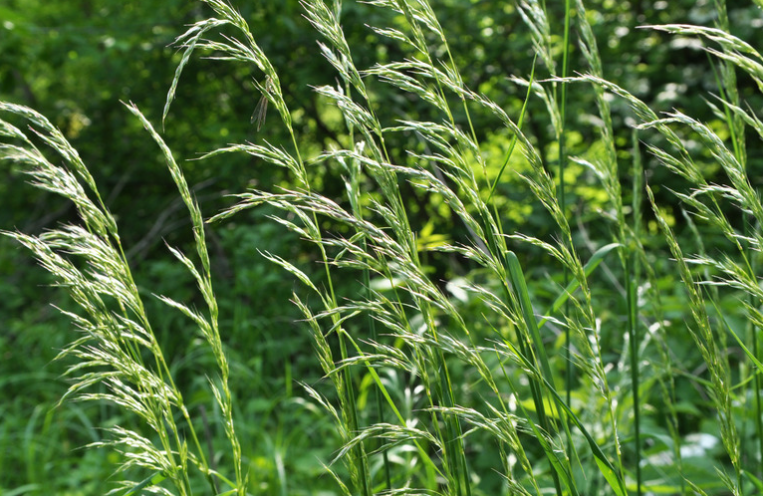
Weeds that look like wheat pose a genuinely different challenge than most garden weeds, since the goal usually isn’t to identify a plant growing where it shouldn’t, but to spot an impostor hiding in plain sight among an actual wheat crop. Many of these species evolved or were selectively favored specifically because their seedlings, growth habit, or seed heads closely mimic wheat closely enough to survive generations of hand-weeding and, more recently, herbicide programs designed to kill everything except the crop itself.
A few of these weeds aren’t just visual mimics; they’re close enough botanical relatives of wheat that they can cross-pollinate with it, contaminate harvested grain, or dodge selective herbicides that work by targeting biological differences between wheat and unrelated weeds. That relatedness is precisely what makes species like jointed goatgrass so difficult to control, since a herbicide strong enough to kill it often damages the wheat crop growing right next to it.
These weeds come from an enormous combined native range, with many originating in the same Fertile Crescent and Mediterranean regions where wheat itself was first domesticated thousands of years ago, before spreading alongside wheat cultivation to nearly every wheat-growing region on Earth. Others are unrelated grass species that happen to have converged on a similar upright, bearded appearance purely through separate evolutionary paths.
What follows covers 24 weeds commonly mistaken for wheat or found contaminating wheat fields, along with where each one grows, its typical size, and the data that helps separate it from the real crop.
Jointed Goatgrass
Jointed goatgrass is native to the Mediterranean region and the Middle East, the same broad region where wheat itself originated, and according to Washington State University’s National Jointed Goatgrass Research Program, it shares wheat’s D genome closely enough that the two species can cross-pollinate to form a sterile hybrid. A single plant can produce up to 100 spikes and roughly 3,000 seeds, and because its seed segments are nearly identical in size and weight to wheat kernels, they’re extremely difficult to separate during grain cleaning. Research has estimated the weed costs U.S. wheat producers around 45 million dollars annually through combined yield loss and grain quality dockage.
It grows across roughly 5 million acres of winter wheat country in the western United States, including Washington, Oregon, Idaho, Utah, Wyoming, Montana, Colorado, Nebraska, Kansas, and Oklahoma.
Feral Rye
Feral rye, also called volunteer rye or cereal rye, is native to the Fertile Crescent and grows as an escaped agricultural weed wherever rye has historically been cultivated near wheat fields. It closely resembles wheat in early growth stages, with both species sharing a similar upright habit and narrow leaf blades, making early-season identification difficult without close inspection. A mature plant typically reaches 3 to 5 feet tall, with a longer, more slender seed head than wheat’s more compact spike.
It grows throughout the wheat-producing regions of the central and western United States, often found growing in the same fields as jointed goatgrass in reduced-tillage systems.
Wild Oat
Wild oat is native to Europe, North Africa, and parts of Asia, and according to a South Dakota State University Extension weed identification guide, a single wild oat plant per square foot can reduce wheat yield by up to 10%. Its drooping, open seed head with distinctive twisted awns distinguishes it from wheat’s more compact, upright spike once the plant matures, though seedlings can be difficult to tell apart. Wild oat seeds show an annual mortality rate of 70% to 90% in the soil, but a small fraction can remain viable for 5 to 9 years.
It grows throughout nearly all wheat-producing regions of North America, Europe, Australia, and Asia, ranking among the most economically damaging weeds of small grain crops worldwide.
Annual Ryegrass
Annual ryegrass, also called Italian ryegrass, is native to southern Europe and the Mediterranean basin, and it has become one of the most problematic wheat field weeds in Australia, California, and the southeastern United States. Its narrow, glossy leaves and upright growth habit closely resemble young wheat, making early identification difficult, and it has developed widespread resistance to multiple herbicide classes in heavily infested regions. A mature plant typically reaches 2 to 3 feet tall, producing a slender, wheat-like seed head.
It grows extensively across Australian and Californian wheat belts, as well as scattered wheat-growing regions of the southeastern United States.
Persian Darnel
Persian darnel is native to Central Asia and the Middle East, and according to Montana State University Extension, it can completely smother patches of wheat or barley while going unnoticed until harvest, since it grows shorter than the crop canopy rather than above it like wild oat. It’s frequently misidentified at the seedling stage, and its shallow, fibrous root system is similar in depth to spring wheat and canola, allowing it to compete intensely for the same water and nutrients. Herbicide-resistant populations have been confirmed across Montana’s wheat-growing region.
It grows throughout the wheat-growing areas of the northern Great Plains, particularly troublesome in reduced-tillage and direct-seeding cropping systems.
Darnel
Darnel, sometimes called poison darnel, is native to the Mediterranean region and the Middle East, and it holds the distinction of being the wheat-mimicking weed referenced in ancient texts, historically believed to represent the “tares” that grow alongside wheat before harvest. Its seeds are frequently infected by a fungus that produces toxic alkaloids, making contaminated grain harmful if consumed in quantity, a hazard that made the weed historically feared rather than merely a yield concern. A mature plant typically reaches 1 to 3 feet tall, closely resembling ryegrass in overall form.
It grows across wheat-growing regions of the Mediterranean, the Middle East, and parts of Asia, though modern seed cleaning practices have made it far less common in commercial grain than in past centuries.
Downy Brome
Downy brome, widely known as cheatgrass, is native to the Mediterranean region and was introduced to New York and Pennsylvania in the late 1800s, and according to Kansas State University’s Research and Extension weed identification series, it develops a root system reaching up to 4 feet deep, making it highly efficient at extracting soil moisture ahead of the wheat crop growing beside it. Mature plants reach up to 2 feet tall, with an open, droopy seed head roughly 7 inches long, and each spikelet contains 4 to 8 seeds tipped with an awn around three-quarters of an inch. It’s typically the first of the weedy brome species to flower each spring.
It grows throughout upland wheat-growing regions across the western and central United States, particularly common in overgrazed pastures and continuous wheat rotations.
Japanese Brome
Japanese brome is native to Europe and Asia and grows as a naturalized winter annual weed across wheat-growing regions of North America, closely resembling downy brome in both appearance and growth habit. It tends to favor slightly different regional conditions than downy brome, often more prevalent in the western portions of the Great Plains wheat belt. A mature plant typically reaches 1 to 2 feet tall, with a drooping seed head similar in shape to its close relative.
It grows throughout the wheat-growing regions of the central and western United States, frequently found growing alongside downy brome and cheat in the same fields.
Smooth Brome
Smooth brome is native to Europe and Asia and was deliberately introduced to North America as a forage and erosion-control grass before becoming a persistent perennial weed in some wheat rotations. Unlike the annual bromes on this list, it spreads aggressively through underground rhizomes in addition to seed, making it considerably more difficult to eliminate through simple crop rotation. A mature plant typically reaches 2 to 4 feet tall, with a more upright, less drooping seed head than downy or Japanese brome.
It grows throughout the northern and central United States and Canada, often persisting at field margins and encroaching into wheat fields from adjacent grassland or pasture.
Ripgut Brome
Ripgut brome is native to the Mediterranean region and has become widely naturalized across California and other warm, dry wheat-growing regions of the western United States. Its long, sharp-pointed seeds and stiff awns can cause physical injury to livestock and are notorious for embedding in clothing and animal fur, giving the plant its common name. A mature plant typically reaches 1 to 3 feet tall, with a large, open, drooping seed head.
It grows extensively across California’s Central Valley and other warm, dry wheat and rangeland regions of the western United States.
Soft Brome
Soft brome, sometimes called cheat, is native to Europe and has naturalized across wheat-growing regions worldwide, closely resembling both downy brome and Japanese brome in general appearance. Unlike downy brome, its seed head typically emerges above the height of a mature wheat crop, making it somewhat easier to spot visually at harvest time. A mature plant typically reaches 1 to 2 feet tall, with a dense, compact seed head compared to some of its weedier brome relatives.
It grows throughout wheat-producing regions of the eastern and central United States, generally more common than downy brome in the eastern portions of the wheat belt.
Quackgrass
Quackgrass, also called couch grass, is native to Europe and Asia and grows as an aggressive perennial weed across wheat-growing regions of North America, spreading through a dense network of underground rhizomes rather than relying primarily on seed. Its narrow, upright leaves and bearded seed head closely resemble young wheat, and its close botanical relationship to wheat within the grass family makes selective herbicide control genuinely difficult. A mature plant typically reaches 1 to 3 feet tall, with rhizomes capable of extending several feet through the soil in a single season.
It grows throughout the northern United States and Canada, particularly troublesome in reduced-tillage wheat systems where its rhizomes aren’t regularly disturbed.
Canada Wildrye
Canada wildrye is native to North America, typically found along field margins, riverbanks, and disturbed prairie ground adjacent to cultivated wheat fields. Its long, drooping, bristled seed head bears a strong resemblance to a bearded wheat variety, often causing confusion for those unfamiliar with native prairie grasses. A mature plant typically reaches 3 to 5 feet tall, considerably taller than most cultivated wheat varieties.
It grows across most of the central and eastern United States and Canada, generally found at field edges rather than as a true in-field wheat contaminant.
Little Barley
Little barley is native to North America, typically found along roadsides, field margins, and disturbed ground adjacent to wheat and other small grain crops. Its compact, bristled seed head closely resembles a miniature barley or wheat spike, though the entire plant stays considerably shorter than either crop. A mature plant typically reaches under a foot tall, completing its life cycle quickly as a winter or spring annual.
It grows throughout most of the United States, generally considered a minor nuisance weed rather than a major wheat yield threat compared to species like jointed goatgrass or wild oat.
Wild Barley
Wild barley, also called hare barley, is native to the Mediterranean region and has become a significant weed of wheat production across Australia, California, and other Mediterranean-climate wheat-growing regions. Its dense, bristled seed head closely mimics cultivated barley and, to a lesser extent, wheat, and its sharp awns can cause injury to livestock and contaminate harvested grain. A mature plant typically reaches 1 to 2 feet tall.
It grows extensively across southern Australian wheat belts and California’s Central Valley, thriving in the same Mediterranean climate conditions favorable to wheat cultivation.
Foxtail Barley
Foxtail barley is native to much of western and central North America, typically found in disturbed, saline, or alkaline soils along roadsides and field margins rather than deep within cultivated wheat fields. Its distinctive nodding, silvery-purple bristled seed head bears a passing resemblance to a bearded wheat variety before fading to a tawny beige color as it matures. A mature plant typically reaches 1 to 2 feet tall as a short-lived perennial bunchgrass.
It grows throughout most of the western and central United States and Canada, generally found at field edges and in poor, disturbed soils rather than thriving within a healthy wheat stand.
Littleseed Canarygrass
Littleseed canarygrass is native to the Mediterranean region and has become one of the most economically damaging wheat weeds across South Asia, the Middle East, and North Africa. Its narrow, upright leaves and growth habit are notoriously difficult to distinguish from young wheat seedlings, and it has developed widespread resistance to several major herbicide classes in heavily infested regions like India’s Punjab. A mature plant typically reaches 1 to 2 feet tall, with a dense, cylindrical seed head.
It grows extensively across the wheat belts of India, Pakistan, the Middle East, and North Africa, ranking among the most significant global wheat weeds by area infested.
Blackgrass
Blackgrass is native to Europe and has become one of the most economically devastating wheat weeds across the United Kingdom and northwestern Europe, capable of causing severe yield losses when left uncontrolled. Its narrow, upright leaves closely mimic wheat seedlings, and the species has developed extensive resistance to multiple herbicide modes of action across large portions of its European range. A mature plant typically reaches 1 to 3 feet tall, with a dense, slender seed head that darkens noticeably as it matures.
It grows extensively across wheat-growing regions of the United Kingdom, France, and neighboring parts of northwestern Europe, where herbicide-resistant populations have forced many farmers to shift toward spring-sown crops and non-chemical control methods.
Meadow Foxtail
Meadow foxtail is native to Europe and temperate Asia, typically found in moist meadows, pastures, and field margins adjacent to wheat production areas. Its soft, cylindrical, bristled seed head bears a general resemblance to a young cereal grain head, though the plant is a true perennial rather than an annual like wheat. A mature plant typically reaches 1 to 3 feet tall, generally more troublesome in pasture and hay fields than as a direct in-crop wheat weed.
It grows throughout the northern United States, Canada, and much of Europe, generally favoring consistently moist soil conditions.
Barnyardgrass
Barnyardgrass is native to Europe and Asia and grows as a naturalized weed across wheat and other cereal crops worldwide, typically emerging later in the season than winter wheat itself. Its broad, hairless leaves distinguish it from wheat on close inspection, though its upright growth habit and coarse seed head can create visual confusion at a glance in a dense stand. A mature plant typically reaches 2 to 4 feet tall, with a single plant capable of producing tens of thousands of seeds.
It grows throughout nearly all wheat and row crop production regions of North America, Europe, and Asia, ranking among the most widespread agricultural weeds globally.
Volunteer Wheat
Volunteer wheat refers to wheat plants that regrow from seed shed during the previous harvest, technically making it wheat itself rather than a different species, but one that behaves as a weed within a rotation crop planted the following season. It can host the same insects and diseases as a deliberately planted wheat crop, including wheat curl mites and certain viral pathogens, creating a “green bridge” that carries pests over from one season’s crop to the next. A mature plant is visually indistinguishable from cultivated wheat, since it is genetically the same species.
It occurs throughout wheat-growing regions worldwide wherever wheat is grown in rotation with other crops, and controlling it before planting the next wheat crop is a standard disease-management recommendation.
Volunteer Barley
Volunteer barley, similar to volunteer wheat, refers to barley plants regrowing from previously shed seed within a rotation crop, most often becoming a weed problem specifically within a subsequent wheat crop where selective herbicide control is difficult due to the close relationship between the two cereal species. It can compete significantly with the following wheat crop for light, water, and nutrients if left unmanaged. A mature plant is visually similar to wheat in early growth stages, though the two become easier to distinguish once the seed heads emerge.
It occurs throughout regions where barley and wheat are grown in rotation, particularly common across the northern Great Plains and parts of the Pacific Northwest.
Green Foxtail
Green foxtail is native to Europe and Asia and grows as a common summer annual weed across wheat stubble and rotation crops throughout North America, typically emerging after winter wheat has already been harvested. Its dense, bristled, green seed head bears a superficial resemblance to a young cereal grain head, though it belongs to an entirely unrelated grass genus. A mature plant typically reaches 1 to 3 feet tall, producing a single plant capable of shedding several thousand seeds.
It grows throughout the wheat and row crop regions of the northern United States and Canada, generally more troublesome in summer crops following wheat than in the wheat crop itself.
Yellow Foxtail
Yellow foxtail closely resembles green foxtail and shares much of the same range across North America, distinguished by a slightly larger, more yellow-toned seed head and small tufts of hair at the base of its leaves. Like green foxtail, it typically emerges as a summer annual weed following wheat harvest rather than competing directly within a standing wheat crop. A mature plant typically reaches 1 to 3 feet tall.
It grows throughout the wheat and row crop regions of the central and eastern United States, commonly found alongside green foxtail in the same disturbed agricultural fields.
Further References
- University of California Agriculture and Natural Resources — Weed Identification
Useful for identifying grass and grass-like weeds by characteristics such as leaf shape, ligules, auricles, stems, seed heads, and growth habit. - University of Wisconsin–Madison — Weed Identification
Provides detailed identification information and images for numerous agricultural weeds, including grasses that can resemble cereal crops such as wheat. - Oregon State University Extension — Weed Identification
Helpful for learning how to distinguish common weeds from desirable plants using characteristics such as leaves, stems, flowers, and seed heads. - USDA NRCS — PLANTS Database
A highly authoritative database for researching plant species found in the United States. It provides scientific names, distribution information, photographs, and botanical characteristics useful when identifying wheat-like weeds. - University of Minnesota Extension — Weed Identification
Offers practical guidance for identifying weeds based on plant structure and growth characteristics, with particular value for agricultural and garden weed identification.