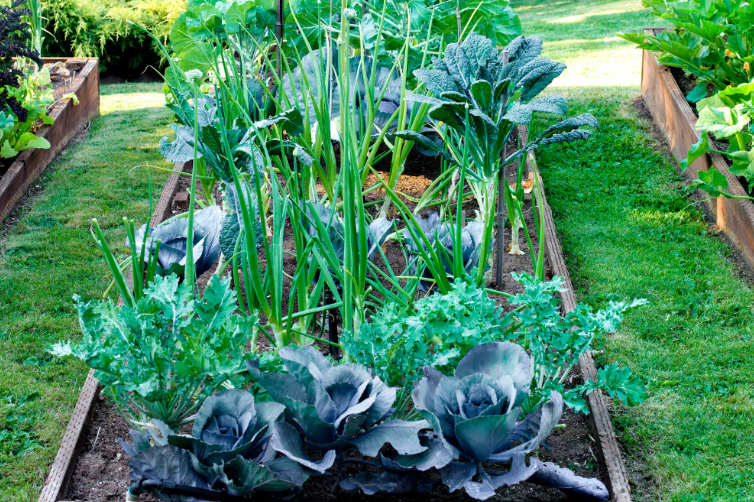
Vegetables that need nitrogen and vegetables that genuinely don’t fall into 2 different categories for 2 completely different reasons, and understanding which reason applies to a given crop changes how it should actually be fed. Nitrogen drives leafy, vegetative growth, powering chlorophyll production and the protein synthesis behind every new leaf, stem, and stalk a plant puts out, which is exactly why anything grown primarily for its leaves, or anything that needs to build a genuinely substantial amount of plant mass before it fruits, counts as a heavy nitrogen feeder.
Legumes sit at the opposite end for a genuinely unique biological reason rather than simply needing less. Peas, beans, and their relatives host colonies of nitrogen-fixing bacteria in small nodules along their roots, and those bacteria pull nitrogen directly from the air and convert it into a form the plant can use, essentially manufacturing their own supply rather than depending on soil reserves or fertilizer. That’s also why planting beans or peas in a bed the season before a heavy feeder is a genuinely useful crop rotation strategy, since the legume can leave measurably more nitrogen behind in the soil than it started with.
Root vegetables land in the low-nitrogen category for yet another distinct reason, and it’s worth knowing because it’s an active problem rather than a passive non-issue. Too much nitrogen pushes a carrot, radish, or turnip to put its energy into lush, leafy top growth at the direct expense of the root itself, often producing a stunted, forked, or oddly shaped harvest specifically because nitrogen was overapplied rather than simply wasted. Getting this distinction right, heavy feeder versus nitrogen-fixer versus nitrogen-sensitive root crop, matters more for a genuinely productive garden than most fertilizing decisions.
The University of Massachusetts Amherst Extension’s nutrient management guide covers nitrogen requirements by crop category in more technical depth than a general list can. What follows covers 15 vegetables that need nitrogen and 10 that don’t, spanning heavy feeders, nitrogen-fixing legumes, and nitrogen-sensitive root crops.
Vegetables That Need Nitrogen
Corn
Corn is genuinely among the heaviest nitrogen feeders in all of agriculture, needing substantial, consistent nitrogen throughout its growing season to build the tall, leafy stalk that eventually supports its ears. Insufficient nitrogen shows up quickly as pale, yellowing lower leaves and a genuinely stunted plant.
It wants full sun and consistently fertile soil, benefiting from a nitrogen-rich side dressing partway through the season as the stalk continues its considerable vegetative growth. The Iowa State University Extension’s corn nutrient management program has documented nitrogen demand curves across the crop’s growing season.
Broccoli
Broccoli needs substantial nitrogen to build the dense leafy growth that eventually supports its edible head, with inadequate nitrogen resulting in a genuinely smaller, less developed harvest. Its considerable nutrient demand peaks during the vegetative growth phase before head formation begins.
It wants full sun and consistently rich, moist soil, rewarding regular nitrogen feeding with a noticeably larger, tighter head at harvest.
Cabbage
Cabbage requires considerable nitrogen to develop the substantial leafy mass that eventually wraps into its characteristic head, with nitrogen deficiency producing a genuinely undersized, loosely formed result. Its extended growing season also means nitrogen needs to be replenished periodically rather than applied just once.
It wants full sun and rich, well-drained soil, benefiting from a nitrogen-rich feeding schedule maintained through much of its considerable growing period.
Cauliflower
Cauliflower needs substantial nitrogen to fuel the vigorous leafy growth that shields and supports its developing head, with insufficient nitrogen genuinely limiting both plant size and head quality. Its relatively fussy nature makes consistent feeding more important than for many other heavy feeders.
It wants full sun and rich, consistently moist soil, rewarding steady nitrogen availability with a considerably more reliable, well-formed head.
Brussels Sprouts
Brussels sprouts need considerable nitrogen over their genuinely long growing season to build the tall, leafy stalk that eventually produces sprouts along its length. Insufficient nitrogen results in noticeably smaller, less numerous sprouts at harvest.
It wants full sun and rich, consistently moist soil, benefiting from a nitrogen-rich feeding schedule maintained across its considerable maturity time.
Kale
Kale needs substantial nitrogen to produce its nutrient-dense, genuinely fast-growing leaves, with regular feeding directly supporting the continuous new growth a kale plant is capable of putting out. Its considerable productivity over an extended harvest period means nitrogen needs to be replenished periodically.
It wants full sun to partial shade and rich soil, rewarding consistent nitrogen availability with noticeably more vigorous, continuous leaf production.
Lettuce
Lettuce needs considerable nitrogen to fuel its rapid leafy growth, with inadequate nitrogen producing a genuinely smaller, more bitter head than a well-fed plant develops. Its quick maturity means nitrogen availability matters intensely during a relatively short growing window.
It wants full sun to partial shade and consistently moist, fertile soil, rewarding steady nitrogen access with faster growth and a noticeably better-formed head.
Spinach
Spinach needs substantial nitrogen to produce its dense, dark green, nutrient-rich leaves, with nitrogen deficiency showing up quickly as pale, yellowing foliage and stunted growth. Its considerable leaf density genuinely depends on consistent nitrogen availability throughout its shorter growing season.
It wants full sun to partial shade and rich, consistently moist soil, rewarding regular nitrogen feeding with noticeably darker, more abundant leaves.
Swiss Chard
Swiss chard needs considerable nitrogen to sustain its genuinely continuous leaf production over an extended harvest period, with regular feeding directly supporting the plant’s ability to keep putting out new growth after repeated cutting. Its considerable productivity rewards steady nitrogen availability more than a one-time application.
It wants full sun to partial shade and rich soil, benefiting from periodic nitrogen feeding to sustain its extended, repeated harvest.
Celery
Celery needs substantial nitrogen to build its considerable stalk mass, with insufficient nitrogen resulting in noticeably thinner, less crisp stalks at harvest. Its genuinely long growing season also means nitrogen needs replenishing periodically rather than applied just once.
It wants full sun to partial shade and rich, consistently moist soil, rewarding steady nitrogen availability with considerably better stalk development.
Tomatoes
Tomatoes need substantial nitrogen early in their growth to build a genuinely strong vegetative structure, though the timing matters considerably, since too much nitrogen once flowering begins can push the plant toward excessive leafy growth at the expense of actual fruit production. Balancing early nitrogen with reduced feeding once flowering starts is genuinely important for a productive harvest.
It wants full sun and consistently warm, fertile soil, rewarding a nitrogen-rich early feeding schedule that tapers off as fruit set begins. The University of Georgia Extension’s tomato nutrient management guide covers the timing tradeoffs between vegetative growth and fruit production in more detail.
Peppers
Peppers need moderate to substantial nitrogen to build their vegetative structure before fruiting begins, with insufficient early nitrogen genuinely limiting overall plant size and eventual yield. Like tomatoes, excessive nitrogen once fruiting is underway can shift the plant’s energy toward leaves rather than pepper production.
It wants full sun and consistently warm soil, rewarding a nitrogen-rich start that eases off once the plant begins setting fruit.
Cucumbers
Cucumbers need considerable nitrogen to fuel their genuinely vigorous vining growth, with insufficient nitrogen resulting in weaker vines and reduced fruit production. Their rapid growth rate means nitrogen needs to stay consistently available rather than being applied just once at planting.
It wants full sun and rich, consistently moist soil, rewarding steady nitrogen availability with noticeably more vigorous vine growth and fruit set.
Zucchini
Zucchini needs substantial nitrogen to support its genuinely rapid growth and considerable fruit production, with regular feeding directly supporting the plant’s remarkable productivity once established. Its fast growth rate means nitrogen depletes from the surrounding soil more quickly than for a slower-growing crop.
It wants full sun and rich, well-drained soil, rewarding consistent nitrogen availability with sustained, abundant fruit production through the season.
Potatoes
Potatoes need substantial nitrogen to build the leafy top growth that ultimately fuels tuber development below ground, though excessive nitrogen late in the season can push the plant toward more foliage at the expense of tuber size. Balancing adequate early nitrogen with reduced feeding as tubers develop is genuinely important for a strong harvest.
It wants full sun and loose, well-drained soil, rewarding a nitrogen-rich early feeding schedule that eases off as the plant shifts toward tuber formation.
Vegetables That Don’t Need Nitrogen
Peas
Peas host nitrogen-fixing bacteria in nodules along their roots, converting atmospheric nitrogen into a usable form and genuinely needing little to no supplemental nitrogen fertilizer as a result. Excess nitrogen can actually reduce pea production by pushing the plant toward leafy growth instead of pod formation.
It tolerates poor, lean soil reasonably well, and planting peas ahead of a heavy-feeding crop the following season can genuinely leave measurably more nitrogen behind in the soil.
Green Beans
Green beans fix their own nitrogen through the same root-nodule bacteria relationship as peas, needing minimal supplemental nitrogen and often performing better in lean soil than in a heavily nitrogen-fertilized bed. Excess nitrogen can reduce pod production by encouraging excessive foliage instead.
They tolerate poor, well-drained soil reasonably well, making them a genuinely practical choice for a bed that hasn’t been heavily amended.
Lima Beans
Lima beans share the same nitrogen-fixing root bacteria relationship common to the broader legume family, needing little supplemental nitrogen to perform well. Overfeeding nitrogen risks the same shift toward foliage over pod production seen in other beans.
They tolerate a range of soil conditions, thriving with considerably less nitrogen input than most other vegetables on this list require.
Soybeans
Soybeans are genuinely efficient nitrogen fixers, often used specifically as an agricultural cover crop for exactly that reason, needing minimal nitrogen fertilizer to produce a strong harvest. Their root nodule bacteria can leave meaningfully more nitrogen in the soil than the crop itself consumes.
They tolerate a range of soil conditions and full sun, making them a genuinely useful rotation crop ahead of a heavy nitrogen feeder the following season. The University of Illinois Extension’s nitrogen fixation research documents measurable soil nitrogen contribution from soybean cultivation.
Fava Beans
Fava beans are considered among the most effective nitrogen-fixing legumes commonly grown, frequently planted specifically as a green manure cover crop to enrich soil nitrogen for a subsequent planting. Their considerable cold tolerance also makes them a useful fall or winter cover crop in a mild climate.
They tolerate significant cold and poor soil, genuinely improving a bed’s nitrogen content for whatever gets planted there next.
Carrots
Carrots are genuinely harmed by excess nitrogen, which pushes the plant toward lush, leafy top growth at the direct expense of proper root development, often resulting in a stunted, forked, or oddly shaped harvest. Moderate, balanced soil fertility produces a considerably better result than a nitrogen-rich bed.
They want loose, well-drained soil without excess nitrogen, thriving in exactly the leaner, well-balanced conditions many other vegetables would find insufficient. The Washington State University Extension’s root vegetable nutrient guide documents the forking and stunting effect excess nitrogen has on carrot root development specifically.
Radishes
Radishes are similarly harmed by excess nitrogen, which encourages leafy top growth over the root development that’s actually the point of the crop. Their remarkably fast maturity also means there’s little time for heavy feeding to matter much either way.
They want loose soil with moderate fertility, performing best without the nitrogen-rich feeding schedule a heavy leafy green would require.
Onions
Onions need only moderate nitrogen, considerably less than a leafy green like lettuce or spinach requires, with excess nitrogen risking softer bulbs and reduced storage life after harvest. Nitrogen matters most during early leaf growth, tapering off considerably once bulbing begins.
They want full sun and well-drained soil, benefiting from a lighter nitrogen touch than many other vegetables on this list demand.
Garlic
Garlic needs only modest nitrogen, with excess feeding risking softer, less storable bulbs similar to the concern with onions. Its considerable cold tolerance and fall planting schedule mean nitrogen timing matters more than sheer quantity.
It wants full sun and well-drained soil, thriving with a considerably lighter feeding regimen than a heavy nitrogen feeder would need.
Turnips
Turnips are harmed by excess nitrogen in much the same way as other root vegetables, with the plant favoring leafy top growth over proper root development when nitrogen runs high. Moderate, balanced soil fertility produces a considerably more reliable root harvest.
They want loose soil with moderate fertility, performing best without the nitrogen-rich feeding schedule several other vegetables on this list actively require.
Key Takeaways
Vegetables need nitrogen to support healthy leaf and stem growth, but their requirements vary depending on the crop and stage of development. Leafy vegetables such as lettuce, spinach, kale, and cabbage generally have a greater need for nitrogen because they produce substantial amounts of foliage.
Other vegetables, including tomatoes, peppers, cucumbers, and squash, also require nitrogen, particularly during early growth. However, excessive nitrogen can encourage vigorous leafy growth while reducing flowering and fruit production, so balanced nutrition is important throughout the growing season.
Vegetables that need less added nitrogen may include crops such as carrots, radishes, beets, and other root vegetables, especially when the soil already contains adequate nutrients. Legumes such as beans and peas can also obtain nitrogen through their association with beneficial soil bacteria, reducing their dependence on added nitrogen under suitable conditions.
Understanding the nitrogen needs of each vegetable can help gardeners avoid both deficiencies and excessive fertilization. Soil testing, appropriate fertilizer selection, crop rotation, and observing plant growth can help determine whether additional nitrogen is actually needed for healthy and productive plants.