The best vegetables to grow hydroponically share a specific root structure that makes them genuinely well suited to a soilless system, fine, fibrous, fast-spreading roots that can absorb dissolved nutrients directly from a flowing or standing solution without needing anything solid to anchor into. That single trait explains most of what separates a hydroponic star crop from one that struggles or fails outright in the same setup.
It’s worth being upfront that root vegetables are largely absent from a genuine hydroponic vegetable list, and that’s not a technique limitation so much as a basic botanical mismatch. A carrot, potato, or beet needs to physically swell and push against surrounding resistance to form its characteristic root or tuber, and a pure water-based system like deep water culture or a nutrient film setup simply doesn’t provide anything for that root to push against. A media-filled system like a Dutch bucket can support limited root development, but even then, results rarely match what the same crop produces in loose garden soil.
Leafy greens and fruiting vegetables, by contrast, are exactly where hydroponic growing shows its real strength. A head of lettuce grown hydroponically can reach harvest size considerably faster than the same variety grown in soil, since the plant never has to expend energy searching for nutrients that are already dissolved and immediately available right at the root zone. Fruiting crops like tomatoes and peppers take longer and need more structural support, typically a trellis or stake anchored into the growing system, but reward that extra setup with genuinely strong, consistent yields.
The Cornell University Controlled Environment Agriculture program has published extensive research on which vegetable varieties perform best across different hydroponic system types. What follows covers 35 of the best vegetables to grow hydroponically, spanning leafy greens, fruiting crops, and a handful of specialty and quick-turnaround options.
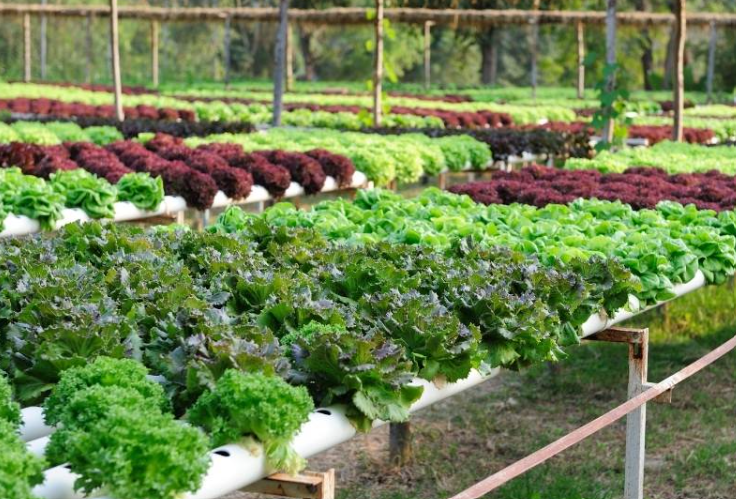
Lettuce
Lettuce is genuinely the classic hydroponic crop, its shallow, fibrous root system absorbing dissolved nutrients with real efficiency and reaching harvest size considerably faster than a soil-grown head. Its dominance in commercial hydroponic lettuce production reflects just how well the crop’s biology matches the growing method.
It thrives in a deep water culture or nutrient film system, and the University of Arizona’s Controlled Environment Agriculture Center has published extensive hydroponic lettuce variety trial data relevant to home and commercial growers alike.
Romaine Lettuce
Romaine lettuce shares standard lettuce’s genuine hydroponic suitability, its more upright growth habit making efficient use of vertical space in a tower or NFT channel system. Its considerably sturdier leaf structure than a butterhead type also holds up well to shipping if grown at any commercial scale.
It thrives in a range of hydroponic system types, remaining one of the more forgiving leafy greens for a beginner’s first hydroponic setup.
Spinach
Spinach performs well hydroponically, its shallow root system suiting a nutrient film or deep water culture setup particularly well. Its considerable cold tolerance also means it can be grown successfully in a cooler indoor environment that would stress a more heat-loving crop.
It thrives in cooler nutrient solution temperatures than many other hydroponic vegetables prefer, bolting quickly if the growing environment runs too warm.
Kale
Kale grows reliably in a hydroponic system, its considerable cold tolerance and relatively compact root system suiting most system types without much fuss. Its nutrient-dense leaves also grow noticeably faster under hydroponic conditions than in a typical soil garden.
It thrives in a deep water culture or media-based system, tolerating a somewhat wider temperature range than more delicate leafy greens.
Swiss Chard
Swiss chard performs well across a range of hydroponic setups, its fibrous root system absorbing nutrients efficiently while its colorful stems add genuine visual appeal to a home hydroponic display. Its considerable productivity means a single plant can be harvested repeatedly rather than all at once.
It thrives in a nutrient film or media-based system, remaining one of the more forgiving hydroponic leafy greens for inconsistent nutrient monitoring.
Arugula
Arugula grows quickly in nearly any hydroponic system, its shallow root system and rapid maturity making it a genuinely efficient choice for a fast-turnaround harvest. Its peppery flavor develops well under hydroponic conditions, comparable to soil-grown quality.
It thrives in a deep water culture or nutrient film setup, reaching harvest size in just a few weeks under favorable growing conditions.
Watercress
Watercress is genuinely one of the most naturally suited crops for hydroponic growing, since the plant evolved to grow directly in shallow, flowing water in the wild. Its rapid growth and considerable nutrient density have made it an increasingly popular hydroponic specialty crop.
It thrives specifically in a nutrient film or deep water culture system, performing considerably better in a water-based setup than in any soil-based growing method.
Bok Choy
Bok choy performs reliably in a hydroponic system, its compact size and shallow root system suiting a tightly spaced NFT or tower setup particularly well. Its quick maturity also makes succession planting a genuinely practical way to keep continuous harvests coming.
It thrives in a deep water culture or nutrient film system, remaining one of the more space-efficient hydroponic vegetables available.
Mustard Greens
Mustard greens grow rapidly in a hydroponic setup, their shallow root system and fast maturity making them a genuinely efficient choice for quick, repeated harvests. Their considerable flavor intensity develops well under the fast, nutrient-rich growth hydroponics provides.
They thrive in a nutrient film or deep water culture system, reaching a usable harvest size within just a few weeks of germination.
Collard Greens
Collard greens grow reliably in a hydroponic system, their considerable size meaning a media-based or larger NFT channel setup suits them better than a compact tower system would. Their tolerance for a range of temperatures also makes them a genuinely flexible hydroponic choice.
They thrive in a nutrient film or media-based system, rewarding the extra growing space with a genuinely substantial, repeatedly harvestable crop.
Tomatoes
Tomatoes are grown hydroponically at genuine commercial scale worldwide, their considerable yield potential rewarding the extra structural support and higher nutrient demand the crop requires compared to a leafy green. A sturdy trellis or stake anchored into the growing system is genuinely essential to support the plant’s substantial vertical growth.
They thrive in a Dutch bucket or media-based system, and the University of Arizona’s Controlled Environment Agriculture Center has extensively documented commercial hydroponic tomato production practices.
Cherry Tomatoes
Cherry tomatoes perform particularly well hydroponically, their smaller individual fruit size placing somewhat less strain on the root system than a larger beefsteak variety would demand. Their considerable productivity also makes them a rewarding choice for a home hydroponic setup.
They thrive in a Dutch bucket or media-based system, benefiting from the same sturdy trellis support standard tomatoes need.
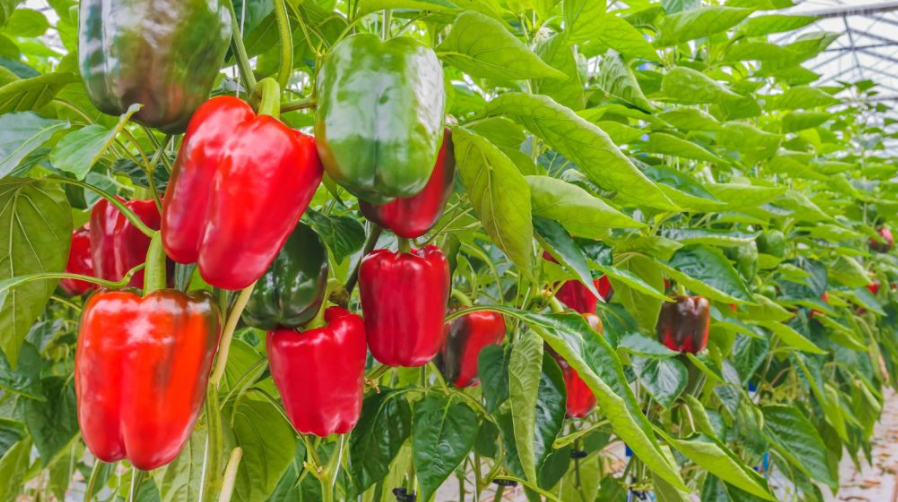
Peppers
Peppers grow well hydroponically, their relatively compact root system and upright growth habit suiting a media-based system without needing quite the extensive support a tomato vine requires. Their considerable heat tolerance also makes them well suited to a warm indoor growing environment.
They thrive in a Dutch bucket or nutrient film system, rewarding consistent nutrient delivery with genuinely reliable fruit production.
Cucumbers
Cucumbers thrive in a hydroponic system, their vigorous vining growth benefiting from a trellis or vertical support structure anchored into the growing setup. Their considerable water needs are genuinely well matched to a hydroponic system’s constant nutrient solution availability.
They thrive in a nutrient film or Dutch bucket system, rewarding sturdy trellis support with cleaner, straighter fruit than a sprawling ground-grown vine typically produces. The Ohio State University Extension’s greenhouse vegetable production guide covers hydroponic cucumber trellising and yield data specifically.
Eggplant
Eggplant performs reliably in a hydroponic system, its compact, upright growth habit suiting a media-based setup without needing extensive support structure. Its considerable heat requirement makes it well suited to a warm, controlled indoor growing environment.
It thrives in a Dutch bucket or media-based system, rewarding the warmer growing conditions hydroponics can maintain with genuinely reliable fruit set.
Zucchini
Zucchini grows well hydroponically, though its considerable size and vigorous growth genuinely demand a larger media-based system than a compact leafy green would need. Its rapid productivity rewards the extra space investment with a substantial ongoing harvest.
It thrives in a Dutch bucket or media-based system, needing consistent nutrient delivery to support its considerable rate of growth.
Green Beans
Green beans grow reliably in a hydroponic system, their climbing habit benefiting from a trellis anchored into a media-based setup. Their relatively quick maturity also makes them a genuinely rewarding crop for a home hydroponic grower.
They thrive in a media-based system, rewarding sturdy vertical support with a genuinely productive, space-efficient harvest.
Peas
Peas perform well in a hydroponic system, their climbing tendrils grasping a light trellis with the same ease they’d show in a traditional garden setting. Their preference for cooler growing conditions also suits an indoor hydroponic environment that can be temperature-controlled precisely.
They thrive in a media-based or nutrient film system, benefiting from the same light trellis support they’d need in any garden setting.
Broccoli
Broccoli can be grown hydroponically, though its considerable size and relatively long maturity time mean it needs a genuinely more substantial media-based system than most leafy greens require. Its head quality often benefits from the precise nutrient and temperature control a hydroponic setup allows.
It thrives in a media-based system, rewarding the extra space and longer growing time with a genuinely well-formed head under controlled conditions.
Cauliflower
Cauliflower shares broccoli’s genuine need for a substantial media-based hydroponic system, its considerable size and relatively fussy nature benefiting from the consistent moisture and nutrient delivery hydroponics provides. Its head quality can genuinely improve under the controlled conditions a hydroponic setup maintains.
It thrives in a media-based system, requiring more space and patience than most other vegetables on this list.
Cabbage
Cabbage grows in a hydroponic system, though its considerable size means a genuinely larger media-based setup suits it far better than a compact tower or NFT channel would. Its relatively long maturity time also makes it a more patient hydroponic crop than a quick-turnaround leafy green.
It thrives in a media-based system, rewarding the extra space investment with a genuinely substantial, storable head.
Mizuna
Mizuna grows quickly in a hydroponic system, its finely cut, mustard-like leaves adding genuine textural variety to a home hydroponic leafy green rotation. Its rapid maturity makes it a practical choice for a fast, repeated harvest cycle.
It thrives in a deep water culture or nutrient film system, reaching harvest size in just a few weeks under favorable conditions.
Tatsoi
Tatsoi performs well hydroponically, its compact, rosette-forming habit suiting a tightly spaced NFT or tower system particularly well. Its considerable cold tolerance also makes it a genuinely flexible choice for a cooler indoor growing environment.
It thrives in a deep water culture or nutrient film system, remaining one of the more compact and space-efficient Asian greens available for hydroponics.
Napa Cabbage
Napa cabbage grows reliably in a hydroponic system, though its considerable size means it benefits from a media-based setup with more room than a compact leafy green would need. Its crisp, mild leaves develop well under consistent hydroponic nutrient delivery.
It thrives in a media-based or larger NFT system, rewarding the extra space with a genuinely substantial head.
Endive
Endive grows well in a hydroponic system, its compact form suiting intensive spacing in a tower or NFT channel setup. Its characteristic bitter flavor develops reliably under hydroponic conditions, comparable to soil-grown quality.
It thrives in a deep water culture or nutrient film system, remaining one of the more space-efficient specialty greens for a home hydroponic setup.
Radicchio
Radicchio performs reliably in a hydroponic system, its compact, upright head suiting a tightly spaced growing setup considerably better than a looser, sprawling green would. Its considerable color and flavor develop well under controlled hydroponic conditions.
It thrives in a deep water culture or nutrient film system, and the Purdue University Department of Horticulture and Landscape Architecture has documented specialty green performance across several hydroponic system types.
Sorrel
Sorrel grows well in a hydroponic system, its tangy, citrus-flavored leaves developing reliably under consistent nutrient delivery. Its perennial nature also means a single hydroponic planting can be harvested repeatedly over an extended period.
It thrives in a deep water culture or nutrient film system, remaining a genuinely low-maintenance choice once established in a hydroponic setup.
Strawberries
Strawberries are grown hydroponically at genuine commercial scale, their considerable productivity and relatively compact root system suiting a specialized vertical or tower system particularly well. Their trailing runners also make efficient use of a hydroponic tower’s vertical growing space.
They thrive in a specialized strawberry tower or media-based system, rewarding consistent nutrient delivery with genuinely reliable, repeated fruit production.
Celery
Celery grows well hydroponically, its considerable water needs genuinely well matched to a system that constantly circulates a nutrient solution around the root zone. Its stalks develop good flavor and texture under the consistent moisture hydroponics reliably provides.
It thrives in a deep water culture or nutrient film system, benefiting from the constant moisture access a soil-based garden struggles to match as reliably.
Okra
Okra performs reasonably well in a hydroponic system, its relatively compact, upright growth habit suiting a media-based setup without needing extensive support. Its considerable heat tolerance also makes it well suited to a warm indoor growing environment.
It thrives in a Dutch bucket or media-based system, rewarding warm growing conditions with a genuinely productive, extended harvest window.
Cantaloupe
Cantaloupe can be grown hydroponically, though its considerable vine size and fruit weight genuinely demand a sturdy trellis with individual slings to support developing melons. Its flavor and sweetness develop well under the precise nutrient control a hydroponic system allows.
It thrives in a Dutch bucket or media-based system, needing a genuinely robust support structure given the substantial weight of maturing fruit.
Microgreens
Microgreens are genuinely one of the simplest and fastest hydroponic crops available, requiring nothing more than a shallow tray, a growing mat, and a nutrient solution to reach harvest within just a couple of weeks. Their minimal space and equipment needs make them an ideal entry point for a first-time hydroponic grower.
They thrive in a simple passive tray system, needing considerably less specialized equipment than almost any other crop on this list.
Bean Sprouts
Bean sprouts represent genuinely the simplest form of hydroponic growing, requiring only periodic rinsing with water rather than any dissolved nutrient solution at all, since the sprout draws entirely on the seed’s own stored energy. Their remarkably fast turnaround, often just days, makes them a genuinely accessible starting point for hydroponic growing.
They thrive with nothing more than a simple sprouting jar or tray, needing no specialized hydroponic equipment whatsoever.
Green Onions
Green onions grow well in a hydroponic system, their narrow, upright form making efficient use of a tightly spaced tower or NFT channel setup. Their quick regrowth after cutting also makes them a genuinely repeatedly harvestable crop from the same planting.
They thrive in a deep water culture or nutrient film system, remaining one of the more space-efficient hydroponic vegetables for a compact home setup.
Water Spinach
Water spinach, also called kangkong, is genuinely adapted to growing directly in water in its native range, making it an exceptionally well-suited hydroponic crop with minimal adaptation required. Its rapid growth and considerable heat tolerance have made it an increasingly popular hydroponic specialty green.
It thrives specifically in a deep water culture or nutrient film system, performing considerably better in a water-based setup than most other leafy vegetables on this list.
Key Takeaways
Vegetables that grow well hydroponically can produce healthy crops without traditional garden soil by receiving water, nutrients, oxygen, and root support through a controlled growing system. Leafy greens, herbs, and some fruiting vegetables are particularly suitable because they can adapt well to hydroponic conditions and make efficient use of limited space.
Choosing vegetables for hydroponic growing depends on the crop’s size, root structure, growth period, nutrient requirements, and the type of hydroponic system being used. Light, temperature, water quality, nutrient concentration, and adequate root oxygenation are also important factors for maintaining healthy plants.
With proper setup and regular monitoring, hydroponic vegetables can provide fresh harvests throughout much of the year. Maintaining clean equipment, suitable nutrient levels, consistent water flow, adequate lighting, and appropriate spacing can help plants grow vigorously and reduce common growing problems.