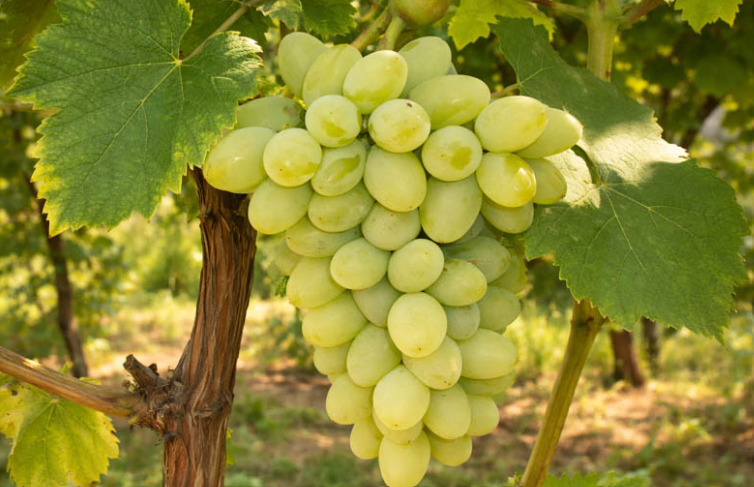
Types of yellow grapes reveal a genuine labeling quirk worth clearing up before anything else: the “white wine grape” category almost never actually produces a truly white or colorless berry, since the skin instead ranges from pale yellow-green to a deep, honeyed gold. That coloring isn’t a separate yellow pigment at all, it’s simply the grape’s natural chlorophyll and carotenoid coloring showing through once you remove anthocyanin, the purple pigment responsible for every dark-skinned grape, from the equation entirely. A yellow grape, in other words, represents the genuine absence of one pigment rather than the presence of a different one.
That genetic distinction traces back to a single, well-documented mutation that disables anthocyanin production, and virtually every yellow and green grape variety alive today, wine and table grapes alike, carries some version of that same underlying genetic change. Winemakers and grape breeders have spent centuries selecting within that yellow-skinned population for everything from Chardonnay’s genuine adaptability to dozens of distinct climates, to Thompson Seedless’s remarkable versatility as a fresh, dried, and juiced fruit all from the same berry.
Statistics and documented origin history vary considerably across this list depending on how ancient or how recently developed a given variety happens to be. A grape with centuries of continuous European cultivation, like Trebbiano or Riesling, comes with genuinely well-documented acreage and historical records, while a newer specialty table grape variety may have a shorter, more commercially private breeding history that’s simply less publicly documented.
The University of California Davis’s Foundation Plant Services grape program maintains detailed genetic and historical records for the vast majority of varieties covered here. What follows covers 16 types of yellow grapes, including their origin and other relevant statistics and uses.
Chardonnay
Chardonnay originated in Burgundy, France, confirmed through 1999 DNA testing as a natural cross between Pinot Noir and the largely forgotten variety Gouais Blanc, and it’s since become the most widely planted white wine grape in the world by total vineyard acreage. Its genuinely pale yellow-green skin deepens toward gold as it ripens, and its remarkable adaptability to a wide range of climates has made it a global wine industry staple used almost exclusively for dry white and sparkling wine production.
It tolerates a considerably wider range of growing conditions than most other classic wine grapes, part of why it’s achieved such widespread global cultivation. The UC Davis Department of Viticulture and Enology published the 1999 DNA research confirming this parentage.
Sauvignon Blanc
Sauvignon Blanc originated in the Bordeaux and Loire Valley regions of France and is confirmed as one of the 2 parent grapes of Cabernet Sauvignon, its pale yellow-green skin and considerably aromatic, herbaceous character making it one of the most recognizable white wine styles by scent alone. It’s used almost exclusively for dry white wine production, prized specifically for the vivid, crisp character its aromatic compounds provide.
It thrives in a cooler climate, its considerable aromatic intensity developing most distinctly when grown in genuinely cool growing conditions.
Also Read: Different Types of Grapes Around the World
Riesling
Riesling is a genuinely ancient German variety, documented in the Rhine region since at least the 15th century, its pale yellow-green skin and remarkable natural acidity allowing it to produce everything from bone-dry to intensely sweet dessert wine styles from the same grape. Its considerable versatility across that entire sweetness spectrum has made it one of the most respected white wine grapes among wine professionals worldwide.
It tolerates genuinely cold growing conditions better than most other classic wine grapes, thriving in regions too cool for many other varieties to properly ripen.
Chenin Blanc
Chenin Blanc originated in France’s Loire Valley, its yellow-green skin and considerable natural acidity supporting dry, sparkling, and intensely sweet botrytized wine styles all from the same grape. Its considerable global cultivation in South Africa, where it’s actually planted on more vineyard acreage than in its native France, reflects a genuinely successful colonial-era grape migration used today for everything from everyday table wine to premium sweet dessert bottlings.
It tolerates a range of climates, its considerable natural acidity supporting the genuinely wide stylistic range it’s known for.
Semillon
Semillon originated in the Bordeaux region of France, its golden-yellow skin deepening considerably once affected by noble rot, a beneficial fungal infection that concentrates sugar and plays a genuinely central role in the production of Sauternes, one of the world’s most famous sweet wines. Beyond that sweet wine use, it’s also blended with Sauvignon Blanc for dry white wine throughout Bordeaux and Australia’s Hunter Valley.
It thrives in a climate with genuine autumn humidity, those damp conditions being exactly what encourages the noble rot its sweet wine production depends on.
Muscat Blanc
Muscat Blanc represents one of the oldest known grape varieties still cultivated, with golden-yellow skin and a considerable number of related varieties tracing back to ancient Mediterranean cultivation predating most other grapes on this list by a significant margin. Its distinctive, intensely floral aroma is used for everything from dry table wine to sparkling Moscato and intensely sweet dessert wine, genuinely one of the few grapes whose wine actually smells and tastes like the fresh fruit itself.
It thrives in a warm, sunny climate, its considerable versatility across dry, sparkling, and sweet wine styles reflecting centuries of adaptable cultivation.
Muscat of Alexandria
Muscat of Alexandria is a genuinely ancient variety within the broader Muscat family, its golden-yellow skin and considerable history tracing back to ancient Egypt, among the oldest documented grape varieties still commercially grown today. It’s used both as a wine grape for sweet dessert styles and, in some regions, as a table and raisin grape, reflecting its genuinely dual-purpose historical role.
It thrives in a warm, dry climate, its considerable sugar accumulation capacity supporting both fresh eating and sweet wine production from the same fruit.
Viognier
Viognier originated in France’s Rhône Valley and came genuinely close to disappearing entirely in the 20th century, with vineyard acreage dropping to just a small handful of hectares before a dedicated revival effort brought it back into wider cultivation. Its golden-yellow skin and considerable aromatic richness, often compared to apricot and honeysuckle, are used almost exclusively for dry, full-bodied white wine.
It demands careful vineyard management, its considerable tendency toward low natural acidity requiring real attention to harvest timing.
Trebbiano
Trebbiano is a genuinely ancient Italian variety, and by total global vineyard acreage, it’s among the most widely planted white grape varieties anywhere in the world, its pale yellow-green skin and considerable productivity making it a genuine workhorse behind everyday Italian white wine, brandy, and vinegar production alike. Its considerable versatility across those very different end uses reflects centuries of practical, high-yield cultivation across central Italy.
It thrives in a warm climate, its considerable productivity and reliable ripening making it one of the most economically significant white grapes grown anywhere by sheer volume.
Albariño
Albariño, called Alvarinho across the border in Portugal, is native to the Galicia region of northwestern Spain, its yellow-green skin and considerable natural acidity making it the signature white grape of the Rías Baixas wine region, used almost exclusively for crisp, food-friendly dry white wine. Its genuine resistance to the region’s damp, maritime climate reflects centuries of adaptation to exactly those humid coastal conditions.
It tolerates genuine humidity and coastal maritime conditions better than most other classic white wine grapes, thriving in exactly the damp climate its native region provides.
Thompson Seedless
Thompson Seedless traces its origin to ancient Middle Eastern and Turkish cultivation before being popularized in California by grower William Thompson in the late 19th century, its pale yellow-green skin belonging to genuinely the most widely planted table and raisin grape in the world today. Its considerable versatility, used fresh, dried into raisins, and for juice and wine production, makes it one of the most economically significant grape varieties grown anywhere by total global acreage.
It thrives in a warm, dry climate, its considerable sugar content and seedless fruit making it particularly well suited to raisin production specifically. The University of California Agriculture and Natural Resources program documents Thompson Seedless’s status as the world’s most widely cultivated grape variety by total acreage.
Niagara
Niagara was developed in Niagara, New York in the 1860s as a golden-yellow, native American counterpart to the purple Concord grape, sharing that variety’s genuine cold hardiness and distinctive musky, “foxy” aroma. It’s used almost exclusively as a fresh eating and juice grape rather than for wine, its considerable sweetness and distinctive flavor making it a genuine regional favorite in parts of the northeastern United States.
It tolerates genuine cold well, its native American heritage giving it real hardiness for a considerably colder climate than most wine grape regions require. The Cornell University Cooperative Extension’s grape breeding program documents Niagara’s continued regional significance in northeastern American fruit growing.
Golden Muscat
Golden Muscat is a genuine hybrid variety developed in the United States, combining Muscat’s distinctive floral aroma with the cold hardiness of native American grape stock, producing a golden-yellow table grape with a considerably more approachable sweetness than some of its purely European Muscat relatives. It’s used almost exclusively as a fresh eating grape, prized specifically for that aromatic, honeyed flavor.
It tolerates cooler conditions better than most pure Muscat varieties, its hybrid parentage giving it real hardiness beyond what a purely European grape could manage.
Lady Finger Grape
Lady Finger grape, also called Fresno Seedless in some markets, produces genuinely elongated, pale yellow-green berries with a crisp texture and mild, sweet flavor, developed specifically for the fresh table grape market. Its distinctive finger-like shape makes it a genuinely recognizable specialty item wherever it’s sold, used exclusively as a fresh eating grape rather than for wine or raisin production.
It thrives in a warm, dry climate, its considerable elongated shape and crisp texture reflecting deliberate breeding aimed at the fresh table grape market specifically.
Cotton Candy Grape
Cotton Candy grape is a genuinely modern, trademarked variety developed by California breeders at International Fruit Genetics, first introduced commercially in the early 2010s, its pale yellow-green skin bred specifically to produce a flavor profile that authentically resembles cotton candy through conventional crossbreeding rather than any genetic modification. It’s used exclusively as a fresh eating novelty grape, and its considerable commercial success helped launch an entire category of flavor-forward specialty table grapes.
It thrives in a warm California climate, its considerable and deliberately engineered flavor profile representing a genuinely modern approach to table grape breeding.
Scuppernong
Scuppernong is a genuine bronze-to-golden muscadine cultivar and holds the distinction of being North Carolina’s official state fruit, its musky sweetness and considerably thick skin making it a beloved regional specialty throughout the American South. It’s used fresh, in preserves, and in regional winemaking, reflecting centuries of dedicated Southern culinary tradition built specifically around this single variety.
It tolerates heat and humidity remarkably well, sharing its broader muscadine species’ genuine resistance to the disease pressure common in its native southeastern range.
Also Read: Different Types of Purple Grapes
Key Takeaways
Yellow grapes include varieties with fruit ranging from pale greenish-yellow to golden or amber when fully ripe. They can differ in size, shape, sweetness, acidity, texture, seed characteristics, and ripening time, making each variety suitable for different uses.
Some yellow grapes are primarily grown as table grapes for fresh eating, while others are valued for juice, raisins, or wine production. Their flavor can range from mild and sweet to more acidic or aromatic, depending on the variety and growing conditions.
Grapevines producing yellow fruit generally need plenty of sunlight, good air circulation, and well-drained soil. Regular watering during active growth, appropriate pruning, sturdy support, and balanced nutrition can help vines develop healthy foliage and high-quality fruit.
When choosing a yellow grape variety, consider the local climate, intended use, fruit characteristics, harvest period, and available growing space. Selecting a variety suited to the local conditions can improve vine health and help produce a reliable harvest.