Sweet peppers are among the most versatile vegetables—or, botanically speaking, fruits—you can grow in a home garden. Unlike hot peppers, sweet pepper varieties contain little to no capsaicin, the compound responsible for the burning sensation associated with chili peppers. Instead, they offer a wide range of flavors, colors, shapes, and textures, from crisp bell peppers to elongated frying peppers and small, sweet snack varieties.
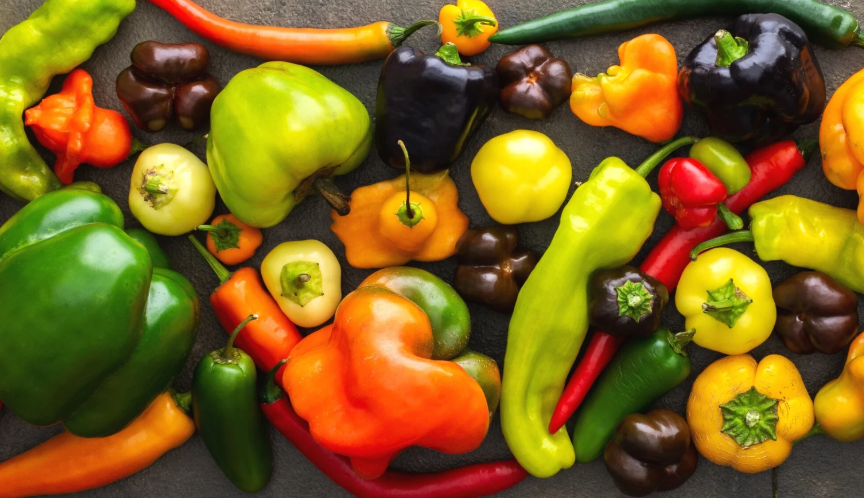
There are far more sweet peppers than the familiar green, red, yellow, and orange bell peppers found in grocery stores. Some varieties are blocky and thick-walled, while others are long and slender, heart-shaped, tapered, or slightly wrinkled. Their colors can include green, red, orange, yellow, purple, brown, cream, and even nearly black, depending on the variety and stage of ripeness.
Sweet peppers also differ in how they are used in the kitchen. Thick-walled bell peppers are excellent for stuffing, roasting, grilling, and salads, while elongated varieties such as Italian frying peppers are particularly good sautéed or roasted. Some small varieties are ideal for snacking because they have thin, crisp walls and few seeds. Growing several types together can therefore provide peppers for different culinary purposes throughout the season.
The 30 varieties below include some of the best-known sweet peppers as well as specialty cultivars worth trying in a vegetable garden. Their flavor, mature color, fruit size, shape, days to maturity, and growing habits can vary considerably. While many are naturally mild, exact characteristics can vary by seed strain and growing conditions, so checking the seed packet or breeder’s description is useful when selecting a particular variety.
Types of Sweet Peppers
1. California Wonder Pepper
California Wonder is one of the classic open-pollinated bell pepper varieties. It produces large, blocky fruits with thick walls and four prominent lobes.
The peppers are usually harvested green but can mature to a rich red if left on the plant longer. Fully ripe fruits tend to have a sweeter flavor than green ones.
Plants commonly reach around 24–30 inches tall under favorable conditions. The thick walls make California Wonder particularly useful for stuffing, grilling, roasting, and fresh salads.
It is also a popular choice for gardeners who want a reliable traditional bell pepper.
2. California Wonder 300
California Wonder 300 is a selected form of the classic California Wonder type.
It produces large, blocky bell peppers with thick walls and a crisp texture. Fruits typically start green and mature to red.
The plants appreciate warm weather, fertile soil, and consistent moisture.
Because the fruits have substantial walls, they are especially useful for cooking applications where peppers need to hold their shape.
3. Big Bertha Pepper
Big Bertha is known for producing exceptionally large sweet peppers.
The fruits are elongated compared with conventional bell peppers and can reach impressive lengths under good growing conditions.
They typically mature from green to red and have thick, juicy walls.
Big Bertha is particularly useful for slicing, grilling, stuffing, and roasting.
The large fruits also make the variety visually impressive in a vegetable garden.
4. Cubanelle Pepper
Cubanelle is a popular sweet frying pepper characterized by its long, tapered shape and relatively thin walls.
The fruits are usually pale green to yellow-green when immature and can develop orange-red coloration as they mature.
Cubanelle peppers are particularly popular in Caribbean, Cuban, Italian, and Mediterranean-style cooking.
They are excellent for frying, sautéing, roasting, and stuffing.
Although generally considered sweet, individual peppers can occasionally have a slight amount of heat.
5. Banana Pepper
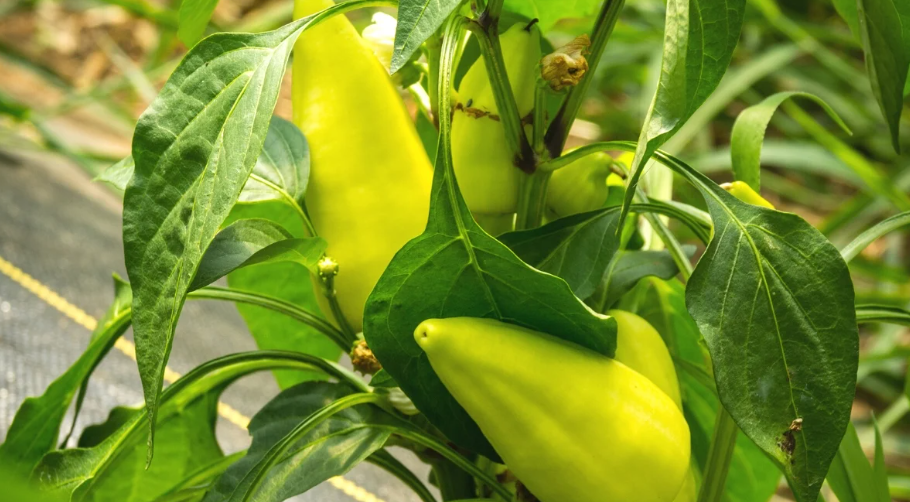
Sweet banana peppers are named for their distinctive elongated shape and yellow color.
The fruits are generally long, curved, and tapered toward the tip. As they mature, they may turn orange or red.
Sweet banana peppers have thin walls and a mild, slightly tangy flavor.
They are excellent for pickling, salads, sandwiches, pizza, and sautéing.
Gardeners should distinguish sweet banana varieties from hot banana peppers, as the latter can contain noticeable heat.
6. Gypsy Pepper
Gypsy is a popular hybrid sweet pepper known for its attractive color progression.
The fruits begin pale green or yellow-green and can mature through shades of orange and red.
They are typically elongated and tapered, with thin to medium-thick walls.
Gypsy peppers are especially good for fresh eating, frying, roasting, and salads.
Their relatively early maturity can make them appealing to gardeners who want sweet peppers before the main late-season harvest.
7. Jimmy Nardello Pepper
Jimmy Nardello is an heirloom Italian frying pepper with a fascinating history.
The variety was brought to the United States by the Nardello family from southern Italy in the late 19th century.
Its fruits are long, slender, and slightly curved. They mature from green to brilliant red.
The thin walls become wonderfully sweet when the peppers are fried or roasted.
Jimmy Nardello is particularly prized by gardeners who enjoy heirloom vegetables and traditional Italian cooking.
8. Shishito Pepper
Shishito is a small Japanese pepper usually harvested while green.
The fruits are slender, slightly wrinkled, and generally about 3–4 inches long.
Most shishito peppers are mild, although occasionally one can be noticeably hotter than the others.
They are commonly blistered or pan-fried whole and served as an appetizer or side dish.
Shishito plants are productive and can provide a large number of fruits from a relatively small planting.
9. Padrón Pepper
Padrón peppers originate from Spain and are traditionally harvested while green.
They are small, wrinkled, and slightly irregular in shape.
Most are mild, but some individual fruits can develop noticeable heat. This variable characteristic is part of their traditional culinary appeal.
Padrón peppers are usually cooked quickly in olive oil and finished with salt.
They are excellent for gardeners interested in growing unusual European pepper varieties.
10. Corno di Toro Pepper
Corno di Toro means “Horn of the Bull” in Italian, referring to the variety’s long, curved shape.
The fruits can reach approximately 8–12 inches long, depending on the cultivar and growing conditions.
They may mature to red, yellow, or orange.
Corno di Toro peppers have thin walls and a sweet, rich flavor, making them excellent for frying, roasting, grilling, and fresh eating.
11. Marconi Red Pepper
Marconi Red is a long Italian sweet pepper with impressive fruits.
The peppers can become 8–12 inches long and develop deep red coloration when fully ripe.
Their walls are thinner than those of many bell peppers, giving them a soft texture when cooked.
They are particularly delicious when grilled or roasted, where their natural sweetness becomes more pronounced.
12. Marconi Golden Pepper
Golden Marconi is the yellow counterpart of the popular Marconi type.
The fruits are long, tapered, and typically mature from green to golden yellow.
They have a sweet flavor and relatively thin walls.
Golden Marconi is excellent for grilling, roasting, frying, and adding bright color to salads and cooked dishes.
13. Carmen Pepper
Carmen is a classic Italian-style sweet pepper with an elongated, tapered shape.
The fruits are typically green when immature and mature to deep red.
They are known for their sweet flavor and relatively thin walls.
Carmen peppers are useful for roasting, frying, grilling, and fresh eating.
The plants can produce substantial yields when provided with plenty of sunlight and warm temperatures.
14. Corbaci Pepper
Corbaci is a Turkish heirloom known for its long, slender fruits.
The peppers often develop a distinctive twisted or curved appearance.
They mature from pale green to yellow-orange and eventually reddish tones.
Corbaci peppers have thin walls and a sweet flavor that makes them useful for frying, pickling, and fresh eating.
Their unusual shape also makes them an attractive conversation piece in the garden.
15. Sweet Chocolate Pepper
Sweet Chocolate is a distinctive bell pepper variety named for its dark brown coloration when ripe.
The fruits are relatively compact and blocky.
Although the color may look unusual, the flavor is sweet and mild.
The peppers can be eaten while green or allowed to mature fully for their characteristic chocolate-brown appearance.
They add an interesting color contrast to salads, roasted vegetable dishes, and stuffed-pepper recipes.
16. Purple Beauty Pepper
Purple Beauty is a striking sweet bell pepper that develops deep purple coloration.
The fruits are blocky and relatively thick-walled.
Depending on maturity and growing conditions, the peppers may transition between green and purple before eventually developing red tones if allowed to mature further.
Purple Beauty is particularly attractive in salads because of its unusual color.
It is also suitable for stuffing, grilling, and cooking.
17. Golden California Wonder
Golden California Wonder produces blocky bell peppers that mature to a beautiful golden-yellow color.
The fruits have thick walls and a crisp texture.
They are excellent for stuffing and roasting but can also be eaten raw.
Yellow peppers often have a sweeter flavor than green peppers because they have been allowed to mature further on the plant.
18. Orange Sun Pepper
Orange Sun is valued for its bright orange fruits and thick walls.
The peppers are generally blocky and large enough for stuffing.
Their sweet flavor makes them particularly good for fresh salads, roasting, grilling, and cooked dishes.
The orange color also adds visual interest to the vegetable garden.
19. Ace Pepper
Ace is an early sweet pepper variety that can be useful in regions with shorter growing seasons.
The fruits are typically blocky and begin green before turning red when mature.
One of its advantages is that it can produce usable peppers relatively early compared with some larger, later varieties.
Ace is suitable for fresh eating, cooking, stuffing, and preserving.
20. Sweet Banana Pepper
Sweet banana pepper is one of the most recognizable mild pepper types.
The fruits are generally 4–6 inches long and have a curved, banana-like shape.
They are commonly harvested yellow but can mature to orange or red.
Sweet banana peppers are excellent for pickling, sandwiches, salads, pizzas, and frying.
Their relatively thin walls also make them quick to cook.
21. Mini Bell Pepper
Mini bell peppers are small versions of traditional sweet bell peppers.
They are available in several colors, including red, orange, yellow, and sometimes purple.
Individual fruits may only be 2–3 inches long, making them convenient for snacking.
Their compact size and sweet flavor have made mini peppers particularly popular for lunchboxes, salads, appetizers, and fresh vegetable trays.
22. Lunchbox Pepper
Lunchbox peppers are small, sweet peppers bred primarily for fresh eating.
They are commonly available in red, orange, and yellow forms.
The fruits are usually elongated rather than blocky and have crisp, thin walls.
They are excellent for eating raw because their small size means they can be consumed with little preparation.
The plants can be highly productive during warm growing seasons.
23. Escamillo Pepper
Escamillo is an elongated Italian-style sweet pepper.
The fruits mature from green to golden yellow and can reach approximately 6–8 inches long.
They have thin walls and a sweet, mild flavor.
Escamillo is particularly useful for grilling, roasting, frying, and fresh eating.
Its bright yellow fruits also stand out beautifully against green foliage.
24. Jimmy Nardello’s Red Pepper
The famous Jimmy Nardello type deserves special attention because of its history and culinary reputation.
The variety was preserved by the Nardello family and eventually introduced to a wider audience through heirloom seed preservation.
The fruits are long, curved, and thin-walled.
When fully red, they become exceptionally sweet and aromatic, particularly when fried or roasted.
This is an excellent choice for gardeners who enjoy preserving historically important vegetable varieties.
25. Sweet Italian Pepper
Sweet Italian peppers encompass several elongated varieties traditionally used for frying.
They commonly have thin walls and fruits ranging from 6–10 inches long.
Depending on the variety, they may mature to red, yellow, orange, or other colors.
Their relatively thin flesh cooks quickly, making them excellent for sautéing and roasting.
26. Sheepnose Pimento
Sheepnose Pimento is an heirloom sweet pepper known for its unusual shape.
The fruits are generally short, rounded, and somewhat flattened.
They mature from green to red and have thick walls.
The variety is particularly useful for roasting, stuffing, and preserving.
Its distinctive appearance makes it an interesting alternative to standard bell peppers.
27. Pimento Pepper
Pimento peppers are small, heart-shaped or rounded sweet peppers that mature to bright red.
They are traditionally associated with pimento cheese, stuffed olives, and preserved pepper products.
Their thick flesh and sweet flavor make them excellent for roasting and processing.
Pimento peppers are generally much milder than hot pepper varieties despite their vivid red color.
28. Topepo Rosso Pepper
Topepo Rosso is an Italian sweet pepper with a rounded, flattened appearance.
The fruits mature to a vibrant red and have thick walls.
Their compact shape makes them useful for stuffing.
They also work well roasted, grilled, or eaten fresh.
Topepo Rosso is particularly appealing to gardeners who want something different from conventional block-shaped bell peppers.
29. Corno Giallo Pepper
Corno Giallo is a yellow Italian pepper with a long, curved form.
The name translates roughly to “yellow horn,” describing the fruit’s appearance.
The peppers have thin walls and a sweet flavor.
They are particularly good for frying and roasting, where the flesh becomes tender and flavorful.
The long yellow fruits also make the plant highly ornamental during the harvest season.
30. Sweet Pickle Pepper
Sweet Pickle peppers are generally small, colorful peppers grown primarily for fresh eating and pickling.
Depending on the cultivar, fruits may mature through shades of green, yellow, orange, and red.
Their compact size makes them convenient for jars and preserves.
They can also be eaten fresh or added to salads, sandwiches, and appetizers.
31. Carmen Italian Sweet Pepper
Carmen is a popular Italian-style sweet pepper recognized for its long, tapered fruits and excellent sweetness. The peppers are usually green when immature and gradually turn a deep red as they ripen.
The fruits commonly reach 6–8 inches long and have relatively thick walls compared with many traditional frying peppers. Their elongated shape makes them particularly easy to slice into strips for grilling, roasting, or sautéing.
Carmen is also a useful variety for gardeners who want a sweet pepper that can be harvested at different stages. Green fruits have a fresher, slightly vegetal flavor, while fully red peppers become noticeably sweeter.
The plants perform best in full sun, fertile soil, and consistently warm temperatures.
32. Shishito Sweet Pepper
Shishito is a small Japanese pepper that has become increasingly popular among home gardeners and cooks.
The fruits are usually 2–4 inches long, narrow, slightly wrinkled, and often curved. They are generally harvested while green.
Most Shishito peppers are mild, although an occasional fruit can have noticeable heat. This variability is one of the characteristics associated with the traditional pepper.
Shishitos are usually cooked whole. A quick blistering in a hot pan or on a grill gives them a lightly charred exterior while keeping the interior tender.
Because plants can produce dozens of fruits during a productive season, Shishito is an excellent choice for gardeners who want a high-yielding specialty pepper.
33. Padrón Sweet Pepper
Padrón peppers originate from Galicia in northwestern Spain and are traditionally harvested while they are small and green.
The fruits are generally 2–4 inches long and have a slightly wrinkled, irregular appearance.
Most fruits are mild, but some can develop heat, particularly as they mature. Traditionally, Padrón peppers are quickly fried in olive oil and sprinkled with salt.
The plants need plenty of warmth and sunlight to produce a good crop.
For gardeners interested in European vegetables, Padrón is an especially interesting addition to the vegetable garden.
34. Jimmy Nardello Pepper
Jimmy Nardello is one of the most highly regarded heirloom sweet peppers.
The variety has Italian origins and was brought to the United States by the Nardello family. It produces long, slender fruits that can reach approximately 8–10 inches long.
The peppers start green and mature to brilliant red.
Their thin walls and intensely sweet flavor make them particularly suitable for frying. Roasting also brings out their natural sweetness.
Jimmy Nardello is an excellent choice for gardeners who appreciate heirloom vegetables with a documented history.
35. Corno di Toro Rosso
Corno di Toro Rosso is an Italian sweet pepper characterized by its long, curved, horn-shaped fruits.
The name means “red horn of the bull,” referring to both the color and shape of the mature pepper.
The fruits can reach around 8–12 inches long and develop a rich red color when fully mature.
The walls are relatively thin, allowing the peppers to cook quickly.
They are excellent when fried, grilled, roasted, or incorporated into sauces and vegetable dishes.
The plants need a long, warm growing season to reach their full potential.
36. Golden Marconi Pepper
Golden Marconi is a long Italian sweet pepper prized for its bright golden-yellow color.
The fruits are generally 8–12 inches long, with a gently tapered shape.
They begin green and gradually develop a yellow-gold color as they mature. At full maturity, the flavor becomes particularly sweet and fruity.
Golden Marconi is excellent for roasting and grilling, but it can also be eaten raw.
Its large size and bright color make it an attractive choice for vegetable gardens where appearance is important.
37. Sweet Chocolate Pepper
Sweet Chocolate is a distinctive sweet pepper named for the dark brown color its fruits develop as they mature.
The peppers are generally blocky and relatively thick-walled, making them similar in structure to traditional bell peppers.
The fruits begin green and gradually develop a chocolate-brown exterior.
Despite its unusual appearance, the pepper has a sweet, mild flavor.
Sweet Chocolate peppers can be eaten raw, roasted, grilled, or stuffed. Their dark color also provides an interesting contrast when mixed with red, yellow, and orange peppers.
38. Purple Beauty Pepper
Purple Beauty is one of the most visually striking sweet bell peppers.
The fruits are blocky, thick-walled, and typically develop a deep purple exterior while they are immature. If allowed to remain on the plant, they can eventually transition toward red as they reach full maturity.
The peppers are generally mild and crisp.
Purple Beauty is especially useful for fresh salads because the purple skin provides a dramatic contrast with green lettuce and other vegetables.
It can also be grilled, roasted, stuffed, or used in cooked dishes.
39. Lunchbox Sweet Pepper
Lunchbox peppers are small sweet peppers developed primarily for fresh eating.
They are commonly available in red, orange, and yellow forms and are usually harvested when fully colored.
The fruits are generally small enough to eat whole or with very little preparation.
Their thin walls and crisp texture make them excellent for snacking, salads, lunchboxes, vegetable trays, and appetizers.
Because the plants can produce numerous small fruits, Lunchbox peppers are particularly useful for families who prefer small snack-sized vegetables instead of large peppers.
They also work well in containers when given adequate sunlight and sufficient root space.
40. Sweet Banana Pepper
Sweet Banana is one of the most recognizable mild pepper varieties.
The fruits are typically long, narrow, and curved, with a shape that resembles a banana. They are usually harvested when yellow but can mature to orange or red if left on the plant.
Individual peppers commonly reach approximately 4–6 inches long.
Sweet Banana peppers have thin walls and a mild, slightly tangy flavor. They are particularly popular for pickling, although they can also be fried, grilled, sliced into salads, or added to sandwiches and pizza.
Gardeners should make sure they purchase a sweet banana cultivar, since hot banana peppers have a similar appearance but can contain significantly more heat.
How Sweet Peppers Differ From Hot Peppers
The primary difference between sweet and hot peppers is the amount of capsaicin they contain.
Sweet peppers contain little or essentially no capsaicin, which is why they lack the burning sensation associated with chili peppers.
Bell peppers are the best-known example. They can be harvested green or allowed to mature to colors such as red, yellow, and orange.
Some specialty peppers traditionally classified as sweet can occasionally show mild variation in heat, particularly under certain growing conditions. For this reason, gardeners should check the characteristics of the specific cultivar they are planting.
Choosing the Best Sweet Pepper for Your Garden
The best variety depends largely on how you intend to use the harvest.
For stuffing, thick-walled varieties such as California Wonder, Purple Beauty, Golden California Wonder, and Pimento are excellent choices.
For frying, consider Jimmy Nardello, Cubanelle, Carmen, Marconi, or Corno di Toro.
For fresh snacking, mini bell peppers and Lunchbox peppers are particularly convenient.
For pickling, banana peppers and small sweet pickling varieties work especially well.
If your primary goal is unusual color, Purple Beauty, Sweet Chocolate, Orange Sun, and Golden California Wonder can add considerable diversity to the garden.
Growing Sweet Peppers
Sweet peppers are warm-season plants that perform best when temperatures remain consistently warm.
They generally require 6–8 hours of direct sunlight each day and fertile, well-drained soil.
Starting seeds indoors several weeks before the last expected frost can give gardeners a head start in regions with shorter growing seasons. Young plants should be transplanted outdoors only after the danger of frost has passed and the soil has warmed.
Consistent watering is particularly important during flowering and fruit development. Uneven moisture can contribute to problems such as blossom-end rot and poor fruit development.
A layer of organic mulch around the plants can help conserve moisture and moderate soil temperature.
When to Harvest Sweet Peppers
Sweet peppers can often be harvested at different stages.
Green peppers are usually less mature and tend to have a more vegetal flavor.
As fruits remain on the plant, many varieties gradually develop their mature colors, including red, orange, yellow, brown, or purple.
Fully mature peppers generally take longer to develop but often have a sweeter, more complex flavor.
Use clean pruning shears or scissors to harvest peppers rather than pulling forcefully on the fruit, which can damage branches.
Sweet Peppers in the Garden
Traditional bell peppers provide thick, crisp fruits for stuffing and salads, while Italian and Spanish varieties offer long, flavorful peppers for frying and roasting. Smaller types provide convenient snacks, and colorful cultivars can make the vegetable garden surprisingly ornamental.
Growing several varieties also allows you to compare shape, color, sweetness, texture, productivity, and harvest time in your own garden. For many gardeners, that variety is one of the most enjoyable aspects of growing sweet peppers.