Types of sassafras trees start from a genuinely small foundation, since the true genus Sassafras contains only 3 recognized species anywhere in the world. That scarcity is exactly why so many unrelated aromatic trees around the globe have picked up “sassafras” as part of their common name over the centuries, simply because their crushed leaves, bark, or wood release a scent reminiscent of true sassafras, even when the plants themselves belong to an entirely different family.
According to horticultural reference site Trees and Shrubs Online, that naming pattern has produced a long list of plants sharing the sassafras name purely on the basis of scent, including species from Australia, South America, and California that share no close family relationship with the true genus at all. This list covers all 3 true Sassafras species first, followed by 5 of the most widely recognized plants that carry the sassafras name without belonging to the actual genus, clearly noted as such throughout.
What follows covers 8 types of sassafras trees, along with where each one grows and the data behind its aromatic reputation.
Sassafras albidum
Sassafras albidum, also called American or common sassafras, is the true species most people picture when they hear the name, producing distinctively mitten-shaped, 2-lobed, and unlobed leaves all on the same tree. Its aromatic roots and bark were historically used to flavor root beer and traditional tea before safety concerns over safrole, a compound found throughout the plant, curtailed that commercial use.
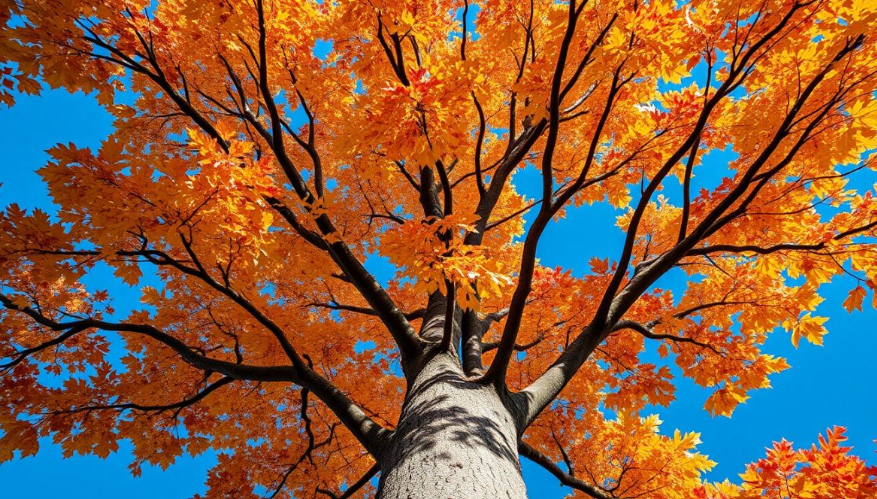
It grows throughout the eastern United States, historically valued for its brilliant orange, red, and yellow fall color, among the most vivid of any native tree. It belongs to the laurel family, the same family that also produces true cinnamon, bay leaves, and avocado.
Sassafras tzumu
Sassafras tzumu, also called Chinese sassafras, produces larger leaves than its American relative, typically unlobed or only shallowly 3-lobed rather than showing the dramatic mitten-shaped variation found on American sassafras. Its wood has traditionally been valued in China for furniture and construction.
It grows throughout central and southern China, favoring mixed forest habitats at moderate elevation. It’s considerably less studied and less commercially significant than its North American relative, remaining largely a regional timber and shade tree.
Sassafras randaiense
Sassafras randaiense, also called Taiwanese sassafras, is the least widely known of the 3 true sassafras species, restricted to a considerably smaller native range than either its Chinese or American relatives. Its leaves and overall growth habit closely resemble Chinese sassafras, and some botanists have debated whether it deserves status as a fully distinct species or a regional variant.
It grows only on the island of Taiwan, typically found in mountain forest habitat. Its limited range and relative obscurity mean it’s rarely, if ever, cultivated outside its native island.
Doryphora sassafras
Doryphora sassafras, commonly called yellow sassafras or golden sassafras despite having no close relation to true Sassafras, belongs instead to the Atherospermataceae family, a separate lineage of Southern Hemisphere aromatic trees. Its species name was chosen specifically because its crushed leaves produce an odor similar to North American sassafras, and an essential oil containing safrole is distilled from its leaves and bark for use in perfumery.
It grows in temperate rainforest across eastern Australia, from southern Queensland through eastern New South Wales, favoring rich basalt and sedimentary soils at higher elevations. Its fragrant, pale yellow wood has traditionally been used in flooring, turnery, and cabinet work.
Doryphora aromatica
Doryphora aromatica, also called northern sassafras or grey sassafras, is the second and only other species in the small genus Doryphora, distinguished from its relative Doryphora sassafras by its distribution and a strong odor its crushed leaves release that’s often compared to sarsaparilla rather than true sassafras. Both Doryphora species belong to the same Southern Hemisphere Atherospermataceae family, entirely unrelated to true Sassafras despite the shared common name.
It grows in rainforest habitat throughout northeastern Queensland, Australia, typically as a substantial tree reaching well over 100 feet in favorable conditions. Its leaves contain numerous small, visible oil glands responsible for its distinctive aromatic scent.
Atherosperma moschatum
Atherosperma moschatum, commonly called black sassafras or southern sassafras, produces aromatic bark and leaves that gave the species its common name despite belonging to yet another genus entirely within the same Atherospermataceae family as the Doryphora species. Its dark, richly figured timber has been prized by furniture makers and instrument builders throughout its native range.
It grows in cool temperate rainforest throughout Tasmania and parts of southeastern mainland Australia, often found growing alongside the Doryphora species that share its aromatic reputation. Its slow growth rate and long lifespan have made old-growth specimens a significant conservation concern in areas affected by logging.
Ocotea odorifera
Ocotea odorifera, commonly called Brazilian sassafras, is genuinely a member of the same broader laurel family as true Sassafras, unlike the unrelated Australian species on this list, though it belongs to an entirely different genus. Its wood and bark were historically a major commercial source of natural safrole oil, leading to significant overharvesting of wild populations throughout its native range.
It grows in Atlantic Forest habitat throughout southeastern Brazil, and its aggressive historical harvesting for oil production has made it an endangered species in much of that native range today. Its population decline has drawn increasing conservation attention in recent decades.
Umbellularia californica
Umbellularia californica, sometimes called California sassafras alongside its more common names of California bay laurel and Oregon myrtle, produces intensely aromatic leaves that release a sharp, pungent scent when crushed, strong enough to cause a headache in sensitive individuals if inhaled directly and repeatedly. Its aromatic reputation, rather than any close family relationship, is what earned it the occasional sassafras name.
It grows throughout California and southern Oregon, favoring moist canyons and coastal forest habitat. Its hard, richly grained wood, marketed commercially as Oregon myrtlewood, is prized for bowls, furniture, and other fine woodworking projects.
Things to Remember
Sassafras trees can be recognized by their unusual leaves, which may appear in three different shapes on the same tree: oval and unlobed, mitten-shaped with two lobes, or three-lobed. The leaves are arranged alternately and have smooth edges, making their varied shapes one of the most useful identification features.
It is also helpful to look at the bark, twigs, flowers, and fruits when identifying sassafras. Mature trees develop reddish-brown, deeply furrowed bark, while the small flowers are greenish-yellow. Female trees can produce blue-black fruits carried on bright red stalks.
When comparing types of sassafras, remember that the name can refer to different species within the genus, but the common sassafras found in eastern North America is Sassafras albidum. For accurate identification, compare several features rather than relying on leaf shape alone, and use clear photographs of the leaves, bark, flowers, and fruits when checking a reliable tree guide.