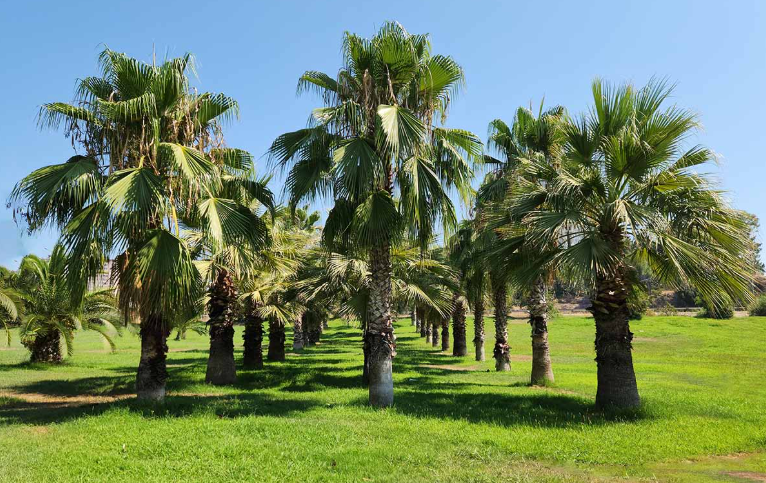
Types of palm trees in California span a considerably wider range than most people assume, since the state is only naturally home to a single native species. Calscape, the California Native Plant Society’s plant database, says that the California fan palm is the only palm native to the western United States and the country’s largest native palm, forming a keystone species around desert springs and oases that supports wildlife including the western yellow bat, the hooded oriole, and the palm flower moth.
The California fan palm typically grows to 59 feet tall, reaching as much as 82 feet under ideal conditions, with a natural longevity spanning 80 to 250 years and cold hardiness down to 18 degrees Fahrenheit. Every other palm now commonly seen throughout California’s cities and gardens, from the Canary Island date palm to the Mexican fan palm, was introduced from somewhere else entirely.
That introduction history isn’t always harmless, either. According to the California Invasive Plant Council, Mexican fan palm, despite remaining one of the most commonly planted ornamental palms in the state, has become genuinely invasive in California’s riparian areas, hybridizing with the native California fan palm and forming dense monospecific stands whose dead fronds create a significant wildfire hazard.
What follows covers 30 types of palm trees in California, along with where each one grows and the data behind its use in the state.
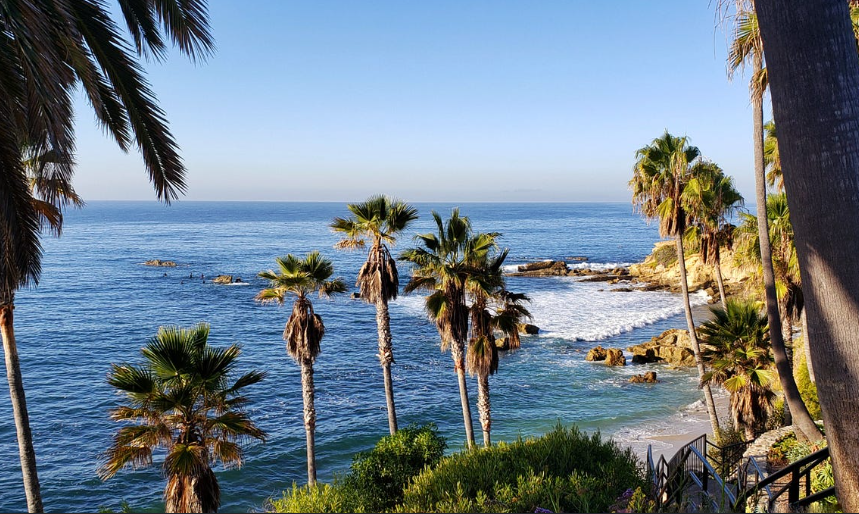
California Fan Palm
California fan palm, the only palm species native to the western United States, produces large, fan-shaped leaves and massive sprays of creamy white flowers reaching up to 15 feet long each summer, followed by clusters of small, pea-sized black fruit. Its thick, columnar trunk and remarkable longevity of 80 to 250 years have made it an iconic feature of Southern California’s desert oases.
It grows naturally around desert springs and seeps in the Colorado Desert region, and it’s also widely planted as a landscape tree throughout much of the rest of the state.
Mexican Fan Palm
Mexican fan palm produces a notably slender trunk topped with a compact head of bright green fronds, distinguished from the native California fan palm by its more reddish-brown rather than gray trunk color. According to the California Invasive Plant Council, it has become invasive in riparian areas, orchards, and landscaped areas throughout the state, readily hybridizing with its native relative wherever the 2 species grow near one another.
It’s found throughout the San Francisco Bay Area, the southern Sacramento Valley, and California’s south coast, remaining one of the most commonly planted street palms in the state despite its documented invasive behavior.
Canary Island Date Palm
Canary Island date palm produces a massive, thick trunk topped with a dense crown of long, feathery, arching fronds, among the most substantial and visually imposing ornamental palms grown in California. Its considerable drought tolerance once established has made it a popular choice for large-scale landscaping throughout the state.
It grows throughout much of coastal and inland California, commonly planted along boulevards and in large estate landscapes where its dramatic mature size can be fully appreciated.
Date Palm
Date palm, the same species cultivated commercially for edible dates, produces tall, slender trunks topped with feathery gray-green fronds, extensively grown in California’s Coachella Valley for commercial fruit production. Its cultivation there represents one of the most significant commercial date-growing regions anywhere in the United States.
It grows throughout the desert regions of Southern California, particularly around Indio and the broader Coachella Valley.
Queen Palm
Queen palm produces a smooth, slender trunk topped with a graceful, feathery crown of arching fronds, among the faster-growing ornamental palms commonly planted throughout California’s milder coastal and inland regions. Its relatively rapid growth rate has made it a popular choice for homeowners wanting quicker mature height than many other palm species offer.
It grows throughout Southern California and milder parts of the central coast, tolerating a range of soil conditions in frost-free or lightly frost-prone locations.
King Palm
King palm produces a smooth, ringed trunk and a dense, dark green crown of feathery fronds, valued for its relatively fast growth and tidy, self-cleaning habit that drops old fronds naturally rather than requiring regular pruning. Its lush, tropical appearance has made it a popular choice for Southern California landscaping.
It grows throughout the milder coastal regions of Southern California, requiring more consistent moisture than many of the state’s more drought-tolerant palm species.
Windmill Palm
Windmill palm, and according to horticultural reporting on California palm varieties, is the cold-hardiest palm in cultivation, tolerating coastal salt spray and urban pollution while surviving temperatures that would kill most other ornamental palm species. Its compact size and distinctive fibrous, hairy trunk make it well suited to smaller garden spaces.
It grows throughout much of California, including cooler inland and northern regions where more tender palm species can’t reliably survive winter.
Mediterranean Fan Palm
Mediterranean fan palm, also called European fan palm, produces a naturally multi-trunked, shrubby growth habit topped with stiff, fan-shaped fronds, among the more cold-hardy and compact palm species grown in the state. Its manageable mature size makes it a practical choice for smaller residential landscapes.
It grows throughout much of California, tolerating both coastal and inland conditions better than many of the more tropical ornamental palm species.
Pygmy Date Palm
Pygmy date palm produces a slender, solitary trunk topped with fine, arching, feathery fronds, reaching a considerably smaller mature size than the standard date palm it’s related to. Its diminutive scale has made it a popular choice for containers and smaller garden beds throughout the state.
It grows throughout the milder regions of Southern California, generally requiring protection from any hard frost given its more tropical origin.
Guadalupe Palm
Guadalupe palm produces a stout trunk topped with a dense, rounded crown of fan-shaped fronds, native to Mexico’s Guadalupe Island and valued in California landscaping for its notable drought tolerance once established. Its naturally compact, tidy growth habit requires minimal maintenance compared to many other ornamental palm species.
It grows throughout much of coastal and inland California, tolerating both heat and cold better than many other Brahea relatives.
Mexican Blue Palm
Mexican blue palm produces striking, powdery blue-gray fan-shaped fronds on a stout trunk, among the most visually distinctive palm species grown in California specifically for its unusual foliage color. Its dramatic silver-blue appearance has made it a favorite specimen tree in xeriscape and desert-themed landscaping.
It grows throughout much of Southern California and inland desert regions, tolerating drought and heat exceptionally well once established.
Kentia Palm
Kentia palm produces elegant, dark green, arching fronds on a slender trunk, prized both as an outdoor landscape palm in mild coastal California and as one of the most popular indoor container palms grown anywhere. Its tolerance for lower light conditions has made it a particularly versatile choice for both interior and shaded outdoor settings.
It grows throughout the mildest coastal regions of California, and as a container plant, it’s grown indoors throughout the rest of the state regardless of outdoor climate.
Bismarck Palm
Bismarck palm produces enormous, stiff, silvery-blue fan-shaped fronds on a substantial trunk, among the most dramatic and visually striking large-scale ornamental palms grown in California’s warmest regions. Its considerable mature size and bold silver coloring make it a genuine specimen tree focal point.
It grows throughout the warmest parts of Southern California, requiring more heat and less frost exposure than many of the state’s other commonly planted ornamental palms.
Chinese Fan Palm
Chinese fan palm produces broad, drooping, fan-shaped fronds with distinctively weeping segment tips, giving the tree a softer, more graceful silhouette than many stiffer-fronded fan palm relatives. Its tolerance for a range of light conditions has made it a popular choice for both sunny and partially shaded landscape settings.
It grows throughout much of coastal and inland California, tolerating cooler conditions somewhat better than several other fan palm species commonly grown in the state.
Sabal Palm
Sabal palm, more commonly associated with the southeastern United States, produces a sturdy trunk topped with broad, fan-shaped fronds and has also found use in California landscaping given its reasonable cold tolerance. Its slow, steady growth rate makes it a long-term investment rather than a quick landscaping solution.
It grows in scattered plantings throughout Southern California, valued for its rugged durability once established despite originating from a considerably more humid native climate.
Triangle Palm
Triangle palm produces fronds arranged in a distinctive 3-sided pattern radiating from the trunk, an unusual growth habit that gives the species its common name and makes it instantly recognizable in a landscape. Its striking silhouette has made it a popular specimen tree in Southern California’s warmest, most frost-free gardens.
It grows throughout the mildest coastal and inland regions of Southern California, requiring protection from frost given its tropical Madagascar origin.
Foxtail Palm
Foxtail palm produces dense, bushy, foxtail-shaped fronds on a smooth, ringed trunk, a relatively fast-growing species that’s become increasingly popular in California’s warmest landscaping regions in recent decades. Its lush, full frond display sets it apart from the sparser crown typical of many other feather palm species.
It grows throughout the mildest, most frost-free parts of Southern California, requiring considerably more warmth than many of the state’s hardier palm options.
Pindo Palm
Pindo palm, also called jelly palm, produces feathery, arching, blue-green fronds and clusters of edible, apricot-flavored fruit traditionally made into jelly. Its excellent cold tolerance relative to most feather palms has made it a practical choice for California gardens slightly too cool for more tender tropical species.
It grows throughout much of California, tolerating cooler conditions better than many other fruit-bearing ornamental palm species.
Senegal Date Palm
Senegal date palm produces a distinctive, naturally clumping, multi-trunked growth habit topped with fine, arching fronds, offering a considerably different silhouette than the single-trunked form typical of most other date palm relatives. Its clustered form has made it a popular choice for creating a lush, full landscape appearance from a single planting.
It grows throughout the milder regions of Southern California, requiring protection from significant frost given its African tropical origin.
Silver Date Palm
Silver date palm produces fine, silvery-gray, feathery fronds on a slender trunk, offering a softer color and texture than the more common Canary Island date palm it’s sometimes confused with. Its more delicate overall appearance has made it a popular choice where a lighter, less imposing palm silhouette is desired.
It grows throughout Southern California’s milder regions, tolerating heat well but requiring protection from hard freezes.
Chilean Wine Palm
Chilean wine palm produces a massive, smooth, gray trunk considerably thicker than most other palm species grown in California, capped with a dense crown of feathery fronds. Its small, sweet, coconut-like nuts, called coquitos, are edible once cracked open, and its slow growth rate means a truly mature specimen represents many decades of accumulated growth.
It grows in specialty landscape plantings throughout the mildest, most frost-tolerant parts of coastal California.
Areca Palm
Areca palm produces clusters of slender, cane-like stems topped with feathery, arching fronds, most commonly grown in California as a container and indoor plant given its limited outdoor cold tolerance. Its dense, clumping growth habit provides a lush, tropical appearance even in a relatively modest container size.
It’s grown as an outdoor landscape plant only in the mildest coastal microclimates of Southern California, and as an indoor container plant throughout the rest of the state.
Lady Palm
Lady palm produces slender, bamboo-like, clustered stems topped with fan-shaped, deeply divided fronds, among the more shade-tolerant palm species available to California gardeners. Its compact size and tolerance for lower light have made it a popular choice for shaded courtyards and interior plantings alike.
It grows throughout milder coastal regions of California as an outdoor shade garden plant, and as a durable indoor container plant statewide.
Solitaire Palm
Solitaire palm produces a single, smooth, ringed trunk topped with an elegant crown of feathery fronds, valued in California’s warmest landscapes for its tidy, self-cleaning growth habit that requires minimal pruning maintenance. Its refined, uncluttered silhouette has made it a popular choice for modern landscape design.
It grows throughout the mildest, most frost-free parts of Southern California, requiring considerably more consistent warmth than many hardier palm alternatives.
Bottle Palm
Bottle palm produces a genuinely distinctive, swollen, bottle-shaped trunk topped with a modest crown of stiff fronds, among the more novelty-focused ornamental palms grown in California’s warmest specialty gardens. Its unusual trunk shape makes it instantly recognizable and a frequent conversation piece in the landscapes where it’s grown.
It grows only in the mildest, most consistently frost-free microclimates of Southern California, given its considerable sensitivity to cold.
Spindle Palm
Spindle palm, a close relative of bottle palm, produces a similarly swollen but more gradually tapered, spindle-shaped trunk, sharing its relative’s considerable cold sensitivity and specialty landscape use. Its unusual trunk form provides the same kind of sculptural visual interest as its bottle-shaped relative.
It grows only in the warmest, most frost-protected parts of Southern California, requiring careful microclimate selection to survive long-term.
Fishtail Palm
Fishtail palm produces distinctive, jagged, fish-tail-shaped leaflets unlike the smooth fan or feather fronds typical of most other palm species, giving the tree a genuinely unusual textural appearance. Its clustering growth habit allows a single planting to eventually fill out into a substantial multi-stemmed specimen.
It grows only in the mildest, most frost-free coastal microclimates of Southern California, given its considerable cold sensitivity.
Christmas Palm
Christmas palm produces a slender, ringed trunk and a neat, compact crown of feathery fronds, taking its common name from the clusters of bright red fruit that ripen around the winter holiday season in frost-free climates. Its manageable, tidy size has made it a popular choice for smaller residential landscapes in the state’s warmest regions.
It grows only in the warmest, most consistently frost-free parts of Southern California.
Old Man Palm
Old man palm produces a distinctive trunk densely covered in long, shaggy, silvery-white fibers, giving the tree its evocative common name and making it one of the more visually unusual specialty palms grown in California. Its slow growth rate and striking appearance have made it a prized specimen among serious palm collectors in the state.
It grows only in the mildest, most protected microclimates of coastal Southern California, given its slow growth and considerable cold sensitivity.
Sago Palm
Sago palm, despite its common name and palm-like appearance, is actually a cycad rather than a true palm, belonging to an entirely different and far more ancient plant lineage. Its stiff, dark green, feathery fronds and slow, sculptural growth habit have nonetheless made it one of the most widely planted palm-like landscape plants throughout the state.
It grows throughout much of California, tolerating both coastal and inland conditions with considerably more cold hardiness than most true tropical palm species on this list.
Conclusion
California is home to a diverse selection of palm trees, from familiar landscape palms to species suited to particular coastal, desert, and inland conditions. Their differences in height, trunk shape, fronds, growth rate, and environmental tolerance make each type suitable for different settings.
Choosing a palm tree for a California landscape depends on factors such as climate, available space, soil, water requirements, and exposure to wind or cold. Understanding these characteristics can make it easier to select a species that is well suited to the conditions of a particular location.
With appropriate planting and care, many palm trees can provide long-lasting structure and visual interest in California landscapes. Learning how to recognize the different types also makes it easier to appreciate the variety of palms found throughout the state.