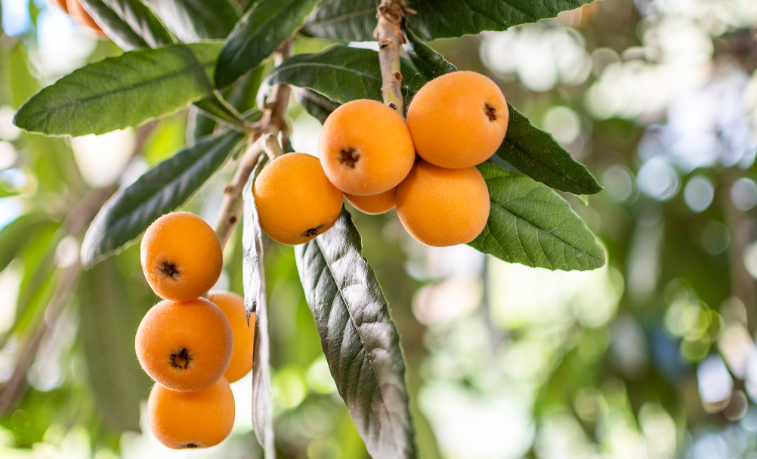
Loquats are evergreen fruit trees native to the cool hill regions of south-central China, where they have been cultivated for over 1,000 years before spreading across Japan, the Mediterranean, South America, and other subtropical regions worldwide. They belong to the rose family alongside apples, pears, and plums, and produce clusters of small, pear-shaped to oval fruits with smooth or slightly downy golden-yellow to orange skin enclosing juicy, sweet-tart flesh around two to five large, glossy brown seeds. With over 800 named cultivars documented globally, loquats represent one of the most diverse and extensively developed subtropical fruit crops in existence.
Loquat trees are moderate to large in size, typically reaching 15 to 30 feet in height in their natural form outdoors, though most cultivated orchard and garden trees are maintained at 8 to 15 feet through pruning for easier harvesting. They are hardy in USDA zones 8 to 11, tolerating brief temperature dips to around 12°F in established trees, though flowers and developing fruits are damaged at temperatures below 27°F. The trees are one of the very few fruit trees that flower in autumn and winter — typically between October and February in the Northern Hemisphere — and ripen their fruit in late winter to early spring, filling a seasonal gap when very few other fresh fruits are available.
Individual loquat fruits are small by commercial fruit standards, typically measuring 1 to 2.5 inches in length and weighing 0.5 to 2 ounces depending on the variety, though some improved cultivars produce fruits up to 3 inches long. The flesh color ranges from white and pale cream through yellow to deep orange, and the flavor ranges from mild and honeyed in the sweetest white-fleshed varieties to pleasantly tangy and richly complex in the best orange-fleshed types. Loquats are highly perishable after harvest, with a shelf life of only 1 to 2 weeks under refrigeration, which is the primary reason they remain largely unknown to consumers in regions far from where they are grown.
Nutritionally, loquats are a valuable fruit, rich in vitamin A, vitamin C, potassium, dietary fiber, and a range of antioxidant compounds including carotenoids that give the orange-fleshed varieties their vivid color. They are eaten fresh, made into jams, jellies, and preserves, fermented into wine and liqueur, and cooked in pies, tarts, and savory sauces across Chinese, Japanese, Mediterranean, and Latin American culinary traditions. The leaves, seeds, and bark of the loquat tree have also been used extensively in traditional Chinese and Japanese herbal medicine for centuries, with loquat leaf preparations still widely sold as herbal remedies for respiratory conditions across East Asia today.
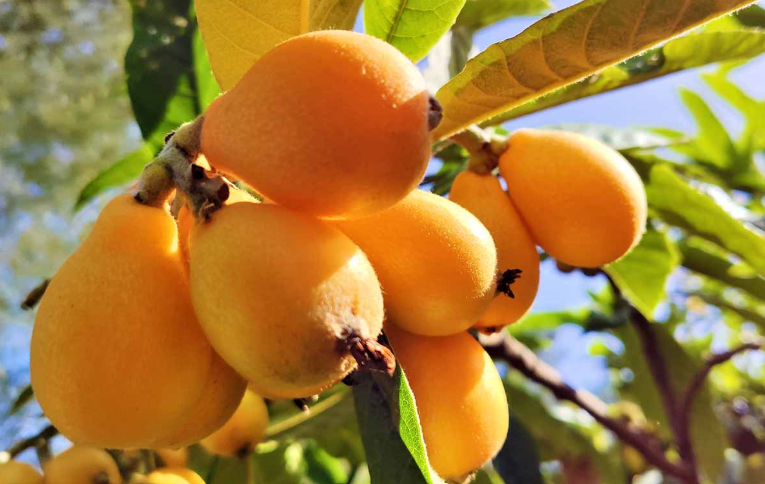
Varieties of Loquats
1. Big Jim
Big Jim is the most widely grown loquat variety in California and one of the most popular in the United States overall, producing some of the largest fruits of any loquat cultivar, with individual fruits reaching 2 to 3 inches in length and weighing up to 2 ounces or more. The pale yellow to orange flesh is juicy, sweet, and mildly flavored with low acidity, making it one of the most approachable and universally appealing loquat varieties for fresh eating. It is a vigorous, productive tree reaching 15 to 20 feet unpruned and is widely available from nurseries across California, Florida, and the Gulf Coast states.
2. Advance
Advance is one of the most popular loquat varieties in Florida and across the southeastern United States, producing medium to large, round to oval, yellow-orange fruits with pale cream to white flesh that is exceptionally sweet, juicy, and low in acidity. It is an early-ripening variety, producing fruit from late winter to early spring, and the tree is vigorous and productive with good heat tolerance suited to the warm, humid conditions of the Deep South. The outstanding sweetness of the flesh makes it one of the finest fresh-eating loquat varieties available to American home growers.
3. Champagne
Champagne is one of the most celebrated and widely grown loquat varieties in the world, particularly popular in California, Australia, Israel, and parts of Europe, producing medium to large fruits with pale, creamy white to pale yellow flesh of exceptional sweetness and a delicate, almost honeyed flavor with very low acidity. Fruits measure 1.5 to 2.5 inches in length and the tree is moderately vigorous, reaching 12 to 18 feet, with reliable, consistent annual cropping. The outstanding flavor quality and attractive pale flesh color make Champagne the benchmark white-fleshed loquat against which most other varieties are measured.
4. Early Red
Early Red is a popular Japanese loquat variety that is one of the earliest to ripen, producing medium-sized, round to oval fruits with distinctive orange-red flushed skin and sweet, juicy, orange to pale orange flesh with a pleasant, mildly tangy flavor. The early ripening habit — often producing fruit six to eight weeks ahead of mid-season varieties — makes it extremely valuable for extending the loquat season and for commercial growers seeking early market fruit. The tree is moderately vigorous and productive and performs well across a wide range of subtropical growing conditions.
5. Mogi
Mogi is one of Japan’s most historically important and widely grown loquat varieties, originating in the Mogi region of Nagasaki Prefecture where loquat cultivation has been centered for centuries, and producing medium-sized, pear-shaped fruits with pale yellow skin and white to pale cream flesh of excellent sweetness and delicacy. Fruits measure around 1.5 to 2 inches in length and the tree is moderate in vigor with reliable annual cropping under Japanese growing conditions. Mogi loquats hold a protected geographical indication status in Japan and are considered among the finest quality loquats produced anywhere in the world.
6. Tanaka
Tanaka is one of the most widely grown and commercially important loquat varieties across Asia, Australia, the Mediterranean, and South America, producing large, pear-shaped, orange-skinned fruits with firm, orange-fleshed, juicy, pleasantly sweet and slightly tangy flesh that travels and stores significantly better than most white-fleshed varieties. Fruits measure 2 to 2.5 inches in length and the tree is vigorous, reaching 15 to 25 feet, with consistently heavy annual crops. Its combination of large fruit size, good flavor, excellent keeping quality, and wide adaptability to different climates has made it one of the most important loquat varieties in international commercial fruit production.
7. Wolfe
Wolfe is a popular American loquat variety producing medium to large, round, orange-skinned fruits with orange flesh that is juicy, sweet, and pleasantly flavored with a good balance of sweetness and mild acidity. The tree is vigorous and productive with good heat tolerance and performs well across the Gulf Coast states, Florida, and California. It is a reliable, widely planted home garden variety in the southern United States and produces consistent annual crops without requiring a second variety for pollination.
8. Gold Nugget
Gold Nugget is a popular California loquat variety producing medium-sized, round, deep golden-yellow to orange fruits with orange to pale orange, juicy, sweet, richly flavored flesh that is considered among the best in flavor quality of the American-grown orange-fleshed varieties. The tree is moderate in vigor, reaching 12 to 18 feet, and is a reliable annual cropper that adapts well to the dry summer conditions of California’s coastal and inland growing regions. It is widely available from California specialty nurseries and is a popular choice for both home garden and small-scale orchard planting.
9. Nules
Nules is one of the most important commercial loquat varieties in Spain, which is the world’s largest loquat exporter, producing large, round to oval, pale yellow-orange fruits with white to cream flesh of excellent sweetness and very low acidity that is well-suited to both fresh eating and processing. The tree is vigorous and productive with good adaptability to the Mediterranean climate of Valencia, where the majority of Spain’s commercial loquat production is concentrated. Spanish Nules loquats are exported widely across Europe and represent a significant portion of the European commercial loquat market.
10. Algerie
Algerie, also known as Magdall in some markets, is the most widely grown commercial loquat variety in Spain and across the broader Mediterranean region, producing large, oblong to pear-shaped, orange-skinned fruits with juicy, orange, sweet-tart flesh of good commercial quality and flavor. It is one of the most productive and adaptable loquat varieties for Mediterranean climates, performing well in the warm, dry summers and mild winters of coastal Spain, southern France, Morocco, Algeria, and Israel. The good fruit size, attractive appearance, and reliable productivity of Algerie have made it the foundation of the Mediterranean commercial loquat industry.
11. Peluche
Peluche is a Spanish loquat variety producing large, round, soft-skinned, pale yellow-orange fruits with white to cream, exceptionally juicy and sweet flesh of outstanding quality that is considered among the finest eating loquats grown in the Mediterranean region. The soft, tender skin and very juicy flesh make it unsuitable for long-distance transport or extended storage but deliver exceptional eating quality when consumed fresh near the point of harvest. It is grown primarily for local fresh market sale and farm gate retail in the Valencia region of Spain.
12. Hafnarfjordur
Hafnarfjordur is a large-fruited Icelandic selection — an unusual provenance for a subtropical fruit — developed from trees that have naturalized in warm, sheltered coastal microclimates and grown in protected environments. Fruits are medium to large with pale flesh and an unusually sweet, mild flavor for a cold-adapted selection. It is primarily of botanical and horticultural interest as evidence of the loquat’s adaptability to cooler conditions at the margins of its climate tolerance.
13. Vista White
Vista White is a popular white-fleshed American loquat variety developed in Southern California, producing medium to large fruits with pale cream to white flesh of exceptional sweetness and very delicate, honeyed flavor similar in style to the Champagne variety but with slightly larger fruit size in good growing conditions. The tree is moderate in vigor and adapts well to the dry summer conditions of coastal and inland Southern California. It is widely available from California specialty nurseries and is a popular choice for home garden planting in USDA zones 9 to 11.
14. Oliver
Oliver is an early-ripening American loquat variety producing medium-sized, round, yellow-orange fruits with pale yellow to cream flesh that is juicy, sweet, and mild-flavored with low acidity. The early season makes it a valuable variety for home gardeners who want fresh loquats at the earliest possible date in the season, and the tree is vigorous and productive across a range of conditions in the southern United States. It is widely planted in Florida and the Gulf Coast states as a reliable, early-season home garden variety.
15. Mrs. Cookson
Mrs. Cookson is a New Zealand loquat selection producing medium to large, round, pale yellow to golden fruits with white to pale cream flesh of excellent sweetness and a distinctive, slightly floral flavor note that sets it apart from most other white-fleshed varieties. The tree is moderately vigorous and productive and performs well in the mild, humid conditions of northern New Zealand where loquats grow particularly successfully. It is primarily available from New Zealand specialty nurseries and is of growing interest to subtropical fruit enthusiasts in Australia and the Pacific Islands.
16. Nagasakiwase
Nagasakiwase is an important early-season Japanese loquat variety from the Nagasaki region of Japan, producing medium-sized, pear-shaped, pale yellow to orange fruits with white to pale cream flesh of good sweetness and a delicate, refined flavor characteristic of the finest Japanese white-fleshed selections. The very early ripening habit makes it commercially valuable in Japan for capturing early season market premiums. It is an important variety in the Nagasaki loquat industry and is grown across other warm regions of Japan.
17. Benlehr
Benlehr is an Israeli loquat selection developed as part of Israel’s extensive loquat breeding program, producing large, round to oval, orange-skinned fruits with orange flesh of good sweetness and flavor and excellent storage and transport quality suited to Israel’s significant loquat export trade. Israel is one of the world’s major loquat exporters and has developed numerous improved varieties specifically selected for commercial fruit quality and productivity under the warm, dry conditions of the coastal Mediterranean plain. Benlehr is among the most commercially successful of these Israeli selections.
18. Placentia
Placentia is a California heirloom loquat variety with a long cultivation history in Southern California, producing medium-sized, round to oval, pale yellow-orange fruits with cream to pale orange flesh of good sweetness and pleasant, mild flavor. The tree is vigorous and long-lived, and very old Placentia trees are still productive in historic California gardens and orchards where they were planted generations ago. It is a reliable, widely adapted variety suited to the full range of California loquat-growing regions from coastal to warm inland areas.
19. Thales
Thales is a Brazilian loquat variety developed through Brazil’s active loquat breeding program, producing large, oval, orange-skinned fruits with orange flesh of good sweetness, flavor, and commercial quality suited to Brazil’s significant domestic loquat market. Brazil is one of the world’s largest loquat producers, with major production concentrated in the states of São Paulo and Minas Gerais, and Thales is among the most widely planted improved varieties in Brazilian commercial loquat orchards. It is a vigorous, productive tree well-adapted to the subtropical conditions of southeastern Brazil.
20. Mizuho
Mizuho is a high-quality Japanese loquat variety producing medium to large, round to oval, pale yellow-orange fruits with pale, delicately flavored, exceptionally juicy white to cream flesh that is considered among the finest of all Japanese loquat selections for fresh eating quality. The tree is moderately vigorous with reliable annual cropping under the warm, humid conditions of Japan’s loquat-producing regions. It is grown primarily in the premium fresh fruit market in Japan and commands high prices for its outstanding eating quality.
21. Precoce de Itaquera
Precoce de Itaquera is an important early-season Brazilian loquat variety producing medium-sized, round, yellow-orange fruits with pale to orange flesh that ripens significantly earlier than most other Brazilian varieties, making it commercially valuable for early market production. The tree is vigorous and productive and performs well under the subtropical conditions of São Paulo state, Brazil’s most important loquat-producing region. The early season and reliable productivity have made it one of the most widely planted loquat varieties in Brazilian commercial orchards.
22. Argelino
Argelino is a traditional Spanish loquat variety producing large, round, yellow-orange fruits with white to cream flesh of very good sweetness and a distinctive, slightly perfumed flavor character that distinguishes it from the more commonly grown commercial Spanish varieties. It is grown primarily in the Valencia and Alicante regions of Spain for local fresh market sale and is valued by specialty fruit enthusiasts for its distinctive flavor rather than its commercial transportability. It is less widely available internationally than the major Spanish commercial varieties but is prized by those who know it.
23. Herd’s Mammoth
Herd’s Mammoth is an Australian loquat selection producing very large fruits — among the largest of any variety commonly grown in Australia — with pale, sweet, juicy flesh of good quality and an attractively golden-yellow skin color when fully ripe. The tree is vigorous and productive under the warm, subtropical conditions of coastal Queensland and New South Wales where the majority of Australian loquat production is concentrated. It is popular with home gardeners and small-scale orchard growers in eastern Australia who want maximum fruit size from their trees.
24. Mogi Wase
Mogi Wase is an early-ripening selection from the Mogi loquat group of Nagasaki Prefecture, Japan, producing medium-sized, pear-shaped fruits with pale white to cream flesh of the characteristic sweetness and delicacy associated with the finest Mogi selections, but ripening several weeks earlier than standard Mogi. The early season combined with the outstanding flavor quality of Mogi-type fruits makes it commercially valuable in Japan for early market premium pricing. It is primarily grown in Nagasaki Prefecture and represents one of the premium products of Japan’s loquat industry.
25. Abbott
Abbott is an American loquat variety producing medium to large, round, orange-skinned fruits with orange flesh of good sweetness and pleasant flavor that ripens in mid to late season relative to other varieties in the same region. The tree is vigorous and productive with good adaptability across the range of USDA zones 8 to 11 and is a reliable home garden variety widely planted across Florida, the Gulf Coast states, and California. It is a straightforward, dependable variety without extraordinary flavor distinction but with reliable annual productivity.
26. Christmas
Christmas is an early-season loquat variety named for its unusually early ripening habit, producing fruit in December and January in warmer subtropical climates — considerably earlier than the late winter to spring harvest typical of most loquat varieties. Fruits are medium-sized, round to oval, with orange-flushed skin and orange to pale flesh of decent sweetness and mild flavor. The extremely early season makes it valuable for home gardeners and specialty market growers who want fresh loquats at the earliest possible time in the annual cycle.
27. Kyogi
Kyogi is a Japanese loquat variety producing medium to large, round to slightly oval, pale yellow-orange fruits with white to cream flesh of good sweetness and a clean, mild, refined flavor characteristic of Japanese white-fleshed selections. The tree is moderately vigorous with reliable annual cropping and is grown across the warm coastal regions of Japan’s loquat-producing prefectures. It is a quality variety producing fruit of the consistent high standard expected by Japanese premium fresh fruit markets.
28. Pale Yellow
Pale Yellow is an informal descriptive variety name applied to several pale-fleshed loquat selections grown across home gardens in subtropical regions of Australia, South Africa, and the southern United States that produce medium-sized fruits with very pale, almost white flesh of exceptional sweetness and very low acidity. While not a formally registered cultivar, plants sold under this name consistently produce pale-fleshed fruits of notably good eating quality that are among the sweetest and most delicately flavored of any white-fleshed type grown in home garden settings.
29. Nadal
Nadal is a Spanish loquat variety produced in the Valencia region, named for the Valencian word for Christmas in reference to its early ripening season. It produces medium to large, round, pale yellow-orange fruits with white to cream flesh of very good sweetness and a clean, mild flavor well-suited to fresh eating. It is an important early-season variety in Spanish commercial loquat production, filling early season demand before the primary Algerie and Nules crops are ready for market.
30. Golden Yellow
Golden Yellow is a selection valued by home gardeners across subtropical regions of the United States, Australia, and South Africa for producing medium to large fruits with unusually deep, rich, golden-orange skin color and sweet, juicy, orange flesh of very good flavor and higher sugar content than many standard varieties. The tree is vigorous and productive and adapts well to a range of subtropical growing conditions. It is primarily found in home garden and specialty nursery settings rather than large-scale commercial production and is appreciated for the exceptional visual appeal of its deeply colored, golden-orange fruits at harvest.