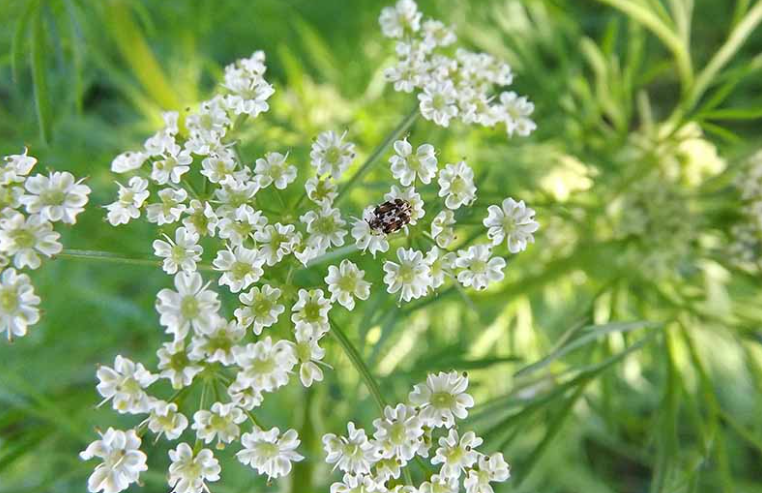
Cumin is the dried seed of Cuminum cyminum, a flowering plant in the carrot and parsley family, and it ranks among the most widely used spices on Earth despite coming from a single, relatively unassuming annual herb. Known as jeera across South Asia, cumin’s warm, earthy flavor is foundational to Indian, Middle Eastern, North African, and Mexican cooking alike, and the seed itself has been traded internationally for thousands of years.
India dominates the global cumin trade to a genuinely striking degree. According to a peer-reviewed overview of cumin production published via IntechOpen, the country accounts for roughly 70 percent of the world’s total cumin production and consumes about 90 percent of global output, making cumin almost as closely tied to Indian cuisine as rice itself. During the 2019-20 growing season, India cultivated cumin across 842,000 hectares, yielding a total harvest of 547,000 tonnes, with the states of Rajasthan and Gujarat together responsible for nearly 99 percent of that national production.
Globally, just 4 countries, India, Syria, Turkey, and the United Arab Emirates, account for an estimated 91 percent of all cumin produced worldwide, with India’s roughly 70 percent share followed distantly by Syria at about 13 percent, Turkey at 5 percent, and the UAE at 3 percent. Within India’s own spice sector, cumin alone occupies more than 48 percent of the total area devoted to seed spices and over 22 percent of all land used for spice crops nationally, underscoring just how central this single seed is to the country’s agricultural economy.
The word “cumin” also gets applied, often confusingly, well beyond the true Cuminum cyminum plant itself. Several completely different spices from entirely separate plant families are sold as “black cumin” in various regional markets, and at least one other spice is sometimes called “sweet cumin” despite coming from an unrelated plant entirely. What follows covers 10 different types of cumin, split honestly between true commercial grades and forms of Cuminum cyminum, and the genuinely different plants that share the cumin name through historical and regional naming overlap.
True Cumin Grades and Forms
White Cumin
White cumin, called safed jeera in Hindi, is the standard, most widely traded form of true cumin, Cuminum cyminum, and it’s what most people picture when they think of the spice at all. Its light tan to brownish-grey, ridged, oblong seeds carry the classic warm, earthy, slightly peppery flavor found in curries, chilies, and spice blends worldwide.
It’s sold whole or ground, and whole seeds are typically toasted briefly in oil or a dry pan before use to release their full aromatic oils. Its dominant market position, both in production volume and culinary use, makes it the benchmark against which every other type of cumin is usually compared.
Brown Cumin
Brown cumin refers to true Cuminum cyminum seeds with a notably deeper, richer brown color than standard white cumin, a variation that reflects both regional growing conditions and natural variety within the species itself. Academic surveys of cumin crops have documented the species producing seeds in amber, white, and darker color ranges, confirming that color variation exists within true cumin itself rather than only among the unrelated spices sometimes confused with it.
It carries a flavor profile similar to white cumin, though often described as slightly more intense or robust. Buyers sourcing cumin for bulk import or commercial spice blending frequently distinguish between brown and white grades specifically for consistency in color and flavor across a product line.
Ground Cumin
Ground cumin is simply whole cumin seed processed into a fine powder, a form chosen for convenience and for recipes where whole seeds would create an undesirable texture. Pre-ground cumin loses its volatile aromatic oils considerably faster than whole seed does, which is why its flavor fades noticeably within just a few months of grinding.
It’s a kitchen staple across an enormous range of global cuisines, from Mexican chili powder blends to Middle Eastern spice mixes to Indian curry powders. Buying whole seed and grinding it fresh as needed is widely recommended by cooks specifically to preserve the fuller, more vibrant flavor that pre-ground cumin loses over time.
Roasted Cumin
Roasted cumin, called bhuna jeera in Hindi, is whole cumin seed that’s been dry-toasted, typically in a hot pan with no oil, until it darkens slightly and releases a deep, nutty, considerably more intense aroma than raw seed. That toasting process chemically transforms the seed’s flavor compounds rather than simply warming them.
It’s commonly ground after roasting and sprinkled directly over yogurt-based dishes, salads, and chaat-style street food as a finishing spice rather than cooked further into a dish. Its distinctly smokier, deeper flavor profile sets it apart clearly from plain ground cumin used earlier in a cooking process.
Regional Cumin Varieties
Indian Cumin
Indian cumin, grown predominantly in Gujarat and Rajasthan, represents the overwhelming majority of global cumin supply and is widely considered a benchmark grade for quality and consistency in international trade. The trading hub of Unjha in Gujarat serves as a major center for the entire Indian and, by extension, global cumin market.
It’s typically harvested during India’s cooler Rabi growing season and is prized for a reliably strong, earthy aroma. Its overwhelming share of global production means pricing and availability of Indian cumin effectively sets the tone for the broader international cumin market as a whole.
Iranian Cumin
Iranian cumin is grown across various regions of Iran and is often noted in the spice trade for a slightly different aromatic profile compared to Indian-grown seed, a difference commonly attributed to variation in soil and climate. It remains an important regional cumin source for Middle Eastern and Persian cooking specifically.
It’s used in much the same way as other true cumin varieties, whole or ground, toasted or raw, depending on the specific dish. Its role in the broader cumin trade is considerably smaller than India’s, but it remains a genuine, distinct regional source within the global market.
Turkish and Syrian Cumin
Turkish and Syrian cumin together represent the second and third largest national sources of cumin in the global market, accounting for roughly 5 and 13 percent of world production respectively. Cumin grown in this eastern Mediterranean region is a staple of Middle Eastern and Levantine cooking traditions.
It shares the same basic flavor profile as other true cumin varieties, generally described as warm and earthy, though regional growing conditions can produce subtle differences in intensity. Syria’s considerably larger share of this regional total has made it a genuinely significant global cumin exporter despite being dwarfed by India’s overall production volume.
Plants Confused With Cumin
Black Cumin (Nigella)
Black cumin, widely sold as kalonji or black seed, is not true cumin at all but comes from Nigella sativa, a flowering plant in an entirely different family from Cuminum cyminum. Its small, jet-black, teardrop-shaped seeds have a pungent, onion-like flavor with notes of oregano and black pepper, quite different from true cumin’s warm earthiness.
It’s commonly sprinkled on naan bread, mixed into pickles, and used in certain South Asian and Middle Eastern spice blends, but it is genuinely not interchangeable with true cumin in a recipe despite the shared common name. The “black cumin” label is one of the most persistent and widespread sources of spice-aisle confusion precisely because the name gets applied to this and at least one other, equally unrelated seed.
Shahi Jeera
Shahi jeera, also called kala jeera or royal cumin, most often refers to Bunium persicum, sometimes also called Bunium bulbocastanum or Elwendia persica depending on the taxonomic source consulted, native to Kashmir, Afghanistan, and parts of Central Asia. Despite being in the same broader plant family as true cumin, it’s a genuinely distinct species, with thinner, darker, more curved seeds and a sweeter, more floral, almost smoky flavor.
It’s considered a premium spice, reserved for high-value dishes like biryani and Mughlai cuisine rather than everyday cooking. Its name, meaning “imperial” or “royal” cumin, reflects its traditional status as a more prized and expensive seed than standard white cumin.
Sweet Cumin
Sweet cumin is a common alternate name for fennel, Foeniculum vulgare, a plant with no close botanical relationship to true cumin beyond both belonging to the same broader carrot family. Its seeds are noticeably larger, greener, and have a distinctly sweet, licorice-like flavor entirely unlike true cumin’s warm earthiness.
It’s used both as a spice and, especially in India, chewed on its own after a meal as a breath freshener and digestive aid. The shared “cumin” name reflects a historical naming overlap rather than any genuine culinary interchangeability, and substituting one for the other in a recipe would produce a noticeably different result.
Key Takeaways
- Cumin comes in several distinct types and varieties, with differences in seed color, flavor, aroma, size, and growing conditions.
- Cumin (Cuminum cyminum) is the most widely cultivated type and is commonly used as a spice in Indian, Middle Eastern, African, Mediterranean, and Latin American cuisines.
- Black cumin is often used to describe different plants, including Nigella sativa, so it should not automatically be considered the same plant as ordinary cumin.
- White cumin generally refers to lighter-colored cumin seeds and may be used to distinguish them from darker varieties.
- Iranian, Indian, and Mediterranean cumin can differ in flavor intensity, seed appearance, and culinary use because of their growing regions and local cultivars.
- Cumin is a warm-season annual herb that grows best in sunny locations with well-drained soil.
- Choosing a cumin variety depends on whether the goal is culinary use, seed production, aroma, or adaptation to a particular climate.