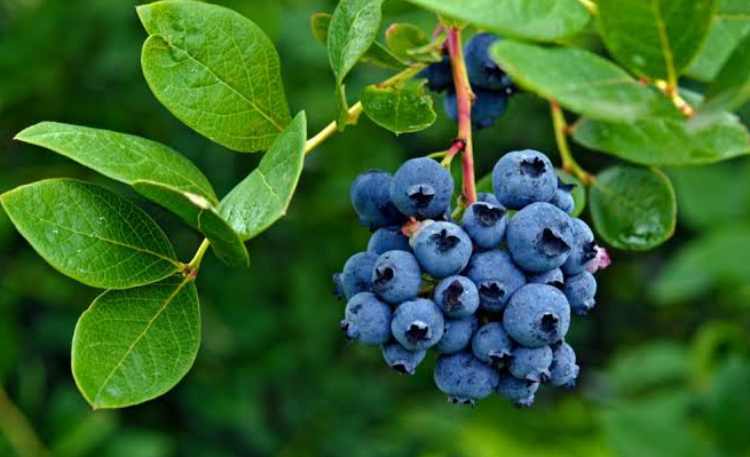
Types of blueberries vary far more widely than the uniform blue containers at a grocery store suggest, spanning 4 distinct species groups bred for entirely different climates, from the humid lowlands of Florida to the sub-zero winters of Minnesota. Nearly every commercial and backyard variety grown today traces back to a single collaboration: in 1911, New Jersey cranberry grower Elizabeth White partnered with USDA botanist Frederick Coville to domesticate the wild highbush blueberry, a partnership documented in detail by Rutgers University’s Blueberry and Cranberry Research Center, which now houses one of the world’s leading Vaccinium breeding programs.
That single partnership eventually split into 4 major cultivated groups: northern highbush, which needs a genuine cold winter to produce fruit; southern highbush, bred to ripen in warm, low-chill climates; rabbiteye, a heat- and drought-tolerant species native to the southeastern United States; and half-high, a compact hybrid engineered specifically to survive winters that would kill a standard highbush plant outright. Each group carries its own chill-hour requirement, meaning the number of hours below 45°F a plant needs each winter before it will flower and fruit the following spring.
Understanding those chill requirements matters more than almost any other factor in blueberry selection. A cultivar bred for Florida’s mild winters can fail to fruit at all in Minnesota, while a high-chill Michigan variety planted in Georgia may never break dormancy properly. Regional university breeding programs have spent the past 100+ years developing cultivars suited to their specific climates, which is why so many of the varieties below carry the name of the land-grant institution that created them.
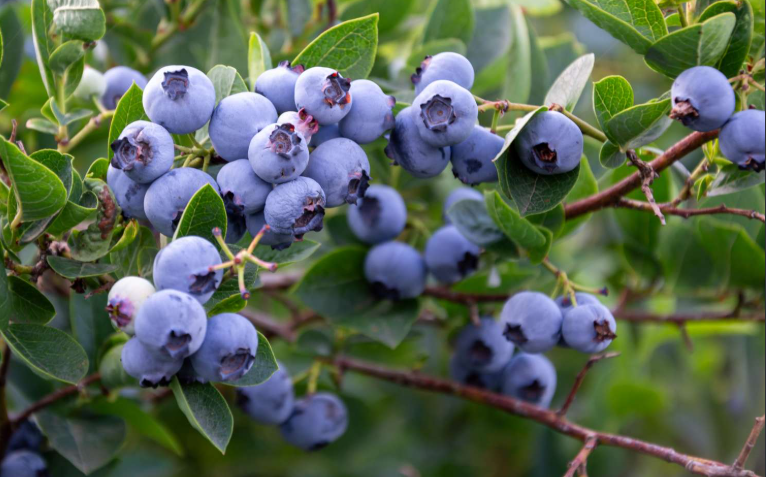
This guide covers 40 of the most widely grown and historically significant blueberry types, organized by species group, along with the origin, release year, and measurable growing data that distinguishes each one.
At the end of the article, you’ll also be having a clear understanding of the following questions:
- What types of blueberries are there?
- Which blueberry varieties are most common?
- How do blueberry varieties differ in size, color, flavor, and harvest time?
- Which blueberry varieties grow best in different climates?
- Which blueberries are best for home gardens?Which blueberry varieties produce large or especially sweet berries?
- Which blueberry varieties are best for cold climates?
- Which blueberry varieties are best for warm climates?
Varieties of Blueberries
Bluecrop
Bluecrop originated from a USDA and New Jersey Agricultural Experiment Station breeding program and was released in 1952, and it remains the single most widely planted northern highbush cultivar in the world today. Its berries average around 1.6 grams each, and a mature bush reliably produces 10 to 15 pounds of fruit per season once established, typically over a 5 to 7 foot tall frame. It requires roughly 800 to 1,000 chill hours to break dormancy, making it a strong fit for USDA zones 4 through 7.
Duke
Duke was released by the USDA breeding program at Beltsville, Maryland in 1987 and has since become one of the most commercially planted early-season cultivars in North America. It ripens in late June in most climates, roughly 2 to 3 weeks ahead of Bluecrop, and produces firm, light-blue berries averaging 1.8 grams. According to Oregon State University Extension’s cultivar guide for the Pacific Northwest, Duke tends to bloom later than most other early-season cultivars, which reduces its exposure to spring frost damage.
Elliott
Elliott was developed at Michigan State University and released in 1974, and it remains one of the latest-ripening northern highbush cultivars available, often still producing fruit into September. Its berries are smaller, averaging around 1.3 grams, with a firmer texture and a more tart flavor profile than earlier-season varieties. A mature bush typically reaches 5 to 6 feet and yields 8 to 12 pounds annually.
Bluejay
Bluejay was released by Michigan State University in 1976 and is known for its vigorous, upright growth habit that reaches 6 feet or more at maturity. It ripens in the early-midseason window, just after Duke, and produces medium-sized berries around 1.5 grams with good cold hardiness down to roughly -20°F. Its productivity is considered moderate to high, with mature bushes yielding 10 to 14 pounds per season.
Blueray
Blueray came out of the USDA and Rutgers breeding partnership and was released in 1955, quickly becoming one of the more widely planted midseason cultivars across the northeastern United States. It produces large, firm berries averaging 1.9 grams and requires around 800 chill hours to fruit reliably. Its cold hardiness rating extends to roughly -25°F, making it a dependable choice across USDA zones 4 through 7.
Patriot
Patriot was jointly released by the USDA and the University of Maine in 1976 and was specifically bred for exceptional cold tolerance, surviving temperatures as low as -30°F. It stays relatively compact at 3 to 4 feet, making it well suited to smaller gardens, and produces large berries around 1.7 grams on a plant that typically yields 5 to 8 pounds per season. Its chill requirement is comparatively low for a northern highbush type, around 800 hours.
Jersey
Jersey traces back to the original Coville and White breeding program and was released in 1928, making it one of the oldest cultivars still in commercial production nearly a century later. It ripens late in the season and produces smaller, firmer berries around 1.2 grams that hold up especially well to mechanical harvesting. Mature bushes can reach 6 to 8 feet and remain productive for 30 years or more with proper pruning.
Berkeley
Berkeley was released through the USDA and New Jersey Agricultural Experiment Station program in 1949 and became known for producing some of the largest berries available at the time, averaging 2.0 grams. It ripens in the midseason window and grows into a spreading, moderately vigorous bush reaching 5 to 6 feet. Its mild, sweet flavor and light blue color made it a popular fresh-market variety for decades.
Coville
Coville was released in 1949 by the same USDA and NJAES program and was named directly after Frederick Coville, the USDA botanist who co-developed the modern highbush blueberry. It ripens late season with large, firm, tart berries around 1.8 grams, and a mature bush can yield 12 to 15 pounds annually. It requires roughly 800 to 900 chill hours and remains a common choice for U-pick operations due to its extended harvest window.
Herbert
Herbert was released by the USDA and Michigan State cooperative program in 1952 and is often cited by growers for having one of the best flavor profiles among older highbush cultivars. Its berries are large, averaging around 2.0 grams, though the bush is notably more difficult to propagate than other varieties, which has limited its commercial availability. It ripens in the midseason window and reaches 5 to 6 feet at maturity.
Nelson
Nelson was developed at Michigan State University and released in 1988, bred specifically to combine Bluecrop’s productivity with improved berry firmness and storage life. It ripens in the mid-to-late season and produces berries averaging 1.7 grams on a vigorous, upright bush reaching 5 to 7 feet. Annual yields of 10 to 14 pounds per mature bush are typical under good growing conditions.
Chandler
Chandler was released by the USDA-ARS breeding program in 1994 and is widely recognized for producing some of the largest blueberries of any highbush cultivar, with individual berries sometimes exceeding 3.0 grams. It has an unusually long ripening window, often continuing to produce fruit for 4 to 6 weeks rather than the typical 2 to 3. It requires roughly 800 chill hours and reaches 5 to 6 feet at maturity.
Legacy
Legacy resulted from a USDA and NJAES cross between northern and southern highbush parentage and was released in 1993, giving it a lower chill requirement, around 600 hours, than most other northern types. It produces firm, sweet berries averaging 1.6 grams and grows into a dense, semi-evergreen bush in milder climates. Its hybrid vigor allows it to perform well across a wider range of USDA zones than most single-type cultivars.
Toro
Toro was released by Rutgers University in 1987 and produces exceptionally large, light-blue berries averaging 2.1 grams on a vigorous, upright bush reaching 5 to 6 feet. It ripens in the midseason window and is known for strong resistance to mummy berry disease compared to many older cultivars. Mature bushes typically yield 10 to 13 pounds annually.
Spartan
Spartan was released by Michigan State University in 1977 and requires one of the highest chill hour totals among common highbush cultivars, often cited at 1,000 hours or more, making it best suited to genuinely cold climates. It’s an early-season variety producing large, aromatic berries around 1.8 grams, though the plant is considered more particular about soil conditions than more forgiving cultivars like Bluecrop.
Earliblue
Earliblue was released by the USDA and NJAES program in 1952 and remains one of the earliest-ripening highbush cultivars available, often ready to pick in early June. Its berries are medium-sized at around 1.4 grams with a mild, sweet flavor, and a mature bush typically yields 8 to 10 pounds per season. Its early ripening window makes it a popular choice for growers targeting the first wave of the fresh market.
Collins
Collins was released by the USDA and NJAES in 1959 and ripens in the early-midseason window with attractive, light-blue berries averaging 1.5 grams. It’s noted for producing some of the most consistently high-quality fruit in cooler springs compared to other early cultivars. A mature bush reaches roughly 5 feet and yields 8 to 12 pounds annually.
Darrow
Darrow was released by the USDA in 1965 and named after George M. Darrow, often called the father of modern blueberry breeding for his decades of work alongside Coville. It produces some of the largest berries in the northern highbush category, frequently exceeding 2.5 grams, with a tangy, slightly tart flavor. It ripens late season and requires around 800 chill hours to fruit consistently.
Weymouth
Weymouth was released by the USDA and NJAES program in 1936, making it one of the earliest commercially significant highbush releases after the original Coville-White selections. It ripens very early, often ahead of Earliblue, though its berries are smaller, averaging 1.1 grams, and softer than more modern cultivars. It’s now grown mostly for historical and breeding interest rather than commercial production.
Bluetta
Bluetta was released by the Canadian federal research station in Ontario in 1968 and has since become popular in colder regions of the U.S. Midwest and Northeast for its notably early ripening, often 7 to 10 days ahead of Duke. It stays relatively compact at 3 to 4 feet and produces medium berries around 1.4 grams, with annual yields of 5 to 8 pounds per mature bush. As documented by Michigan State University’s blueberry research program, Michigan remains one of the largest highbush blueberry-producing states in the country, and cultivars like Bluetta continue to serve as reliable early-season options for growers there.
Emerald
Emerald was released by the University of Florida’s IFAS breeding program in 1999 and is one of the more vigorous southern highbush cultivars available, often reaching 6 feet in favorable climates. It requires only around 250 chill hours, allowing it to fruit reliably in USDA zones 8 and 9, and produces large, firm berries averaging 1.8 grams. According to UF/IFAS’s official cultivar guide, Emerald remains one of the most widely planted commercial southern highbush varieties in Florida today.
Jewel
Jewel was released by UF/IFAS in 1998 and ripens early, typically in April in central Florida, making it one of the first blueberries to reach market each spring. It has a low chill requirement of around 200 hours and produces medium-large berries averaging 1.6 grams on a vigorous, upright plant. Annual yields on mature bushes commonly reach 8 to 10 pounds under commercial management.
Star
Star was released by UF/IFAS in 1995 and is notable for its uniform ripening, meaning nearly the entire crop matures within a narrow 2 to 3 week window rather than staggering over a month. It requires roughly 300 chill hours and produces firm, medium-sized berries around 1.5 grams with a mild, sweet flavor. Its predictable ripening pattern has made it especially popular with mechanical and once-over hand-harvest operations.
Springhigh
Springhigh was released by UF/IFAS and is valued for its extremely low chill requirement, often cited around 150 to 200 hours, allowing production even in Florida’s warmest growing regions. It ripens early, producing medium berries averaging 1.4 grams, and tends to grow into a more compact, rounded bush than other southern highbush types. It performs best in areas where standard highbush and even most southern highbush cultivars would fail to fruit.
Misty
Misty was released by UF/IFAS in 1989 and became one of the first southern highbush cultivars widely adopted outside Florida, particularly in California and parts of Australia and New Zealand. It requires around 300 chill hours and produces attractive, medium-large berries averaging 1.6 grams on a semi-evergreen bush in mild winter climates. Its adaptability to a range of soil pH levels has made it more forgiving than many other southern highbush releases.
Sharpblue
Sharpblue was released by UF/IFAS in 1976 and is historically significant as one of the first genuinely successful southern highbush cultivars, proving that low-chill blueberries could be commercially viable. It requires only around 150 chill hours and produces medium berries averaging 1.3 grams over an unusually long harvest season stretching several months in the mildest climates. Its release is often cited as the true starting point of Florida’s modern blueberry industry.
Sunshine Blue
Sunshine Blue was released by UF/IFAS in 1993 and stands out from most other southern highbush types for being genuinely self-pollinating and notably compact, staying under 3 feet at maturity. Its low chill requirement of around 150 hours and attractive pink spring flowers have made it a popular ornamental and container option for home gardeners rather than commercial growers. It produces medium berries averaging 1.3 grams and typically yields 3 to 5 pounds per plant.
O’Neal
O’Neal was released by North Carolina State University in 1987 and remains one of the most widely planted early-season southern highbush cultivars across the southeastern United States. It requires around 400 to 500 chill hours, higher than most Florida-bred varieties, which makes it well suited to the Carolinas and similar transitional climates. It produces large, flavorful berries averaging 1.9 grams and can yield 8 to 10 pounds per mature bush.
Rebel
Rebel was released by UF/IFAS in 2007 and was bred specifically to combine high yield potential with strong disease resistance, particularly to bacterial leaf scorch. It requires around 300 chill hours and produces firm, medium-large berries averaging 1.7 grams on a vigorous, upright plant. Commercial yields on mature bushes often reach 10 to 12 pounds annually.
Farthing
Farthing was released by UF/IFAS in 2009 and has become one of the more commercially significant recent southern highbush releases, known for producing very firm fruit that ships and stores unusually well. It requires around 300 chill hours and produces medium-large berries averaging 1.8 grams, with mature bushes yielding 10 to 14 pounds per season under commercial management.
Meadowlark
Meadowlark was released by UF/IFAS in 2011 and ripens early, typically in April, with a notably concentrated harvest window similar to Star. It requires roughly 300 chill hours and produces medium berries averaging 1.6 grams on a vigorous, upright bush. It has become increasingly popular among commercial Florida growers targeting the earliest, highest-priced portion of the spring market.
Tifblue
Tifblue was released by the University of Georgia and USDA’s Coastal Plain Experiment Station in 1955 and remains one of the most widely planted rabbiteye cultivars ever developed. It requires around 350 to 550 chill hours, reaches 8 to 10 feet at full maturity, and produces medium berries averaging 1.4 grams over an unusually long shelf life compared to highbush types. As detailed in the University of Georgia Extension’s blueberry production guide, rabbiteye varieties like Tifblue account for roughly 80 to 85% of Georgia’s total blueberry acreage today.
Climax
Climax was released by the University of Georgia breeding program in 1974 and is known for ripening earlier than most other rabbiteye cultivars, typically in mid-June in south Georgia. It grows into a tall, vigorous bush reaching 8 to 10 feet and produces medium berries averaging 1.3 grams with good drought tolerance once established. Its concentrated ripening window, similar to Tifblue’s, makes it a popular choice for mechanical harvesting.
Powderblue
Powderblue was released by the University of Georgia in 1978 and is named for the attractive, powdery light-blue coating that covers its firm, medium-large berries averaging 1.5 grams. It ripens in the mid-to-late season, requires around 400 to 500 chill hours, and has become one of the most widely planted rabbiteye cultivars for the commercial fresh market due to its excellent firmness and shelf life. Mature bushes can produce 15 to 20 pounds of fruit annually.
Brightwell
Brightwell was released by the University of Georgia in 1983 and named after W.T. Brightwell, the breeder who dramatically expanded Georgia’s rabbiteye breeding program starting in 1945. It ripens early to midseason and produces medium berries averaging 1.4 grams on a vigorous bush reaching 8 to 9 feet. Its reliable, heavy annual yields of 15 pounds or more per mature bush have made it a standard commercial variety across the Southeast.
Premier
Premier was released by the University of Georgia in 1978 and ripens early in the rabbiteye season, typically alongside or just before Climax. It produces medium-large berries averaging 1.6 grams and tends to grow into a somewhat more compact bush than other rabbiteye types, reaching 6 to 8 feet. Its chill requirement of around 350 hours makes it suitable for the milder portions of the rabbiteye growing range.
Woodard
Woodard was released through a USDA and University of Georgia collaboration in 1960 and was notable at the time for producing unusually large berries for a rabbiteye cultivar, averaging 1.7 grams. It ripens early to midseason and grows into a moderately vigorous bush reaching 6 to 8 feet, though it’s generally considered less disease-resistant than newer releases like Brightwell or Powderblue. It remains occasionally grown for its flavor, described by many growers as sweeter than most other rabbiteye types.
Austin
Austin was released by the University of Georgia in 1983 alongside Brightwell and shares a similar early-to-midseason ripening window. It produces medium berries averaging 1.4 grams on a vigorous, upright bush reaching 8 feet, with good tolerance for the sandy, well-drained soils common across the Georgia coastal plain. Annual yields of 12 to 16 pounds per mature bush are typical under standard commercial management.
Centurion
Centurion was released by the University of Georgia in 1998 and ripens later than most other rabbiteye cultivars, often extending the harvest season into August. It produces firm, dark blue berries averaging 1.5 grams with notably high antioxidant content compared to earlier rabbiteye releases, based on university fruit-quality testing. Its late ripening window makes it a popular choice for growers looking to extend their rabbiteye season beyond the typical June-to-July window.
Northblue
Northblue was released by the University of Minnesota’s fruit breeding program in 1983 as part of the original wave of half-high cultivars, created by crossing northern highbush parentage with the native lowbush species to combine larger fruit with extreme cold hardiness. According to the University of Minnesota’s cultivar database, Northblue survives winter temperatures as low as -35°F and stays compact at 24 to 36 inches tall, with mature plants yielding 3 to 9 pounds of large, dark-blue, tart-flavored berries per season. Its short stature allows snowpack to insulate its buds through harsh continental winters, a deliberate design goal of the University of Minnesota program that also produced companion half-high releases like Northsky and Northcountry.
Things to Remember
For growers working in regions with true wild lowbush populations rather than cultivated varieties, the University of Maine Cooperative Extension’s wild blueberry program documents an entirely separate tradition dating back centuries, in which native lowbush fields are managed through pruning and burning rather than planted from nursery stock, and growers deciding between regional cultivars can cross-check chill hour and hardiness data against the North Carolina State Extension Gardener Plant Toolbox to confirm which of the 40 types above will actually perform in their specific climate zone.
References
- Oregon State University Extension — Blueberry Cultivars for the Pacific Northwest.
Oregon State University Extension — Blueberry Cultivars for the Pacific Northwest
This is one of the most useful sources for your article because it explains the five major cultivated blueberry types: northern highbush, southern highbush, rabbiteye, lowbush, and half-high. It also compares individual cultivars and their berry characteristics, ripening times, and suitability for different growing conditions. - University of Maine Cooperative Extension — Growing Highbush Blueberries.
University of Maine Cooperative Extension — Growing Highbush Blueberries
Particularly useful for information about cold-hardy highbush varieties, fruit size, ripening periods, plant characteristics, and selecting cultivars for colder climates. - University of Maine Cooperative Extension — About the Maine Wild Blueberry.
University of Maine Cooperative Extension — About the Maine Wild Blueberry
A valuable reference for explaining lowbush, highbush, and half-high blueberries, including their scientific names, typical plant sizes, fruit characteristics, and cold tolerance. - North Carolina State University Extension — Growing Blueberries in the Home Garden.
NC State Extension — Growing Blueberries in the Home Garden
Useful for discussing popular cultivars such as Duke, Bluecrop, Jersey, O’Neal, Legacy, Tifblue, Powderblue, and others. It also provides information about cultivar selection, ripening periods, pollination, and regional suitability. - NC State Extension — Small Fruits: Blueberries.
NC State Extension — Small Fruits: Blueberries
This source is especially useful for explaining the differences among highbush, southern highbush, and rabbiteye blueberries, as well as their climate, chilling, soil, and production requirements. - NC State University Blueberry Genetics & Genomics Laboratory — Blueberry Varieties.
NC State Blueberry Genetics & Genomics Laboratory — Blueberry Varieties
An excellent source for the newer and less familiar blueberry varieties section of your article. The university’s breeding program includes southern highbush, rabbiteye, ornamental, pentaploid, and new or upcoming releases. - NC State Extension Gardener Plant Toolbox — Blueberry Cultivars.
NC State Extension Gardener Plant Toolbox — Blueberry Cultivars
Helpful for individual variety descriptions, including plant size, berry size, ripening season, and climate suitability. It lists cultivars such as Bluecrop, Blueray, Duke, Elliott, Patriot, Aurora, Climax, Tifblue, and others. - NC State Extension — Blueberry Production for Local Sales and Small Pick-Your-Own Operators.
NC State Extension — Blueberry Production for Local Sales and Small Pick-Your-Own Operators
Particularly useful when discussing which varieties perform well in different parts of a region and how highbush, southern highbush, and rabbiteye cultivars differ in their growing requirements.