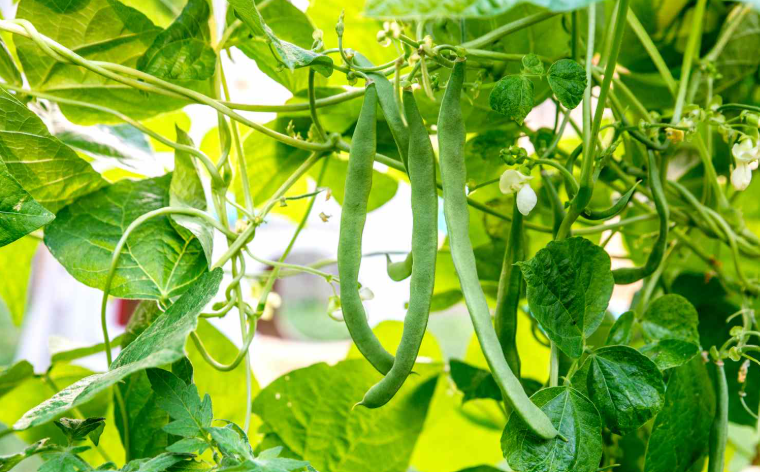
Types of beans that grow on vines share a genuine growth trait called indeterminate habit, meaning the plant simply keeps producing new stems, flowers, and pods all season long rather than stopping at a fixed size the way a bush variety does. That single genetic difference is often the only thing separating a pole variety from a bush variety of the exact same bean species, since breeders have selected both growth habits from what’s frequently the same basic genetic stock.
That continuous growth is exactly why a vining bean produces considerably more per square foot of garden space over a longer harvest window than its bush counterpart, and it’s a real part of why so many heirloom bean varieties passed down through generations of home gardeners are specifically pole types. A single Kentucky Wonder plant, given a sturdy pole or trellis to climb, keeps flowering and setting new pods for months, while a bush bean planted in the same footprint delivers its entire harvest in a single, more concentrated flush.
Not every vining bean belongs to the same plant family, either, which is easy to overlook given how similar the pods can look at a glance. The common garden bean most people picture belongs to one genus entirely, while yard-long beans, mung beans, and several other Asian vining beans belong to a different genus altogether, and hyacinth bean, winged bean, and jack bean each belong to genera of their own on top of that. The considerable diversity packed into “vining bean” as a category reflects a lot of independent domestication history across very different parts of the world.
The Seed Savers Exchange heirloom bean collection documents the history and characteristics of several classic pole bean varieties in more depth than a general list can. What follows covers 25 types of beans that grow on vines.
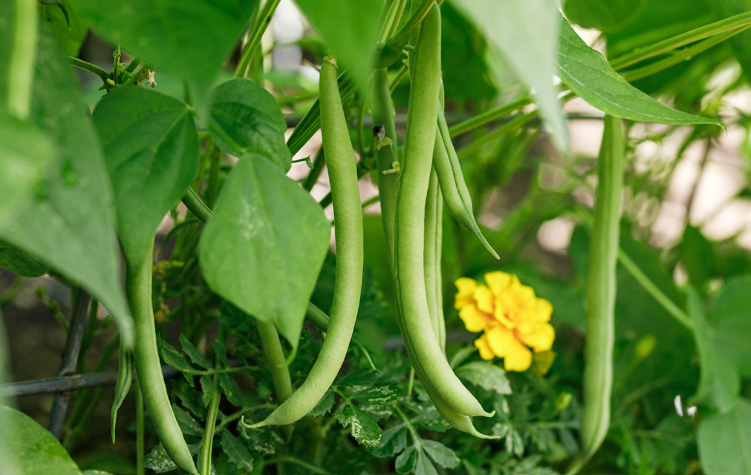
Kentucky Wonder Pole Bean
Kentucky Wonder is a genuine heirloom pole bean variety dating back over a century, producing long, slightly curved green pods on a vigorous, reliably productive vine. Its considerable popularity and longevity in American gardens have made it one of the most widely recognized pole bean varieties available.
It climbs readily given a sturdy pole or trellis, rewarding that support with a genuinely extended harvest window through much of summer. The North Carolina State University Extension’s heirloom vegetable guide documents this variety’s century-long cultivation history in American home gardens.
Blue Lake Pole Bean
Blue Lake produces straight, stringless green pods on a vigorous climbing vine, prized for a tenderness and flavor that’s kept it a genuine garden and commercial favorite for decades. Its considerable productivity and consistent pod quality have made it a benchmark variety other pole beans are often compared against.
It climbs vigorously given adequate support, thriving in full sun and well-drained soil like most other vining bean varieties.
Fortex Pole Bean
Fortex produces genuinely long, slender French filet-type pods that stay tender and stringless even when allowed to grow considerably longer than a typical snap bean. Its extended harvest window without a corresponding loss in quality makes it a favorite among gardeners who can’t always harvest daily.
It climbs a trellis with real vigor, rewarding sturdy support with pods that remain genuinely tender well past the point many other varieties would toughen.
Rattlesnake Pole Bean
Rattlesnake pole bean produces distinctive green pods streaked with purple, a genuinely striking heirloom variety that holds up well in both hot and somewhat drier conditions than many other pole beans tolerate. Its considerable heat tolerance has made it a reliable choice in warmer growing regions.
It climbs vigorously given a sturdy trellis, tolerating heat stress better than several other classic pole bean varieties on this list.
Purple Podded Pole Bean
Purple podded pole bean produces genuinely vivid purple pods that turn green once cooked, making the plant both a productive food crop and a striking ornamental vine while still growing. Its considerable visual appeal has made it a popular choice for a garden that values looks alongside harvest.
It climbs readily given support, and the purple pods make a heavy harvest genuinely easy to spot against the vine’s green foliage.
Romano Pole Bean
Romano pole bean produces broad, flat Italian-style pods with a genuinely distinct texture and flavor compared to a rounder snap bean variety. Its considerable culinary reputation in Italian cooking has made it a favorite among gardeners specifically seeking that flat-pod bean texture.
It climbs vigorously given a trellis, rewarding sturdy support with a genuinely extended harvest of its distinctive flat pods.
Cherokee Trail of Tears Bean
Cherokee Trail of Tears is a genuine heirloom variety with a documented history tracing back to the Cherokee Nation’s forced 1830s relocation, carried and preserved by Cherokee families throughout that journey. Its pods can be eaten green or allowed to dry for a genuinely versatile dual-purpose harvest.
It climbs a trellis with real vigor, producing small, shiny black dried beans if pods are left to mature fully on the vine.
Christmas Lima Bean
Christmas lima bean produces large, genuinely striking maroon-and-white speckled seeds within its pods, an heirloom lima variety valued as much for its dried bean appearance as its flavor. Its considerable seed size and distinctive coloring make it a favorite among dried bean enthusiasts.
It climbs a sturdy trellis or pole, needing a genuinely long growing season to fully mature its large seeds before frost.
Kentucky Blue Bean
Kentucky Blue Bean, a cross between Blue Lake and Kentucky Wonder varieties, combines genuinely straight, stringless pods with the vigorous climbing habit both parent varieties are known for. Its considerable disease resistance has made it a reliable choice for a home garden.
It climbs vigorously given adequate support, rewarding sturdy trellising with a genuinely productive, extended harvest.
Scarlet Runner Bean
Scarlet runner bean, a genuinely distinct species from the common garden bean, climbs vigorously while producing both a striking display of vivid red flowers and an edible bean pod. Its considerable ornamental value has made it as popular for its blooms as for its harvest.
It climbs a trellis with real enthusiasm, thriving especially well in a cooler summer climate that would slow down many heat-loving bean varieties. The Oregon State University Extension’s bean variety guide covers this species’ distinct cool-climate performance compared to common bean pole varieties.
Painted Lady Runner Bean
Painted Lady runner bean shares scarlet runner’s genuine climbing vigor and species identity, distinguished by its striking bicolor red-and-white flowers rather than solid red blooms. Its considerable ornamental appeal alongside its edible pods makes it a genuine dual-purpose garden favorite.
It climbs a trellis readily, sharing its scarlet relative’s preference for a cooler growing climate.
Pole Lima Bean
Pole lima bean varieties climb a trellis with genuine vigor, delivering a considerably longer harvest window than a bush lima planted in the same garden footprint. Their vertical growth also keeps developing pods cleaner and easier to spot at harvest time.
It climbs readily given sturdy support, rewarding patience with pods produced steadily over an extended summer season.
Tepary Bean
Tepary bean is a genuinely desert-adapted vining legume, historically cultivated by Indigenous peoples of the American Southwest specifically for its remarkable drought tolerance. Its considerable ability to produce a harvest with minimal water sets it apart from most other vining beans on this list.
It climbs modestly given support, thriving in hot, arid conditions that would genuinely stress most other bean varieties.
Yard-Long Bean
Yard-long bean, also called asparagus bean, produces genuinely dramatic, extremely long pods on a vine belonging to an entirely different genus than the common garden bean despite the superficial resemblance. Its considerable heat tolerance makes it a productive choice during a stretch of summer when many common beans slow down.
It climbs a tall trellis with real vigor, needing genuinely warm, humid conditions to perform at its best. The University of Florida IFAS Extension’s specialty vegetable guide covers this genus’s distinct growing requirements compared to common garden bean species.
Black-Eyed Pea
Black-eyed pea, in its vining varieties, climbs readily and belongs to the same broader genus as yard-long bean despite its common name suggesting a pea rather than a bean. Its considerable heat and drought tolerance have made it a staple crop throughout the American South.
It climbs modestly given support, thriving in warm, humid conditions with genuinely minimal fuss once established.
Mung Bean
Mung bean produces a genuinely twining, vining growth habit, its small pods maturing into the familiar beans most commonly sprouted for use in Asian cooking. Its considerable heat tolerance and relatively quick maturity make it a productive warm-season crop.
It climbs modestly given light support, thriving in genuinely warm, humid growing conditions.
Rice Bean
Rice bean is a genuinely lesser-known vining Asian legume, closely related to mung and adzuki beans, cultivated for its small, nutritious seeds in parts of South and Southeast Asia. Its considerable drought tolerance has made it a valuable crop in regions with unpredictable rainfall.
It climbs modestly given support, thriving in warm conditions similar to its more widely known Vigna relatives.
Adzuki Bean
Adzuki bean, in its vining varieties, produces small, deep red beans traditionally used throughout East Asian cooking, particularly in sweetened dessert preparations. Its considerable culinary versatility extends well beyond its more familiar sweetened uses.
It climbs modestly given light support, and the University of Minnesota Extension’s specialty legume trials have documented adzuki performance in a temperate growing climate.
Hyacinth Bean
Hyacinth bean climbs a trellis vigorously, belonging to a genus entirely separate from the common garden bean, producing striking purple pods and flowers that make it as much an ornamental vine as a food crop. Its pods and beans require proper cooking before eating, since the raw plant contains compounds that are genuinely toxic if consumed uncooked.
It climbs vigorously given sturdy support, thriving as a dual-purpose ornamental and food vine once the proper preparation is understood.
Winged Bean
Winged bean produces genuinely unusual, 4-winged pods on a vigorous climbing vine belonging to yet another distinct legume genus, with nearly every part of the plant, pods, leaves, flowers, and tubers, edible in some capacity. Its considerable nutritional density has drawn real interest as an underused tropical crop.
It climbs a sturdy trellis with real vigor, thriving in a warm, humid tropical climate considerably better than in a cooler growing region.
Velvet Bean
Velvet bean produces a genuinely vigorous tropical vine bearing pods covered in fine, irritating hairs, requiring careful handling and proper processing before the seeds inside are safe to eat given naturally occurring toxic compounds. Its considerable use as a traditional medicinal and cover crop plant extends well beyond its role as a food source.
It climbs aggressively given the chance, thriving in a warm, humid climate and genuinely requiring real caution and proper preparation before consumption.
Jack Bean
Jack bean produces a genuinely vigorous, large-podded tropical vine, its considerable size and productivity making it a significant food and forage crop in parts of the tropics. Its seeds require thorough cooking to break down naturally occurring toxic compounds before they’re safe to eat.
It climbs aggressively given sturdy support, thriving in warm, humid conditions and reaching a genuinely substantial mature size.
Sword Bean
Sword bean, a close relative of jack bean, produces genuinely enormous, curved pods that can reach a considerable length on a vigorous tropical climbing vine. Its seeds also require thorough cooking before consumption given similar toxicity concerns to its jack bean relative.
It climbs aggressively given sturdy support, thriving in warm, humid tropical conditions with real vigor.
Turkey Craw Bean
Turkey Craw bean is a genuine heirloom pole variety with an origin story tracing back to a wild turkey’s crop found by an early American settler, the beans inside subsequently grown out and preserved through generations. Its pods can be eaten green or dried, offering the same dual-purpose versatility as several other heirloom beans on this list.
It climbs a trellis with real vigor, carrying a genuinely documented history alongside its reliable productivity.
Trionfo Violetto Bean
Trionfo Violetto is a genuine Italian heirloom pole bean producing vivid purple pods against equally striking purple flowers, making the plant as ornamental as it is productive. Its pods turn green once cooked, similar to other purple-podded varieties, though the plant’s appearance while growing remains a genuine garden standout.
It climbs vigorously given a trellis, rewarding sturdy support with both a productive harvest and considerable visual interest through the growing season.
Key Takeaways
Types of beans that grow on vines are climbing plants that use twining stems to reach upward and make good use of vertical garden space. Common examples include pole beans, runner beans, and several climbing varieties of lima, yardlong, and snap beans.
Choosing a climbing bean depends on the local climate, available space, sunlight, soil, and desired harvest. Most vining beans need a sturdy trellis, poles, or other support, along with adequate moisture and fertile, well-drained soil to produce healthy growth and pods.
With proper support and regular care, vining beans can provide productive harvests while using relatively little ground space. Training young vines onto their support, maintaining consistent moisture, checking for pests, and harvesting pods regularly can help keep plants vigorous and productive.