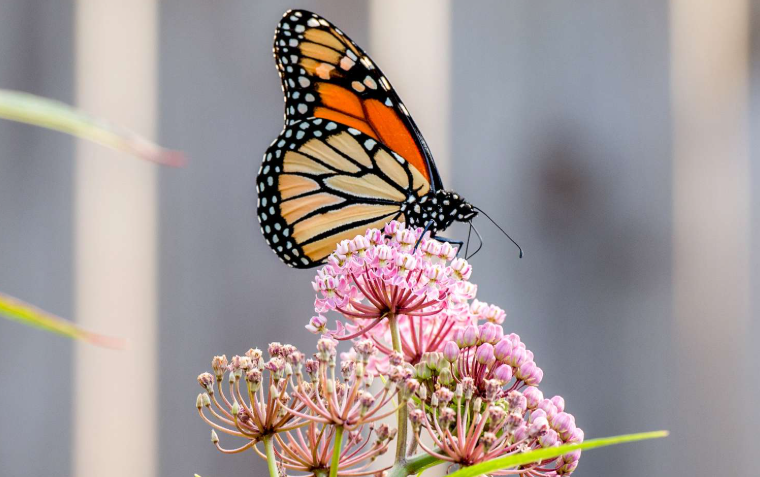
Plants that attract monarch butterflies actually split into 2 genuinely different categories, and understanding that split matters more than almost anything else in planning a monarch-friendly garden. Milkweed is the only plant genus a monarch caterpillar can eat, a genuinely obligate relationship found in remarkably few other insects, meaning a garden without any milkweed at all can never actually raise a new generation of monarchs no matter how many flowers it offers. Nectar plants are an entirely different matter, feeding the adult butterfly rather than its caterpillar, and a monarch will happily visit dozens of different flower species for that purpose.
That distinction means a garden full of beautiful nectar flowers but zero milkweed is really just borrowing adult monarchs temporarily rather than supporting the population in any lasting way, since the butterflies passing through have nowhere to actually lay eggs. A genuinely effective monarch garden needs both pieces working together, milkweed as the host plant that makes reproduction possible at all, and a broader mix of nectar sources to fuel adults throughout the season, especially during the demanding fall migration south.
It’s worth being honest about one genuinely significant controversy within milkweed itself. Tropical milkweed, widely sold and easy to grow, doesn’t die back naturally in a warm winter climate the way native milkweed species do, and that year-round foliage can both disrupt the seasonal cues that trigger migration and allow a protozoan parasite called OE to build up to harmful levels on the same unwashed leaves season after season. Cutting tropical milkweed back hard in late fall, or choosing a native milkweed species suited to the local region instead, is a real, meaningful choice for anyone genuinely trying to help the migration rather than just attract a few butterflies to watch.
The University of Kansas Monarch Watch program maintains detailed, regionally specific guidance on native milkweed species and monarch conservation more broadly. What follows covers 40 plants that attract monarch butterflies, spanning genuine milkweed host species and a wide range of nectar plants.
Common Milkweed
Common milkweed is genuinely the most widespread native milkweed species across much of the eastern and central United States, producing fragrant pink-purple flower clusters that monarch caterpillars depend on entirely for food. Its considerable spread via rhizome can form substantial colonies over time in a favorable spot.
It tolerates a range of soil conditions and full sun, spreading enough that some gardeners choose to contain its root system within a defined bed. The Xerces Society’s milkweed seed finder helps identify which native milkweed species are genuinely appropriate for a specific region.
Swamp Milkweed
Swamp milkweed produces clusters of pink flowers on a genuinely well-behaved, clump-forming plant that tolerates consistently moist soil far better than most other milkweed species. Its tidier growth habit makes it a popular choice for a garden bed rather than a naturalized wild area.
It tolerates consistently moist to wet soil, thriving in a rain garden or damp border where common milkweed would genuinely struggle.
Butterfly Weed
Butterfly weed produces vivid orange flower clusters on a genuinely drought-tolerant native milkweed species, distinct from its relatives in preferring considerably drier, leaner soil. Its compact size and bright color have made it one of the most popular ornamental milkweed choices for a home garden.
It tolerates poor, dry soil and full sun, thriving on real neglect once its taproot is established.
Showy Milkweed
Showy milkweed produces large, genuinely striking pink-purple flower clusters on a western native species that fills much the same ecological role common milkweed provides further east. Its considerable size and bold bloom make it a real standout in a native prairie-style planting.
It tolerates a range of soil conditions and full sun, native primarily to the western half of the country.
Tropical Milkweed
Tropical milkweed produces vivid orange and red flowers over a genuinely long bloom season, though gardeners in a warm-winter climate should cut it back hard each fall since its failure to naturally die back can disrupt monarch migration timing and allow a harmful parasite to accumulate on its leaves. Choosing a native milkweed species instead is genuinely the better long-term choice where climate allows.
It tolerates a range of soil conditions and full sun, behaving as a true perennial only in a genuinely frost-free climate. The University of Georgia Odum School of Ecology’s monarch research program has published the underlying research on OE parasite accumulation on unmanaged tropical milkweed.
Whorled Milkweed
Whorled milkweed produces small white flower clusters on a genuinely fine-textured, narrow-leaved native species that blends more subtly into a mixed planting than its bolder relatives. Its modest size makes it a useful milkweed option for a smaller garden bed.
It tolerates poor, dry soil and full sun, thriving in lean conditions many showier milkweed species would find insufficient.
Purple Milkweed
Purple milkweed produces deep purple flower clusters, genuinely one of the less common milkweed species available, prized specifically for its unusual, saturated color among typically pink or orange relatives. Its relative rarity in the nursery trade makes it a genuine find for a dedicated native plant gardener.
It tolerates partial shade better than many other milkweed species, thriving in a woodland edge setting several relatives can’t handle.
Antelope Horn Milkweed
Antelope horn milkweed produces distinctive greenish-white flower clusters on a genuinely low-growing, drought-tolerant native species well suited to the hot, dry conditions of the central and southern Great Plains. Its unusual seed pod shape, curved like an antelope’s horn, gives the plant its common name.
It tolerates genuine drought and poor, rocky soil, thriving in exactly the harsh prairie conditions its native range provides.
Green Milkweed
Green milkweed produces unusual, genuinely subtle greenish-white flower clusters on a native species that blends more into surrounding foliage than its showier relatives. Its understated bloom still provides the same essential host plant function for monarch caterpillars.
It tolerates poor, dry soil and full sun, thriving across a wide native range spanning much of the central and eastern United States.
Poke Milkweed
Poke milkweed produces nodding, genuinely delicate white flower clusters on a native woodland-edge species that tolerates more shade than most other milkweed relatives. Its preference for dappled light makes it a useful host plant option for a partially wooded property.
It tolerates partial shade and consistently moist, rich soil, thriving in woodland conditions several other milkweed species can’t handle.
Zinnia
Zinnia produces flat, easily accessible flower heads that make an excellent nectar source for a foraging monarch, its long bloom season providing reliable fuel from summer through the first fall frost. Its considerable color range and easy care have made it a garden staple well beyond its monarch appeal.
It thrives in full sun and well-drained soil, blooming reliably with minimal care through an extended season.
Butterfly Bush
Butterfly bush produces long, fragrant flower spikes that draw monarchs and many other butterfly species in genuine numbers, though it’s become invasive in parts of the country and worth checking regional guidance before planting. Its considerable bloom volume and extended flowering season have made it a longtime butterfly garden favorite despite that concern.
It thrives in full sun and well-drained soil, and choosing a sterile cultivar can reduce its invasive seeding potential where that’s a genuine regional issue.
Lantana
Lantana produces clusters of small, multicolored flowers over a genuinely long bloom period, providing reliable nectar for monarchs throughout a warm growing season. Its considerable heat and drought tolerance make it a low-maintenance nectar source in a hot climate.
It thrives in full sun and tolerates a range of soil conditions, blooming continuously with minimal care required.
Purple Coneflower
Purple coneflower produces a large, raised central cone surrounded by drooping purple petals, its considerable nectar production drawing monarchs and a wide range of other pollinators through much of summer. Its drought tolerance once established makes it a genuinely low-maintenance nectar source.
It tolerates poor, dry soil and full sun, thriving with considerable neglect once its root system is established.
Black-Eyed Susan
Black-eyed Susan produces cheerful yellow-orange daisy-like flowers throughout a long summer bloom period, offering reliable nectar for monarchs passing through a garden. Its self-seeding, low-maintenance nature has made it a native garden staple regardless of its monarch appeal.
It tolerates a range of soil conditions and full sun, often filling in a garden bed on its own through natural reseeding.
Joe Pye Weed
Joe Pye weed produces enormous, dome-shaped flower clusters that draw monarchs in genuine numbers, its considerable nectar volume from a single plant making it a real magnet during peak bloom. Its impressive scale makes it a focal point in a larger butterfly garden.
It tolerates consistently moist soil and full sun to partial shade, thriving particularly well near a rain garden or pond edge.
New England Aster
New England aster produces abundant purple-pink flowers specifically in late summer and fall, timing that makes it a genuinely critical nectar source for monarchs fueling up for their fall migration south. Its considerable bloom volume late in the season fills a gap many earlier nectar plants leave open.
It tolerates a range of soil conditions and full sun, blooming reliably right through the period monarchs most need the fuel. The University of Minnesota Monarch Lab has documented fall nectar plant use patterns during peak migration timing.
Goldenrod
Goldenrod produces dense, bright yellow flower clusters specifically in fall, providing genuinely essential nectar for the monarch migration despite its unfair reputation for causing hay fever, a symptom actually caused by wind-pollinated ragweed blooming at the same time. Its considerable nectar volume makes it one of the most important fall monarch fuel sources available.
It tolerates poor, dry soil and full sun, thriving with minimal care while providing critical late-season nectar.
Blazing Star
Blazing star produces tall, dense spikes of purple flowers that open from the top down, drawing monarchs and a wide range of other pollinators throughout its summer bloom period. Its distinctly vertical form provides real structural interest in a native butterfly garden.
It tolerates a range of soil moisture and full sun, growing from a corm that multiplies readily once established.
Verbena
Verbena produces dense clusters of small tubular flowers over a genuinely long bloom period through summer and fall, offering reliable nectar access for a foraging monarch. Its low, spreading habit makes it a useful border planting alongside taller nectar sources.
It thrives in full sun and well-drained soil, tolerating heat and drought considerably better than many other nectar-rich bedding plants.
Salvia
Salvia produces spikes of tubular flowers over a genuinely long bloom period, its considerable nectar production drawing monarchs alongside hummingbirds and bees. Its aromatic foliage and reliable flowering make it a dependable nectar garden staple.
It thrives in full sun and well-drained soil, tolerating heat and drought considerably better than many other flowering perennials.
Mexican Sunflower
Mexican sunflower produces vivid orange-red flowers on a genuinely tall, vigorous annual considered one of the most effective monarch nectar plants available. Its considerable bloom volume and rich nectar content make it a magnet during peak migration season.
It thrives in full sun and well-drained soil, growing quickly from seed into a substantial, heavily flowering plant within a single season. The Texas A&M AgriLife Extension’s pollinator garden guide rates this species among the most nectar-rich annuals for monarch migration support.
Ironweed
Ironweed produces clusters of deep purple flowers specifically in late summer, timing that makes it a genuinely valuable nectar source as monarchs begin preparing for fall migration. Its considerable height suits a larger, more naturalized butterfly garden.
It tolerates a range of soil moisture and full sun, thriving with minimal care in a native prairie-style planting.
Autumn Joy Sedum
Autumn Joy sedum produces large, flat flower clusters specifically in late summer and fall, providing reliable, easily accessible nectar for monarchs during their critical migration fueling period. Its succulent foliage provides attractive structure through the rest of the season.
It tolerates poor, dry soil and full sun, needing minimal water or fertilizer once established.
Garden Phlox
Garden phlox produces large, fragrant flower clusters that draw monarchs alongside a wide range of other pollinators through much of midsummer. Its considerable height and reliable performance have made it an English border classic well beyond its butterfly appeal.
It tolerates full sun to partial shade and consistently moist soil, benefiting from good air circulation to avoid powdery mildew.
Bee Balm
Bee balm produces shaggy, tubular flower heads that draw monarchs alongside hummingbirds and bees through much of summer. Its aromatic foliage has a long history as a traditional herbal tea ingredient beyond its pollinator value.
It tolerates a range of soil conditions and full sun to light shade, benefiting from good air circulation to avoid powdery mildew.
Cosmos
Cosmos produces airy, daisy-like flowers on a genuinely easy annual that blooms reliably from summer through the first fall frost, offering a long, dependable nectar window for foraging monarchs. Its considerable self-seeding tendency means a single planting often continues for years.
It thrives in full sun and average soil, blooming reliably with minimal care and often reseeding itself for the following season.
Marigold
Marigold produces dense, long-blooming flower heads in warm shades of orange and yellow, providing reliable nectar from summer through the first frost. Its strong scent is sometimes credited with deterring certain garden pests alongside its pollinator appeal.
It thrives in full sun and average soil, blooming reliably with minimal care required.
Pentas
Pentas produces clusters of small, star-shaped flowers over a genuinely extended bloom period, making it a reliable warm-season nectar source for monarchs in a garden bed or container. Its considerable heat tolerance suits it particularly well to a hot summer climate.
It thrives in full sun and consistently moist soil, blooming continuously through the warmest stretch of summer.
Anise Hyssop
Anise hyssop produces tall spikes of small purple flowers atop licorice-scented foliage, drawing monarchs and a wide range of other pollinators throughout its summer bloom period. Its considerable height provides real structure in a pollinator-focused garden bed.
It thrives in full sun and well-drained soil, tolerating considerable heat and drought once established.
Lavender
Lavender produces fragrant purple flower spikes that draw monarchs alongside bees, its considerable fragrance and nectar production making it a reliable pollinator magnet through much of summer. Its silvery, drought-tolerant foliage suits a sunny, lean garden bed particularly well.
It demands sharp drainage, since a wet spot poses more risk to lavender than summer heat ever does.
Boneset
Boneset produces flat clusters of small white flowers specifically in late summer, providing genuinely valuable nectar for monarchs as fall migration approaches. Its distinctive perfoliate leaves, which appear pierced by the stem, make identification straightforward.
It tolerates consistently moist to wet soil and full sun to partial shade, thriving in a damp meadow or rain garden setting.
Frostweed
Frostweed produces clusters of small white flowers in late summer and fall, a genuinely underused but excellent native nectar source for migrating monarchs specifically during their most demanding fueling period. Its unusual winter habit of extruding delicate ice ribbons from its stem base after the first hard frost is a genuine seasonal curiosity beyond its nectar value.
It tolerates partial shade and a range of soil conditions, thriving in a woodland edge setting many showier nectar plants can’t handle.
Coreopsis
Coreopsis produces abundant small, daisy-like yellow flowers over a genuinely long bloom period, offering reliable nectar access for monarchs throughout much of summer. Its fine, airy foliage provides a delicate textural backdrop to its cheerful blooms.
It tolerates poor, dry soil and full sun, thriving on considerable neglect once established.
Rattlesnake Master
Rattlesnake master produces unusual, spiky, globe-shaped white flower heads on a genuinely distinctive native prairie plant that draws monarchs alongside a wide range of other pollinators. Its unusual, yucca-like foliage sets it apart visually from nearly everything else in a typical nectar garden.
It tolerates poor, dry soil and full sun, thriving in the same lean prairie conditions as many other native nectar plants.
Culver’s Root
Culver’s root produces tall, elegant spikes of small white flowers, its narrow, upright form providing genuine vertical structure while drawing monarchs and other pollinators through much of summer. Its native prairie origins make it a reliable, low-fuss nectar source.
It tolerates a range of soil moisture and full sun to partial shade, thriving with minimal ongoing care once established.
Cardinal Flower
Cardinal flower produces vivid scarlet, tubular blooms on tall spikes, drawing monarchs alongside its better-known hummingbird visitors throughout its summer bloom period. Its striking color makes it a genuine focal point in a mixed pollinator border.
It tolerates partial shade and consistently moist to wet soil, preferring a spot that never fully dries out.
Sunflower
Sunflower produces large, easily accessible flower heads that provide substantial nectar and pollen for a foraging monarch, its considerable bloom size making it hard to miss from a distance. Its quick growth from seed also makes it a practical, fast-establishing addition to a new pollinator garden.
It thrives in full sun and well-drained soil, growing quickly into a substantial, heavily visited nectar source within a single season.
New York Aster
New York aster produces abundant purple-pink flowers in late summer and fall, sharing New England aster’s genuine value as a critical late-season nectar source for migrating monarchs. Its somewhat more compact growth habit suits a smaller garden bed than its taller relative.
It tolerates a range of soil conditions and full sun, blooming reliably right through the period monarchs most need reliable fuel.
Milkweed Vine
Milkweed vine, also called climbing milkweed, produces small, fragrant flower clusters on a genuinely twining vine that serves the same essential host plant function as its more upright milkweed relatives. Its unusual climbing habit sets it apart visually from nearly every other milkweed species on this list.
It tolerates a range of soil conditions and full sun to partial shade, offering a genuinely space-efficient host plant option trained up a trellis or fence.
Key Takeaways
Plants that attract monarch butterflies can provide important food and habitat for different stages of the butterfly’s life cycle. Milkweed is particularly important because monarch caterpillars feed on its leaves, while adult monarchs visit nectar-producing flowers for energy.
Choosing suitable plants depends on the local climate, sunlight, soil, moisture, and flowering season. Growing a variety of native or regionally appropriate milkweeds and nectar-rich flowers can provide resources over a longer period, especially when different plants bloom at different times.
A butterfly-friendly garden can benefit from avoiding unnecessary pesticide use and providing diverse flowering plants in sunny, sheltered locations. Combining host plants with nectar sources can create a more useful habitat while adding color and seasonal interest to the landscape.