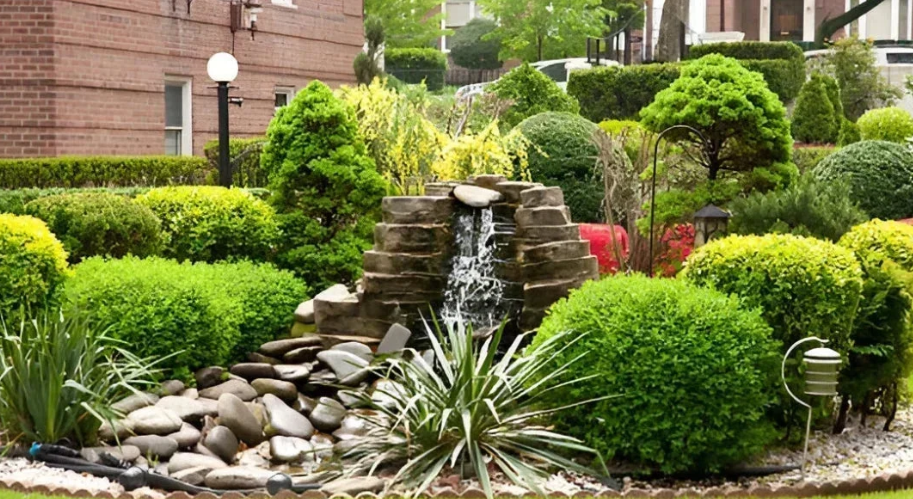
The rock garden concept originated as an attempt to recreate a genuinely specific set of conditions: the fast-draining, mineral-poor scree slopes of high mountain terrain, where alpine plants evolved to survive with their roots wedged between and beneath stones. That origin matters more than it might seem, because the rocks in a well-designed rock garden aren’t purely decorative. A stone genuinely moderates the soil temperature directly beneath it, keeping roots cooler on a hot day than open soil would, while also holding onto moisture longer in that shaded pocket even as the surrounding surface dries out fast.
That microclimate effect is exactly why a rock garden supports plants that would otherwise struggle or rot in an ordinary bed. Alpine and scree species specifically evolved for sharp drainage and lean, low-fertility conditions, and planting them in rich, amended garden soil is often a faster way to kill them than genuine neglect ever would be. The rock arrangement itself does real horticultural work here, not just visual work, which is part of why a thoughtfully built rock garden tends to outperform a pile of stones with a few succulents tucked in as an afterthought.
The category has also grown considerably beyond its alpine origins, and a genuine rock garden today might mean anything from a tiny trough garden on a windowsill to an entire terraced hillside. The North American Rock Garden Society maintains detailed plant and construction resources specifically for the alpine and scree styles that most other rock garden ideas ultimately derive from. What follows covers 50 rock garden ideas with plants, spanning classic alpine styles, regional adaptations, and a range of scales and settings.
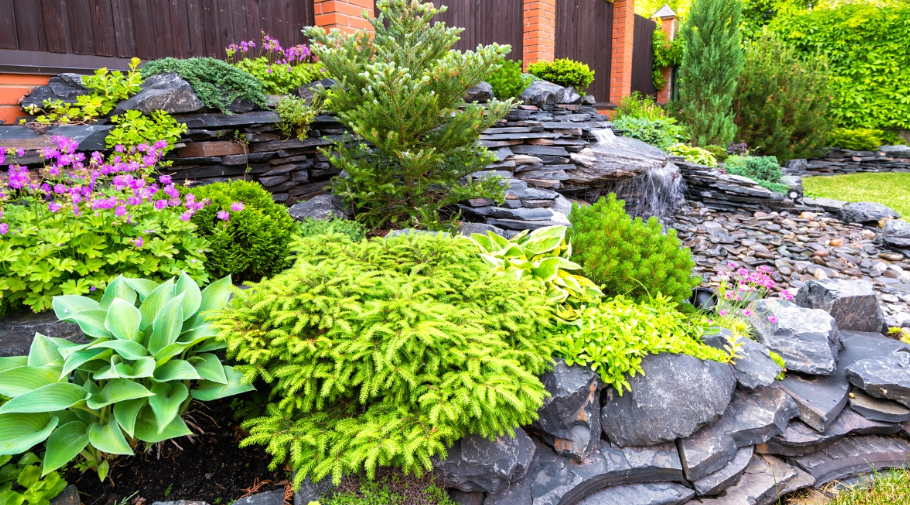
Alpine Rock Garden
Alpine rock gardens recreate high-mountain scree conditions as closely as possible, using genuinely sharp-draining gravel and rock arrangements to support true alpine plant species that would rot in ordinary garden soil. Their tightly cushioned, low-growing plants form dense mats and mounds between the stones.
They need consistently excellent drainage above nearly everything else, since standing water is genuinely more likely to kill an alpine plant than any amount of cold or drought.
Scree Garden
Scree gardens go further than a standard alpine bed, building an entire planting area almost entirely from loose gravel and small stones with minimal soil mixed in, mimicking a genuine mountainside talus slope. Their extreme drainage supports some of the most demanding, drought-sensitive alpine species available.
They require considerably more initial material investment than a soil-based bed, given the sheer volume of gravel needed to build a genuinely deep scree layer.
Crevice Garden
Crevice gardens set flat stones on edge, close together, creating narrow vertical planting crevices that mimic the fractured rock faces alpine plants naturally root into in the wild. Their striking, sculptural stone arrangement has made them an increasingly popular specialty style among serious rock gardeners.
They demand genuinely careful stone placement and construction skill, considerably more technical than simply arranging boulders in a bed.
Japanese-Inspired Rock Garden
Japanese-inspired rock gardens combine carefully placed stones with moss, dwarf pine, and other restrained plantings, drawing on traditional principles of asymmetry and considered simplicity. Their deliberate, uncluttered composition offers a genuine contrast to a densely planted alpine bed.
They benefit from a genuinely limited plant palette, since the style depends on restraint and careful placement rather than variety or abundance.
Mediterranean Rock Garden
Mediterranean rock gardens pair drought-tolerant herbs like rosemary, thyme, and lavender with sun-baked stone, recreating the lean, rocky hillside conditions these plants naturally evolved in. Their fragrant, silvery foliage provides genuine sensory appeal beyond visual interest alone.
They need full sun and excellent drainage, thriving on the kind of poor, rocky soil that would leave a typical ornamental bed struggling.
Desert Rock Garden
Desert rock gardens combine cacti and other true desert succulents with sand, gravel, and larger stone accents, recreating an arid Southwestern landscape regardless of the actual regional climate. Their striking sculptural forms provide dramatic visual interest even without any flowers present.
They need genuinely minimal supplemental water once established, and overwatering is a far more common cause of failure here than drought ever is.
Xeriscape Rock Garden
Xeriscape rock gardens combine a broader range of drought-tolerant plants, natives and adapted ornamentals alike, with rock and gravel groundcover specifically to minimize a landscape’s overall water demand. Their practical, water-conscious design has made them increasingly popular in genuinely dry regions facing water restrictions.
They benefit from grouping plants with genuinely similar water needs together, since even drought-tolerant species vary considerably in exactly how little water they can handle.
Woodland Rock Garden
Woodland rock gardens position stone among shade-tolerant ferns, wildflowers, and moss beneath an existing tree canopy, using the rocks to create cool, moisture-retentive pockets in dappled light. Their layered, naturalistic composition suits an already-wooded property particularly well.
They need a genuinely different plant palette than a sun-loving alpine bed, favoring shade and moisture tolerance over the drought resistance most rock garden plants are known for.
Rock Garden Waterfall Feature
Rock garden waterfall features incorporate a small, pumped water cascade running over and between stacked stones, adding movement and sound to an otherwise static planting. Their combination of water and rock creates genuinely varied microclimates, from the splash zone’s consistent moisture to the drier stone above it.
They require ongoing pump maintenance and periodic cleaning to prevent algae buildup, a real ongoing commitment beyond a purely planted rock garden.
Dry Streambed Rock Garden
Dry streambed rock gardens arrange stone in a winding, streambed-like channel that stays dry most of the time but can also function as genuine drainage during a heavy rain. Their naturalistic, meandering form works well connecting different areas of a larger landscape.
They benefit from graduated stone sizing along the channel, smaller pebbles in the center where water would flow fastest, larger stones toward the edges, mimicking how a real streambed actually sorts material.
Raised Rock Garden Bed
Raised rock garden beds build the planting area above the surrounding grade using stone or rock retaining walls, improving drainage considerably compared to a flat, ground-level bed. Their elevated structure also makes tending and viewing the plants genuinely easier without bending as far.
They require more upfront construction effort than a simple ground-level arrangement, given the retaining structure needed to hold the raised soil and gravel in place.
Terraced Rock Garden Retaining Wall
Terraced rock garden retaining walls step a series of planted stone walls down a genuinely steep slope, both stabilizing the hillside and creating multiple distinct planting pockets at different heights. Their tiered structure turns an otherwise difficult-to-garden slope into a genuinely productive planting opportunity.
They need real engineering consideration for a taller or steeper slope, since a poorly built retaining wall risks genuine structural failure under the weight of wet soil.
Boulder Rock Garden
Boulder rock gardens use a handful of genuinely large stones as the primary visual anchors, with smaller plantings filling in around and between them rather than the reverse. Their substantial scale creates real focal points that smaller gravel and pebble arrangements can’t match.
They require heavy equipment or professional installation to move and place boulders of any real size, a genuine cost consideration beyond a smaller-stone design.
Gravel Garden
Gravel gardens spread a layer of fine crushed stone or pea gravel across the planting area instead of traditional mulch, providing sharp drainage and a clean, low-maintenance surface between plants. Their neutral, textured backdrop lets individual plant specimens stand out more clearly than a busy mulched bed would.
They need periodic weeding despite the gravel’s suppressive effect, since wind-blown seed and organic debris still accumulate on the surface over time.
Traditional Rockery
Traditional rockeries follow the classic Victorian-era British style, mounding stone into an artificial hill or outcrop planted with a genuinely dense mix of alpine and rock garden perennials. Their historic design tradition has influenced most modern rock garden styles that followed.
They require careful attention to stone orientation and layering during construction, mimicking how natural rock strata actually appear rather than simply piling stones randomly.
Trough Garden
Trough gardens plant a genuine miniature alpine landscape within a shallow stone or hypertufa container, scaling the entire rock garden concept down to a portable, tabletop or patio size. Their compact scale makes them accessible to a gardener with no real yard space at all.
They need excellent drainage holes and a genuinely gritty, fast-draining soil mix, since a container’s limited volume makes proper drainage even more critical than in an open bed.
Rock Garden Berm
Rock garden berms mound soil and gravel into a raised, gently sloped hill before adding stone accents and plantings across its surface, improving drainage naturally through the elevated form. Their gentle undulation also adds genuine topographic interest to an otherwise flat yard.
They need the mounded soil properly compacted and stabilized during construction, since a poorly settled berm can erode or shift considerably in its first year.
Hillside Slope Rock Garden
Hillside slope rock gardens work directly with an existing steep grade, using stone both to stabilize the soil against erosion and to create planting pockets across the difficult terrain. Their practical erosion-control function makes them a genuine solution rather than purely a design choice.
They benefit from deep-rooted plants specifically chosen for slope stabilization, since a rock garden built on a genuine hillside needs to hold soil in place as much as it needs to look attractive.
Front Yard Rock Garden
Front yard rock gardens replace a portion or all of a traditional lawn with stone and drought-tolerant plantings, offering genuine curb appeal alongside reduced water and mowing needs. Their visibility from the street also makes overall composition and seasonal interest matter more than in a hidden backyard bed.
They benefit from checking local HOA or municipal landscaping rules before installation, since some jurisdictions have specific front-yard planting requirements a rock garden design needs to work within.
Poolside Rock Garden
Poolside rock gardens surround a swimming pool with stone and heat-tolerant plantings, creating a naturalistic edge that also handles pool splash and chlorine exposure better than a typical flower bed would. Their durable stone surface also resists the staining and wear pool-adjacent foot traffic can cause.
They need plants genuinely tolerant of occasional chlorinated water contact, ruling out species that are sensitive to the chemical residue pool splash can leave behind.
Rock Garden Pathway Border
Rock garden pathway borders line a walkway with stone and low, spreading plants, softening the hard edge of a paved or gravel path while still keeping plantings low enough not to obstruct passage. Their linear form makes efficient use of an otherwise underused strip of yard.
They benefit from genuinely low-growing or trailing plant selections, since anything too tall or sprawling along a path edge becomes a practical obstruction rather than a decorative border.
Moss and Stone Zen Garden
Moss and stone Zen gardens pair shade-loving moss with carefully placed stones, creating a genuinely tranquil, monochromatic composition suited to a meditative or contemplative garden space. Their soft, velvety moss texture provides a striking contrast to the hard stone surfaces around it.
They need consistently moist, shaded conditions to keep the moss healthy, struggling considerably in a sunny or genuinely dry location.
Succulent Rock Garden
Succulent rock gardens pair drought-tolerant succulents with stone and gravel, creating a genuinely striking mosaic of color, texture, and form that thrives on minimal water input. Their considerable variety in leaf shape and color rivals a flowering bed for visual interest without needing blooms at all.
They need excellent drainage above nearly everything else, since succulents are considerably more vulnerable to rot from trapped moisture than to drought.
Cactus Rock Garden
Cactus rock gardens combine cold-hardy cactus species with stone in a climate too cold for a full desert-style planting, proving that cacti aren’t exclusively a Southwestern desert plant. Their surprising cold tolerance in the right species has made them an increasingly popular rock garden specialty.
They need genuinely sharp drainage regardless of climate, since a cold-hardy cactus can survive winter temperatures that would kill it far more readily if its roots were sitting in wet soil.
Fairy Garden Rock Feature
Fairy garden rock features incorporate miniature accessories, tiny doors, paths, and figures, alongside small-scale alpine or moss plantings, creating a genuinely whimsical scene at a dollhouse-like scale. Their playful character has made them a popular project for engaging children in gardening.
They work best with genuinely slow-growing, small-statured plants, since anything that grows quickly will overwhelm the miniature scale the design depends on.
Rock Garden with Ornamental Grasses
Rock gardens with ornamental grasses pair fine-textured grasses like blue fescue or feather reed grass with stone accents, adding movement and vertical interest that low, mat-forming alpine plants alone can’t provide. Their seasonal color shifts, especially through fall, extend the garden’s visual interest well beyond a single bloom period.
They need grass species genuinely suited to lean, well-drained soil, since a moisture-loving grass would undermine the sharp drainage a rock garden depends on.
Coastal Rock Garden
Coastal rock gardens combine salt-tolerant native plants with stone specifically chosen to withstand ocean spray and sandy, windswept conditions. Their tough, low-profile plantings need to handle genuinely harsher exposure than an inland rock garden ever faces.
They need a considerably narrower plant palette than an inland design, since salt tolerance rules out a significant share of typical rock garden species.
Rock Garden Island Bed
Rock garden island beds stand as a freestanding planting surrounded entirely by lawn, viewable and accessible from every direction rather than backed against a wall or fence. Their all-around visibility means composition needs to work from multiple viewing angles simultaneously.
They benefit from a genuinely tallest-to-shortest layering from center to edge if viewed from all sides, rather than the front-to-back tiering a wall-backed bed would use.
Corner Rock Garden
Corner rock gardens fit efficiently into an underused corner of a yard or foundation, making productive use of an area that often gets overlooked in a broader landscape plan. Their contained footprint makes them a genuinely manageable starter project for a first rock garden.
They benefit from checking how much sun that specific corner actually receives, since a corner tucked against a building or fence can have meaningfully different light conditions than the rest of the yard.
Rock Garden Around a Tree Base
Rock gardens around a tree base surround an existing tree’s root zone with stone and shade-tolerant plantings, solving the awkward bare-soil ring that often forms beneath a mature tree’s canopy. Their design needs to work around the tree’s own root competition for water and nutrients.
They need genuinely shallow-rooted plants that won’t compete too aggressively with the tree’s own root system, and mounding soil too deeply against the trunk should be avoided entirely.
Vertical Stacked Stone Wall Garden
Vertical stacked stone wall gardens tuck small plants directly into the gaps and pockets of a dry-stacked retaining or freestanding wall, turning a purely structural element into a genuine planted feature. Their vertical orientation makes efficient use of space a flat bed can’t offer.
They need plants genuinely tolerant of a shallow, exposed root zone, since a wall crevice offers considerably less soil volume and moisture retention than an open bed.
Rock Garden Pond Feature
Rock garden pond features surround a small in-ground pond with stone and moisture-loving plants at the water’s edge, transitioning gradually from aquatic to drier rock garden conditions further from the water. Their combination supports a genuinely wider range of plant types than either a pond or a dry rock garden alone.
They need careful plant zoning by moisture tolerance moving away from the water’s edge, since a plant suited to the pond margin will likely struggle in the drier rock garden beyond it.
Modern Minimalist Rock Garden
Modern minimalist rock gardens favor clean geometric stone arrangements, a restrained plant palette, and considerable open gravel space, emphasizing structure over abundance. Their pared-down aesthetic suits a contemporary architectural setting particularly well.
They can look visually sparse in the first year or 2 before plants reach their mature spread, a real consideration for anyone wanting immediate visual impact.
Cottage-Style Rock Garden
Cottage-style rock gardens soften stone accents with a genuinely dense, informal mix of flowering perennials, blurring the boundary between rock garden and a typical romantic cottage border. Their relaxed abundance offers a real contrast to a more restrained alpine or minimalist design.
They require more ongoing maintenance to keep the intentionally loose planting style from overwhelming the stone accents entirely.
Flowering Groundcover Rock Garden
Flowering groundcover rock gardens fill the spaces between stones with low, spreading, blooming plants like creeping phlox or aubrieta, creating vivid color across the entire bed rather than isolated plant clumps. Their carpet-like bloom display is often the most photographed moment of the rock garden calendar.
They benefit from staggering different groundcover species’ bloom times, since a single species blooming all at once leaves the garden considerably quieter the rest of the season.
Sedum Mat Rock Garden
Sedum mat rock gardens use low, spreading sedum species to form a genuinely dense, drought-tolerant groundcover between and over stones, requiring minimal water or maintenance once established. Their fleshy, colorful foliage provides year-round interest even outside the bloom period.
They need excellent drainage, sharing succulents’ general vulnerability to rot in consistently damp conditions.
Rock Garden Entryway Planting
Rock garden entryway plantings position stone and low plantings directly alongside a front door or walkway, creating genuine first impressions for visitors approaching the house. Their prominent placement means plant selection and maintenance matter more here than almost anywhere else in a landscape.
They benefit from year-round structural interest, since an entryway planting that looks bare through winter undermines the welcoming effect it’s meant to create.
Dwarf Conifer Rock Garden
Dwarf conifer rock gardens pair genuinely slow-growing, miniature evergreen conifers with stone, providing permanent structure and year-round color that herbaceous alpine plants alone can’t offer through winter. Their considerable variety in needle color and growth form creates real textural interest even without flowers.
They need careful spacing that accounts for a conifer’s eventual mature size, even a slow-growing one, since overcrowding becomes a genuine problem a decade or 2 down the line.
Rock Garden Steps
Rock garden steps build a functional stairway into a sloped rock garden using flat stones as the actual tread surface, with plantings tucked into the risers and surrounding gaps. Their combination of function and planting makes efficient use of space that a purely decorative slope would otherwise waste.
They need genuinely stable, level stone treads for safety, a practical requirement that takes priority over purely aesthetic stone selection.
Miniature Tabletop Rock Garden
Miniature tabletop rock gardens scale the entire concept down to a shallow dish or planter small enough to sit on a table, patio, or windowsill. Their genuinely compact scale makes rock gardening accessible to anyone without any outdoor growing space at all.
They need very small-scale plants specifically, since even a modestly sized alpine species can quickly overwhelm a container this size.
Native Wildflower Rock Garden
Native wildflower rock gardens pair regionally native perennials with stone, supporting local pollinators and wildlife while still benefiting from a rock garden’s improved drainage and reduced maintenance. Their regionally appropriate plant list also tends to need less supplemental water than an imported alpine palette.
They benefit from researching which native species genuinely prefer lean, rocky soil, since not every regional native is naturally suited to rock garden conditions despite being locally adapted.
Rock Garden Firepit Surround
Rock garden firepit surrounds ring an outdoor firepit with heat-tolerant stone and drought-resistant plantings set back a safe distance from the flame. Their durable, fire-safe materials make them a genuinely practical choice for an area that sees direct heat exposure.
They need plants and mulch materials kept a genuinely safe distance from the actual fire, since dried plant material near an open flame is a real fire hazard regardless of how attractive the arrangement looks.
Driftwood Accent Rock Garden
Driftwood accent rock gardens combine weathered wood pieces with stone, adding organic textural contrast and a genuinely coastal or naturalistic character to the overall composition. Their mix of hard stone and soft, worn wood creates visual variety a purely rock-based design can lack.
They need the driftwood treated or selected for genuine outdoor durability, since untreated wood breaks down considerably faster than the stone it’s paired with.
Creeping Thyme Stepping Stone Rock Garden
Creeping thyme stepping stone rock gardens plant fragrant, low-growing thyme in the gaps between flat stepping stones, releasing a genuine herbal scent when walked on. Their practical, walkable design turns a functional path into a sensory garden feature.
They need a thyme variety genuinely tolerant of light foot traffic, since not every ornamental thyme cultivar handles regular stepping the way a true creeping type does.
Rock Garden with LED Lighting
Rock gardens with LED lighting incorporate small, often solar-powered fixtures tucked among the stones, extending the garden’s visual interest into the evening hours. Their subtle illumination highlights stone texture and plant silhouette in a way daytime viewing alone can’t capture.
They need fixtures genuinely rated for outdoor exposure and placed where they won’t be accidentally damaged during routine garden maintenance.
Rock Garden Privacy Screen
Rock garden privacy screens incorporate taller shrubs and ornamental grasses among the stone accents specifically to block an unwanted view, functioning as a living screen with rock garden detailing at its base. Their combined height and texture offer more visual interest than a plain hedge alone.
They need the taller screening plants positioned where their eventual mature height won’t shade out the lower rock garden plantings nearby.
Rock Garden Birdbath Feature
Rock garden birdbath features set a birdbath directly among the stone and plantings, drawing local birds into a garden that might otherwise offer little in the way of water access. Their addition turns a purely ornamental planting into a genuine small wildlife habitat feature.
They need regular water changes to prevent mosquito breeding and keep the water genuinely appealing to visiting birds.
HOA-Friendly Low-Water Rock Garden
HOA-friendly low-water rock gardens balance genuine drought tolerance with a tidy, consistently maintained appearance specifically designed to meet a homeowners association’s landscaping standards. Their polished look often requires more deliberate edging and plant spacing than a looser naturalistic design.
They benefit from reviewing the specific HOA’s landscaping guidelines before installation, since requirements around visible gravel, plant height, or front-yard coverage vary considerably between communities.
Rock Garden Edging Border
Rock garden edging borders use a narrow band of stone and low plants to define the boundary of an existing garden bed or lawn area, rather than filling an entire dedicated space. Their modest scale makes them one of the more approachable rock garden projects for a first attempt.
They need consistent stone sizing along the border’s length to maintain a genuinely clean, intentional line rather than a scattered appearance.
Rain Garden and Rock Garden Hybrid
Rain garden and rock garden hybrid designs combine a stormwater-capturing basin with rock garden detailing along its drier outer rim, supporting both wet-tolerant and drought-tolerant plants within the same overall feature. Their dual function manages runoff while still delivering rock garden’s characteristic drainage and texture in the parts of the bed that stay dry.
They need careful plant zoning matching each species to its actual moisture zone, since a true alpine rock garden plant would rot in the wetter basin a rain garden’s central area experiences.
Key Takeaways
Rock garden ideas with plants can combine natural stone, gravel, and carefully selected plants to create attractive landscapes with texture and visual interest. Succulents, alpine plants, ornamental grasses, ground covers, and flowering perennials can work well with rocks while adding different colors, forms, and seasonal interest.
Choosing plants for a rock garden depends on sunlight, soil drainage, moisture, climate, and the size of the available space. Many rock-garden plants prefer well-drained soil and can tolerate relatively dry conditions, while larger rocks and stones can provide structure and help define planting areas.
A successful rock garden balances plants and hardscape elements without overcrowding the space. Using plants with different heights, textures, and flowering periods can create a natural appearance, while proper drainage, suitable spacing, and appropriate watering can help plants establish and remain healthy.
Key Takeaways
Rock garden ideas with plants can combine natural stone, gravel, and carefully selected plants to create attractive landscapes with texture and visual interest. Succulents, alpine plants, ornamental grasses, ground covers, and flowering perennials can work well with rocks while adding different colors, forms, and seasonal interest.
Choosing plants for a rock garden depends on sunlight, soil drainage, moisture, climate, and the size of the available space. Many rock-garden plants prefer well-drained soil and can tolerate relatively dry conditions, while larger rocks and stones can provide structure and help define planting areas.
A successful rock garden balances plants and hardscape elements without overcrowding the space. Using plants with different heights, textures, and flowering periods can create a natural appearance, while proper drainage, suitable spacing, and appropriate watering can help plants establish and remain healthy.