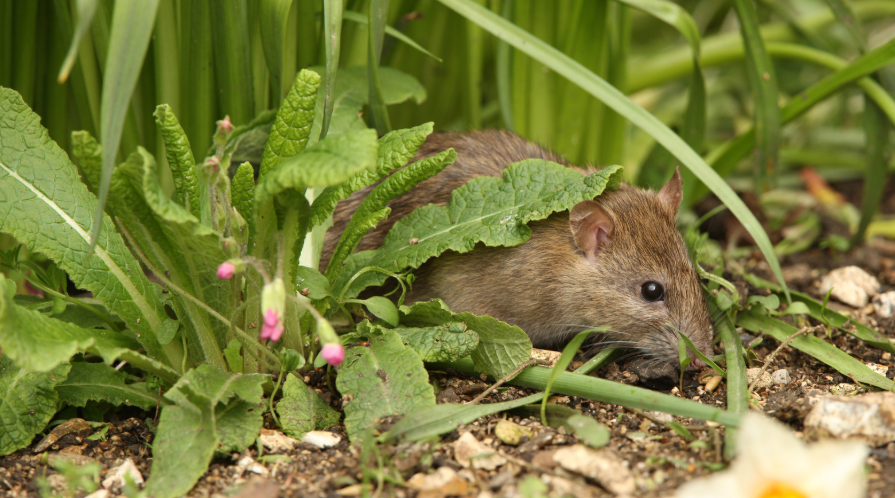
Plants that naturally repel rodents actually work through 2 genuinely different mechanisms, and knowing which one applies to a given plant changes how reliable it actually is. Some plants deter rats and mice through strong volatile scent compounds that genuinely irritate a rodent’s remarkably sensitive nose, peppermint oil being the most researched example, though field studies consistently show that effect fades within days as the plant material dries out, meaning fresh, actively growing foliage does considerably more work than a dried sprig tucked into a corner. Other plants work through outright toxicity, where a rodent that’s tried nibbling a bulb once genuinely learns to avoid it afterward, a far more durable deterrent than scent alone.
That distinction becomes especially clear, and genuinely useful, when you consider the honest exception that trips up a lot of gardeners: tulip and crocus bulbs, both widely planted alongside supposedly rodent-deterrent companions, are actually among a rodent’s favorite foods, not a deterrent at all. Meanwhile daffodil, planted in the very same bed, contains a genuinely toxic alkaloid that most rodents learn to leave alone after a single unpleasant encounter. Knowing that a bulb’s bitter reputation isn’t universal across every spring-flowering plant matters as much as knowing which plants actually work.
Scent-based deterrents also share a real practical limitation worth understanding upfront: a rodent’s aversion to a strong smell is genuinely real but rarely absolute, especially once hunger sets in or a food source is genuinely scarce elsewhere. A planting of strongly aromatic herbs around a vegetable bed makes that bed less immediately appealing compared to an unprotected one nearby, but it won’t reliably stop a determined, hungry rodent the way a physical barrier or genuine bulb toxicity can.
The Cornell University Cooperative Extension’s wildlife damage management program covers the evidence behind rodent-deterrent plant claims in more detail than a general list can. What follows covers 40 plants that naturally repel rodents, spanning scent-based deterrents and genuinely toxic bulbs rodents learn to avoid.
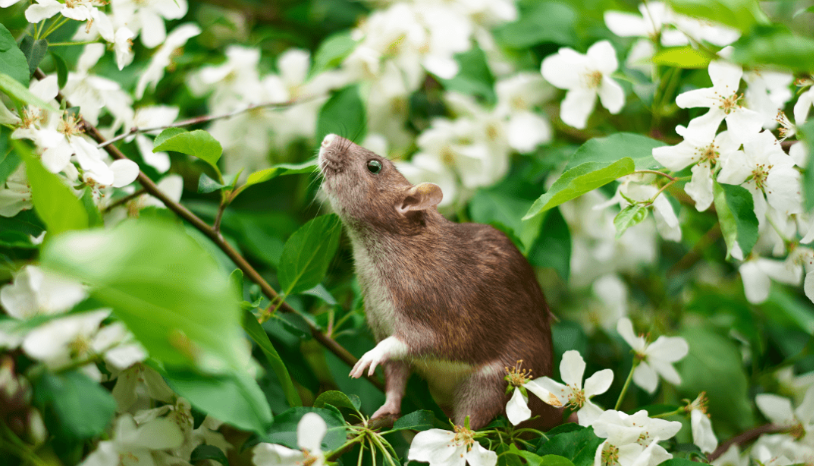
Peppermint
Peppermint produces menthol in a concentration genuinely strong enough to irritate a rodent’s sensitive nose, making it the most researched plant-based rodent deterrent available, with commercial peppermint oil products marketed specifically for this purpose. Its effect fades considerably as the plant material dries, meaning fresh, actively growing foliage or regularly refreshed oil does far more work than a single application.
It tolerates more shade and moisture than most other aromatic herbs, and its considerable vigor means container growing genuinely helps keep it from spreading beyond its intended bed. The National Pesticide Information Center documents peppermint oil’s registered use and known efficacy limitations as a rodent deterrent.
Spearmint
Spearmint shares peppermint’s genuine menthol-based deterrent properties in a slightly milder form, offering similar rodent-discouraging scent with a flavor profile many gardeners prefer for culinary use. Its effect similarly fades as the plant dries, favoring fresh growth over stored material.
It tolerates more shade and moisture than most other aromatic herbs, thriving in genuinely damp conditions that would challenge many other deterrent plants.
Daffodil
Daffodil bulbs contain lycorine, a genuinely toxic alkaloid that makes them bitter and harmful enough that rodents learn to avoid them after a single unpleasant taste, a considerably more durable deterrent mechanism than scent alone. Its reliable spring color is a genuine bonus alongside its real, chemically grounded rodent resistance.
It grows from a bulb planted in fall, its genuine toxicity offering one of the more dependable entries on this entire list. The ASPCA Animal Poison Control database documents lycorine’s confirmed toxicity, the same mechanism responsible for daffodil’s genuine rodent resistance.
Fritillaria
Fritillaria, particularly the crown imperial variety, produces a genuinely strong, skunk-like odor that many gardeners report keeps both moles and rodents away from an entire bed, not just the bulb itself. Its unusual checkered flower pattern also makes it a genuine garden curiosity beyond its practical value.
It grows from a bulb planted in fall, its distinctive strong odor offering a genuinely more field-tested reputation than many purely scent-based deterrent plants.
Castor Bean
Castor bean contains ricin, a genuinely and seriously toxic compound historically associated with deterring moles and rodents from a garden area, though that same toxicity makes real caution around children and pets genuinely essential. Its dramatic, tropical-looking foliage has made it a popular ornamental despite the real safety concern.
It thrives in full sun and rich soil, and its genuine toxicity is a serious enough consideration that many gardeners choose a safer alternative specifically because of it. The National Capital Poison Center documents ricin’s confirmed severe toxicity, a safety consideration worth taking seriously before planting.
Garlic
Garlic produces sulfur compounds with some genuine rodent-deterrent activity, and crushed garlic or garlic-based sprays are a common home remedy applied around a garden’s perimeter for exactly that reason. Its considerable pungency when crushed releases far more of the deterrent compound than an undisturbed, whole bulb provides.
It thrives in full sun and well-drained soil, its genuine repellent compounds concentrated most strongly when crushed rather than left intact.
Onion
Onion shares garlic’s genuine sulfur compound profile, carrying a similar home-remedy reputation for discouraging rodent activity when planted or applied around a vulnerable bed. Its considerable culinary value holds regardless of how consistently its deterrent effect actually performs.
It thrives in full sun and well-drained soil, offering real kitchen value alongside its more modest rodent-deterrent reputation.
Lavender
Lavender produces genuinely strong aromatic compounds that many gardeners report discourage rodent activity nearby, alongside its better-documented effectiveness against moths and fleas. Its considerable fragrance intensity develops most strongly in a hot, sun-baked spot.
It demands sharp drainage, thriving in exactly the lean, sun-baked conditions that also concentrate its aromatic oils most effectively.
Rosemary
Rosemary produces genuinely aromatic oils that some gardeners report discourage rodent activity in its immediate vicinity, alongside its well-documented culinary and insect-repellent value. Its woody, evergreen structure also provides less inviting ground-level cover than a soft, sprawling groundcover would.
It wants full sun and excellent drainage, its concentrated aromatic oils developing most strongly in exactly the lean, dry conditions the plant prefers.
Sage
Sage produces genuinely aromatic compounds carrying some reported rodent-deterrent effect alongside its better-established insect-repellent reputation. Its robust, velvety leaves also hold real culinary value beyond any pest-related benefit.
It wants full sun and genuinely well-drained soil, its aromatic oil concentration developing most strongly in lean, dry growing conditions.
Thyme
Thyme produces thymol, a genuinely documented aromatic compound with some reported rodent-deterrent activity alongside its better-studied insect-repellent properties. Crushing or bruising its leaves releases considerably more of that compound than an undisturbed plant offers passively.
It wants full sun and excellent drainage, thriving in the same lean, dry conditions that concentrate its aromatic oils most effectively.
Marigold
Marigold carries a widespread companion planting reputation for discouraging a range of garden pests, rodents included, though the evidence specifically for rodents is considerably more anecdotal than its better-documented nematode-suppressing root activity. Its compact, upright growth also avoids building the kind of dense ground cover that would shelter rodent activity in the first place.
It thrives in full sun and average soil, offering genuine landscaping value regardless of how well-supported its specific rodent claim actually is.
Wormwood
Wormwood produces genuinely bitter, strongly aromatic compounds with a long traditional history as a general pest and rodent deterrent. Its considerable bitterness makes it an unappealing food source even for a hungry rodent that might otherwise nibble at nearby foliage.
It tolerates poor, dry soil and full sun, thriving on considerable neglect once established.
Mint
Mint, across its many species, produces genuinely documented menthol-based compounds with real reported deterrent activity against rodents alongside insects. Its considerable vigor makes container growing a genuinely wise precaution regardless of which specific variety is chosen.
It tolerates more shade and moisture than most other aromatic herbs, thriving in a damp, partly shaded spot several other deterrent plants would struggle with.
Catnip
Catnip’s genuine rodent-deterrent value works through an interesting dual mechanism, its strong scent alongside its considerable appeal to cats, a real natural rodent predator that a catnip planting may draw into the area. Its nepetalactone content also carries some direct scent-based deterrent property of its own.
It thrives in full sun to partial shade and well-drained soil, spreading readily enough that some gardeners choose to contain its vigorous growth.
Gopher Purge
Gopher purge, also called mole plant, has a long traditional reputation specifically for deterring gophers, moles, and rodents from burrowing nearby, though its milky sap is genuinely irritating to skin and worth handling with real caution. Its unusual, architectural foliage also makes it a genuine curiosity in a garden bed.
It tolerates a range of soil conditions and full sun, and genuine care handling its irritant sap matters as much as its reported deterrent reputation.
Chives
Chives produce mild sulfur compounds similar to their onion and garlic relatives, carrying a modest reputation for discouraging rodent activity alongside their better-known use against aphids and beetles. Their edible purple flowers add genuine culinary and ornamental value alongside the uncertain rodent claim.
They tolerate a range of soil conditions and ask for very little beyond consistent sun, remaining useful regardless of how well-proven their specific deterrent reputation actually is.
Leeks
Leeks share the broader allium family’s genuine sulfur compound profile, carrying some of the same modest rodent-deterrent reputation as its onion and garlic relatives. Its considerable culinary versatility gives it real value regardless of the pest-related claim’s strength.
They want full sun and rich, consistently moist soil, offering genuine kitchen use alongside an uncertain but plausible deterrent reputation.
Ornamental Allium
Ornamental allium bulbs carry the same genuine sulfur compound and bitter taste as their edible onion relatives, making them a bulb rodents generally leave alone once they’ve encountered the unpleasant flavor. Their striking round flower heads also make them a genuine architectural garden addition beyond their practical value.
It grows from a bulb planted in fall, its genuine bitterness offering more reliable protection than a purely scent-based deterrent plant.
Elderberry
Elderberry carries a folk reputation for discouraging rodent activity nearby, a claim with more anecdotal than rigorously tested support, though its berries and flowers hold genuine culinary and medicinal value regardless. Its considerable size makes it more of a large shrub than a compact deterrent planting.
It tolerates a range of soil conditions and full sun to partial shade, offering real fruit production alongside its uncertain rodent-related reputation.
Cayenne Pepper
Cayenne pepper produces capsaicin, a genuinely documented compound that irritates a rodent’s sensitive nose and mouth, with capsaicin-based repellent sprays a common commercial rodent deterrent product for exactly that reason. The living plant itself provides a considerably milder version of that same effect compared to a concentrated extracted spray.
It thrives in full sun and warm, well-drained soil, its genuine capsaicin content offering real, if modest, deterrent value from the growing plant alone. The University of Nebraska-Lincoln Extension’s wildlife damage management resources document capsaicin’s confirmed mechanism as a mammalian repellent active ingredient.
Hyacinth
Hyacinth bulbs carry some genuine bitterness that discourages rodent feeding, though the effect is considerably milder than daffodil’s more potent toxicity. Its intensely fragrant spring flowers are a genuine bonus alongside its modest bulb-based deterrent property.
It grows from a bulb planted in fall, offering real if modest bulb bitterness alongside its considerable fragrance value.
Snowdrop
Snowdrop bulbs contain genuinely toxic alkaloids similar to daffodil’s, making them a bulb rodents generally learn to avoid after an unpleasant encounter. Its early, cheerful white blooms provide genuine seasonal value alongside its real bulb-based protection.
It grows from a bulb planted in fall, its genuine toxicity offering considerably more reliable protection than a purely scent-based approach.
Basil
Basil produces genuinely aromatic compounds with some reported rodent-discouraging effect alongside its better-documented insect-repellent properties. Its considerable culinary value gives it real dual-purpose appeal beyond any pest-related benefit.
It thrives in full sun and consistently moist soil, its aromatic oils releasing most strongly when the leaves are brushed or crushed.
Lemongrass
Lemongrass produces citronellal, a genuinely documented compound with some reported rodent-deterrent activity alongside its better-established insect-repellent reputation. Its culinary value in Southeast Asian cooking gives it real dual-purpose appeal beyond pest control.
It thrives in full sun and consistently moist soil in a warm climate, growing into a substantial clump with genuine aromatic intensity in its crushed leaves.
Citronella Grass
Citronella grass produces the same genuinely documented citronellal compound found in lemongrass, carrying some reported rodent-deterrent property alongside its much better-established mosquito-repelling reputation. Its considerable oil concentration in the crushed leaf makes it one of the more aromatically intense plants on this list.
It thrives in full sun and warm, humid conditions, growing into a substantial clump with genuine aromatic strength concentrated in its foliage.
Lemon Balm
Lemon balm produces citronellal alongside its pleasant lemon scent, carrying some reported rodent-deterrent property in addition to its better-documented insect-repellent use. Its considerable vigor means some containment is genuinely worth considering to keep it from spreading unchecked.
It tolerates a range of soil conditions and full sun to partial shade, its aromatic oils releasing most strongly when the foliage is bruised or crushed.
Oregano
Oregano produces genuinely aromatic carvacrol and thymol compounds with some reported rodent-discouraging effect alongside its better-documented insect-repellent properties. Its considerable culinary value gives it real dual-purpose appeal beyond any pest-related benefit.
It tolerates full sun and well-drained soil, spreading readily enough to eventually need some periodic thinning.
Tansy
Tansy produces genuinely aromatic compounds with a long traditional history as a general pest and rodent deterrent, though the plant has become invasive in parts of the country and is worth checking against regional guidance before planting. Its considerable toughness and long bloom period make it effective where it’s not a regional concern.
It tolerates poor soil and considerable neglect, thriving with essentially no cultivation once established.
Southernwood
Southernwood, a genuine Artemisia relative of wormwood, produces similarly bitter, aromatic compounds with a long traditional use deterring rodents from stored grain and fabric. Its fine, feathery, silver-green foliage also provides attractive texture in an herb border.
It tolerates poor, dry soil and full sun, thriving on considerable neglect once established.
Rue
Rue produces genuinely bitter, pungent compounds that many gardeners report discourage rodent activity nearby, alongside its documented function as overwintering shelter for beneficial insects. Its considerable bitterness also makes its foliage an unappealing food source for browsing wildlife generally.
It tolerates poor, dry soil and full sun, and handling the foliage is worth some caution, since it can cause skin irritation in sensitive individuals under strong sunlight.
Bay Laurel
Bay laurel leaves carry a long traditional use tucked into stored grain and dried goods specifically to discourage rodent activity, a genuine historical practice predating modern pest control. Its considerable culinary value as a cooking herb holds regardless of how consistently the rodent-deterrent tradition actually performs.
It wants full sun to light shade and well-drained soil, its dried leaves carrying genuine traditional use in pantry and grain storage protection.
Camphor Plant
Camphor plant produces a genuinely strong, distinctive scent similar to commercial camphor, historically used as a rodent and insect deterrent in stored textiles and grain, much like cedar or mothballs. Its considerable aromatic intensity makes it one of the more strongly scented plants on this entire list.
It tolerates a range of soil conditions and full sun, its genuine camphor-like scent offering real traditional deterrent value.
Fennel
Fennel produces genuinely aromatic compounds with some reported rodent-discouraging effect, though its primary garden value lies in drawing beneficial predatory insects rather than directly repelling larger pests. Its considerable height also provides less inviting ground-level cover than a low, dense groundcover would.
It thrives in full sun and well-drained soil, its self-seeding tendency meaning a single planting often continues for years.
Dill
Dill shares fennel’s modest aromatic deterrent reputation alongside its better-documented role drawing beneficial predatory insects to its umbrella-shaped flower clusters. Its relatively open, upright growth habit also avoids creating the dense ground cover that would shelter rodent activity.
It thrives in full sun and well-drained soil, working more reliably through beneficial insect support than any direct rodent-deterrent property.
Society Garlic
Society garlic produces a mild garlic scent carrying some of the same modest rodent-deterrent reputation as true garlic, in a more ornamental, compact package. Its considerable drought tolerance makes it a low-maintenance addition regardless of how well-proven the specific claim is.
It tolerates poor soil and drought remarkably well, its genuinely open growth structure also avoiding the ground cover that would shelter rodent activity.
Garlic Chives
Garlic chives combine chives’ mild allium scent with a stronger garlic note, carrying a similar modest reputation for discouraging rodent activity to its onion family relatives. Their white flower clusters also draw genuine pollinator interest alongside the uncertain pest claim.
They tolerate a range of soil conditions and full sun, offering real culinary versatility regardless of how well-supported their specific deterrent reputation actually is.
Squill
Squill bulbs contain genuinely bitter, mildly toxic compounds that most rodents learn to avoid after an unpleasant encounter, offering a real bulb-based deterrent similar in mechanism to daffodil and snowdrop. Its early, vivid blue spring flowers provide genuine seasonal color alongside that practical benefit.
It grows from a bulb planted in fall, its genuine bitterness offering more dependable protection than a purely scent-based deterrent plant.
Black Mustard
Black mustard produces genuinely pungent compounds with a long traditional reputation for discouraging rodent activity nearby, its sharp scent similar in principle to the allium family’s sulfur-based deterrence. Its bright yellow flowers also draw genuine pollinator and beneficial insect interest.
It tolerates a range of soil conditions and full sun, its pungent foliage carrying real if anecdotal rodent-deterrent value.
Horseradish
Horseradish produces genuinely intense, pungent compounds in its root, historically used as a rodent deterrent when grated or crushed and placed around a vulnerable area. Its considerable pungency when disturbed releases far more of the deterrent compound than an undisturbed root provides.
It tolerates a range of soil conditions and full sun to partial shade, its genuinely sharp root pungency offering real, if localized, deterrent value once crushed or grated.
Key Takeaways
Plants are sometimes used to help discourage rats and mice because certain strong scents may be unpleasant to rodents. Aromatic plants such as mint, lavender, rosemary, and some herbs are commonly associated with rodent deterrence, although their effectiveness can vary and plants alone are not a reliable way to eliminate an infestation.
Choosing suitable plants depends on the local climate, sunlight, soil, moisture, and available space. Planting aromatic species around garden borders, pathways, or areas where rodents may enter can add greenery and fragrance while potentially making some areas less attractive to them.
Effective rodent management usually requires more than planting deterrent plants. Removing food sources, keeping waste securely contained, reducing clutter and hiding places, sealing gaps around buildings, and maintaining a clean garden can help make the environment less suitable for rats and mice.