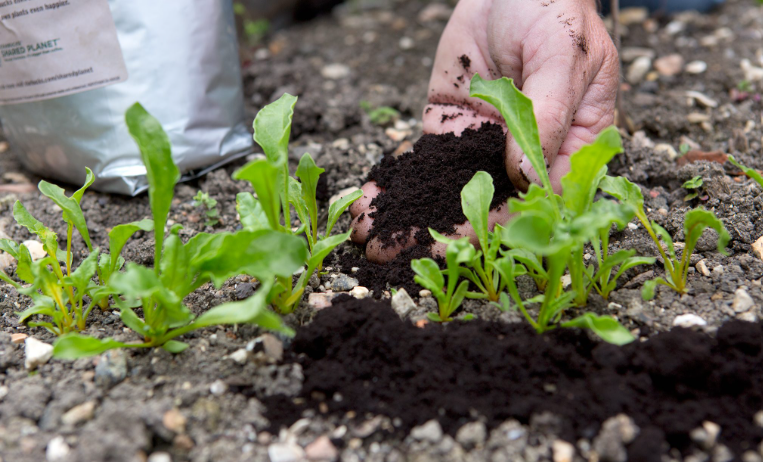
The idea that coffee grounds make a great fertilizer for “acid-loving” plants is one of the most widely repeated pieces of gardening advice online, and according to Oregon State University Extension, it’s largely a myth. Coffee grounds test close to neutral after brewing, generally in the range of pH 6.5 to 6.8, and any pH change they cause in soil is minor and temporary, meaning they won’t meaningfully acidify soil for blueberries, azaleas, rhododendrons, gardenias, or blue-flowering hydrangeas the way folklore commonly claims.
That correction matters because misapplied coffee grounds can genuinely backfire. According to University of Missouri Extension, spent grounds can actually be bad for acid-loving plants since heavy use can raise soil pH over time, and grounds can release compounds that affect nearby plants. Oregon State’s own soil scientists have documented a raised garden bed ruined by overly enthusiastic coffee ground application, and university guidance consistently points toward the same conclusion: grounds work best composted in moderation, limited to roughly 20 to 25% of total compost volume, rather than applied directly and heavily around any single plant.
With that context in mind, this list focuses on plants that genuinely tolerate composted or lightly applied coffee grounds as a mild source of nitrogen and organic matter, correcting the acidification myth directly wherever it commonly comes up. What follows covers 40 plants that tolerate coffee grounds as a soil amendment.
Tomatoes
Tomatoes benefit from the modest nitrogen and organic matter composted coffee grounds add to soil, supporting the vigorous foliage growth tomatoes need throughout the season. Grounds should be composted first or worked lightly into the soil rather than piled directly against the stem, since a thick layer of fresh, uncomposted grounds can temporarily tie up nitrogen that would otherwise be available to the plant.
They grow as a warm-season garden vegetable throughout the United States.
Roses
Roses respond well to composted coffee grounds worked into the soil around their base, gaining a modest nitrogen boost that supports healthy foliage. The often-repeated claim that coffee grounds will acidify soil specifically for roses isn’t well supported, so grounds are best viewed here as a general organic amendment rather than a pH treatment.
They grow as a garden perennial throughout most of the temperate United States.
Hostas
Hostas tolerate composted coffee grounds well as a mild organic matter addition, supporting the lush foliage growth the plant is grown for. As with most plants on this list, moderation matters more than quantity, since a thick, undecomposed layer can crust over and interfere with water reaching the roots.
They grow as a shade garden perennial throughout the northern and midwestern United States.
Hydrangeas
Hydrangeas are frequently cited as a plant that benefits from coffee grounds to turn their flowers blue, but according to Oregon State University Extension, coffee grounds won’t lower soil pH enough to meaningfully affect flower color, since that shift genuinely depends on aluminum availability in more acidic soil achieved through proper soil amendments like elemental sulfur. Composted grounds can still provide a mild, general nutrient boost even though they won’t deliver the specific color change many gardeners expect.
They grow as a landscape shrub throughout much of the temperate United States.
Azaleas
Azaleas are commonly recommended as an ideal candidate for coffee grounds specifically because they prefer acidic soil, but that reasoning doesn’t hold up well, since brewed grounds sit close to neutral rather than genuinely lowering soil pH. Composted grounds can still contribute general organic matter and nitrogen, but a proper soil test and, if needed, a dedicated acidifying product remain the more reliable way to manage pH for this species.
They grow as a landscape shrub throughout much of the eastern and southeastern United States.
Rhododendrons
Rhododendrons face the same widely repeated but inaccurate advice as azaleas, since coffee grounds don’t reliably acidify soil enough to benefit this genuinely acid-preferring plant. A modest amount of composted grounds worked into the surrounding soil is unlikely to cause harm, but shouldn’t be relied on as a substitute for proper soil pH management.
They grow as a landscape shrub throughout the northern and eastern United States.
Blueberries
Blueberries are perhaps the most commonly cited “acid-loving” plant said to benefit from coffee grounds, and according to University of Missouri Extension, heavy use of spent grounds can actually work against blueberries by raising rather than lowering soil pH over time. Growers wanting genuinely acidic soil for blueberries are better served by elemental sulfur or a purpose-made acidifying fertilizer, reserving coffee grounds for their more modest role as general organic matter.
They grow as a fruiting shrub throughout much of the United States, requiring genuinely acidic soil to thrive regardless of amendment method.
Camellias
Camellias share the same acid-soil preference and the same overstated coffee-ground reputation as azaleas and rhododendrons, since brewed grounds won’t shift soil pH enough to matter for this species either. Composted grounds remain a reasonable general soil conditioner for camellias without functioning as the acidifying treatment many gardeners assume.
They grow as a landscape shrub throughout the southeastern United States and other mild-winter regions.
Carrots
Carrots tolerate composted coffee grounds worked into loose, well-draining soil, gaining a mild nitrogen and organic matter benefit without any negative effect on root development. Fresh, uncomposted grounds are best avoided directly in the row, since a dense layer can interfere with the loose soil texture carrots need to develop straight, unforked roots.
They grow as a cool-season root vegetable throughout the United States.
Radishes
Radishes grow well in soil amended with composted coffee grounds, benefiting from the same mild organic matter boost that helps most root vegetables. Their fast growing cycle means any nitrogen tie-up from fresh, uncomposted grounds is less of a practical concern than it would be for a slower-maturing crop.
They grow as a fast-maturing cool-season vegetable throughout the United States.
Peppers
Peppers respond well to composted coffee grounds mixed into garden soil, gaining a modest nitrogen contribution that supports healthy foliage growth. As with tomatoes, working the grounds into compost first, rather than piling them fresh around the base of the plant, avoids the temporary nitrogen tie-up that can occur as fresh grounds decompose.
They grow as a warm-season garden vegetable throughout the United States.
Ferns
Ferns generally tolerate composted coffee grounds well, particularly woodland species that naturally grow in soil rich with decomposing organic matter. The mild nitrogen content supports healthy frond growth without the fern requiring any specific soil acidification, despite grounds sometimes being recommended to ferns for that reason.
They grow as shade garden perennials throughout much of the United States.
Hollies
Hollies tolerate composted coffee grounds as a general organic soil amendment, gaining a mild nutrient contribution alongside whatever mulch or compost the shrub is already receiving. Like several other broadleaf evergreens on this list, hollies are sometimes recommended coffee grounds specifically for soil acidification, though that particular benefit is considerably smaller than commonly claimed.
They grow as a landscape shrub throughout much of the eastern United States.
Lilies
Lilies benefit from composted coffee grounds worked into well-draining soil, gaining a mild nitrogen boost that supports foliage growth ahead of flowering. Bulbs are sensitive to excess moisture retention, so grounds are best thoroughly composted and mixed into soil rather than applied as a thick, water-holding surface layer.
They grow as a garden perennial bulb throughout much of the temperate United States.
Peace Lily
Peace lily tolerates small, well-composted amounts of coffee grounds mixed into potting soil, gaining a mild nitrogen contribution. Because it’s a houseplant grown in a contained pot rather than open garden soil, moderation matters even more here, since excess grounds have less room to disperse and can more easily lead to mold or a compacted, poorly draining soil surface.
It’s grown as a houseplant throughout the United States.
Spider Plant
Spider plant tolerates modest amounts of composted coffee grounds mixed into its potting soil, benefiting from the mild organic matter and nitrogen contribution. As with other container-grown houseplants, restraint matters more indoors than it does in open garden soil, where excess grounds have more room to break down without concentrating around the roots.
It’s grown as a houseplant throughout the United States.
Philodendron
Philodendron tolerates well-composted coffee grounds mixed sparingly into its potting soil, gaining a mild nutrient boost that supports its lush, tropical foliage. Fresh, uncomposted grounds are best avoided in a container setting, since the limited soil volume makes it easier for grounds to create a compacted, poorly aerated surface layer.
It’s grown as a houseplant throughout the United States.
Pothos
Pothos tolerates a light amount of well-composted coffee grounds mixed into its potting soil, gaining a mild nitrogen contribution. Its tolerance for general neglect extends to soil amendments as well, though heavy, undiluted application in a small pot remains a risk worth avoiding regardless of how forgiving the plant otherwise is.
It’s grown as a houseplant throughout the United States.
Snake Plant
Snake plant is one of the few plants on this list better served by skipping coffee grounds altogether, since its preference for fast-draining, relatively dry soil doesn’t pair well with the moisture-retentive, slow-decomposing texture grounds can add to a container. A very light, well-composted amount occasionally is unlikely to cause harm, but this plant doesn’t specifically benefit the way more nitrogen-hungry foliage plants do.
It’s grown as a houseplant throughout the United States.
Zucchini
Zucchini benefits from composted coffee grounds worked into garden soil, gaining a meaningful nitrogen contribution that supports the plant’s notably fast, leafy growth. Its rapid growing cycle and heavy feeding habit make it one of the vegetables best positioned to actually use the modest nutrients grounds provide.
It grows as a warm-season garden vegetable throughout the United States.
Cucumbers
Cucumbers tolerate composted coffee grounds mixed into garden soil, gaining a mild nitrogen boost that supports the vine’s rapid summer growth. As with other vining vegetables, working the grounds into compost first avoids the temporary nitrogen tie-up that can occur when fresh grounds are applied directly.
They grow as a warm-season garden vegetable throughout the United States.
Green Beans
Green beans tolerate composted coffee grounds in garden soil reasonably well, though as a nitrogen-fixing legume they’re less dependent on external nitrogen sources than many other vegetables on this list. Any benefit here comes mainly from the general organic matter contribution rather than the modest nitrogen content.
They grow as a warm-season garden vegetable throughout the United States.
Spinach
Spinach benefits from composted coffee grounds worked into soil, gaining a nitrogen contribution that supports the plant’s leafy growth before it bolts in warm weather. Its relatively short growing season means any temporary nitrogen tie-up from fresh, uncomposted grounds is a smaller practical concern than it would be for a longer-season crop.
It grows as a cool-season leafy green throughout the United States.
Lettuce
Lettuce tolerates composted coffee grounds mixed into garden soil, gaining a mild nitrogen boost that supports its leafy growth. As a fast-maturing, shallow-rooted crop, it benefits more from a light, well-composted application than from a heavy, undecomposed layer that could interfere with its shallow root system.
It grows as a cool-season leafy green throughout the United States.
Cabbage
Cabbage responds well to composted coffee grounds worked into garden soil, gaining a nitrogen contribution that supports the dense leafy growth needed to form a solid head. Like other heavy-feeding brassicas, it’s among the vegetables genuinely positioned to make use of the modest nutrients grounds provide.
It grows as a cool-season garden vegetable throughout the United States.
Broccoli
Broccoli benefits from composted coffee grounds mixed into soil, gaining a nitrogen boost that supports the vigorous leaf growth needed before the plant forms its edible flower head. As with cabbage, its heavier nitrogen demand makes it one of the more genuinely responsive vegetables on this list.
It grows as a cool-season garden vegetable throughout the United States.
Peonies
Peonies tolerate composted coffee grounds worked lightly into the soil around their base, gaining a mild organic matter contribution. Peonies are notably sensitive to being planted or disturbed too deeply, so any soil amendment is best worked into the surface rather than dug in deeply around the crown.
They grow as a garden perennial throughout temperate regions of the United States.
Daylilies
Daylilies tolerate composted coffee grounds worked into garden soil well, benefiting from the mild nitrogen and organic matter contribution alongside their already notable general toughness. Their extensive, fibrous root system handles soil amendments with less sensitivity than many more delicate perennials.
They grow as a garden perennial throughout most of the United States.
Japanese Maple
Japanese maple tolerates a light application of composted coffee grounds worked into the soil around its root zone, gaining a mild organic matter benefit. As with other trees, grounds should be kept away from direct contact with the trunk and applied sparingly, since tree roots generally need far less supplemental nitrogen than fast-growing vegetables do.
It grows as a landscape specimen tree throughout temperate regions of the United States.
Arborvitae
Arborvitae tolerates composted coffee grounds worked into the soil at planting or as an occasional light amendment, gaining a mild nutrient contribution. As an evergreen conifer with relatively modest nutrient needs compared to fast-growing vegetables, it benefits more from consistent watering and proper siting than from any particular soil amendment.
It grows as a landscape hedge and screening shrub throughout much of the United States.
Boxwood
Boxwood tolerates a light amount of composted coffee grounds worked into the soil, though like other slow-growing evergreen shrubs, it has modest nutrient needs and doesn’t require heavy supplemental feeding to stay healthy. Moderation matters here as much as anywhere else on this list, since boxwood roots are notably shallow and sensitive to soil disturbance.
It grows as a landscape hedge shrub throughout much of the United States.
Lavender
Lavender is another plant better served by skipping coffee grounds, since it strongly prefers lean, well-drained, slightly alkaline soil, and any nitrogen-rich organic amendment risks producing lush foliage growth at the expense of the plant’s characteristic flowering and fragrance. Rich, moisture-retentive soil amendments generally work against lavender’s Mediterranean growing preferences regardless of the specific amendment used.
It grows as a garden perennial throughout temperate regions of the United States.
Succulents
Succulents, as a broad group, are generally better off without coffee grounds, since their preference for fast-draining, relatively infertile soil doesn’t pair well with the moisture-retentive, slowly decomposing organic matter grounds add. Occasional very light use in a well-draining succulent mix is unlikely to cause serious harm, but succulents don’t specifically benefit the way more nitrogen-hungry plants do.
They’re grown as houseplants and landscape plants throughout warm, dry regions of the United States.
Impatiens
Impatiens tolerates composted coffee grounds worked into garden soil, gaining a mild nitrogen boost that supports its continuous summer flowering. As a shade-loving annual that benefits from consistently moist, organically rich soil, it’s reasonably well suited to the kind of soil conditioning coffee grounds provide.
It grows as a shade garden annual throughout temperate regions of the United States.
Begonias
Begonias tolerate a light amount of composted coffee grounds mixed into garden or container soil, gaining a mild organic matter contribution. As with other plants sensitive to overly wet conditions, restraint matters more than quantity, since begonias are prone to root and stem rot in consistently soggy soil.
They grow as garden annuals or perennials throughout temperate regions of the United States, depending on the specific type.
Marigolds
Marigolds tolerate composted coffee grounds worked into garden soil reasonably well, though as a notably low-maintenance annual, they don’t require the nutrient boost the way heavier-feeding vegetables do. Any benefit here is modest, mainly contributing general organic matter to the surrounding soil.
They grow as a garden annual throughout the United States.
Sunflowers
Sunflowers benefit from composted coffee grounds worked into garden soil, gaining a nitrogen contribution that supports their notably fast, tall growth over a single season. Their substantial size and rapid growth rate make them one of the plants genuinely positioned to use the modest nutrients grounds provide.
They grow as a warm-season garden annual throughout the United States.
Corn
Corn responds well to composted coffee grounds mixed into garden soil, gaining a nitrogen contribution that supports its notably heavy feeding requirements throughout the growing season. As one of the more nitrogen-hungry common garden crops, it’s well positioned to benefit from the modest boost grounds provide, though it still requires substantially more nitrogen overall than coffee grounds alone could supply.
It grows as a warm-season garden crop throughout the United States.
Squash
Squash tolerates composted coffee grounds worked into garden soil, gaining a nitrogen contribution that supports its vigorous summer growth. Like zucchini, its rapid, leafy growth habit makes it one of the vegetables genuinely able to use the modest nutrient boost grounds provide.
It grows as a warm-season garden vegetable throughout the United States.
Strawberries
Strawberries tolerate a light amount of composted coffee grounds worked into the soil around their base, gaining a mild organic matter and nitrogen contribution. As with blueberries, strawberries are sometimes recommended coffee grounds specifically for soil acidification, though that particular benefit is considerably smaller than commonly claimed.
They grow as a garden perennial fruit throughout much of the United States.
Raspberries
Raspberries tolerate composted coffee grounds worked into the soil around their base, gaining a mild nitrogen contribution that supports healthy cane growth. As with other bramble fruits, grounds are best composted first rather than applied fresh and thick, since a dense surface layer can interfere with the shallow root system typical of raspberry canes.
They grow as a garden perennial fruit throughout much of the United States.
Further References
- Can Coffee Grounds Be Used to Fertilize Plants? — University of Maine Cooperative Extension — Explains the nutrients in used coffee grounds and why they are better viewed as a soil conditioner or compost ingredient.
- Using Coffee Grounds in Gardens and Landscapes — Washington State University Extension — Provides research-based information on coffee grounds, soil effects, composting, and their potential benefits and limitations.
- Using Coffee Grounds in Your Garden — University of Connecticut Extension — Discusses the nitrogen, phosphorus, potassium, and micronutrients found in coffee grounds and appropriate application amounts.
- Coffee Grounds Boost Soil Health — Oregon State University Extension — Explains why used coffee grounds are close to neutral in pH and why they should not simply be treated as a fertilizer for acid-loving plants.
- Coffee Grounds for Nitrogen — Cornell University — Provides information on nitrogen availability from spent coffee grounds and explains why composting helps make their nitrogen more available to plants.