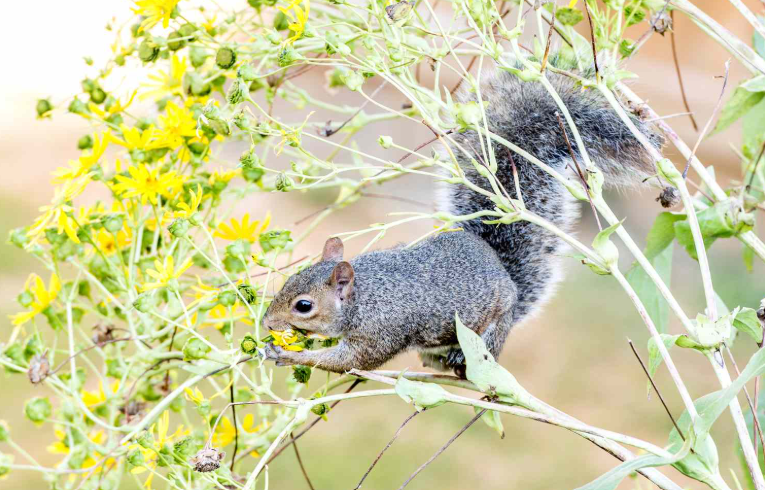
Plants that keep squirrels away have one genuinely well-documented example worth leading with, since it’s about as reliable as garden folklore gets: squirrels and chipmunks reliably dig up and eat tulip and crocus bulbs while consistently leaving daffodil, snowdrop, and several other toxic bulbs completely alone. That’s a real, widely observed behavioral pattern rather than a guess, and experienced gardeners have used exactly that contrast for generations to plan a spring bulb bed that survives the winter intact.
Bulb toxicity works considerably more reliably here than the scent-based approaches that dominate most other “repellent plant” lists, since a squirrel that’s tried digging up and biting into a genuinely bitter or toxic bulb learns to avoid that specific plant afterward, a durable, chemically grounded lesson rather than a fading scent a squirrel might push through anyway once hungry enough. Scent-based herbs still have some real, if more modest, deterrent value, but they work considerably better as one layer of a broader strategy than as a guaranteed solution on their own.
One genuinely useful fact about capsaicin, the compound that makes hot peppers spicy, deserves specific mention: mammals, squirrels included, have a genuine, documented sensitivity to capsaicin that birds simply don’t share, since birds lack the specific receptor mammals use to detect that heat. That’s exactly why capsaicin-treated bird seed is a real, well-established product category, deterring squirrels from raiding a feeder without affecting the birds the feeder is actually meant for.
The Cornell University Cooperative Extension’s wildlife damage management program covers squirrel behavior and the evidence behind common deterrent claims in more detail than a general list can. What follows covers 35 plants that keep squirrels away, spanning genuinely toxic bulbs and scent-based herbs that work as a supplementary layer.
Daffodil
Daffodil bulbs contain lycorine, a genuinely toxic alkaloid that makes them bitter and harmful enough that squirrels reliably avoid them after a single unpleasant encounter, making this one of the most dependable bulbs on this entire list. Its reliable spring color is a genuine bonus alongside its real, chemically grounded squirrel resistance.
It grows from a bulb planted in fall, its genuine toxicity offering considerably more reliable protection than any scent-based deterrent could provide. The ASPCA Animal Poison Control database documents lycorine’s confirmed toxicity, the same mechanism responsible for daffodil’s genuine squirrel resistance.
Snowdrop
Snowdrop bulbs contain genuinely toxic alkaloids similar to daffodil’s, making them a bulb squirrels generally learn to avoid after an unpleasant encounter. Its early, cheerful white blooms provide genuine seasonal value alongside its real bulb-based protection.
It grows from a bulb planted in fall, its genuine toxicity offering considerably more reliable protection than a purely scent-based approach.
Fritillaria
Fritillaria, particularly the crown imperial variety, produces a genuinely strong, skunk-like odor that many gardeners report keeps both squirrels and rodents away from an entire bed, not just the bulb itself. Its unusual checkered flower pattern also makes it a genuine garden curiosity beyond its practical value.
It grows from a bulb planted in fall, its distinctive strong odor offering a genuinely more field-tested reputation than many purely scent-based deterrent plants.
Ornamental Allium
Ornamental allium bulbs carry the same genuine sulfur compound and bitter taste as their edible onion relatives, making them a bulb squirrels generally leave alone once they’ve encountered the unpleasant flavor. Their striking round flower heads also make them a genuine architectural garden addition beyond their practical value.
It grows from a bulb planted in fall, its genuine bitterness offering more reliable protection than a purely scent-based deterrent plant.
Hyacinth
Hyacinth bulbs carry some genuine bitterness that discourages squirrel digging, though the effect is considerably milder than daffodil’s more potent toxicity. Its intensely fragrant spring flowers are a genuine bonus alongside its modest bulb-based deterrent property.
It grows from a bulb planted in fall, offering real if modest bulb bitterness alongside its considerable fragrance value.
Squill
Squill bulbs contain genuinely bitter, mildly toxic compounds that most squirrels learn to avoid after an unpleasant encounter, offering a real bulb-based deterrent similar in mechanism to daffodil and snowdrop. Its early, vivid blue spring flowers provide genuine seasonal color alongside that practical benefit.
It grows from a bulb planted in fall, its genuine bitterness offering more dependable protection than a purely scent-based deterrent plant.
Leucojum
Leucojum, also called snowflake, shares its snowdrop relative’s genuine bulb toxicity, making it a plant squirrels reliably learn to avoid after a single unpleasant encounter. Its delicate, bell-shaped white flowers with distinctive green petal tips add genuine seasonal interest.
It grows from a bulb planted in fall, its genuine toxicity offering the same reliable protection as its more commonly planted snowdrop relative.
Colchicum
Colchicum, also called autumn crocus despite being an entirely different, unrelated plant from true crocus, contains genuinely potent toxic compounds that make it one of the most reliably squirrel-resistant bulbs available. Its considerable toxicity is worth real respect, since it’s genuinely harmful if ingested by a person or pet as well.
It grows from a corm planted in late summer, its considerable toxicity offering some of the most dependable protection on this entire list, with real caution warranted around children and pets. The National Capital Poison Center documents colchicine’s genuine, serious toxicity, a safety consideration worth taking seriously before planting.
Camassia
Camassia, a genuine native prairie bulb, carries a reasonably reliable squirrel-resistant reputation among bulb gardeners, its tall spikes of blue-purple flowers adding real native plant value alongside that practical benefit. Its considerable height sets it apart from many of the shorter, more compact bulbs on this list.
It grows from a bulb planted in fall, tolerating consistently moist soil better than many other spring bulbs while offering genuine, if somewhat less potent, squirrel resistance.
Cayenne Pepper
Cayenne pepper produces capsaicin, a genuinely documented compound that mammals, squirrels included, are specifically sensitive to in a way birds simply aren’t, making capsaicin-based repellent products a common and reasonably well-supported commercial squirrel deterrent. The living plant itself provides a considerably milder version of that same effect compared to a concentrated extracted spray.
It thrives in full sun and warm, well-drained soil, its genuine capsaicin content offering real, if modest, deterrent value from the growing plant alone. The University of Nebraska-Lincoln Extension’s wildlife damage management resources document capsaicin’s confirmed mechanism as a mammalian repellent active ingredient, distinct from its lack of effect on birds.
Hot Pepper
Hot pepper varieties generally share cayenne’s genuine capsaicin content, offering the same documented mammal-specific deterrent property regardless of which particular variety is grown. Its considerable culinary value gives it real dual-purpose appeal beyond any pest-related benefit.
It thrives in full sun and warm, well-drained soil, its capsaicin content genuinely more effective against squirrels and other mammals than against most insects.
Garlic
Garlic produces sulfur compounds with some genuine deterrent activity against squirrels, and crushed garlic or garlic-based sprays are a common home remedy applied around a vulnerable bed for exactly that reason. Its considerable pungency when crushed releases far more of the deterrent compound than an undisturbed, whole bulb provides.
It thrives in full sun and well-drained soil, its genuine repellent compounds concentrated most strongly when crushed rather than left intact.
Onion
Onion shares garlic’s genuine sulfur compound profile, carrying a similar home-remedy reputation for discouraging squirrel activity when planted or applied around a vulnerable bed. Its considerable culinary value holds regardless of how consistently its deterrent effect actually performs.
It thrives in full sun and well-drained soil, offering real kitchen value alongside its more modest squirrel-deterrent reputation.
Mint
Mint, across its many species, produces genuinely documented menthol-based compounds with some reported deterrent activity against squirrels alongside insects and rodents more broadly. Its considerable vigor makes container growing a genuinely wise precaution regardless of which specific variety is chosen.
It tolerates more shade and moisture than most other aromatic herbs, thriving in a damp, partly shaded spot several other deterrent plants would struggle with.
Peppermint
Peppermint produces menthol in a concentration genuinely strong enough to irritate a squirrel’s sensitive nose, offering some real if modest deterrent value alongside its better-researched effect on rodents and insects. Its effect fades considerably as the plant material dries, favoring fresh, actively growing foliage.
It tolerates more shade and moisture than most other aromatic herbs, and its considerable vigor means container growing genuinely helps keep it from spreading beyond its intended bed.
Lavender
Lavender produces genuinely strong aromatic compounds that many gardeners report discourage squirrel activity nearby, alongside its better-documented effectiveness against moths and fleas. Its considerable fragrance intensity develops most strongly in a hot, sun-baked spot.
It demands sharp drainage, thriving in exactly the lean, sun-baked conditions that also concentrate its aromatic oils most effectively.
Rosemary
Rosemary produces genuinely aromatic oils that some gardeners report discourage squirrel activity in its immediate vicinity, alongside its well-documented culinary value. Its woody, evergreen structure also provides less digging-friendly ground cover than a soft, loose bed would.
It wants full sun and excellent drainage, its concentrated aromatic oils developing most strongly in exactly the lean, dry conditions the plant prefers.
Marigold
Marigold carries a widespread companion planting reputation for discouraging a range of garden pests, squirrels included, though the evidence specifically for squirrels is considerably more anecdotal than its better-documented nematode-suppressing root activity. Its compact, upright growth also avoids creating the kind of loose, disturbed soil texture squirrels find easy to dig.
It thrives in full sun and average soil, offering genuine landscaping value regardless of how well-supported its specific squirrel claim actually is.
Castor Bean
Castor bean contains ricin, a genuinely and seriously toxic compound historically associated with deterring a range of mammals including squirrels, though that same toxicity makes real caution around children and pets genuinely essential. Its dramatic, tropical-looking foliage has made it a popular ornamental despite the real safety concern.
It thrives in full sun and rich soil, and its genuine toxicity is a serious enough consideration that many gardeners choose a safer alternative specifically because of it. The National Capital Poison Center documents ricin’s confirmed severe toxicity, a safety consideration worth taking seriously before planting.
Hardy Cyclamen
Hardy cyclamen carries a genuine reputation among bulb gardeners for being reliably squirrel-resistant, its tubers apparently unappealing enough that squirrels tend to leave an established planting alone. Its delicate, swept-back flowers provide genuine fall or winter color depending on the specific species chosen.
It grows from a tuber, tolerating significant shade and well-drained soil, offering real if less scientifically documented squirrel resistance compared to the more potently toxic bulbs on this list.
Rue
Rue produces genuinely bitter, pungent compounds that many gardeners report discourage squirrel activity nearby, alongside its documented function as overwintering shelter for beneficial insects. Its considerable bitterness also makes its foliage an unappealing food source for browsing wildlife generally.
It tolerates poor, dry soil and full sun, and handling the foliage is worth some caution, since it can cause skin irritation in sensitive individuals under strong sunlight.
Wormwood
Wormwood produces genuinely bitter, strongly aromatic compounds with a long traditional history as a general pest and mammal deterrent. Its considerable bitterness makes it an unappealing food source even for a hungry squirrel that might otherwise nibble at nearby foliage.
It tolerates poor, dry soil and full sun, thriving on considerable neglect once established.
Chives
Chives produce mild sulfur compounds similar to their onion and garlic relatives, carrying a modest reputation for discouraging squirrel activity alongside their better-known use against aphids and beetles. Their edible purple flowers add genuine culinary and ornamental value alongside the uncertain squirrel claim.
They tolerate a range of soil conditions and ask for very little beyond consistent sun, remaining useful regardless of how well-proven their specific deterrent reputation actually is.
Society Garlic
Society garlic produces a mild garlic scent carrying some of the same modest deterrent reputation as true garlic, in a more ornamental, compact package. Its considerable drought tolerance makes it a low-maintenance addition regardless of how well-proven the specific claim is.
It tolerates poor soil and drought remarkably well, its genuinely open growth structure also avoiding the loose, digging-friendly soil texture squirrels favor.
Citronella Grass
Citronella grass produces citronellal, a genuinely well-documented volatile compound with some reported mammal-deterrent property alongside its much better-established mosquito-repelling reputation. Its considerable oil concentration in the crushed leaf makes it one of the more aromatically intense plants on this list.
It thrives in full sun and warm, humid conditions, growing into a substantial clump with genuine aromatic strength concentrated in its foliage.
Thyme
Thyme produces thymol, a genuinely documented aromatic compound with some reported mammal-deterrent activity alongside its better-studied insect-repellent properties. Crushing or bruising its leaves releases considerably more of that compound than an undisturbed plant offers passively.
It wants full sun and excellent drainage, thriving in the same lean, dry conditions that concentrate its aromatic oils most effectively.
Sage
Sage produces genuinely aromatic compounds carrying some reported deterrent effect against squirrels alongside its better-established insect-repellent reputation. Its robust, velvety leaves also hold real culinary value beyond any pest-related benefit.
It wants full sun and genuinely well-drained soil, its aromatic oil concentration developing most strongly in lean, dry growing conditions.
Oregano
Oregano produces genuinely aromatic carvacrol and thymol compounds with some reported deterrent effect alongside its better-documented insect-repellent properties. Its considerable culinary value gives it real dual-purpose appeal beyond any pest-related benefit.
It tolerates full sun and well-drained soil, spreading readily enough to eventually need some periodic thinning.
Catnip
Catnip contains nepetalactone, a compound with some documented deterrent activity that may discourage squirrel activity alongside its well-known appeal to cats, which do occasionally hunt smaller squirrels and could add an indirect predator-pressure benefit. Its considerable vigor means some containment is genuinely worth considering near a vulnerable bed.
It thrives in full sun to partial shade and well-drained soil, spreading readily enough that some gardeners choose to contain its vigorous growth.
Basil
Basil produces genuinely aromatic compounds with some reported deterrent effect alongside its better-documented insect-repellent properties. Its considerable culinary value gives it real dual-purpose appeal beyond any pest-related benefit.
It thrives in full sun and consistently moist soil, its aromatic oils releasing most strongly when the leaves are brushed or crushed.
Elderberry
Elderberry carries a folk reputation for discouraging squirrel activity nearby, a claim with more anecdotal than rigorously tested support, though its berries and flowers hold genuine culinary and medicinal value regardless. Its considerable size makes it more of a large shrub than a compact deterrent planting.
It tolerates a range of soil conditions and full sun to partial shade, offering real fruit production alongside its uncertain squirrel-related reputation.
Boxwood
Boxwood offers genuinely little food value to a squirrel, its dense, bitter evergreen foliage holding minimal appeal compared to a genuine food-bearing plant nearby. Its considerable density also makes the ground beneath it less inviting to dig in than an open, loose bed.
It tolerates a range of soil types and light conditions, its low food value doing more to discourage sustained squirrel interest than any specific deterrent compound.
Tansy
Tansy produces genuinely aromatic compounds with a long traditional history as a general pest and mammal deterrent, though the plant has become invasive in parts of the country and is worth checking against regional guidance before planting. Its considerable toughness and long bloom period make it effective where it’s not a regional concern.
It tolerates poor soil and considerable neglect, thriving with essentially no cultivation once established.
Southernwood
Southernwood, a genuine Artemisia relative of wormwood, produces similarly bitter, aromatic compounds with a long traditional use deterring a range of pests. Its fine, feathery, silver-green foliage also provides attractive texture in an herb border.
It tolerates poor, dry soil and full sun, thriving on considerable neglect once established.
Lemon Balm
Lemon balm produces citronellal alongside its pleasant lemon scent, carrying some reported deterrent property in addition to its better-documented insect-repellent use. Its considerable vigor means some containment is genuinely worth considering to keep it from spreading unchecked.
It tolerates a range of soil conditions and full sun to partial shade, its aromatic oils releasing most strongly when the foliage is bruised or crushed.
Key Takeaways
- Some strongly scented plants may help discourage squirrels from certain parts of a garden, particularly plants with aromas squirrels find unpleasant.
- Mint, garlic, onions, chives, daffodils, alliums, and marigolds are commonly grown as potential squirrel-deterring plants.
- Planting aromatic or less-palatable species around vegetable beds, flower borders, containers, and vulnerable plants can help create a less attractive area for squirrels.
- Results can vary depending on the squirrel species, available food, plant density, and local conditions, so plants should not be viewed as a guaranteed squirrel-control method.
- Many squirrel-deterring plants also provide useful benefits, including edible herbs, colorful flowers, fragrance, and ornamental value.
- Combining plants with other garden practices, such as protective netting, secure containers, and removing easily accessible food sources, can provide additional protection.
- Plants are generally more useful as a deterrent or part of an integrated approach than as a complete solution when squirrels are already heavily feeding in a garden.