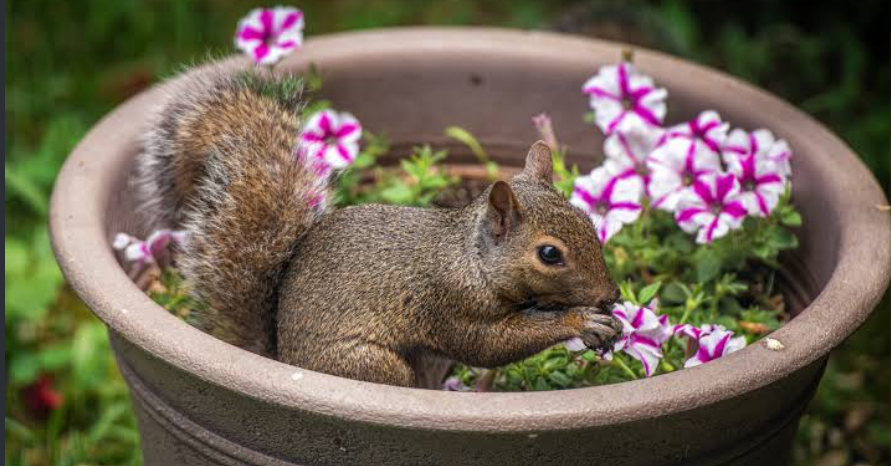
Plants and flowers that squirrels won’t eat cover considerably more ground than just the toxic bulbs most repellent-plant advice focuses on, since squirrel food preference actually comes down to a genuinely predictable pattern once you understand what they’re naturally looking for. Squirrels evolved to seek out nuts, seeds, bulbs, soft fruit, and tender new growth specifically because those are calorie-dense, easy to process foods, which means mature, tough, strongly aromatic, or genuinely bitter foliage simply doesn’t register as worth the effort most of the time.
That pattern is why this list stretches well beyond bulbs into perennials, ornamental grasses, and woody shrubs a squirrel has no particular reason to bother with. A fuzzy-leaved plant like lamb’s ear, a genuinely tough evergreen like boxwood, and an intensely aromatic herb like rosemary all discourage squirrel feeding for different reasons, texture, structural toughness, and scent respectively, even though none of them relies on the same bulb-based toxicity that makes daffodil and snowdrop so reliable.
It’s worth being honest that no plant on this list is genuinely squirrel-proof in an absolute sense, since a hungry squirrel in a food-scarce area, particularly during a hard winter or a drought year, will sample things it would normally ignore. What “won’t eat” really means here is a consistently low preference under normal conditions, a plant that ranks near the bottom of a squirrel’s actual foraging choices rather than one guaranteed to be ignored under every possible circumstance.
The University of Illinois Extension’s wildlife-resistant plant guide covers squirrel and small mammal foraging preference in more ecological detail than a general list can. What follows covers 40 plants and flowers that squirrels won’t eat, spanning toxic bulbs, tough or aromatic perennials, and woody shrubs.
Daffodil
Daffodil bulbs contain lycorine, a genuinely toxic alkaloid that makes them bitter and harmful enough that squirrels reliably leave them alone after a single unpleasant encounter. Its reliable spring color is a genuine bonus alongside its real, chemically grounded resistance.
It grows from a bulb planted in fall, its genuine toxicity making it one of the most dependable entries on this entire list. The Cornell University Cooperative Extension’s wildlife-resistant bulb guide documents daffodil’s confirmed reliability across a broader range of browsing mammals, squirrels included.
Snowdrop
Snowdrop bulbs contain genuinely toxic alkaloids similar to daffodil’s, making them a bulb squirrels generally avoid entirely once they’ve encountered the unpleasant taste. Its early, cheerful white blooms provide genuine seasonal value alongside its real bulb-based protection.
It grows from a bulb planted in fall, its genuine toxicity offering considerably more reliable protection than most other approaches on this list.
Ornamental Allium
Ornamental allium bulbs carry the same genuine sulfur compound and bitter taste as their edible onion relatives, making them a bulb squirrels generally leave alone once they’ve encountered the unpleasant flavor. Their striking round flower heads also make them a genuine architectural garden addition beyond their practical value.
It grows from a bulb planted in fall, its genuine bitterness offering considerably more reliable protection than a purely scent-based approach.
Hyacinth
Hyacinth bulbs carry some genuine bitterness that discourages squirrel feeding, though the effect is considerably milder than daffodil’s more potent toxicity. Its intensely fragrant spring flowers are a genuine bonus alongside its modest bulb-based protection.
It grows from a bulb planted in fall, offering real if modest bulb bitterness alongside its considerable fragrance value.
Fritillaria
Fritillaria, particularly the crown imperial variety, produces a genuinely strong, skunk-like odor that discourages squirrels from an entire bed, not just the bulb itself. Its unusual checkered flower pattern also makes it a genuine garden curiosity beyond its practical value.
It grows from a bulb planted in fall, its distinctive strong odor offering a genuinely more field-tested reputation than many purely scent-based options.
Lamb’s Ear
Lamb’s ear produces soft, genuinely fuzzy, velvety leaves with a texture most squirrels find unappealing to chew, a real physical deterrent distinct from any toxicity or scent. Its pale, silvery foliage also provides attractive texture contrast in a border regardless of its practical value.
It tolerates poor, dry soil and full sun, its genuinely distinctive leaf texture doing real work discouraging casual squirrel feeding.
Ferns
Ferns hold genuinely little food appeal for a squirrel, their fibrous, non-fleshy fronds offering minimal caloric reward compared to a nut, seed, or soft fruit. Their considerable shade tolerance also suits a woodland garden setting where squirrel traffic is often heaviest.
It tolerates significant shade and consistently moist soil, its low food value doing more to discourage sustained squirrel interest than any active deterrent could.
Feather Reed Grass
Feather reed grass offers genuinely little food value to a squirrel, its tough, fibrous blades holding minimal appeal compared to the nuts and seeds squirrels actively seek out. Its tidy, upright form also suits a more formal garden design.
It tolerates a range of soil conditions and full sun to partial shade, its low food value making it a reliably ignored presence in most squirrel-heavy gardens.
Fountain Grass
Fountain grass shares feather reed grass’s genuinely low food appeal, its tough, arching blades offering little caloric reward for the effort a squirrel would spend chewing through them. Its graceful, fuzzy flower plumes make it a popular ornamental choice regardless.
It thrives in full sun and well-drained soil, its considerable toughness doing real work discouraging casual squirrel browsing.
Astilbe
Astilbe holds genuinely little appeal to a squirrel, its feathery flower plumes and fern-like foliage offering minimal caloric value compared to a genuine food source nearby. Its considerable shade tolerance also suits a garden spot where squirrel activity often concentrates.
It tolerates consistently moist soil and partial to full shade, its low food value making it a reliably overlooked presence in most gardens.
Russian Sage
Russian sage produces genuinely strong, aromatic foliage that most squirrels find unappealing to sample, its considerable fragrance intensity working similarly to other strongly scented herbs on this list. Its long bloom period and airy texture also make it a popular border choice regardless.
It wants full sun and well-drained soil, its genuinely pungent foliage doing real work discouraging casual squirrel feeding.
Lantana
Lantana contains genuinely toxic compounds in its foliage and unripe berries, making it a plant squirrels generally learn to avoid after limited exposure. Its considerable heat tolerance and long bloom period make it a popular warm-climate garden choice regardless.
It thrives in full sun and tolerates a range of soil conditions, its genuine toxicity offering real protection beyond simple scent-based discouragement.
Foxglove
Foxglove contains genuinely potent cardiac glycosides throughout the entire plant, making it one of the more reliably avoided garden perennials for squirrels and most other mammals alike. Its dramatic, tall flower spikes provide real cottage garden charm alongside that considerable toxicity.
It tolerates partial shade and moist, well-drained soil, its genuine toxicity making real caution around children and pets worth taking seriously too. The ASPCA Animal Poison Control database documents the cardiac glycoside toxicity responsible for foxglove’s genuine resistance to browsing wildlife.
Monkshood
Monkshood is genuinely among the most toxic ornamental perennials commonly grown, its considerable alkaloid content making it reliably avoided by squirrels and most other browsing wildlife. Its tall spikes of distinctive, helmet-shaped purple flowers provide real late-season color.
It tolerates partial shade and consistently moist, rich soil, its genuine and serious toxicity warranting real caution around children and pets during handling. The National Capital Poison Center documents monkshood’s genuine alkaloid toxicity, among the most potent of any commonly cultivated ornamental.
Lily of the Valley
Lily of the valley contains genuinely toxic cardiac glycosides throughout its foliage and berries, making it a plant squirrels reliably avoid once exposed. Its small, intensely fragrant white bell-shaped flowers provide genuine seasonal charm alongside that real toxicity.
It tolerates significant shade and consistently moist soil, its genuine toxicity offering considerably more reliable protection than scent alone could provide. The ASPCA Animal Poison Control database confirms lily of the valley’s genuine cardiac glycoside content throughout the plant.
Bleeding Heart
Bleeding heart contains genuinely mild toxic compounds throughout its foliage, offering some real deterrent value alongside its distinctive, heart-shaped pink or white flowers. Its foliage naturally dies back by midsummer, a normal part of its life cycle rather than any sign of damage.
It tolerates partial to full shade and consistently moist soil, its modest but genuine toxicity contributing to its overall squirrel-resistant reputation.
Peony
Peony offers genuinely little food appeal to a squirrel, its tough, fibrous foliage and stems holding minimal caloric reward compared to a genuine food source nearby. Its considerable, long-lived nature means an established planting can remain undisturbed for decades.
It thrives in full sun and rich, well-drained soil, its low food value making it a reliably overlooked presence once established.
Salvia
Salvia produces genuinely aromatic foliage that most squirrels find unappealing, its pungent scent working similarly to other strongly scented herbs to discourage casual browsing. Its long bloom period and reliable performance make it a dependable garden staple regardless.
It thrives in full sun and well-drained soil, its genuinely pungent aroma doing real work discouraging squirrel interest.
Yarrow
Yarrow produces genuinely bitter, aromatic foliage that most squirrels find unappealing to sample, its fine, fern-like texture offering little caloric reward regardless. Its considerable drought tolerance makes it a low-maintenance addition to a squirrel-resistant border.
It tolerates poor, dry soil and full sun, thriving on neglect once established in lean, well-drained ground.
Coreopsis
Coreopsis holds genuinely little food appeal for a squirrel, its fine, airy foliage and modest flower structure offering minimal caloric reward. Its cheerful, long-blooming yellow flowers make it a garden favorite regardless of its low squirrel appeal.
It tolerates poor, dry soil and full sun, thriving on considerable neglect once established.
Black-Eyed Susan
Black-eyed Susan offers genuinely modest food appeal to a squirrel, its tough, somewhat bristly foliage and reliable self-seeding habit making it a resilient presence even with occasional browsing. Its considerable low-maintenance nature has made it a native garden staple regardless.
It tolerates a range of soil conditions and full sun, often filling in a garden bed on its own through natural reseeding.
Snapdragon
Snapdragon carries a genuine reputation among gardeners for being reliably ignored by squirrels, its tall flower spikes and somewhat bitter foliage offering little appeal compared to a genuine food source. Its considerable color range and cool-season tolerance make it a popular spring and fall bedding choice.
It tolerates cool conditions and a range of soil types, its modest but real squirrel resistance holding up reasonably well across most growing seasons.
Verbena
Verbena produces dense clusters of small tubular flowers that hold genuinely little food appeal for a squirrel, its low, spreading habit offering minimal caloric reward for the effort. Its long bloom period through summer and fall provides reliable color regardless.
It thrives in full sun and well-drained soil, tolerating heat and drought considerably better than many other bedding plants.
Boxwood
Boxwood offers genuinely little food value to a squirrel, its dense, bitter evergreen foliage holding minimal appeal compared to a genuine food-bearing plant nearby. Its considerable year-round structure makes it a reliable garden anchor regardless.
It tolerates a range of soil types and light conditions, its low food value doing more to discourage sustained squirrel interest than any specific deterrent compound.
Spirea
Spirea offers genuinely modest food appeal to a squirrel, its fine, twiggy growth and reliable flowering making it a resilient garden shrub even with occasional light browsing. Its considerable toughness and low-maintenance nature make it a practical squirrel-resistant choice.
It tolerates a range of soil conditions and full sun, requiring minimal pruning beyond an occasional post-bloom shaping.
Barberry
Barberry produces genuinely sharp thorns along its stems, a real physical deterrent that discourages a squirrel from browsing regardless of any taste or scent consideration. Its considerable foliage color range, from green to deep burgundy depending on variety, adds real ornamental value alongside that practical protection.
It tolerates a range of soil conditions and full sun to partial shade, its genuinely thorny structure doing real work most other deterrent mechanisms can’t match.
Holly
Holly produces genuinely spiny, sharp-edged evergreen leaves that provide a real physical deterrent against casual squirrel browsing, regardless of the plant’s actual taste. Its classic winter berries add genuine seasonal value alongside that practical protection.
It tolerates a range of soil and light conditions, its considerable leaf spininess doing real, ongoing work discouraging sustained squirrel interest.
Juniper
Juniper produces genuinely aromatic, needled evergreen foliage that most squirrels find unappealing to browse, its considerable year-round presence making that deterrent effect consistent across every season. Its tough, resinous needles also offer little caloric reward even if sampled.
It tolerates full sun and drought well, its genuinely aromatic, needled structure doing real work discouraging squirrel feeding regardless of season.
Forsythia
Forsythia offers genuinely modest food appeal to a squirrel, its early yellow blooms and fine branching structure providing more ornamental than nutritional interest. Its fast growth quickly establishes coverage regardless of any occasional light browsing.
It tolerates a wide range of soil types and full sun to light shade, its low food value doing more to discourage sustained squirrel interest than any deterrent compound.
Lilac
Lilac offers genuinely modest food appeal to a squirrel, its tough, woody structure and fragrant but non-fleshy blooms holding little caloric interest compared to a genuine food source. Its considerable fragrance and classic spring bloom make it a garden favorite regardless.
It tolerates a range of soil conditions and full sun, its low food value making it a reliably overlooked presence in most established gardens.
Rosemary
Rosemary produces genuinely aromatic oils that most squirrels find unappealing, its considerable culinary and landscape value holding up regardless of its low squirrel appeal. Its woody, evergreen structure also provides minimal caloric reward even if sampled.
It wants full sun and excellent drainage, its concentrated aromatic oils doing real work discouraging casual squirrel browsing.
Sage
Sage produces genuinely aromatic compounds that most squirrels find unappealing, its robust, velvety leaves holding real culinary value beyond any pest-related benefit. Its considerable pungency develops most strongly in lean, dry growing conditions.
It wants full sun and genuinely well-drained soil, its aromatic intensity doing real work discouraging squirrel interest.
Lavender
Lavender produces genuinely strong aromatic compounds that most squirrels find unappealing, alongside its well-documented effectiveness against moths and fleas. Its considerable fragrance intensity develops most strongly in a hot, sun-baked spot.
It demands sharp drainage, thriving in exactly the lean, sun-baked conditions that also concentrate its aromatic oils most effectively.
Mint
Mint produces genuinely documented menthol-based compounds most squirrels find unappealing, alongside its considerable vigor that makes container growing a genuinely wise precaution regardless of the pest-related benefit. Its aromatic intensity holds up across most of the growing season.
It tolerates more shade and moisture than most other aromatic herbs, thriving in a damp, partly shaded spot several other resistant plants would struggle with.
Thyme
Thyme produces thymol, a genuinely documented aromatic compound most squirrels find unappealing, its low, mat-forming habit also offering minimal caloric reward even if sampled. Crushing or bruising its leaves releases considerably more of that compound than an undisturbed plant offers passively.
It wants full sun and excellent drainage, thriving in the same lean, dry conditions that concentrate its aromatic oils most effectively.
Bearded Iris
Bearded iris grows from a genuinely tough, fibrous rhizome that most squirrels find unappealing to dig into, its exposed growth habit also making the rhizome less enticing to disturb than a buried, soft bulb would be. Its considerable bloom drama also makes it a genuine garden favorite well beyond its practical resistance.
It thrives in full sun and well-drained soil, its tough rhizome structure genuinely discouraging the kind of digging interest a softer bulb would invite.
Geranium
Geranium, more precisely pelargonium, produces genuinely pungent foliage that most squirrels find unappealing, its scented-leaf varieties carrying an especially strong aroma many mammals actively avoid. Its considerable flowering reliability makes it a popular container and bedding choice regardless.
It wants bright light and well-drained soil, its genuinely pungent foliage doing real work discouraging casual squirrel browsing.
Catmint
Catmint shares some of catnip’s genuine aromatic intensity in a more ornamental, less overwhelming package, its long-blooming lavender-blue flowers making it a popular border choice regardless of any pest-related benefit. Its considerable fragrance may discourage some casual squirrel browsing alongside its better-documented cat appeal.
It thrives in full sun and well-drained soil, often reblooming with a simple midsummer shearing.
Poppy
Poppy contains genuinely bitter alkaloid compounds in its foliage and unripe seed pods, offering real deterrent value beyond its striking, papery blooms. Its considerable self-seeding tendency means a single planting often continues for years once established.
It thrives in full sun and well-drained soil, its genuine foliage bitterness contributing real protection alongside its ornamental appeal.
Marigold
Marigold produces genuinely pungent foliage that most squirrels find unappealing to sample, its strong scent sometimes credited with deterring a range of other garden pests as well. Its compact, long-blooming flowers make it a reliable, low-cost garden staple regardless.
It thrives in full sun and average soil, its genuinely pungent aroma doing real work discouraging casual squirrel interest alongside its considerable ornamental value.
Key Takeaways
- Squirrels tend to avoid some plants because of their strong fragrance, bitter taste, toxicity, prickly foliage, or unappealing texture.
- Commonly grown squirrel-resistant choices include daffodils, alliums, lavender, mint, rosemary, sage, marigolds, and other strongly scented or less-palatable plants.
- No plant is completely squirrel-proof. Food availability, local squirrel populations, and seasonal conditions can influence what squirrels choose to eat.
- Using less-palatable plants around more vulnerable flowers and vegetables can help reduce feeding and digging damage.
- Many squirrel-resistant plants provide additional benefits, such as colorful blooms, fragrance, culinary uses, and support for pollinators.
- Combining resistant plants with physical barriers, protected containers, and removal of easily accessible food sources can provide better protection.
- When choosing plants, consider their sunlight, soil, moisture, and hardiness requirements as well as their resistance to squirrel damage.