Plants that keep snakes away come with a genuine honesty problem worth addressing before anything else: no controlled scientific study has ever confirmed that a snake reliably avoids an area purely because of a specific plant’s scent or chemical makeup. Marigold, garlic, and several other plants show up constantly in gardening folklore as snake repellents, and while that reputation isn’t necessarily wrong about the plants themselves being useful additions to a yard, it’s genuinely misleading about the actual mechanism doing the work.
What actually reduces snake presence around a home is essentially the mirror image of what attracts it in the first place, removing the dense, low ground cover a snake uses for shelter, the rodent food supply that draws it in to hunt, and the damp, sheltered pockets where it would otherwise hide from both predators and summer heat. A plant that grows upright and open at its base, rather than spreading into a thick, ground-hugging mat, simply doesn’t offer the same concealment, regardless of whatever scent-based reputation it might carry alongside that structural fact.
That distinction matters because it changes what actually belongs on a list like this. The genuinely useful entries here fall into 2 honest categories: plants popularly believed to have some repellent property, included with that folklore reputation clearly flagged rather than presented as settled fact, and plants whose open, upright, or spiny growth habit genuinely fails to build the kind of shelter a snake is looking for in the first place. The second category does considerably more real, defensible work than the first.
The University of Florida IFAS Extension’s guide to living with snakes covers the evidence, and genuine lack of evidence, behind common snake-deterrent claims in more scientific depth than a general list can. What follows covers 40 plants that keep snakes away, spanning folklore-reputed repellents and genuinely open-structured landscaping choices.
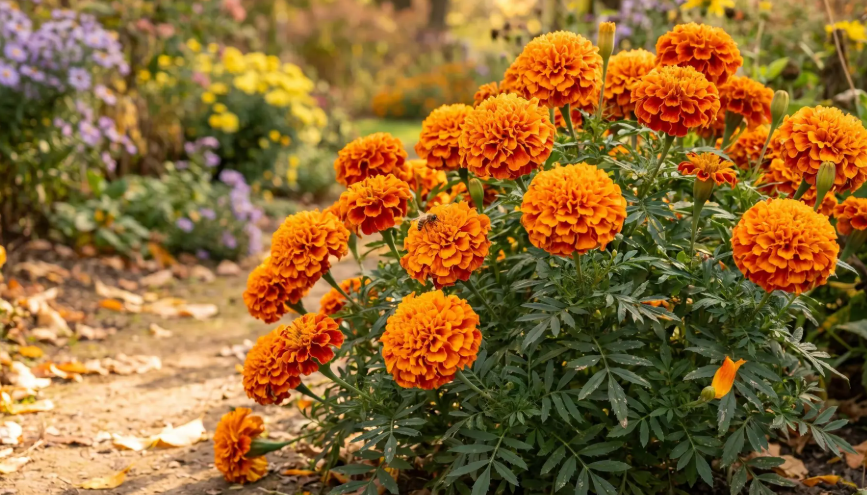
Marigold
Marigold carries a widespread folklore reputation as a snake repellent, though no controlled study has genuinely confirmed that reputation holds up under real-world conditions. Its compact, upright growth habit at least avoids building the dense ground-level cover a snake would otherwise use for shelter.
It thrives in full sun and average soil, offering genuine landscaping value and pest-deterrent folklore of its own regardless of the unproven snake claim specifically. The University of California Statewide Integrated Pest Management Program has reviewed the evidence base behind common plant-based repellent claims, snakes included.
Garlic
Garlic is commonly cited as a snake deterrent based on its strong sulfur compound smell, though this claim genuinely lacks controlled scientific backing despite its widespread repetition in gardening advice. Its upright, non-matting growth habit at least avoids creating the ground cover a snake favors.
It thrives in full sun and well-drained soil, offering real culinary value alongside its unproven but persistent repellent reputation.
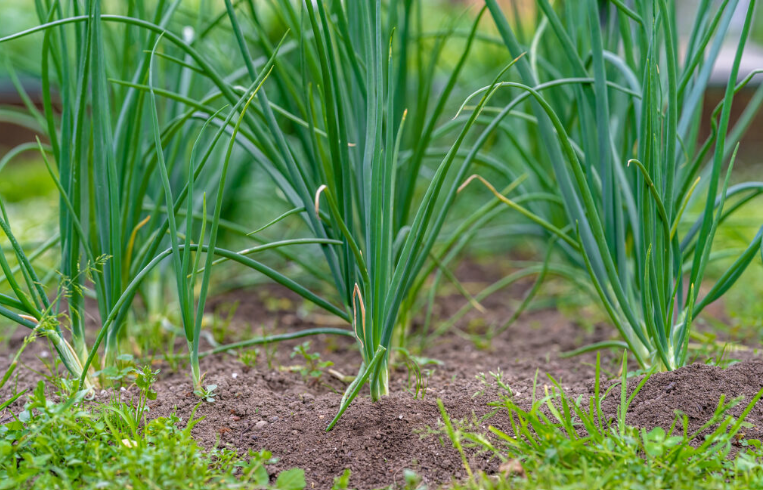
Onion
Onion shares garlic’s folklore reputation as a pungent, snake-deterring plant, a claim that similarly lacks genuine scientific confirmation despite how often it’s repeated. Its upright growth habit does at least avoid the dense matting structure that would otherwise offer shelter.
It thrives in full sun and well-drained soil, providing genuine culinary value regardless of how well-supported its snake-related reputation actually is.
Wormwood
Wormwood carries a long folklore history as a pest and snake deterrent, its genuinely strong, bitter scent often assumed to repel a wide range of animals without much controlled evidence specifically confirming that effect on snakes. Its upright, open growth habit avoids building dense ground-level shelter regardless.
It tolerates poor, dry soil and full sun, thriving on considerable neglect once established.
Lemongrass
Lemongrass is often cited as a snake repellent, likely due to confusion with its genuine, well-documented effectiveness as a mosquito deterrent through citronella oil, a genuinely different claim that shouldn’t be assumed to transfer to snakes without real evidence. Its dense, clumping but upright growth habit at least doesn’t create ground-hugging shelter.
It thrives in full sun and consistently moist soil in a warm climate, offering real mosquito-deterrent value alongside its unconfirmed snake reputation. The Iowa State University Extension’s essential oil pest control review documents citronella’s genuine, well-supported effectiveness against mosquitoes specifically, distinct from broader unverified pest claims.
Snake Plant
Snake plant, despite the ironic common name, carries no genuine evidence of actually repelling snakes, the name instead referring to its snake-skin-patterned foliage. Its upright, architectural form growing from a tight base at least avoids creating any ground-level shelter.
It tolerates low light and considerable neglect, remaining a genuinely popular houseplant regardless of its name’s misleading implication.
Holy Basil
Holy basil is sometimes cited in traditional folklore as a snake-deterring plant, a claim rooted more in cultural and religious significance across parts of Asia than in any controlled scientific testing. Its upright, bushy growth habit at least avoids building dense ground cover.
It thrives in full sun and warm, well-drained soil, carrying genuine cultural and medicinal significance regardless of the unproven snake-specific claim.
Citronella Grass
Citronella grass, like lemongrass, is well documented as a genuine mosquito deterrent through its essential oil, though that confirmed insect-repellent property shouldn’t be assumed to extend to snakes without actual evidence supporting the claim. Its dense, upright clumping habit avoids creating ground-level shelter regardless.
It thrives in full sun and warm, humid conditions, offering real, well-supported value against mosquitoes even where its snake-related reputation remains unconfirmed.
Agapanthus
Agapanthus carries a regional folklore reputation in some parts of the world as a snake deterrent, a claim that hasn’t been genuinely confirmed through controlled testing. Its clumping, upright growth habit at least avoids the dense matting structure that would otherwise provide shelter.
It thrives in full sun and well-drained soil, offering genuine ornamental value with its striking flower clusters regardless of the unproven snake claim.
Mugwort
Mugwort carries a long folk history as a general pest deterrent, including snakes, though genuine controlled evidence specifically supporting that reputation remains lacking. Its upright growth habit avoids building the dense ground cover a snake favors, regardless of any scent-based claim.
It tolerates poor soil and considerable neglect, spreading readily enough that some regions consider it a genuine weed concern worth monitoring.
Yucca
Yucca produces a genuinely spiky, architectural rosette of stiff leaves that offers no soft ground-level shelter at all, making it structurally inhospitable to a snake seeking concealment regardless of any scent-based claim. Its considerable toughness and drought tolerance make it a reliable landscaping choice on its own merits.
It tolerates poor, dry soil and full sun, thriving on genuine neglect while providing real structural deterrence through its spiny form alone. The Texas A&M AgriLife Extension’s wildlife landscaping guide covers how plant structure, rather than scent, genuinely influences reptile shelter-seeking behavior.
Prickly Pear Cactus
Prickly pear cactus produces genuinely spiny, inhospitable pads that offer no soft cover for a snake to shelter within, a real structural deterrent rather than a scent-based folklore claim. Its considerable drought tolerance also suits a landscaping style that avoids the lush, damp conditions a snake favors.
It tolerates extreme drought and poor soil, thriving in the kind of dry, open conditions that genuinely don’t support snake habitat.
Agave
Agave forms a genuinely spiky, open rosette similar to yucca, offering no soft, sheltered base for a snake to hide within. Its considerable architectural presence also makes it a genuine landscaping focal point beyond any pest-deterrent function.
It tolerates poor, dry soil and full sun, thriving on considerable neglect while its spiny structure does real, defensible work discouraging ground-level shelter.
Upright Rosemary
Upright rosemary, distinct from the trailing prostrate varieties, grows in a genuinely open, woody form rather than spreading into dense ground-level cover. Its considerable drought tolerance also suits a drier, more open landscaping style that avoids the damp conditions a snake favors.
It wants full sun and excellent drainage, thriving in exactly the lean, open conditions that genuinely don’t build snake-attractive habitat.
Russian Sage
Russian sage produces tall, airy, open growth that never mats down into dense ground-level cover, a genuinely different structure from the low, spreading groundcovers that actually shelter a snake. Its long bloom period and fine texture also make it a popular border choice regardless of any pest-related consideration.
It wants full sun and well-drained soil, and cutting it back hard each spring keeps its open, non-matting growth habit consistent.
Bearded Iris
Bearded iris grows from a genuinely exposed rhizome with upright, sword-like foliage, offering no dense ground-level shelter the way a spreading groundcover would. Its considerable bloom drama also makes it a genuine garden favorite well beyond any structural pest consideration.
It thrives in full sun and well-drained soil, its exposed rhizome and open growth habit genuinely failing to provide the concealment a snake seeks.
Daylily
Daylily forms a dense, fibrous-rooted clump, but its growth stays genuinely upright rather than spreading into a low, ground-hugging mat, offering considerably less concealment than a true matting groundcover would. Its reliable, colorful summer blooms make it a garden staple regardless of any structural pest consideration.
It tolerates a wide range of soil and light conditions, its clumping but upright form genuinely differing from the shelter-building groundcovers on a companion list of snake-attracting plants.
Ornamental Allium
Ornamental allium grows from a bulb with narrow, upright foliage and a tall flower stalk, offering essentially no ground-level shelter at all. Its striking round flower heads also make it a genuine architectural addition to a border regardless of any pest-related claim.
It grows from a bulb planted in fall, its upright, non-matting form genuinely avoiding the dense cover a snake would use for concealment.
Lavender
Lavender forms a rounded, woody-based mound rather than spreading into a dense ground-hugging mat, offering considerably less shelter than a true matting groundcover. Its fragrant purple flower spikes and genuine pest-deterrent reputation for other insects make it a popular garden choice on its own merits.
It demands sharp drainage, thriving in exactly the lean, open, sun-baked conditions that genuinely don’t support snake habitat.
Society Garlic
Society garlic produces narrow, grass-like foliage and a mild garlic scent, carrying some of the same folklore reputation as true garlic without strong evidence specifically confirming a snake-deterrent effect. Its compact, upright clumping habit at least avoids building dense ground cover.
It tolerates poor soil and drought remarkably well, its genuinely open growth structure doing more defensible work than its unproven scent-based reputation.
Red Hot Poker
Red hot poker produces tall, dramatic flower spikes from a base of narrow, upright foliage, offering no dense ground-level shelter for a snake to hide within. Its striking, torch-like blooms also make it a genuine garden focal point regardless of any structural pest consideration.
It tolerates a range of soil conditions and full sun, its open, upright form genuinely failing to provide the concealment a matting groundcover would.
Mint
Mint is sometimes cited as a rodent deterrent, and if that effect genuinely holds in a given situation, it could indirectly reduce the prey base that draws a hunting snake into an area, a more defensible mechanism than any claim of directly repelling the snake itself. Its considerable vigor means container growing is a genuinely wise precaution regardless of the pest-related reasoning.
It tolerates more shade and moisture than many other aromatic herbs, and its potential rodent-deterrent effect, where it actually holds, works indirectly rather than through any direct snake aversion.
Catmint
Catmint shares mint’s genuine aromatic intensity and some of the same folklore reputation for deterring rodents, a claim that, if accurate, would work indirectly on snake presence by reducing available prey rather than repelling the snake directly. Its mounding, non-matting growth habit also avoids building dense ground shelter.
It thrives in full sun and well-drained soil, its upright, clumping form genuinely differing from a true ground-hugging shelter plant.
Daffodil
Daffodil bulbs are genuinely toxic to rodents, and a planting that reduces rodent activity in an area could indirectly reduce the prey base a hunting snake would otherwise be drawn to, a real, if indirect, mechanism worth noting. Its reliable, low-maintenance spring color also makes it a garden staple regardless of the pest-related reasoning.
It grows from a bulb planted in fall, its genuine rodent toxicity offering a more defensible indirect benefit than any claim of directly repelling snakes. The Cornell University Cooperative Extension’s bulb toxicity database documents daffodil’s confirmed rodent toxicity as a genuinely separate claim from any direct snake-repellent property.
Fritillaria
Fritillaria carries a genuine folk reputation among gardeners for deterring rodents and moles, a claim with somewhat more anecdotal support than many pure snake-repellent myths, working indirectly on snake presence if the rodent-deterrent effect actually holds. Its unusual, often checkered flower pattern also makes it a genuine garden curiosity.
It grows from a bulb planted in fall, its rodent-deterrent folklore offering a more plausible indirect mechanism than most plants on this list.
Salvia
Salvia grows in an upright, open form with aromatic foliage, avoiding the dense ground-level cover that would otherwise shelter a snake. Its long bloom period and reliable performance make it a dependable garden staple regardless of any structural pest consideration.
It thrives in full sun and well-drained soil, its open, upright growth habit genuinely differing from a true matting groundcover.
Coreopsis
Coreopsis forms an open, airy clump rather than spreading into dense ground cover, offering considerably less shelter than a true matting groundcover would provide. Its cheerful, long-blooming yellow flowers make it a garden favorite regardless of any structural consideration.
It tolerates poor, dry soil and full sun, its genuinely open clumping habit avoiding the dense cover a snake would favor.
Black-Eyed Susan
Black-eyed Susan forms an upright clump with a relatively open base, offering considerably less ground-level shelter than a true spreading groundcover. Its reliable, self-seeding nature has made it a native garden staple regardless of any pest-related consideration.
It tolerates a range of soil conditions and full sun, its clumping but upright form genuinely differing from the shelter-building groundcovers a snake favors.
Blanket Flower
Blanket flower forms an open, upright clump with a considerably looser base than a true matting groundcover, offering less ground-level concealment as a result. Its vivid red and yellow bicolor blooms make it a genuine garden standout regardless of any structural pest consideration.
It tolerates poor, sandy soil and full sun, thriving on neglect while its open growth habit does genuine, defensible work avoiding dense shelter.
Coneflower
Coneflower grows in an upright clump with a relatively open base, offering less ground-level shelter than a true spreading groundcover would provide. Its considerable drought tolerance once established makes it a low-maintenance choice regardless of any pest-related reasoning.
It tolerates poor, dry soil and full sun, its clumping, upright form genuinely avoiding the dense cover a snake would favor.
Penstemon
Penstemon produces tall, upright flower spikes from a relatively open base, offering little ground-level concealment compared to a true matting groundcover. Its considerable bloom variety and drought tolerance make it a genuine native garden favorite on its own merits.
It tolerates poor, dry soil and full sun, its open, upright growth habit genuinely differing from the dense shelter-building plants a snake favors.
Fountain Grass
Fountain grass forms an upright, arching clump rather than spreading into a dense ground-hugging mat, offering considerably less shelter than a true matting grass like pampas grass provides. Its graceful, fuzzy flower plumes make it a popular ornamental choice regardless of any structural consideration.
It thrives in full sun and well-drained soil, its clumping, upright habit genuinely differing from the ground-covering grasses that actually build snake shelter.
Yarrow
Yarrow forms a clump of fine, upright, fern-like foliage rather than spreading into a true ground-hugging mat, offering considerably less shelter than a genuine matting groundcover. Its drought tolerance makes it a low-maintenance choice regardless of any structural pest consideration.
It tolerates poor, dry soil and full sun, thriving on neglect while its upright, clumping form avoids building dense ground-level shelter.
Zinnia
Zinnia grows in an upright, open form rather than spreading into dense ground cover, offering minimal shelter for a snake seeking concealment at ground level. Its considerable color range and easy care have made it a garden staple regardless of any structural consideration.
It thrives in full sun and well-drained soil, its genuinely open, upright growth habit differing from any true matting groundcover.
Cosmos
Cosmos produces airy, open growth on tall, thin stems, offering essentially no ground-level shelter compared to a dense, spreading groundcover. Its considerable self-seeding tendency means a single planting often continues for years regardless of any pest-related consideration.
It thrives in full sun and average soil, its genuinely airy, upright form avoiding the dense cover a snake would use for concealment.
Marguerite Daisy
Marguerite daisy forms a rounded, open shrub-like mound rather than spreading into a dense ground-hugging mat, offering considerably less shelter than a true matting groundcover. Its abundant daisy-like flowers make it a reliable garden performer regardless of any structural consideration.
It thrives in full sun and well-drained soil, its open, mounding growth habit genuinely differing from a true ground-covering shelter plant.
Gladiolus
Gladiolus grows from a corm with tall, sword-like, upright foliage, offering no dense ground-level shelter at all for a snake to hide within. Its dramatic flower spikes also make it a genuine cut-flower and border favorite regardless of any pest-related consideration.
It grows from a corm planted in spring, its genuinely upright, blade-like form avoiding any ground-hugging concealment.
Canna Lily
Canna lily grows from a rhizome with bold, upright foliage and a relatively open base, offering considerably less ground-level shelter than a true spreading groundcover. Its striking tropical appearance also makes it a genuine garden focal point regardless of any structural consideration.
It thrives in full sun and consistently moist soil, its upright, clumping form genuinely differing from a dense matting groundcover.
Crocosmia
Crocosmia grows from a corm with narrow, upright, sword-like foliage, offering essentially no ground-level shelter for a snake seeking concealment. Its vivid orange-red flower spikes also make it a genuine hummingbird favorite regardless of any structural pest consideration.
It grows from a corm, its genuinely upright, blade-like growth habit avoiding the dense cover a true matting groundcover would provide.
Sea Thrift
Sea thrift forms tight, grass-like tufts rather than spreading into a dense, sprawling mat, offering a considerably more open structure than a true matting groundcover despite its low overall height. Its small pom-pom flowers add genuine seasonal color regardless of any pest-related consideration.
It tolerates salt spray, poor soil, and drought remarkably well, its tufted, clumping form genuinely differing from a dense, ground-hugging shelter plant.
Key Takeaways
Plants are sometimes promoted as natural snake deterrents, particularly strongly scented or aromatic varieties. However, planting a particular species alone is not a reliable way to prevent snakes from entering a garden, because snake activity is influenced by shelter, temperature, moisture, and the availability of prey.
Creating a less attractive habitat can be more useful than relying on plants alone. Keeping grass and vegetation managed, removing piles of leaves or wood, reducing clutter, and limiting places where rodents and other prey can hide can help make areas around buildings less suitable for snakes.
A well-maintained garden can still include attractive plants while reducing potential snake habitat. Good landscaping practices, clear areas around buildings, proper storage of materials, and regular inspection of dense vegetation can provide a more practical approach to managing unwanted snake activity.