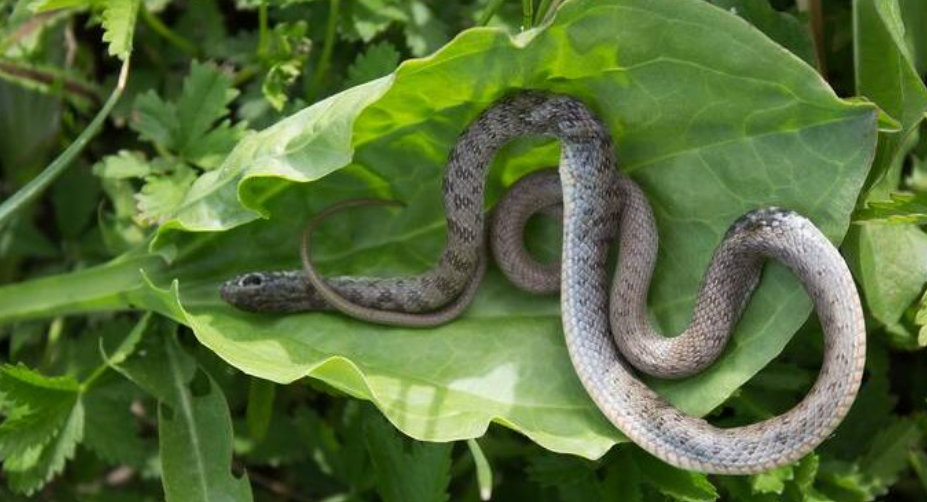
Picture a garden at dusk from a snake’s actual point of view for a moment: no flower scent registers as anything close to attractive, because a snake isn’t smelling the way a person or a bee does at all. Its forked tongue flicks through the air and across the ground, collecting scent particles and delivering them to a specialized organ in the roof of its mouth, essentially reading a chemical map of where a mouse recently passed, where the soil stays cool and damp beneath a shaded canopy, and where a stack of leaf litter offers real shelter from a hawk circling overhead. Plants that attract snakes don’t do it with a bloom, they do it by building the exact terrain that map is looking for.
That distinction matters enormously, since it means no single flower or fragrance draws a snake in the way a garden center display might suggest. What actually matters is structure and food chain, dense, low, tangled vegetation that offers real cover from predators and extreme heat, and any planting that indirectly supports a healthy rodent, insect, or amphibian population a snake can hunt. A garden loaded with seed-dropping plants and thick groundcover is essentially advertising a full pantry and a secure home to any snake patrolling the neighborhood, whether or not a single flower in it ever blooms.
Water changes the equation considerably too, since a pond, stream edge, or any consistently damp low spot concentrates exactly the prey, frogs, insects, small fish, that draws a hunting snake in reliably. A garden built around a water feature is often unintentionally building genuine snake habitat right alongside it, regardless of how ornamental the surrounding planting was actually meant to be.
The University of Georgia Extension’s wildlife habitat guide covers the broader landscape features that influence snake presence around a home in more ecological detail than a plant list alone can capture. What follows covers 24 plants that attract snakes, spanning dense ground cover, prey-supporting plantings, and water-adjacent vegetation.
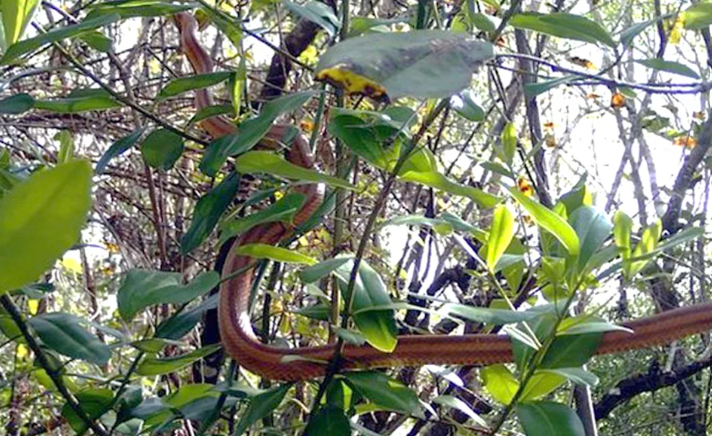
English Ivy
English ivy spreads into a genuinely dense, low evergreen mat that provides exactly the kind of ground-level shelter a snake seeks out for both cover and thermal regulation. Its considerable spread across the ground also tends to shelter the small rodents that make up a real part of many snake species’ diet.
It tolerates significant shade and poor soil, and its aggressive spread makes it one of the more effective, if unintentional, habitat builders on this list. The Virginia Cooperative Extension’s wildlife habitat management guide covers ground-level cover density and its measurable effect on reptile activity around a home.
Pachysandra
Pachysandra forms a dense, evergreen groundcover that creates genuinely cool, shaded conditions at ground level, exactly the kind of microhabitat a snake favors during the hottest part of the day. Its thick mat of foliage also provides cover for the small prey animals that draw a hunting snake into the area in the first place.
It tolerates significant shade and a range of soil conditions, filling in dense enough within a season or 2 to create real ground-level concealment.
Liriope
Liriope forms dense, grass-like clumps that provide genuine low cover, particularly effective when planted in a mass along a foundation or walkway edge. Its considerable density at ground level offers exactly the kind of concealment a snake favors while moving between more open areas of a yard.
It tolerates a wide range of light and soil conditions, growing dense enough over time to create real structural cover close to the ground.
Periwinkle
Periwinkle spreads readily into a dense, low evergreen mat, creating cool, shaded ground conditions similar to English ivy’s habitat-building effect. Its considerable spread also tends to shelter the same small rodent and insect populations that make an area attractive to a hunting snake.
It tolerates significant shade and poor soil, spreading vigorously enough to create genuine ground-level cover within a relatively short time.
Pampas Grass
Pampas grass forms an enormous, dense clump of arching foliage that provides genuinely substantial cover at its base, sheltering everything from small rodents to the snakes that hunt them. Its considerable mature size makes a single established clump a significant habitat feature on its own.
It tolerates a range of soil conditions and full sun, growing into a large enough clump over time to shelter a genuine community of small wildlife at its base.
Hostas
Hostas produce bold, broad leaves that create dense, low shade at ground level once a planting matures, offering cool, damp conditions a snake genuinely favors during a hot summer day. Their considerable leaf coverage also shelters the slugs and insects that make up part of some snake species’ prey base.
It tolerates partial to full shade and consistently moist soil, creating genuinely dense ground-level cover once established.
Ferns
Ferns create dense, low, shaded cover in exactly the cool, moist conditions many snake species genuinely favor for daytime shelter. Their considerable foliage density at ground level also supports the insects and amphibians that form part of a snake’s natural diet.
It tolerates significant shade and consistently moist soil, thriving in the same damp, sheltered conditions that make an area genuinely appealing to a resident snake.
Creeping Juniper
Creeping juniper spreads into a dense, low evergreen mat that provides genuine year-round ground cover, sheltering small rodents and offering a snake real concealment while moving through a yard. Its considerable density even through winter makes it a reliable habitat feature across every season.
It tolerates full sun and drought well, forming dense enough cover over time to genuinely shelter small wildlife at ground level.
Honeysuckle
Honeysuckle forms a genuinely dense, tangled mass of vines that provides substantial cover both at ground level and climbing upward, sheltering a range of small wildlife within its thick growth. Its considerable vigor as a climbing or sprawling vine creates real structural complexity a snake can use for both concealment and hunting.
It tolerates a range of soil and light conditions, growing into dense enough tangled growth to shelter genuine wildlife activity within a season or 2.
Boxwood
Boxwood forms a dense evergreen shrub whose base often develops a genuinely sheltered, shaded pocket as the plant matures, offering a snake real concealment close to a home’s foundation. Its considerable density even after regular shearing still leaves enough ground-level cover to shelter small wildlife.
It tolerates a range of soil types and light conditions, and its dense form near a foundation can unintentionally create exactly the kind of sheltered approach a snake favors.
Sunflowers
Sunflowers drop a genuinely substantial volume of seed as they mature, providing a reliable food source that draws in rodents, which in turn draws in the snakes that hunt them. Their considerable height and dense stalk growth also offer some structural cover at the base.
It thrives in full sun and well-drained soil, and cleaning up dropped seed regularly genuinely reduces the rodent activity that would otherwise build up around a mature planting.
Corn
Corn produces a genuinely significant volume of grain that reliably attracts rodents throughout the growing season and especially after harvest, building exactly the kind of prey base that draws snakes into a garden. Its dense stalk growth also provides real structural cover at ground level.
It thrives in full sun and rich soil, and its considerable rodent-attracting reputation is well documented in agricultural settings well beyond the home garden. The Iowa State University Extension’s wildlife damage management program has documented rodent activity patterns around grain crops relevant to backyard corn plantings.
Blackberry
Blackberry forms dense, genuinely thorny thickets that provide substantial cover for small wildlife, its tangled growth creating real structural complexity few predators want to push through. Its fruit also draws birds and rodents, building a food chain that a hunting snake can take advantage of.
It tolerates a range of soil conditions and full sun, forming dense enough thorny cover over time to shelter genuine wildlife activity within the thicket.
Apple Tree
Apple trees drop a genuinely significant volume of fallen fruit each season, drawing rodents and other small wildlife that in turn attract a snake looking for a reliable meal. Their considerable canopy and root-zone leaf litter also provide some additional ground-level cover.
It thrives in full sun and well-drained soil, and cleaning up fallen fruit promptly genuinely reduces the rodent activity a mature tree would otherwise support.
Clover
Clover forms a low, dense mat that shelters a genuinely significant population of insects, which in turn provides food for smaller snake species that specialize in an insect-heavy diet. Its considerable spread across a lawn or bed also offers some ground-level concealment.
It tolerates poor soil and considerable foot traffic, supporting a real insect population that can indirectly draw a smaller, insect-hunting snake species.
Water Lilies
Water lilies anchor a pond ecosystem that concentrates exactly the prey, frogs, small fish, aquatic insects, that draws a water-associated snake species in reliably. Their broad floating leaves also provide cover for the amphibians and insects living at the water’s surface.
It thrives in full sun and still water, anchoring a pond habitat that genuinely supports the kind of prey base a water snake actively hunts. The Penn State Extension’s pond and wetland wildlife guide covers how aquatic plant density influences the prey populations that draw water-associated snake species.
Cattails
Cattails form dense stands at a pond or wetland edge, providing genuinely substantial cover for frogs, small fish, and the aquatic insects that make up a real part of many water-associated snakes’ diet. Their considerable density at the water’s edge creates real structural habitat few other wetland plants match.
It thrives in consistently wet or standing water, forming dense enough stands to shelter a genuine wetland food chain within just a season or 2.
Sedges
Sedges form dense, grass-like clumps at a pond or stream edge, providing genuine cover for the amphibians and insects that draw a hunting snake to a wetland area. Their considerable tolerance for consistently wet soil makes them a reliable presence along nearly any water feature.
It tolerates consistently moist to wet soil, thriving in exactly the damp, prey-rich conditions many water-associated snake species favor.
Sedum
Sedum forms a low, spreading mat over rocky or gravelly ground, and the warm stone it’s often paired with provides genuine thermal basking opportunities a snake actively seeks out for regulating its body temperature. Its considerable drought tolerance suits the same lean, rocky conditions a basking snake favors.
It tolerates poor, dry soil and full sun, thriving in the same warm, rocky conditions that make an area genuinely appealing for a snake’s thermal regulation needs. The North Carolina State University Extension’s reptile ecology resources cover thermal basking behavior relevant to rock-garden-adjacent habitat.
Creeping Thyme
Creeping thyme forms a low, dense mat often planted between rock garden stones, and that same warm stone setting provides genuine basking opportunity alongside the low ground cover’s concealment value. Its considerable tolerance for lean, rocky soil suits the same conditions a basking snake favors.
It wants full sun and excellent drainage, thriving in exactly the warm, rocky microclimate that draws a sun-seeking snake to a rock garden setting.
Forsythia
Forsythia’s arching branches create a genuinely sheltered, shaded pocket at the base of a mature shrub, offering real ground-level concealment even though the plant itself doesn’t produce dense foliage at ground level year-round. Its considerable spread over time deepens that sheltered base zone.
It tolerates a wide range of soil types and full sun to light shade, and its arching form creates a genuinely useful hidden pocket at the base as the shrub matures.
Privet
Privet forms a dense evergreen or semi-evergreen hedge whose base develops genuinely sheltered, shaded conditions as the planting matures, offering real concealment along a property line. Its considerable density even under regular shearing still leaves enough ground-level cover to shelter small wildlife.
It tolerates a range of soil types and light conditions, and its typical use as a dense hedge line creates a genuinely extended corridor of ground-level shelter.
Bamboo
Bamboo forms genuinely dense, spreading stands that create substantial ground-level shelter and shade, among the more significant habitat-building plants on this list given how thick a mature stand actually becomes. Its considerable spread, particularly in a running variety, can create an extensive sheltered zone if left unmanaged.
It tolerates a range of soil conditions and full sun to partial shade, spreading vigorously enough to create genuinely significant wildlife shelter if not actively contained.
Miscanthus
Miscanthus forms a substantial, dense clump of arching grass foliage, its considerable base providing real shelter for small rodents and the snakes that hunt them, similar to pampas grass’s habitat-building effect. Its impressive mature size makes a single established clump a genuine wildlife feature.
It tolerates a range of soil conditions and full sun, growing into a large, dense clump over time that shelters real small wildlife activity at its base.
Key Takeaway
Plants that attract snakes usually do so indirectly by creating shelter, shade, moisture, or habitat for the animals that snakes eat. Dense ground covers, tall grasses, shrubs, and plants growing around rocks or wood can provide hiding places and cooler areas where snakes may move or rest.
The presence of snakes depends on more than plants alone. Water sources, vegetation density, loose debris, rodents, frogs, insects, and other available prey can influence whether snakes use a garden or landscape. Understanding these factors is important when identifying why snakes may be present.
If snakes are unwanted around a home, keeping vegetation maintained and reducing unnecessary piles of leaves, wood, rocks, and other debris can make the area less suitable for shelter. Keeping grass trimmed, managing potential food sources, and maintaining clear areas around buildings can also help reduce opportunities for snakes to hide.