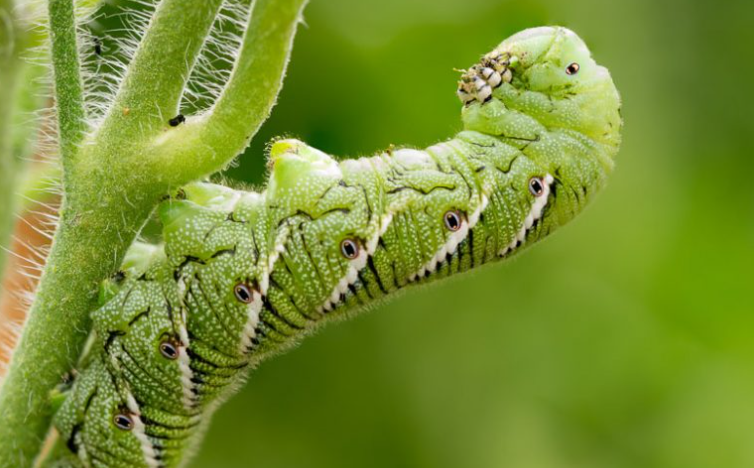
Insects that eat tomato plants fall into genuinely distinct feeding categories, and recognizing which category a given pest belongs to is often the fastest way to identify what’s actually attacking a plant before any damage gets too severe. Some chew visible holes straight through leaves and stems, others pierce plant tissue to drink sap without leaving an obvious wound, and a handful bore directly into stems, fruit, or roots where they stay hidden from view until the damage is already done.
Tomatoes belong to the nightshade family alongside potatoes, peppers, and eggplant, and that shared botanical lineage means many of the worst tomato pests are genuinely cross-crop problems rather than tomato specialists. The Colorado potato beetle, despite its name, happily attacks tomato foliage too, and a garden growing several nightshade relatives side by side essentially concentrates a shared pest population into one convenient area rather than spreading the pressure out.
Timing also matters considerably in identifying what’s actually responsible for a given symptom. A cutworm severs a young seedling right at the soil line within the first few weeks after transplanting, while a hornworm doesn’t become a serious problem until midsummer when it’s had time to grow to its full, genuinely alarming size. Matching the damage pattern and the calendar to the right suspect considerably narrows down what’s actually happening in a given garden.
It’s worth noting that a few of the most commonly cited “tomato insects” aren’t insects at all, technically arachnids or mollusks, but they’re included here since gardeners searching for tomato pests expect to find them regardless of their precise biological classification. The University of California Statewide Integrated Pest Management Program maintains detailed identification and management guidance for the vast majority of pests covered here. What follows covers 40 insects that eat tomato plants, along with a few honestly flagged non-insect exceptions.
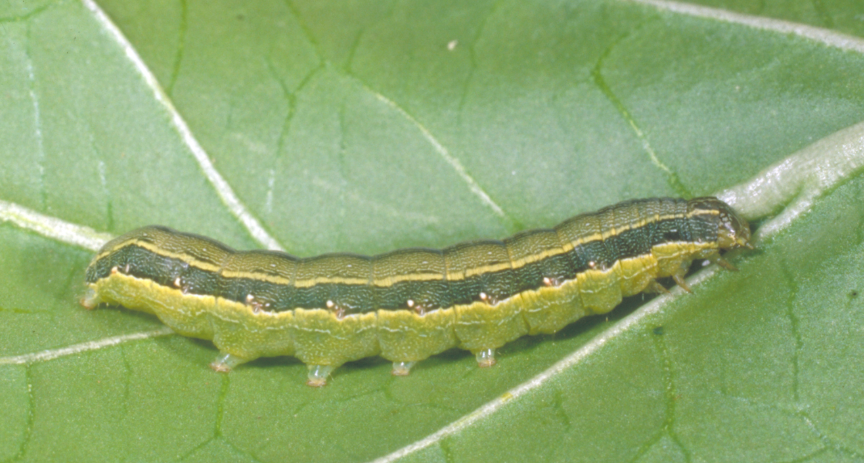
Tomato Hornworm
Tomato hornworm is genuinely the most iconic tomato pest, a large, green caterpillar capable of stripping entire branches of foliage within just a day or 2 once it reaches full size. Its considerable size and voracious appetite make it one of the most immediately alarming pests a tomato grower is likely to encounter.
It feeds primarily at dusk and dawn, and its excellent camouflage against tomato foliage means the telltale black droppings on lower leaves are often the first real clue it’s present. The Colorado State University Extension’s insect identification guide covers hornworm life cycle timing relevant to when garden damage typically peaks.
Tobacco Hornworm
Tobacco hornworm looks remarkably similar to the tomato hornworm, distinguished mainly by diagonal white stripes and a red horn rather than a straight stripe pattern and a blue-black horn. Its feeding damage and overall behavior closely mirror its tomato hornworm relative.
It feeds on the same nightshade family plants, and the 2 species are commonly confused with each other given how similar their damage and appearance genuinely are.
Beet Armyworm
Beet armyworm caterpillars feed in genuine groups when young, skeletonizing leaves before dispersing to cause more scattered damage as they mature. Their considerable appetite and tendency to also bore into developing fruit make them a genuine concern beyond just foliage loss.
It produces multiple generations per growing season in a warm climate, making early detection considerably more important than waiting for an obvious infestation.
Fall Armyworm
Fall armyworm shares its beet armyworm relative’s group-feeding habit when young, capable of causing genuinely rapid defoliation once a population becomes established. Its considerable mobility as it matures also means damage can spread quickly across an entire tomato patch.
It migrates considerable distances in a single season in some regions, meaning an infestation can appear seemingly out of nowhere in a garden that had no previous problem.
Cutworms
Cutworms sever young tomato seedlings right at the soil line, often destroying an entire transplant overnight during the vulnerable first weeks after planting. Their nocturnal feeding habit means the actual culprit is rarely seen, only the toppled seedling left behind by morning.
They hide in the soil during the day, and a simple cardboard collar around each seedling’s base genuinely prevents most cutworm damage without any chemical intervention needed.
Tomato Fruitworm
Tomato fruitworm, also called corn earworm depending on which crop it’s attacking, bores directly into developing tomato fruit, leaving a genuinely damaging entry hole that often leads to secondary rot. Its considerable appetite for the fruit itself, rather than just foliage, makes it one of the more economically significant tomato pests.
It also attacks corn, cotton, and several other crops under different common names, reflecting just how broad its host range genuinely is.
Cabbage Looper
Cabbage looper caterpillars feed on tomato foliage despite their name suggesting a cabbage-only diet, moving in a genuinely distinctive looping motion that gives the species its common name. Their feeding creates large, irregular holes in leaves that can affect a plant’s overall vigor if left unchecked.
It attacks a genuinely wide range of garden vegetables beyond tomatoes, making it a pest worth watching for across an entire vegetable garden rather than a single crop.
Green Peach Aphid
Green peach aphid clusters on the undersides of tomato leaves and new growth, piercing plant tissue to feed on sap and secreting a sticky honeydew that can attract sooty mold. Its considerable reproductive rate means a small population can genuinely explode within just a week or 2 under favorable conditions.
It also transmits several plant viruses between infected and healthy tomato plants, making it a genuine disease vector beyond the direct feeding damage it causes.
Potato Aphid
Potato aphid, despite the name, is a genuine tomato pest as well, feeding on sap in the same clustering pattern as its green peach aphid relative. Its considerably larger body size compared to most other aphid species makes it somewhat easier to spot on close inspection.
It also transmits plant viruses between tomato plants, and the Penn State Extension’s vegetable pest management guide covers aphid-vectored disease risk specific to nightshade crops.
Whiteflies
Whiteflies cluster on the undersides of tomato leaves, rising in a genuinely visible cloud when a disturbed plant is brushed against or shaken. Their considerable feeding activity weakens plants over time while their honeydew secretion invites sooty mold growth on foliage below.
It reproduces rapidly in warm conditions, and yellow sticky traps genuinely help monitor and reduce a population before it grows unmanageable. The North Carolina State University Extension’s whitefly management guide covers monitoring thresholds specific to tomato production.
Colorado Potato Beetle
Colorado potato beetle, despite its name, readily attacks tomato foliage given the plant’s shared nightshade family membership with potato. Its distinctive black-and-yellow striped adults and reddish larvae can both cause genuinely significant defoliation if left unchecked.
It’s developed resistance to several common insecticides in various regions, making hand removal and rotation of control methods genuinely important for effective management.
Flea Beetles
Flea beetles create small, characteristic shot-hole damage across tomato leaves, particularly on young seedlings where the cumulative damage can genuinely stunt early growth. Their considerable jumping ability, similar to a flea’s, gives the tiny beetles their common name.
It’s most damaging to young transplants specifically, with established, more mature tomato plants generally tolerating their feeding with less overall impact.
Blister Beetles
Blister beetles feed on tomato foliage in genuine clusters, capable of causing rapid defoliation on a section of plant within a short period. Handling them directly is worth avoiding, since they release a chemical that can cause actual skin blistering on contact.
It often appears suddenly in larger numbers rather than building up gradually, making early detection and prompt removal genuinely important once a cluster is spotted.
Stink Bugs
Stink bugs pierce developing tomato fruit to feed, leaving characteristic cloudy, discolored spots beneath the skin that can extend into the fruit’s interior. Their considerable feeding damage often isn’t obvious until the fruit is sliced open.
It releases a genuinely distinctive unpleasant odor when disturbed or crushed, which is exactly how the insect earned its common name.
Brown Marmorated Stink Bug
Brown marmorated stink bug, a relatively recent invasive species in much of the country, causes the same cloudy fruit damage as native stink bug species but has spread rapidly given its lack of natural predators in its introduced range. Its considerable tendency to seek shelter indoors during cold weather has also made it a genuine household nuisance beyond the garden.
It feeds on a wide range of crops beyond tomatoes, and its rapid spread has made it a genuinely significant agricultural concern in several regions.
Thrips
Thrips are genuinely tiny, slender insects that rasp plant tissue and feed on the resulting sap, causing a distinctive silvery or stippled discoloration on tomato leaves. Their minuscule size makes them considerably harder to spot than most other tomato pests without close inspection.
It transmits tomato spotted wilt virus, a genuinely serious disease, making thrips control important beyond the direct feeding damage the insects themselves cause.
Leafminers
Leafminers create distinctive, winding white tunnels visible through tomato leaves, the larvae feeding between the upper and lower leaf surfaces where they’re genuinely protected from most surface-applied treatments. Their damage pattern is unmistakable once spotted, even if the insect itself remains hidden inside the leaf.
It rarely kills an established plant outright, though heavy infestation can genuinely reduce overall photosynthesis and plant vigor.
Leafhoppers
Leafhoppers pierce tomato foliage to feed on sap, causing a stippled, discolored appearance similar to thrip damage though the insects themselves move with a distinctive quick, hopping motion when disturbed. Their considerable mobility makes them genuinely difficult to catch by hand.
It transmits certain plant diseases between tomato plants, adding disease risk to the direct feeding damage leafhoppers cause.
Tomato Psyllid
Tomato psyllid pierces plant tissue to feed, injecting a toxin that can cause a genuinely distinctive yellowing and curling condition sometimes called psyllid yellows. Its considerable economic impact in some regions comes as much from disease transmission as from direct feeding damage.
It also transmits the pathogen responsible for zebra chip disease in related nightshade crops, making it a genuinely significant regional concern beyond home gardens.
Wireworms
Wireworms, the larval stage of click beetles, feed on tomato roots and can bore into lower stems underground, causing damage that’s genuinely difficult to diagnose since it happens entirely below the soil surface. Their presence often shows up only as an unexplained, gradually wilting plant.
It can persist in soil for several years as a larva before maturing, making a previously wireworm-infested bed a genuine ongoing risk for several growing seasons.
White Grubs
White grubs, the larval stage of June beetles, feed on tomato roots underground, weakening a plant’s ability to take up water and nutrients in a way that mimics drought stress above ground. Their considerable size compared to many other soil pests makes them relatively easy to identify once unearthed.
It typically takes more than a single year to complete its life cycle, meaning grub damage can recur in the same bed across multiple growing seasons.
Tomato Pinworm
Tomato pinworm larvae mine tomato leaves before eventually boring into developing fruit, causing internal damage that’s genuinely hard to detect from the outside until the fruit is cut open. Its considerable economic impact in warmer growing regions has made it a significant commercial tomato pest.
It overwinters in plant debris left in the garden, making thorough fall cleanup a genuinely effective way to reduce the following season’s population.
Tarnished Plant Bug
Tarnished plant bug pierces developing tomato flowers and young fruit to feed, often causing deformed, catfaced fruit as a direct result of that early feeding damage. Its considerable mobility and wide host range make it a genuinely persistent garden pest.
It feeds on a broad range of garden plants beyond tomatoes, making it difficult to eliminate entirely from a diverse vegetable garden.
Grasshoppers
Grasshoppers feed opportunistically on tomato foliage, particularly during a population explosion following a favorable breeding season, capable of causing genuinely significant defoliation in a short period. Their considerable mobility means they can move into a garden quickly from surrounding vegetation.
It’s typically more of a sporadic, weather-driven problem than a consistent yearly pest, with populations varying considerably from one season to the next.
Japanese Beetle
Japanese beetle feeds on tomato foliage among a genuinely wide range of other garden plants, skeletonizing leaves between the veins in a distinctive lace-like pattern. Its considerable appetite and tendency to feed in groups can cause rapid, visible damage once a population establishes itself.
It’s an invasive species in most of the country where it’s found, lacking the natural predator pressure that keeps its population more naturally controlled in its native range.
Ants
Ants don’t feed directly on tomato plants, but they genuinely protect and even farm aphid colonies for the sweet honeydew the aphids produce, actively defending the aphids from predators that would otherwise keep the population in check. That protective relationship makes ant activity worth noticing as an indirect warning sign of an aphid problem developing nearby.
It rarely causes direct plant damage on its own, though a heavy ant presence around tomato foliage is often a genuine clue that an aphid infestation is already underway.
Fungus Gnats
Fungus gnats lay eggs in consistently moist potting soil, and their larvae feed on organic matter and fine root hairs, causing modest but genuine stress to a young or container-grown tomato plant. Adult gnats themselves cause no direct plant damage, functioning mainly as a nuisance and an indicator of overly wet soil.
It thrives specifically in overwatered conditions, and allowing the soil surface to dry out somewhat between waterings genuinely reduces the larval population.
Mealybugs
Mealybugs cluster in cottony white masses on tomato stems and leaf joints, piercing plant tissue to feed on sap in a manner similar to aphids and scale insects. Their considerable honeydew production also invites the same sooty mold growth other sap-feeding pests cause.
It’s more commonly a problem on a greenhouse or indoor-grown tomato plant than an outdoor garden crop, thriving in the warmer, more stable conditions indoor growing provides.
Scale Insects
Scale insects attach themselves to tomato stems and feed on sap from a fixed position, their waxy, shell-like covering making them genuinely resistant to many surface-applied treatments. Their relatively immobile adult stage makes them easier to physically scrape off than many more mobile tomato pests.
It’s a less common tomato pest than aphids or whiteflies, appearing more frequently on a stressed or indoor-grown plant than a healthy outdoor one.
Root Maggots
Root maggots, the larvae of certain fly species, feed on tomato roots underground, causing damage that shows up above ground as unexplained wilting or stunted growth. Their entirely subterranean feeding habit makes direct observation genuinely difficult without digging up an affected plant.
It’s more commonly a problem in cool, moist soil conditions, with damage typically most severe on young transplants rather than established plants.
Darkling Beetles
Darkling beetles and their larvae, sometimes called false wireworms, feed on tomato seeds and young seedling stems at the soil line, causing damage that can genuinely resemble cutworm activity. Their considerable presence in soil rich with decaying organic matter makes healthy compost management worth considering if damage recurs.
It’s typically a bigger concern for direct-seeded crops than for transplanted tomato seedlings, since the vulnerable germination stage is when damage is most likely.
Vegetable Weevil
Vegetable weevil larvae feed on tomato foliage and roots, capable of causing genuine damage to both above- and below-ground plant tissue from the same infestation. Its considerable host range beyond tomatoes makes it a broader garden concern rather than a tomato-specific problem.
It’s most active during cooler weather in many regions, with feeding damage often most noticeable in early spring or late fall.
Seed Corn Maggot
Seed corn maggot feeds on germinating tomato seeds and young seedling tissue below the soil surface, causing poor germination or seedling failure that’s often mistaken for a seed quality problem rather than a pest issue. Its considerable preference for cool, wet soil makes early spring planting genuinely more vulnerable than a later, warmer planting.
It’s drawn specifically to soil rich in decaying organic matter, making recently incorporated manure or compost a genuine risk factor for infestation.
Spotted Cucumber Beetle
Spotted cucumber beetle feeds on tomato foliage and occasionally fruit, its yellow-green body marked with distinctive black spots making it relatively easy to identify on sight. Its considerable role as a disease vector for bacterial wilt in related crops makes control worth taking seriously even at modest population levels.
It overwinters in garden debris and surrounding vegetation, making fall cleanup a genuinely useful tool for reducing the following season’s population.
Striped Cucumber Beetle
Striped cucumber beetle occasionally feeds on tomato foliage, though it shows a genuine preference for cucumber and squash family plants when both are available in the same garden. Its distinctive black-and-yellow striped pattern distinguishes it easily from its spotted relative.
It also vectors bacterial wilt disease, making its presence worth monitoring even when direct feeding damage to tomato appears minor.
European Corn Borer
European corn borer occasionally bores into tomato stems and fruit, though it’s a considerably more significant pest of corn and pepper crops grown nearby. Its tunneling damage inside a tomato stem can cause a plant to wilt and break in a way that’s easily mistaken for a different problem entirely.
It overwinters as a larva inside plant debris, making thorough fall cleanup a genuinely useful preventive measure.
Squash Bugs
Squash bugs occasionally feed on tomato plants grown near squash or other cucurbit crops, though they show a genuine strong preference for their namesake host when it’s available. Their piercing-sucking feeding style causes similar wilting and discoloration to several other true bugs on this list.
It’s primarily a squash and pumpkin pest, and its presence on tomato specifically usually indicates a heavier population nearby has simply spread over from a preferred host plant.
Two-Spotted Spider Mite
Two-spotted spider mite isn’t actually an insect, it’s a genuine arachnid closely related to spiders and ticks, but it’s commonly included on any tomato pest list given how frequently it causes real garden damage. Its feeding causes a fine, stippled yellowing on leaves, often accompanied by delicate webbing visible on the plant’s undersides in a heavy infestation.
It thrives in hot, dry conditions, and a heavier-than-usual watering schedule during a genuine dry spell can help keep populations from exploding. The Utah State University Extension’s spider mite identification guide covers the distinction between mite damage and true insect feeding patterns.
Tomato Russet Mite
Tomato russet mite is also a genuine arachnid rather than an insect, causing a distinctive bronzing or russeting on stems and lower leaves that can spread upward through an entire plant if left unchecked. Its microscopic size makes it essentially invisible without magnification, with the characteristic bronze discoloration serving as the main diagnostic clue.
It thrives in hot, dry weather similar to spider mites, and increasing humidity around affected plants can genuinely help slow its spread.
Slugs
Slugs aren’t insects at all, they’re genuine mollusks related to snails, but they’re consistently included on tomato pest lists given how much real damage they cause to lower leaves and ripening fruit resting near the soil. Their feeding leaves large, irregular holes and a telltale slime trail behind.
It’s most active at night and during damp weather, and a simple physical barrier or trap genuinely reduces damage without needing any chemical intervention.
Key Takeaways
Insects that eat tomato plants can damage leaves, stems, flowers, and developing fruits. Common tomato pests include caterpillars, aphids, whiteflies, beetles, stink bugs, and other insects that feed by chewing plant tissue or sucking sap from the plant.
Identifying the insect and the type of damage it causes can make management easier. Holes in leaves, curled or discolored foliage, sticky residue, damaged fruit, and visible insects or eggs can provide useful clues when determining which pest is affecting the plant.
The severity of insect damage can vary depending on the pest, plant age, weather, and growing conditions. Regularly inspecting the leaves, stems, flowers, and undersides of foliage can help detect problems early before insect populations become difficult to manage.
Good garden practices can help reduce tomato pest problems. Removing heavily damaged plant material when appropriate, encouraging beneficial insects, keeping the growing area clean, and using suitable pest-management methods can help protect tomato plants while minimizing unnecessary harm to helpful organisms.