Beneficial insects in gardens work through 3 genuinely distinct strategies, and understanding which strategy a given insect uses changes how a gardener should think about encouraging it. Predators hunt down and consume pest insects directly, often visibly and immediately. Parasitoids take a considerably stranger approach, laying eggs inside or on a host insect so their larvae can consume it slowly from within, a genuinely brutal but remarkably effective form of biological pest control. Pollinators don’t attack pests at all, instead providing the essential fruit-set service that makes a garden’s flowering plants and vegetables actually productive.
It’s worth knowing that a garden completely free of pest insects is often a worse outcome than it sounds, since predatory and parasitic beneficial insects genuinely need some prey population to sustain themselves in the first place. A modest early-season aphid presence, left alone rather than immediately treated, can be exactly what feeds the ladybug and lacewing population that later controls a much larger outbreak before it ever becomes a real problem. Reaching for a broad-spectrum pesticide at the first sign of any pest often eliminates the beneficial insects that would have solved the problem naturally within days.
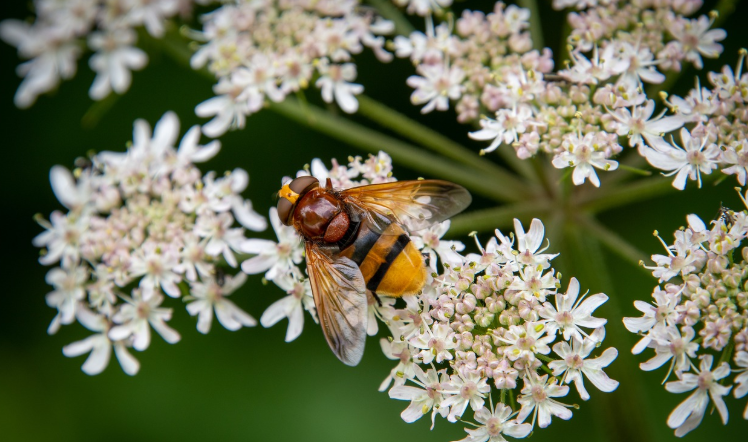
Several of the insects on this list occupy a genuinely two-sided role that’s easy to overlook, cases where the larval stage behaves completely differently from the adult. Syrphid fly larvae hunt aphids with real aggression, while the adult fly spends its time visiting flowers as a pollinator instead. Recognizing both life stages matters, since an adult syrphid fly is often mistaken for a wasp or bee and dismissed or even swatted away by someone who doesn’t realize its larvae are already doing pest control work nearby.
The Michigan State University Integrated Pest Management program maintains detailed identification guides for the majority of beneficial insects covered here. What follows covers 25 beneficial insects in gardens, spanning predators, parasitoids, pollinators, and a couple of honestly flagged non-insect predators worth knowing about too.
Ladybugs
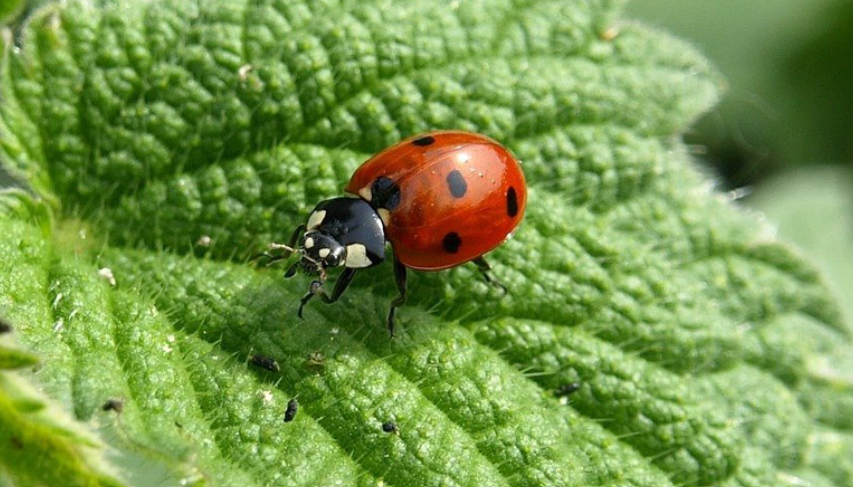
Ladybugs are genuinely the most recognized beneficial insect in any garden, with both the adult beetle and its considerably less charming larval stage consuming aphids in real numbers throughout the growing season. A single ladybug larva can eat several hundred aphids before reaching adulthood, making its unassuming, alligator-like appearance well worth learning to recognize rather than mistaking for a pest.
It’s drawn to a garden with a modest, ongoing aphid population to feed on, and pollen-rich flowers like dill, fennel, and yarrow genuinely help sustain adult ladybugs between aphid outbreaks. The Cornell University Cooperative Extension’s beneficial insect guide covers plant selections that specifically support ladybug populations through the season.
Lacewings
Lacewings, particularly in their larval stage sometimes called aphid lions, are genuinely voracious predators consuming aphids, mites, and other soft-bodied pests in considerable numbers. Adult lacewings feed mostly on nectar and pollen, making them pollinators as well as the parents of a genuinely effective predatory larva.
It’s attracted to a garden offering a mix of flowering plants for the nectar-feeding adults alongside a modest pest population to sustain the predatory larvae.
Praying Mantis
Praying mantis hunts a genuinely wide range of garden insects, both pest and beneficial alike, using its considerable patience and camouflage to ambush prey rather than actively chasing it down. Its indiscriminate diet means it’s a somewhat less targeted beneficial insect than some others on this list, though its overall presence still tends to favor pest reduction.
It’s a solitary hunter by nature, and a single mantis covers considerable territory within a garden rather than needing to be present in large numbers to have an impact. The University of Kentucky Entomology Extension covers realistic expectations for mantis-based pest control compared to more targeted predators.
Ground Beetles
Ground beetles hunt at night, consuming slugs, cutworms, and a range of other soil-dwelling and ground-level pests that many daytime predators never encounter. Their genuine preference for sheltering under rocks, mulch, and leaf litter during the day makes providing that kind of ground cover a real way to encourage their presence.
It benefits from a garden that leaves some mulch or leaf litter undisturbed, since that ground-level shelter is genuinely essential to the beetle’s daytime hiding and nighttime hunting cycle.
Soldier Beetles
Soldier beetles feed on aphids and other soft-bodied insects as both larvae and adults, while adult soldier beetles also visit flowers for pollen, giving the species a genuine dual role in pest control and pollination. Their elongated, somewhat beetle-like appearance is often mistaken for a less beneficial insect on first glance.
It’s drawn to a garden with goldenrod, milkweed, and other late-summer flowering plants, where adults congregate to feed on both pollen and any available soft-bodied prey.
Assassin Bugs
Assassin bugs ambush and pierce a genuinely wide range of garden pests with their distinctive curved mouthpart, injecting a paralyzing enzyme before feeding. Their considerable hunting versatility makes them effective against caterpillars, beetles, and other insects many more specialized predators can’t handle.
It should be handled with real caution if encountered directly, since its bite, while not dangerous, can be genuinely painful if the insect feels threatened.
Minute Pirate Bugs
Minute pirate bugs are genuinely tiny but remarkably effective predators of thrips, spider mites, and insect eggs, making them a significant natural control for pests that are otherwise difficult to manage. Their small size means they’re easily overlooked despite doing real, continuous pest control work.
It’s attracted to a garden with diverse flowering plants, using pollen as a supplemental food source when prey populations run low.
Big-Eyed Bugs
Big-eyed bugs, named for their genuinely oversized compound eyes, prey on aphids, mites, and small caterpillar eggs throughout a garden bed. Their considerable appetite and broad prey range make them a valuable general predator despite their unassuming size.
It thrives in a garden with a diverse, undisturbed ground cover, using low vegetation as both hunting ground and shelter.
Damsel Bugs
Damsel bugs hunt aphids, small caterpillars, and other soft-bodied garden pests using their elongated front legs to grasp and hold prey while feeding. Their considerable resemblance to certain plant-feeding bugs sometimes leads to mistaken identification and unnecessary removal.
It benefits from a garden with diverse plantings and minimal pesticide use, since broad-spectrum treatments genuinely eliminate this predator alongside whatever pest was the original target.
Spined Soldier Bug
Spined soldier bug is a genuinely predatory stink bug relative, distinct from the plant-feeding stink bug species that damage tomato and other garden crops, instead piercing and feeding on caterpillars and beetle larvae. Its similar general appearance to pest stink bug species makes careful identification genuinely important before removing one on sight.
It’s increasingly used in commercial biological pest control programs specifically for its effectiveness against caterpillar pests in vegetable crops.
Hoverflies
Hoverflies, also called syrphid flies, lay eggs directly among aphid colonies, and the resulting larvae consume aphids in genuinely large numbers before maturing into adult flies that feed on nectar and pollen instead. Their black-and-yellow coloring often causes them to be mistaken for a wasp or bee, though they’re harmless and don’t sting.
It’s drawn to a garden with flat, open flowers like dill, cilantro, and yarrow, which provide easy nectar access for the adult stage.
Robber Flies
Robber flies ambush a genuinely wide range of flying insects, including several garden pests, capturing prey directly in midair with considerable speed and precision. Their somewhat intimidating appearance and aggressive hunting style make them one of the more dramatic beneficial insects to observe in a garden.
It thrives in a garden with open, sunny areas and a reasonably diverse insect population to hunt from.
Rove Beetles
Rove beetles hunt a genuinely wide range of small garden pests, including fly larvae, aphids, and mites, often working at the soil surface and within leaf litter where many other predators don’t venture. Their elongated, somewhat unusual body shape can make them difficult to identify as beneficial at first glance.
It benefits from a garden with some undisturbed mulch or organic debris, since that ground-level habitat is genuinely important to its hunting and sheltering behavior.
Parasitic Wasps
Parasitic wasps lay eggs inside or on a host insect, often a caterpillar like the tomato hornworm, and the wasp larvae consume the host from within as they develop, eventually emerging and killing it entirely. Their considerable diversity means different wasp species specialize in parasitizing different specific pest insects.
It’s drawn to a garden with small-flowered plants like dill, parsley, and alyssum, since the adult wasps feed on nectar even though their larvae are entirely parasitic.
Trichogramma Wasps
Trichogramma wasps are genuinely tiny parasitoids that lay their eggs directly inside the eggs of moths and other pest insects, killing the pest before it ever has a chance to hatch and cause any feeding damage at all. Their microscopic size makes them essentially invisible without magnification, despite doing real, measurable pest control work.
It’s commercially available for release in a garden or greenhouse setting, and the University of California Statewide Integrated Pest Management Program covers timing and release rate recommendations for effective use.
Tachinid Flies
Tachinid flies parasitize caterpillars and other garden pests by laying eggs directly on the host’s body, with the resulting larvae burrowing in and consuming the host from within. Their considerable resemblance to a common housefly means they’re rarely recognized as beneficial on sight.
It’s drawn to a garden with a variety of small, nectar-rich flowers, since adult tachinid flies need that food source even though their larvae are entirely parasitic.
Honeybees
Honeybees pollinate a genuinely enormous share of garden flowers and food crops, transferring pollen between blooms as they forage for nectar to bring back to the hive. Their considerable social structure and the sheer number of individuals in a single colony make them one of the most impactful pollinators any garden can host.
It’s drawn to a garden with a continuous succession of blooming flowers, since a steady nectar and pollen supply through the season supports a healthier, more active colony.
Bumblebees
Bumblebees pollinate a wide range of garden plants, including several, like tomatoes, that benefit specifically from the vibration-based buzz pollination technique bumblebees use that honeybees genuinely can’t replicate. Their considerable cold tolerance also means they remain active earlier in spring and later into fall than many other pollinators.
It nests in small, undisturbed ground cavities or clumps of grass, and leaving a corner of a garden a bit wild genuinely supports nesting habitat.
Mason Bees
Mason bees are genuinely efficient solitary pollinators, often visiting considerably more flowers per minute than a honeybee while foraging, making them particularly valuable for early spring fruit tree pollination. Their solitary nature also means they don’t sting defensively the way a colony-based bee might.
It nests in small, hollow cavities like reeds or drilled wood blocks, and a simple mason bee house genuinely encourages their presence in a garden. The Xerces Society’s pollinator conservation program covers nesting box design and placement specific to solitary bee species like this one.
Leafcutter Bees
Leafcutter bees pollinate a range of garden flowers while cutting small, distinctive circular sections from leaves to line their nest cavities, a behavior that causes minor cosmetic leaf damage but genuinely doesn’t threaten a plant’s overall health. Their considerable pollination efficiency for certain crops outweighs the modest leaf-cutting cosmetic concern.
It nests in hollow stems or small cavities similar to mason bees, benefiting from the same kind of simple nesting structure placed in a garden.
Dragonflies
Dragonflies hunt mosquitoes and other small flying insects with genuine aerial precision, consuming considerable numbers of pest insects during a single day of active hunting. Their presence around a garden pond or water feature reflects both their predatory value and their own aquatic larval stage’s need for standing water.
It’s drawn to a garden with a pond or other water feature, since its larvae develop entirely underwater before emerging as the familiar flying adult.
Fireflies
Firefly larvae are genuinely predatory, hunting slugs, snails, and other soft-bodied ground pests with a voracious appetite that goes largely unnoticed given how much more attention the adult’s glowing display receives. Their considerable larval pest control value is a genuine bonus beyond the adult’s purely ornamental appeal.
It benefits from a garden with some undisturbed leaf litter and minimal pesticide use, since both larvae and adults are genuinely sensitive to chemical treatment.
Earwigs
Earwigs have a genuinely mixed garden reputation, since they feed on aphids and other soft-bodied pests but will also nibble on tender seedlings and ripening fruit given the opportunity. Their net impact in a given garden depends considerably on population size and what else is available for them to eat.
It’s most active at night, hiding in damp, dark spots during the day, and a heavy population is worth monitoring even though a modest presence often does more good than harm.
Spiders
Spiders aren’t insects at all, they’re genuine arachnids, but they’re consistently counted among a garden’s most effective general predators regardless of the technical classification. Their webs and active hunting styles combined account for a genuinely enormous volume of captured pest insects across a typical growing season.
It benefits from a garden with diverse structure, tall grasses, shrubs, and undisturbed corners, that provide both web-building sites and ground-level hunting territory.
Centipedes
Centipedes aren’t insects either, they’re myriapods related more closely to millipedes than to any true 6-legged insect, but they’re genuinely effective nighttime predators of soft-bodied garden pests. Their venomous front claws let them subdue prey considerably larger than their own body size would suggest.
It shelters beneath rocks, mulch, and garden debris during the day, benefiting from the same kind of undisturbed ground cover several other beneficial predators on this list also depend on.
Key Takeaway
Beneficial insects in gardens can support plant health by pollinating flowers, feeding on pest insects, and contributing to natural food webs. Ladybugs, lacewings, hoverflies, ground beetles, praying mantises, and parasitic wasps are examples of insects that can provide useful ecological services.
Recognizing beneficial insects and understanding their behavior can help gardeners avoid removing helpful species by mistake. Some beneficial insects feed on pests during one stage of their life cycle and have different diets as adults, so observing their appearance, feeding habits, and location can provide useful identification clues.
Gardens can support beneficial insects by providing diverse plants, flowers, shelter, and suitable water sources. Limiting unnecessary pesticide use and maintaining a variety of flowering plants can help create conditions that encourage beneficial insect populations and support a healthier garden ecosystem.