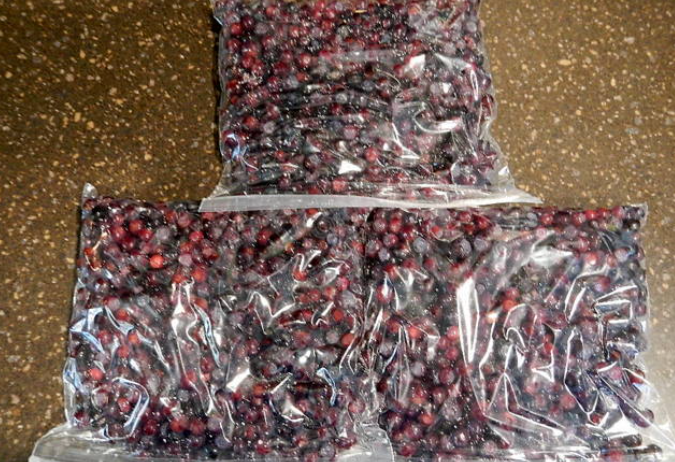
Fresh huckleberries are a seasonal treat, but their delicate skin and high moisture content mean they can spoil surprisingly quickly when left at room temperature. Whether you picked them from your garden, bought them from a local grower, or gathered them from a permitted wild-harvesting area, proper storage can help preserve their flavor and texture.
The best storage method depends on how quickly you plan to eat the berries. If you will use them within a few days, refrigeration is usually sufficient. For a larger harvest, freezing is one of the easiest ways to preserve huckleberries for months.
Before storing wild-harvested berries, make sure they have been correctly identified and collected from a safe, permitted location. Once you have suitable berries, follow these simple methods.
1. Sort the Huckleberries Before Storage
Start by sorting through your fresh huckleberries.
Remove berries that are crushed, leaking, moldy, or unusually soft. One spoiled berry can introduce moisture and microorganisms that encourage the surrounding fruit to deteriorate faster.
Do not wash the entire harvest immediately if you do not plan to eat it soon. Extra moisture on the berries can encourage mold growth during refrigerator storage.
Instead, keep the berries dry and wash them shortly before eating or using them.
Also Read: Delicious Ways to Use Fresh Huckleberries
2. Refrigerate Fresh Huckleberries
For short-term storage, the refrigerator is your best option.
Place the berries in a shallow container that allows some air circulation. Avoid packing them tightly into a deep container because the weight of the berries can crush those at the bottom.
Line the container with a clean paper towel if necessary to absorb excess moisture.
Store the berries in the refrigerator and inspect them periodically. Fresh huckleberries are best used relatively quickly because refrigeration slows spoilage but does not stop it.
3. Don’t Seal Wet Berries in an Airtight Container
One of the easiest ways to shorten the life of fresh huckleberries is to trap moisture around them.
If the berries are wet, allow excess water to drain before refrigeration. A completely airtight container can also trap condensation.
A container that protects the berries while allowing some ventilation is generally more practical for short-term storage.
4. Wash Huckleberries Before Eating
When you are ready to use your refrigerated huckleberries, rinse them gently under cool running water.
Avoid soaking delicate berries for a long time because they can absorb water and become softer.
After washing, drain them well and use them promptly in your preferred recipe.
If you notice mold on a berry, discard it rather than simply rinsing it away.
5. Freeze Fresh Huckleberries
Freezing is arguably the most useful method for storing a large huckleberry harvest.
Begin by sorting the berries and removing damaged fruit. If you wash them, allow them to dry thoroughly before freezing.
Spread the berries in a single layer on a baking sheet or tray. Place the tray in the freezer until the berries are firm.
Once frozen, transfer them to freezer-safe bags or containers.
Freezing them individually first helps prevent the berries from forming one large frozen mass.
6. Label Your Frozen Huckleberries
Don’t skip the labeling step.
Write the date of freezing and the contents on each freezer bag or container.
This simple habit becomes especially useful if you freeze several batches throughout the harvest season.
Store the containers toward the back of the freezer where temperatures tend to remain more stable, and use older batches before newer ones.
7. Freeze Huckleberries Without Cooking Them
Huckleberries can be frozen whole without first turning them into jam or sauce.
This preserves their versatility because you can later use the frozen fruit in:
- Pancakes
- Muffins
- Pies
- Smoothies
- Sauces
- Crisps
- Jams
- Compotes
You can generally add frozen berries directly to many cooked recipes. For recipes where texture matters, thaw them gently and drain excess liquid first.
8. Make Huckleberry Jam or Sauce
If you have more berries than your freezer can accommodate, cooking them is another option.
Fresh huckleberries can be turned into jam, preserves, sauce, or syrup. These preparations concentrate the fruit’s flavor while extending its usefulness beyond the fresh-berry season.
For shelf-stable canning, however, use a tested food-preservation recipe from a reliable extension service or food-safety authority. Avoid changing the proportions of acidic ingredients, sugar, or other ingredients in tested canning recipes without understanding the food-safety implications.
How Long Do Fresh Huckleberries Last in the Refrigerator?
The exact storage life varies depending on the berry’s ripeness, condition, temperature, and moisture.
Freshly harvested, undamaged huckleberries generally keep better than berries that were already soft or bruised when purchased.
Rather than relying on a precise number of days, inspect the fruit regularly. Use berries promptly if they begin becoming soft, leaking juice, or developing mold.
For the best flavor and texture, don’t treat refrigeration as long-term storage.
How Long Do Frozen Huckleberries Last?
Properly packaged frozen huckleberries can remain useful for an extended period, although quality gradually declines over time.
The main enemies of frozen fruit are air, moisture loss, and temperature fluctuations.
Use freezer-safe packaging, remove as much excess air as practical, and keep the freezer at a consistently cold temperature.
While frozen berries can remain safe when continuously frozen, their flavor and texture are generally best when used within a reasonable period rather than being forgotten for years.
Also Read: Berries That Look Like Huckleberries
Can You Store Huckleberries at Room Temperature?
Room-temperature storage is not recommended for keeping fresh huckleberries for an extended period.
The berries are perishable and can deteriorate quickly, particularly in warm conditions.
If you are not eating them soon after harvesting, refrigerate them or freeze them instead.
Should You Wash Huckleberries Before Freezing?
You can wash huckleberries before freezing, but the important point is to dry them thoroughly afterward.
Excess surface water can freeze around the fruit and encourage berries to stick together.
For this reason, gently rinsing, draining, and allowing the berries to dry before tray-freezing can produce better results.
Best Storage Method at a Glance
| Storage method | Best for | Main advantage |
|---|---|---|
| Refrigerator | Eating soon | Simple and convenient |
| Tray freezing | Large harvests | Keeps berries separate |
| Freezer bags | Long-term storage | Space efficient |
| Jam | Preserving cooked fruit | Ready-to-use spread |
| Sauce | Desserts and breakfasts | Convenient topping |
Final Thoughts
Knowing how to store fresh huckleberries can make a short harvest last much longer. For berries you intend to eat soon, sort them carefully, keep them dry, refrigerate them, and wash them shortly before use.
If you have a large harvest, freezing is the most versatile option. Spread the berries out for initial freezing, then transfer them to suitable freezer containers or bags. You can pull out only what you need later for pancakes, muffins, pies, smoothies, and sauces.
The most important rule is simple: keep fresh berries cool, dry, and protected from crushing. With the right storage method, you can enjoy the distinctive flavor of huckleberries well beyond their short fresh season.