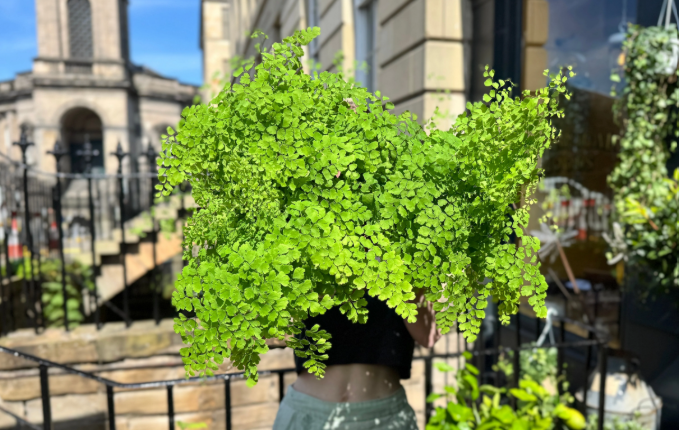
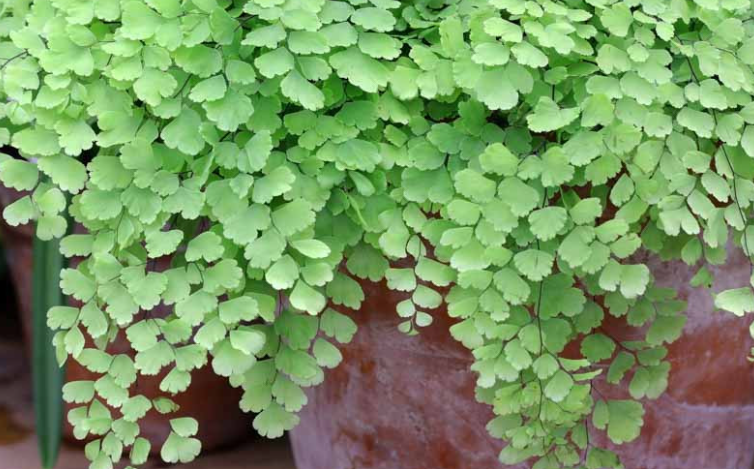
Maidenhair ferns are among the most delicate and beautiful ferns in the world, instantly recognized by their fan-shaped leaflets arranged along wiry, jet-black stems that give the plant an extraordinarily light and graceful appearance. With over 200 species found across tropical, subtropical, and temperate regions on every continent except Antarctica, they are one of the most widespread fern genera on earth.
Fossil records show that maidenhair ferns have existed for over 300 million years, making them one of the most ancient plant lineages still alive today. They are found naturally in humid, shaded environments such as rainforest floors, mossy rock ledges, and the spray zones beside waterfalls and streams where humidity stays near 100 percent year-round.
The most commonly cultivated species include the Northern Maidenhair, hardy in USDA zones 3 to 8, the Southern Maidenhair, suited to zones 7 to 11, and the Delta Maidenhair, widely grown as a houseplant across all zones. Most cultivated varieties reach 12 to 24 inches in height and similar spread, making them compact, shelf-friendly plants for a wide range of indoor spaces.
As houseplants, maidenhair ferns have a well-earned reputation for being among the most challenging indoor ferns to grow successfully. They are extraordinarily sensitive to dry air, irregular watering, cold drafts, and direct sunlight, and a healthy plant can drop all its fronds within 48 hours of being exposed to conditions it dislikes.
Despite their demanding nature, they consistently rank among the top ten most purchased indoor ferns globally. The individual leaflets, called pinnules, are typically only half an inch to one inch across, and their movement in the slightest air current gives indoor spaces a living, dynamic quality that few other plants can match.
Maidenhair ferns are listed as non-toxic to dogs, cats, and humans, making them a safe choice for households with pets and children. They have also been used for centuries in traditional herbal medicine across European, Asian, and South American cultures for respiratory and hair care preparations.
Also Read: Different Types of Fern Plants
How To Grow And Care For Maidenhair Fern
1. Choose the right light.
Maidenhair ferns require bright, consistent indirect light and will not tolerate direct sunlight, which scorches and bleaches the delicate leaflets within hours of exposure. The ideal indoor position is near a north or east-facing window where good ambient light is available without any direct sun reaching the foliage at any point during the day. Outdoors, they perform best in deep to partial shade beneath deciduous trees or on the shaded side of a building or wall.
2. Maintain consistently high humidity.
Humidity is the single most critical environmental factor for maidenhair fern success, and levels should be kept consistently above 50 percent and ideally between 60 and 80 percent at all times. The most effective methods include placing the pot on a wide pebble tray filled with water kept just below the pot base, running a nearby humidifier, grouping the plant with other moisture-loving plants, or growing it in a naturally humid bathroom or kitchen. Misting provides only very temporary relief and can encourage fungal problems if foliage stays wet for too long.
3. Water consistently and never allow the soil to dry out.
Maidenhair ferns are extremely sensitive to both underwatering and overwatering, and finding the right balance is one of the most important skills in growing them well. Check the soil daily by pressing a finger into the top half inch of the potting mix, and water immediately and thoroughly the moment it feels even slightly dry. Allowing the soil to dry out completely even once is often enough to trigger total frond drop, and inconsistent watering is the single most common reason maidenhair ferns fail in home environments.
4. Ensure excellent drainage to prevent root rot.
While consistent moisture is essential, waterlogged soil is equally damaging and will cause root rot just as quickly as drought causes frond collapse. Always grow maidenhair ferns in pots with generously sized drainage holes and never allow the plant to sit in standing water in a saucer for more than thirty minutes after watering. Emptying saucers promptly after each watering session is a simple but critical habit that prevents the root rot that kills many otherwise well-cared-for specimens.
5. Use the right potting mix.
Standard potting compost alone is typically too dense and moisture-retentive for maidenhair ferns and can compact around the roots over time, restricting drainage and airflow. A well-performing mix consists of two parts fine coco coir or peat, one part perlite, and one part fine orchid bark or coarse horticultural grit, creating a medium that holds moisture without becoming waterlogged. Refresh the potting mix every one to two years in spring to prevent compaction and nutrient depletion.
6. Keep temperatures stable and warm.
Most cultivated maidenhair fern varieties prefer temperatures between 60°F and 75°F and are damaged by temperatures falling below 50°F. Keep the plant away from cold windowpanes in winter, unheated rooms, and any position near air conditioning vents or exterior doors where temperatures fluctuate. The Northern Maidenhair is the notable exception, being hardy outdoors to -30°F in USDA zone 3 when grown in the ground, but even this species dislikes cold drafts indoors.
7. Protect from drafts and air movement.
Maidenhair ferns are highly sensitive to air movement of any kind, including the dry currents produced by heating vents, electric fans, open windows, and air conditioning systems, all of which rapidly desiccate the delicate fronds. Position the plant in the most stable, draft-free area of the chosen room and avoid relocating it unnecessarily, as even being carried through a cold room can cause measurable stress. The ideal growing position is one where the plant can remain undisturbed and sheltered for extended periods.
8. Feed lightly during the growing season.
Maidenhair ferns benefit from regular but cautious feeding during the active growing season from spring through early autumn to support healthy frond production and maintain rich green coloring. Use a balanced liquid fertilizer diluted to half or quarter the recommended strength and apply every three to four weeks, stopping entirely during winter when growth slows. Always water the plant thoroughly before feeding to prevent root burn, and avoid slow-release fertilizer granules or sticks that can build up harmful salt concentrations in the compact root zone.
9. Use room-temperature, low-fluoride water.
Maidenhair ferns are sensitive to the chlorine and fluoride commonly found in municipal tap water, which causes brown leaf tip burn and general foliage discoloration over time. Wherever possible, use collected rainwater, filtered water, or tap water left to stand in an open container for 24 hours to allow chlorine to dissipate before watering. Always use water at room temperature rather than cold water straight from the tap, as cold water shocks the roots and can trigger a stress response in these sensitive plants.
Also Read: How To Grow And Care For Boston Fern
10. Prune regularly to maintain appearance.
Remove any brown, damaged, or dying fronds promptly by cutting cleanly at the base of each stem with sharp, clean scissors or secateurs to keep the plant looking its best and prevent dead material from encouraging fungal growth. If a maidenhair fern drops all its fronds due to environmental stress, cut all stems back to within one inch of the soil surface, maintain consistent moisture and humidity, and the plant will very often regenerate fully from its rhizome within four to eight weeks. Regular light pruning of straggly stems also encourages the production of fresh, vigorous new fronds from the base.
11. Repot carefully and only when necessary.
Repot maidenhair ferns in spring when the plant has clearly filled its container and roots are emerging from the drainage holes, moving up only one pot size — typically one to two inches in diameter — at a time. Choosing too large a pot surrounds the root ball with excess wet, unused potting mix that remains soggy and creates root rot conditions very quickly. Terra cotta pots can be used but require more frequent watering as the porous walls allow moisture to evaporate faster than plastic or glazed containers.
12. Monitor and treat pests promptly.
Maidenhair ferns are susceptible to spider mites, scale insects, mealybugs, and fungus gnats, all of which thrive in the warm, humid conditions the fern itself requires. Inspect the plant weekly, paying particular attention to frond undersides and stem bases where pests establish first, and treat any infestation immediately before it spreads. Neem oil diluted in water and applied with a soft cloth or fine spray bottle is an effective organic treatment for most common pests without risking damage to the delicate fronds.
13. Address browning fronds by identifying the cause.
Brown frond tips are most commonly caused by low humidity or fluoride sensitivity in the water, while overall frond yellowing usually signals overwatering or poor drainage, and sudden total frond drop most often results from cold drafts, temperature shock, or a single episode of severe underwatering. Identifying the correct cause before taking corrective action is essential, as the remedies for each problem are different and applying the wrong fix can compound the damage. Once the cause is corrected, healthy new growth typically appears within two to four weeks.
14. Consider a terrarium for difficult environments.
In homes or offices where maintaining adequate ambient humidity proves consistently difficult despite pebble trays and humidifiers, growing the fern inside a large, open-topped terrarium is one of the most effective and practical solutions. The glass walls create a naturally humid microclimate that closely mimics the sheltered, perpetually moist rock-face and waterfall-spray habitats where maidenhair ferns grow most vigorously in nature. Terrariums also protect the delicate fronds from the drafts and dry air currents that cause rapid deterioration in open room settings.
15. Propagate by division in spring.
Maidenhair ferns are most reliably propagated by carefully dividing the rhizome in early spring just as new frond growth is emerging from the base of the plant. Remove the plant from its pot, gently separate the rhizome into two or more sections with clean, sharp secateurs, ensuring each division has healthy rhizome material and several fronds or emerging frond buds, and pot each section immediately into fresh, moist potting mix. Keep newly divided plants in a warm, humid, low-light environment for four to six weeks after division to minimize transplant stress and support healthy establishment.
16. Be patient and persistent through setbacks.
Success with maidenhair ferns is ultimately a matter of persistence and willingness to learn from setbacks, as even experienced gardeners lose specimens to sudden environmental changes or brief lapses in care. The remarkable ability of a seemingly dead plant to regenerate entirely from its rhizome after losing all its fronds means that what looks like a fatal collapse is very often a temporary setback from which full recovery is possible. Gardeners who persist through early difficulties consistently find that once the right balance of humidity, warmth, and consistent watering is established, the maidenhair fern becomes one of the most rewarding and beautiful plants they grow.