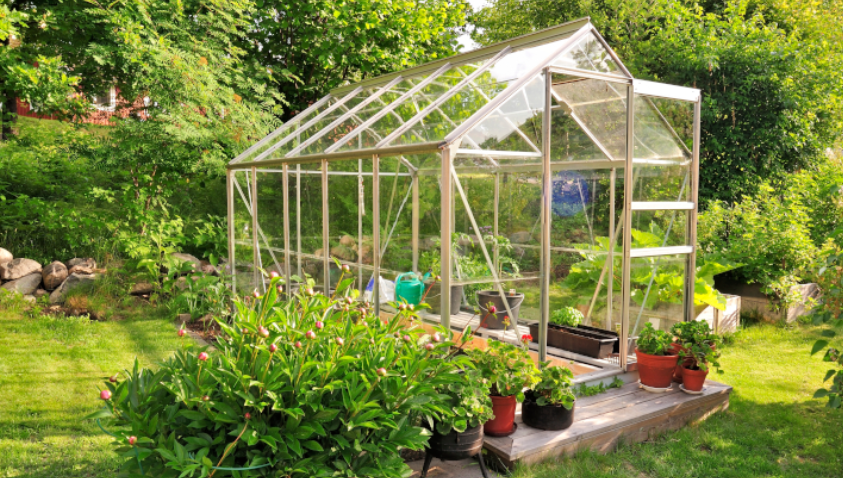
A greenhouse changes the entire herb-growing conversation, mostly by removing the one constraint that shapes every outdoor hardiness discussion: winter cold. Tender, tropical herbs that would die outright at the first frost in most of the country, ginger, turmeric, lemongrass, curry leaf, become genuine permanent residents rather than plants dug up, replanted, or written off as annuals every single year. That shift alone opens up a real, distinct category of herbs worth growing specifically because a greenhouse exists.
It’s worth being honest that a greenhouse isn’t automatically the right environment for every herb, though. Classic Mediterranean herbs like rosemary, lavender, and sage evolved on dry, sun-baked, well-ventilated hillsides, and the humid, enclosed conditions a greenhouse often creates, especially one shared with moisture-loving vegetables, can actually work against them, encouraging the powdery mildew and root rot these herbs rarely deal with outdoors. Growing them successfully under glass means paying real attention to airflow and drainage rather than assuming greenhouse protection is a universal upgrade.
The herbs that benefit most obviously fall into 2 groups: tender tropical species that simply can’t survive an outdoor winter anywhere near a real frost, and quick, cool-season herbs like cilantro that actually do better with a controlled, moderate greenhouse climate than they would in an unpredictable outdoor summer. The University of Massachusetts Extension’s greenhouse herb production guidance covers the practical airflow and humidity management side of greenhouse herb growing in more depth than a general list can. What follows covers 28 herbs well suited to greenhouse growing.
Basil
Basil thrives in a greenhouse’s consistently warm, frost-free conditions, extending its growing season well beyond what an outdoor bed allows and, with supplemental heat, potentially producing usable leaves through an entire winter. Its rapid growth rewards the controlled environment with a genuinely continuous harvest.
It wants consistent warmth and moisture, along with good air circulation specifically to avoid the fungal leaf spot issues that can develop in an overly still, humid greenhouse corner.
Lemongrass
Lemongrass, unable to survive any real outdoor frost, becomes a genuine permanent greenhouse resident rather than a plant dug up and stored every winter, forming an increasingly substantial clump year after year. Its swollen lower stems are what actually get harvested for cooking.
It wants consistent warmth and regular watering, tolerating the humidity a greenhouse often provides considerably better than the Mediterranean herbs sharing the same space.
Ginger
Ginger, entirely unable to handle outdoor cold in most of the country, thrives in a greenhouse’s stable warmth, allowing a rhizome clump to be harvested gradually from the edges rather than dug up entirely each fall. Its broad, tropical leaves genuinely benefit from the humidity a greenhouse naturally provides.
It wants rich, consistently moist soil and at least some shade from the most intense midday sun a greenhouse can concentrate.
Turmeric
Turmeric shares ginger’s rhizomatous growth habit and its complete inability to handle outdoor cold, making a greenhouse the practical way to keep a clump alive and expanding year over year outside a genuinely tropical climate. Its bright orange rhizomes are the source of the familiar spice.
It wants the same rich, moist, partly shaded conditions as ginger, benefiting from being planted alongside it in the same greenhouse bed.
Galangal
Galangal, a ginger relative with a sharper, more citrusy flavor, genuinely needs the sustained warmth a greenhouse provides, since it sulks or dies outright anywhere with real outdoor winter cold. Its slower growth compared to ginger rewards the patience a permanent greenhouse planting allows.
It wants rich, moist soil similar to its ginger and turmeric relatives, growing considerably more slowly and benefiting from the stable warmth a greenhouse maintains through winter.
Curry Leaf
Curry leaf grows into a genuine small tree in a greenhouse’s protected warmth rather than the struggling container plant it becomes when hauled indoors and outdoors seasonally. Its glossy compound leaves release an intensely savory aroma essential to South Indian and Sri Lankan cooking.
It wants full sun and consistent warmth, and a greenhouse lets it finally be planted directly in a permanent bed rather than kept in a pot dragged around by season.
Vietnamese Coriander
Vietnamese coriander, also called rau ram, becomes a genuine forest-floor perennial in a greenhouse’s protected, humid environment rather than the fussy annual it’s forced to be anywhere with real outdoor winter cold. Its peppery, cilantro-adjacent flavor makes it a useful substitute in dishes where actual cilantro would already be bolting.
It prefers some shade from a greenhouse’s most intense sun exposure and consistently moist soil, thriving in exactly the humid conditions many other herbs on this list actively resist.
Cuban Oregano
Cuban oregano thrives specifically in the heat and humidity a greenhouse concentrates, growing into a sprawling, succulent-like plant with thick, intensely aromatic leaves. It’s not related to true oregano at all, but it fills a similar culinary role with a bolder, more medicinal edge.
It roots from cuttings almost embarrassingly easily, making it simple to propagate more plants directly within the same greenhouse space.
Thai Basil
Thai basil holds up to a greenhouse’s heat and humidity noticeably better than sweet Italian basil, which tends toward the fungal issues that develop in still, damp conditions. Its purple stems and anise-forward flavor are a staple of Southeast Asian cooking.
It wants consistent warmth and regular pinching of flower buds to keep producing tender new leaves throughout a greenhouse’s extended growing season.
Holy Basil
Holy basil, or tulsi, tolerates a greenhouse’s concentrated heat without complaint, growing readily from seed and rewarding the controlled environment with reliable, repeated harvests. It’s used both as a culinary herb and, in Ayurvedic tradition, as a medicinal one.
It wants consistent warmth and shouldn’t be allowed to fully flower and set seed too early if continued leaf production is the goal.
Lemon Verbena
Lemon verbena, genuinely too tender to survive real outdoor winter cold in most of the country, becomes a reliable permanent greenhouse plant rather than a container specimen hauled indoors and outdoors each season. Its intensely lemon-scented leaves are often considered the purest lemon fragrance of any herb grown.
It wants good air circulation despite its tender nature, since a greenhouse’s humidity can encourage fungal issues on its leaves if airflow isn’t managed carefully.
Bay Laurel
Bay laurel grows into a substantial, long-lived shrub or small tree in a greenhouse’s frost-free conditions, letting a single well-tended plant supply a household’s bay leaves indefinitely regardless of the outdoor climate. Its glossy, aromatic evergreen leaves are harvested and dried for cooking.
It wants full sun to light shade within the greenhouse and soil that drains well, tolerating the space’s protected warmth without needing genuinely tropical humidity.
Stevia
Stevia, a tender perennial that struggles outdoors anywhere with real winter cold, thrives in a greenhouse’s stable, frost-free warmth, letting the intensely sweet leaves be harvested repeatedly rather than from a single annual planting. Its natural sweetness has made it a popular sugar substitute.
It wants consistent warmth and moisture, tolerating the humidity a greenhouse provides considerably better than several of the drier-climate herbs on this list.
Vanilla
Vanilla, a genuine orchid vine, essentially requires greenhouse-level warmth and humidity to survive outside a truly tropical climate, making it one of the more specialized and demanding entries on this list. Hand-pollination is typically necessary to produce the actual vanilla pods, since its natural pollinators are specific to its native range.
It wants high humidity, warmth, and something to climb, along with considerably more patience than most other greenhouse herbs before it produces a genuine harvest.
Society Garlic
Society garlic stays evergreen in a greenhouse’s protected environment rather than dying back for an outdoor winter, its grass-like leaves and small pink flowers carrying a mild, usable garlic flavor. It’s one of the lower-maintenance entries on this entire list.
It tolerates poor soil and considerable neglect, asking for little beyond a reasonably sunny spot within the greenhouse.
Rosemary
Rosemary can absolutely be grown in a greenhouse, but it genuinely needs more airflow than the space’s default humidity often provides, since the same enclosed warmth that helps tropical herbs thrive can rot rosemary’s roots or encourage fungal issues on its needles. Placing it near a vent or fan makes a real difference.
It wants poor, sandy, fast-draining soil and considerably less water than the moisture-loving tropical herbs it might be sharing greenhouse space with.
Lavender
Lavender shares rosemary’s need for genuinely good airflow in a greenhouse setting, since its Mediterranean origins mean it’s poorly adapted to the still, humid air a greenhouse can trap without active ventilation. Its fragrant flower spikes and silvery foliage still make it worth the extra ventilation effort.
It demands excellent drainage above nearly everything else, and a greenhouse’s watering schedule needs real adjustment to avoid the wet roots that kill lavender faster than any cold ever would.
Thyme
Thyme tolerates a greenhouse environment reasonably well as long as airflow is genuinely managed, since its lean, dry, sun-baked native habitat is close to the opposite of a humid, enclosed space. Numerous varieties are worth growing side by side once ventilation is sorted out.
It wants lean, well-drained soil and full sun, and a greenhouse’s watering routine should stay considerably lighter than what moisture-loving herbs in the same space need.
Sage
Sage is genuinely more prone to powdery mildew in a humid, poorly ventilated greenhouse than it ever is growing outdoors in full sun and open air, making airflow management a real priority rather than an afterthought. Its silvery, velvety leaves stay attractive when the growing conditions are actually right for it.
It wants full sun within the greenhouse and soil that drains quickly, tolerating the space’s protected warmth far better than its trapped humidity.
Oregano
Oregano tolerates greenhouse conditions with a bit more flexibility than its Mediterranean relatives, though good airflow still helps prevent the fungal issues that can develop in a still, damp corner. Its pungent, savory leaves remain a kitchen staple regardless of growing environment.
It wants full sun and soil that drains well, spreading readily enough within a greenhouse bed to eventually need some periodic thinning.
Cilantro
Cilantro genuinely benefits from a greenhouse’s controlled, moderate temperature, since the plant bolts and turns bitter the moment outdoor summer heat arrives, a problem a temperature-managed greenhouse can largely sidestep. Succession planting every couple of weeks keeps a continuous supply of fresh leaves coming.
It wants cooler conditions than most other greenhouse herbs prefer, so situating it away from the warmest, most tropical corner of the space genuinely helps its performance.
Dill
Dill, like cilantro, prefers the cooler end of a greenhouse’s temperature range and tends to bolt quickly once things get genuinely hot, making a shaded or cooler section of the space its best spot. Its feathery foliage and small yellow flower clusters both have culinary uses.
It self-seeds readily once established, so a greenhouse planting can often maintain itself with minimal active reseeding effort.
Parsley
Parsley tolerates a greenhouse’s protected environment well, extending its usable growing season considerably beyond what an outdoor bed would allow through a harsh winter. Letting a few plants go to flower supports beneficial insects if any pollinators have access to the greenhouse space.
It wants consistently moist soil and tolerates a bit more shade than several of the sun-hungry Mediterranean herbs it might be growing alongside.
Chives
Chives grow reliably in a greenhouse, offering a mild, onion-flavored harvest through a season when an outdoor patch would be dormant or frozen entirely. Their edible purple flowers add a mild onion flavor to a dish alongside genuine visual appeal.
They tolerate a range of soil conditions and ask for very little beyond consistent light, making them one of the easier entries on this list to keep productive.
Mint
Mint genuinely thrives in a greenhouse’s humidity, spreading with real enthusiasm through underground runners that make container growing a near-necessity even under glass. Its cooling, aromatic leaves are useful well beyond simple tea.
It tolerates more shade and moisture than most other herbs on this list, and containing its roots in a pot prevents it from overtaking an entire greenhouse bed.
Chervil
Chervil, a delicate, cool-season herb related to parsley, benefits from a greenhouse’s controlled temperature since it bolts quickly in genuine heat and prefers a milder, more consistent growing environment. Its subtle anise-like flavor is a classic component of French fines herbes.
It wants some shade and consistently moist soil, doing best in a cooler section of the greenhouse away from the most intense sun exposure.
French Tarragon
French tarragon grows well in a greenhouse’s protected environment, and the space’s stable conditions can help it avoid some of the root problems that come with harsh outdoor winter freeze-thaw cycles. Buy it as a division rather than seed, since true French tarragon rarely produces viable seed of its own.
It wants well-drained soil and doesn’t tolerate the same humidity many tropical greenhouse herbs thrive on, so placement near good airflow genuinely helps.
Marjoram
Marjoram, treated as an annual in most outdoor gardens, can genuinely behave as a longer-lived perennial in a greenhouse’s frost-free conditions, extending its usable life considerably beyond a single outdoor season. Its flavor is milder and sweeter than oregano’s, worth growing as its own distinct herb.
It wants the same lean, well-drained soil and good airflow as its closer Mediterranean relatives, benefiting from a spot that isn’t the most humid corner of the space.
Key Takeaway
Herbs that grow well in a greenhouse can benefit from controlled temperatures, protection from harsh weather, and more consistent growing conditions. Popular choices include basil, parsley, cilantro, mint, thyme, oregano, rosemary, and other culinary herbs that can be grown for fresh leaves and seasonings.
Choosing herbs for a greenhouse depends on temperature, sunlight, humidity, airflow, soil or growing medium, and available space. Warm-season herbs generally need plenty of light and warmth, while some herbs prefer cooler conditions. Providing enough space between plants can also improve air circulation and reduce the risk of disease.
With proper greenhouse care, herbs can produce fresh foliage over an extended growing period. Consistent watering, suitable light, good drainage, adequate ventilation, and regular harvesting can encourage healthy growth while helping prevent excessive moisture and pest problems.