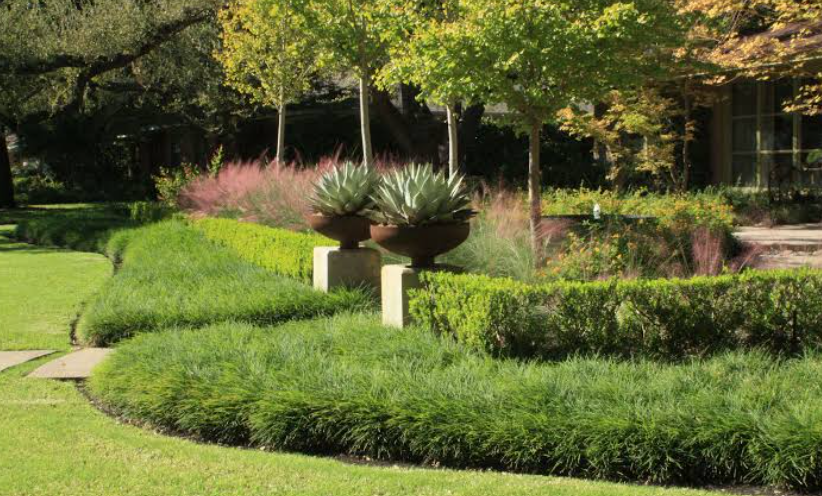
Texas is genuinely too big and too climatically varied for a single “best grass” answer to mean anything. The humid, shaded lawns of Houston and East Texas want a completely different grass than the arid, water-restricted yards of West Texas, and neither of those has much in common with the harsher winters of the Panhandle, where some warm-season grasses simply can’t survive. Most of the state runs on the same short list of warm-season species, but which one wins in a given yard comes down almost entirely to sun exposure, rainfall, and how much winter cold a particular neighborhood actually sees.
Bermudagrass is the default answer for a reason: it handles full sun, heat, drought, and heavy foot traffic better than almost anything else, and it costs less to keep alive than the alternatives. The catch is shade tolerance, which ranges from very low to low depending on the variety, meaning a Bermuda lawn under mature oak trees will thin out and die regardless of how well you otherwise care for it. St. Augustinegrass is the usual answer once shade becomes the deciding factor, rated high for shade tolerance where Bermuda simply isn’t built for the job.
A lot of Texas yards end up running both grasses at once, Bermuda in the open sun and St. Augustine under the trees, which is a completely reasonable compromise rather than a sign of indecision. Texas A&M AgriLife Extension’s turfgrass selection guide is the most reliable place to check how a specific variety performs in your part of the state before committing to sod or seed. What follows covers 16 grasses that do well across Texas, organized by the conditions each one is actually built for.
Common Bermudagrass
Common bermudagrass tolerates drought, heat, traffic, and general neglect better than nearly any other lawn grass grown in Texas, which is exactly why it dominates full-sun yards across the state. Its shade tolerance is genuinely poor, ranging from very low to low depending on the specific variety planted.
It’s the lowest-cost option to establish and maintain of the major turf types, needing less water and less input overall than the shade-tolerant alternatives.
Celebration Bermudagrass
Celebration is one of only 2 bermudagrass varieties with meaningfully improved shade tolerance compared to the species average, performing adequately in moderate shade where common bermudagrass would thin out entirely. It still needs considerably more sun than St. Augustine to stay dense and healthy.
It’s a reasonable middle option for a yard with partial, dappled shade that isn’t quite dark enough to justify switching to a different species altogether.
TifGrand Bermudagrass
TifGrand is the other bermudagrass variety specifically bred for improved shade performance, developed to hold up in conditions that would kill a standard Bermuda lawn. Like Celebration, it doesn’t match St. Augustine’s shade tolerance, but it closes the gap considerably.
It retains most of Bermuda’s traffic tolerance and drought resistance, making it a good fit for a yard that gets moderate shade but still sees heavy foot traffic.
TifTuf Bermudagrass
TifTuf is a newer bermudagrass variety bred primarily for drought performance rather than shade, using measurably less water than older varieties while maintaining the same density and traffic tolerance Bermuda is known for. It’s become a popular choice specifically in the drier, water-restricted parts of the state.
It performs best in full sun, sharing the same fundamental shade limitations as other bermudagrass varieties.
Floratam St. Augustine
Floratam is the most widely available St. Augustine variety in Texas, and it’s also the source of the most common shade-related mistake homeowners make, since it’s frequently planted in a shaded yard where it’s genuinely not suited to thrive. It performs best in full sun to light shade despite the species’ overall reputation for handling shade well.
For anything beyond light shade, a different St. Augustine variety, not Floratam, is the right call.
Palmetto St. Augustine
Palmetto is a proven shade-tolerant St. Augustine variety, specifically recommended over Floratam wherever meaningful tree shade is part of the yard. It maintains good color and density in conditions that would thin Floratam out within a season or two.
It shares St. Augustine’s general preference for consistent moisture and a taller mowing height, typically 2.5 to 3.5 inches.
Raleigh St. Augustine
Raleigh is the most cold-hardy St. Augustine variety commonly available, making it the practical choice for North Texas homeowners who want a St. Augustine lawn despite the state’s harsher northern winters. Even so, occasional freeze damage remains a real risk that far south, milder-climate St. Augustine lawns don’t have to consider.
It performs comparably to other St. Augustine varieties in shade and general maintenance needs, with the cold tolerance being its real distinguishing feature.
Meyer Zoysia
Meyer is a Zoysia japonica variety with a medium leaf texture, doing well under fairly standard lawn maintenance rather than requiring the closer mowing and extra care some finer zoysia types demand. It’s one of the more established, widely available zoysia options in Texas.
It’s adapted to roughly the same regions of the state as bermudagrass, with moderate to good shade tolerance and reasonable drought resistance once established.
El Toro Zoysia
El Toro is another Zoysia japonica variety, sharing Meyer’s medium texture and general adaptability across the same broad swath of Texas where bermudagrass also performs well. It tolerates moderate foot traffic reasonably well for a zoysia type.
Like other zoysia varieties, it can turn brown during a prolonged drought even though the plant itself typically survives and recovers once moisture returns.
Fine-Textured Zoysia matrella
Zoysia matrella varieties carry a noticeably finer leaf texture than the more common Zoysia japonica types like Meyer or El Toro, and they’re genuinely more shade-tolerant as a result, though they demand closer, more frequent mowing to look their best. That extra maintenance is the real trade-off for the improved shade performance.
It’s a strong choice for a homeowner who wants zoysia’s density specifically in a yard with more shade than a japonica-type variety would tolerate well.
Buffalograss
Buffalograss is a genuinely native Texas grass, best suited to areas receiving 25 inches of annual rainfall or less, which makes it the standout low-water option for Central and West Texas. It needs considerably less mowing and fertilizer than nearly any other turf option on this list.
Its shade tolerance is low, and it performs best left fairly natural rather than mowed and maintained like a typical manicured lawn.
Centipedegrass
Centipedegrass is specifically recommended for East Texas, growing slowly and requiring little fertilizer or mowing once established. It tolerates full sun to light shade reasonably well, with moderate shade tolerance overall.
It doesn’t hold up to foot traffic or prolonged dry spells, making it a poor fit for a yard that sees heavy use or regularly goes without rain.
Bahiagrass
Bahiagrass is a coarser, lower-maintenance turf option more commonly associated with East Texas pastures than manicured residential lawns, though it does see some lawn use where a rugged, low-input groundcover is the priority. It tolerates poor soil conditions better than most of the more refined turf types on this list.
Its coarse texture and less polished appearance make it a practical rather than an aesthetic choice, best suited to a large, low-maintenance property.
Seashore Paspalum
Seashore paspalum carries genuine salt tolerance that sets it apart from every other grass on this list, making it a specialty option for coastal Texas properties where salt spray or brackish irrigation water would damage a standard lawn. Its shade tolerance is rated low, similar to bermudagrass.
It’s a more specialized, less commonly planted option overall, reserved mainly for the specific coastal conditions it’s genuinely built to handle.
Tall Fescue
Tall fescue is the main cool-season option used in Texas, mainly in the Panhandle and North Texas, where it also serves as the go-to shaded-lawn grass in a region too cold for reliable St. Augustine performance. It needs considerably more water during the hot Texas summer than the warm-season grasses it competes with.
It’s best treated as a regional and shade-specific choice rather than a statewide option, since it struggles badly in the heat of Central and South Texas summers.
Texas Bluegrass
Texas bluegrass, developed by Texas A&M University under variety names including Reveille and Tejas, is a newer, low-traffic grass positioned as a potential alternative to tall fescue in North Texas. It hasn’t yet been widely embraced by the sod and seed market, so availability remains limited compared to more established options.
It’s best suited to low-traffic lawn areas rather than anywhere seeing regular foot traffic or recreational use.
Conclusion
Choosing the best grass for a Texas lawn depends largely on the region, climate, soil, sunlight, and available water. Warm-season grasses are commonly suited to Texas conditions because they can tolerate the state’s hot growing season and generally go dormant during cooler weather.
Different grasses have different strengths and maintenance needs. Some perform well in full sun and heat, while others tolerate partial shade or periods of drought more effectively. Considering mowing requirements, irrigation, soil type, and local growing conditions can help homeowners select a suitable grass for their lawn.
With the right grass and proper care, a Texas lawn can remain healthy and attractive through much of the growing season. Good soil preparation, appropriate watering, regular mowing, and selecting a grass suited to the local climate are all important for long-term lawn performance.