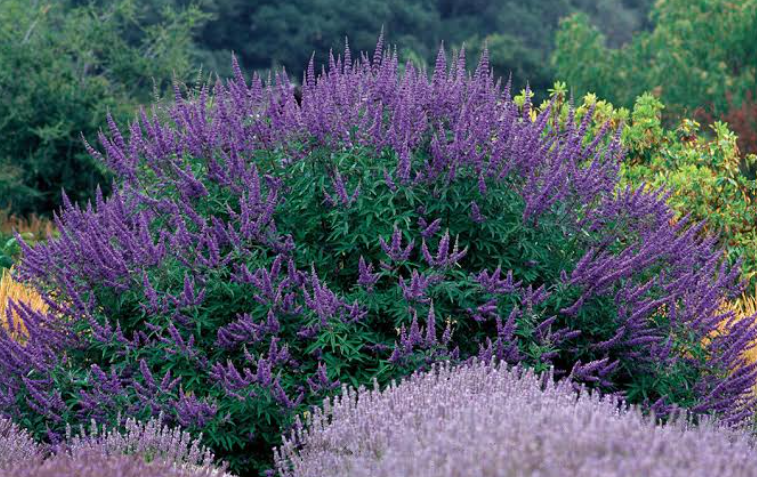
Drought tolerance in a shrub usually comes down to one of a few strategies: a deep taproot that reaches moisture other roots can’t, small or silvery leaves that reduce water loss, or genuine dormancy that lets a plant simply shut down and wait out a dry season rather than fight it. Shrubs native to the Mediterranean, the American Southwest, and California’s chaparral show up disproportionately on any real drought-tolerant list for exactly that reason, since all 3 regions have spent millennia selecting for plants that survive on very little.
That doesn’t mean every entry here is interchangeable, though. A desert native like ocotillo tolerates genuine extreme heat and near-total summer dormancy in a way a Mediterranean shrub like lavender never will, while lavender in turn handles a cooler, more humid climate that would rot most true desert plants outright. Matching the right drought-tolerant shrub to an actual regional climate matters as much as the drought tolerance itself.
The Arizona Municipal Water Users Association’s low-water-use plant list is a solid regional reference for anyone gardening in genuinely arid conditions. What follows covers 70 drought-tolerant shrubs for landscaping, spanning desert, Mediterranean, prairie, and general xeriscape options.
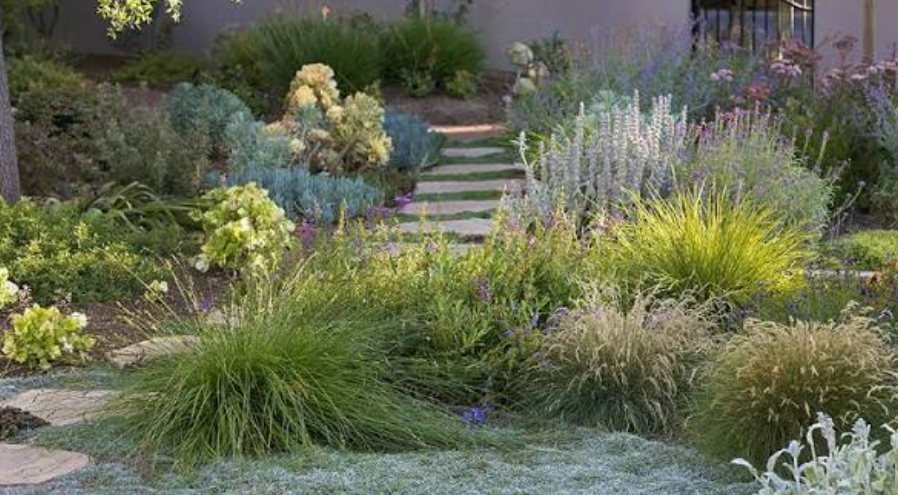
Rosemary
Rosemary forms a woody, aromatic shrub that tolerates genuine drought once established, thriving in the same poor, sandy, fast-draining soil its Mediterranean ancestors evolved in. Its needle-like leaves and small blue flowers make it as much an ornamental as a culinary herb.
It needs full sun and excellent drainage above all else, since wet soil kills it far more reliably than any amount of dry heat ever could.
English Lavender
English lavender combines fragrant purple flower spikes with silvery, drought-tolerant foliage, handling considerably more cold than its French and Spanish relatives while retaining the same low-water needs. Its compact form suits both a formal border and a looser xeriscape bed.
It demands sharp drainage, and a wet winter poses more risk to its roots than drought ever does during the growing season.
French Lavender
French lavender carries a bolder, more resinous fragrance than English lavender, tolerating heat and drought at least as well while needing a milder winter climate to survive outdoors long-term. Its distinctive, toothed gray-green foliage sets it apart visually from its English relative.
It wants the same lean, fast-draining soil as every other lavender on this list, struggling wherever water tends to collect.
Spanish Lavender
Spanish lavender produces distinctive flower spikes topped with rabbit-ear-like petals, among the most heat-tolerant lavender types available for a genuinely hot, dry climate. Its silvery foliage and compact form work well massed along a sunny border.
It’s less cold-hardy than English lavender, better suited to a warm-winter region than anywhere with genuinely harsh frost.
California Lilac
California lilac, despite the common name, isn’t a true lilac, producing clouds of small blue or purple flowers on a shrub genuinely native to California’s dry chaparral hillsides. Its nitrogen-fixing roots help it thrive in the poor, rocky soil typical of its native range.
It demands excellent drainage and resents regular summer watering once established, since that native chaparral habitat goes essentially rainless for months at a time.
Manzanita
Manzanita produces smooth, distinctive reddish bark and small, leathery evergreen leaves on a shrub genuinely adapted to California’s dry, fire-prone chaparral ecosystem. Its small, urn-shaped flowers provide an early nectar source for native pollinators.
It wants lean, well-drained soil and minimal supplemental water, since overwatering an established manzanita is a more common cause of decline than drought ever is.
Toyon
Toyon produces clusters of bright red winter berries on a substantial evergreen shrub native to California, tolerating genuine drought once its root system is established. Its berries provide valuable winter forage for native birds.
It handles both full sun and partial shade, adapting to a range of soil conditions as long as drainage stays reasonable.
California Sagebrush
California sagebrush produces fine, silvery, aromatic foliage on a low, spreading shrub genuinely adapted to coastal and inland California drought conditions. Its scent is often described as a defining smell of the California chaparral landscape.
It tolerates poor, rocky soil and minimal water once established, thriving in exactly the difficult conditions many showier shrubs struggle with.
Coyote Brush
Coyote brush forms a dense, resilient evergreen shrub native to California, tolerating drought, poor soil, and coastal salt exposure about as well as any native shrub in the state. Its small white flowers attract a wide range of native pollinators in fall.
It handles both sun and partial shade, making it a flexible choice for a naturalized California garden.
Matilija Poppy
Matilija poppy produces enormous, crepe-paper-like white flowers with golden centers on a tall, drought-tolerant California native, sometimes called the fried-egg flower for its striking bloom. Its considerable mature size makes it a genuine focal point in a dry garden.
It spreads via rhizome once established and can become aggressive in favorable conditions, so give it room to expand from the start.
Rockrose
Rockrose produces papery, crepe-like flowers in white, pink, or magenta on a compact, drought-tolerant Mediterranean shrub, blooming heavily each spring despite minimal water input. Its resinous, aromatic foliage stays evergreen through mild winters.
It wants full sun and lean, well-drained soil, tolerating genuine neglect once its root system has had a season or 2 to establish.
Sunrose
Sunrose, a low, spreading relative of rockrose, produces abundant small flowers in a range of bright colors on a genuinely drought-tolerant mat-forming shrub. Its compact size makes it a good fit for a rock garden or border edge.
It shares rockrose’s need for sharp drainage and full sun, struggling in anything consistently damp or shaded.
Creosote Bush
Creosote bush is among the most drought-tolerant shrubs in North America, capable of surviving in some of the driest desert habitat on the continent and releasing a distinctive scent after rare desert rain. Some individual creosote clones are documented among the oldest living organisms on Earth.
It wants full sun and extremely well-drained soil, essentially indifferent to how little water it receives once established.
Brittlebush
Brittlebush produces silvery, felted leaves and abundant yellow daisy-like flowers each spring, a genuinely tough desert shrub tolerating extreme heat and minimal rainfall. Its resinous sap was historically used as incense and a traditional adhesive.
It wants full sun and fast-draining soil, going semi-dormant during the hottest, driest stretches of summer.
Fairy Duster
Fairy duster produces distinctive pink, powder-puff-like flower clusters on a compact desert shrub, tolerating genuine drought while still drawing hummingbirds during its bloom period. Its fine, fern-like foliage adds soft texture to a desert garden.
It wants full sun and minimal supplemental water, thriving in the same lean, rocky soil typical of its native Sonoran Desert range.
Chuparosa
Chuparosa produces tubular red flowers nearly year-round in a mild desert climate, a genuine hummingbird magnet tolerating extreme heat and drought once established. Its arching, somewhat sparse growth habit fits well into a naturalized desert planting.
It wants full sun and excellent drainage, tolerating the kind of extended dry spells that would kill most non-desert shrubs outright.
Desert Willow
Desert willow, despite the common name, isn’t a true willow, producing orchid-like pink or lavender flowers on a large, drought-tolerant shrub or small tree well suited to a dry Southwestern landscape. Its narrow, willow-like leaves are where the misleading common name comes from.
It tolerates genuine desert heat and drought, needing only occasional deep watering to look its best through a long, hot summer.
Cliffrose
Cliffrose produces small, fragrant, rose-like yellow flowers on a drought-tolerant shrub native to the dry rangeland of the interior West. Its feathery seed plumes provide extended visual interest after flowering.
It tolerates poor, rocky soil and minimal water, thriving in exactly the harsh, exposed conditions typical of its native high-desert range.
Apache Plume
Apache plume produces small white flowers followed by distinctive, feathery, pink-tinged seed heads that give the plant much of its ornamental appeal. It’s genuinely well adapted to the dry, rocky soil of the interior Southwest.
It wants full sun and excellent drainage, tolerating both summer heat and considerable winter cold across its native high-desert range.
Desert Spoon
Desert spoon produces a rosette of stiff, blue-gray, spoon-shaped leaves atop a slow-growing trunk, among the more architectural drought-tolerant shrubs available for a Southwestern landscape. Its dramatic form works well as a specimen plant.
It wants full sun and extremely well-drained soil, tolerating both intense heat and surprisingly cold winter temperatures for a desert plant.
Ocotillo
Ocotillo produces tall, spiny, whip-like canes that remain bare through most of the year, leafing out and flowering with brilliant red blooms only after a significant rain. That extreme, opportunistic dormancy strategy is exactly what lets it survive true desert drought.
It wants full sun and excellent drainage, and it’s best treated more as a striking sculptural element than a conventional flowering shrub.
Jojoba
Jojoba produces leathery, gray-green leaves on a dense, drought-tolerant desert shrub valued commercially for the oil pressed from its seeds. Its slow growth and considerable longevity make it a genuine long-term landscape investment.
It tolerates extreme heat and minimal water once established, requiring very little ongoing care in a genuinely arid climate.
Mormon Tea
Mormon tea produces fine, jointed, nearly leafless green stems on a distinctive desert shrub historically used to brew a traditional herbal tea. Its unusual, almost leafless structure is a genuine drought adaptation, minimizing the surface area available for water loss.
It wants full sun and extremely well-drained soil, tolerating some of the harshest, driest conditions in the American Southwest.
Four-Wing Saltbush
Four-wing saltbush produces silvery-gray foliage and distinctive 4-winged seed pods on a genuinely tough shrub tolerating both drought and alkaline, saline soil. Its adaptability to difficult soil conditions sets it apart from many other drought-tolerant shrubs.
It wants full sun and tolerates considerable neglect once established, thriving in exactly the poor, salty ground many other landscape shrubs can’t survive in.
Blackbrush
Blackbrush forms dense, low stands across huge stretches of high-desert rangeland, tolerating extreme drought and poor, rocky soil with genuine ease. Its small, dark, evergreen leaves give the plant its common name.
It wants full sun and minimal water, thriving in the same harsh, exposed conditions typical of its native Mojave and Great Basin range.
Russian Sage
Russian sage produces tall, airy spikes of small purple-blue flowers on silvery, aromatic foliage, tolerating genuine drought and poor soil once established. Its long bloom period and fine texture make it a popular xeriscape border plant.
It wants full sun and well-drained soil, and cutting it back hard each spring keeps its naturally sprawling growth habit tidy.
Butterfly Bush
Butterfly bush produces long, arching clusters of fragrant flowers that draw butterflies in genuinely large numbers, tolerating drought reasonably well once established despite its lush appearance. Some regions consider it an invasive concern given its prolific self-seeding.
It wants full sun and tolerates a range of soil types, though checking regional invasive status is worth doing before planting it extensively.
Lavender Cotton
Lavender cotton produces tightly coiled, silvery, aromatic foliage on a low, mounding shrub that tolerates genuine drought and poor soil with ease. Its small yellow button flowers add subtle seasonal interest.
It wants full sun and sharp drainage, working well as a low, formal edging plant in a Mediterranean-style garden.
Artemisia
Artemisia, covering several related silvery-foliaged species, tolerates drought and poor soil about as well as any ornamental shrub available, prized specifically for its fine, aromatic, silver-gray texture. Its foliage provides a cooling visual contrast against greener plants nearby.
It wants full sun and excellent drainage, generally requiring very little supplemental water once its root system is established.
Juniper
Juniper, in its many shrub forms, tolerates genuine drought, poor soil, and considerable neglect, making it one of the most reliable low-water evergreen shrubs available across a huge range of climates. Its dense, needled foliage provides year-round structure.
It wants full sun and tolerates a wide range of soil types, thriving on considerably less water than most other evergreen shrubs require.
Japanese Barberry
Japanese barberry tolerates drought and poor soil reasonably well once established, valued for its dense, spiny growth and, in many cultivars, vivid red or purple foliage color. Its toughness has made it a popular hedging plant for decades.
It wants full sun for the best foliage color, tolerating considerably drier conditions than many other ornamental shrubs.
Shrubby Cinquefoil
Shrubby cinquefoil produces small, buttery yellow flowers over a long summer bloom period on a compact, genuinely drought-tolerant shrub. Its fine-textured foliage and reliable flowering have made it a popular low-maintenance landscape choice.
It wants full sun and tolerates poor, rocky soil, needing minimal supplemental water once established in the ground.
Smooth Sumac
Smooth sumac produces large, compound leaves and brilliant red fall color on a genuinely drought-tolerant native shrub, spreading via root suckers into substantial colonies over time. Its dense clusters of red berries persist into winter.
It tolerates poor, dry soil and considerable neglect, thriving in disturbed or difficult ground many other shrubs would struggle with.
Staghorn Sumac
Staghorn sumac shares smooth sumac’s drought tolerance and vivid fall color, distinguished by fuzzy, antler-like branch growth that gives the plant its common name. Its architectural winter silhouette provides genuine cold-season interest.
It tolerates dry, rocky soil and spreads by suckers into a substantial colony if left unmanaged.
Fragrant Sumac
Fragrant sumac forms a lower, more compact shrub than its taller sumac relatives, tolerating drought and poor soil while releasing a distinctive citrus-like scent when its leaves are crushed. Its fall color rivals its taller relatives despite the smaller overall size.
It tolerates dry, rocky slopes particularly well, making it a useful choice for erosion control on a difficult site.
Yucca
Yucca produces stiff, sword-like evergreen leaves and a tall flower spike of white or cream blooms, among the most drought-tolerant landscape shrubs available across a huge range of climates. Its architectural form provides year-round structure.
It wants full sun and extremely well-drained soil, tolerating extended drought with essentially no supplemental water needed once established.
Red Yucca
Red yucca, despite the name, isn’t a true yucca, producing tall, coral-red flower spikes above a clump of fine, grass-like leaves. It’s a genuine hummingbird favorite throughout its long summer bloom period.
It wants full sun and excellent drainage, tolerating extreme heat and drought about as well as any ornamental flowering plant available.
Oleander
Oleander produces abundant, showy flowers in white, pink, or red on a large, genuinely drought-tolerant shrub widely used in Mediterranean and desert Southwest landscaping. Every part of the plant is toxic if ingested, a genuine safety consideration around children and pets.
It wants full sun and tolerates poor soil, heat, and drought with minimal complaint once established.
Pomegranate
Pomegranate produces glossy foliage, vivid orange-red flowers, and edible fruit on a genuinely drought-tolerant Mediterranean shrub once its root system matures. Ornamental dwarf varieties are also available for a smaller landscape.
It wants full sun and tolerates poor soil, needing considerably less water than most other fruiting landscape plants.
Pineapple Guava
Pineapple guava produces silvery-green foliage, edible flower petals, and sweet fruit on a genuinely drought-tolerant evergreen shrub suited to a Mediterranean or mild coastal climate. Its dual ornamental and edible value has made it increasingly popular in home landscaping.
It wants full sun to partial shade and tolerates a range of soil types, needing only occasional deep watering once established.
Texas Sage
Texas sage, also called cenizo, produces silvery foliage and a flush of purple flowers specifically triggered by humidity spikes ahead of rain, giving it the nickname barometer bush. It’s a genuinely tough choice for hot, dry Southwestern landscaping.
It wants full sun and excellent drainage, tolerating extreme heat and drought with minimal ongoing care.
Crape Myrtle
Crape myrtle, in its larger shrub forms, tolerates genuine drought once established, producing long-lasting, vivid summer flower clusters in a range of colors. Its attractive, peeling bark provides winter interest after the leaves drop.
It wants full sun for the best flowering, tolerating considerably drier conditions than many other flowering landscape shrubs.
Nandina
Nandina, also called heavenly bamboo despite no relation to true bamboo, tolerates genuine drought and poor soil while providing evergreen structure and vivid red berries through winter. Its fine, layered foliage turns red in cooler weather.
It wants full sun to partial shade, tolerating considerably less water than many other evergreen landscape shrubs require.
Photinia
Photinia produces bright red new growth that matures to glossy green, tolerating drought reasonably well once its root system is established. Its dense, fast growth has made it a popular hedging choice.
It wants full sun and tolerates a range of soil types, needing only occasional deep watering during genuinely extended dry spells.
Pyracantha
Pyracantha, also called firethorn, produces clusters of bright orange or red berries against dense, thorny, evergreen foliage, tolerating genuine drought once established. Its thorns make it a practical security hedge alongside its ornamental value.
It wants full sun for the best berry production, tolerating poor soil and considerable neglect once its roots have settled in.
Russian Olive
Russian olive produces narrow, silvery leaves and small, fragrant flowers on a genuinely drought-tolerant shrub or small tree, though it’s become invasive in parts of the country and worth checking regional guidance before planting. Its silvery foliage provides useful color contrast in a mixed border.
It tolerates poor, dry soil with real ease, which is part of what’s made it so successful at spreading beyond its originally intended plantings.
Silverberry
Silverberry, also called silverthorn, produces small, fragrant fall flowers and silvery, scaled evergreen foliage on a genuinely drought-tolerant shrub. Its dense, spiny growth has made it a popular privacy hedge.
It tolerates poor soil and drought well, though its tendency to spread into surrounding natural areas is worth considering before planting it extensively.
Wax Myrtle
Wax myrtle produces aromatic, evergreen foliage and small waxy berries on a genuinely drought-tolerant native shrub once established, tolerating both dry and occasionally wet soil with real flexibility. Its dense growth makes it a useful privacy screen.
It tolerates a wide range of soil and moisture conditions, adapting well to both a dry border and an occasionally damp low spot.
Sand Cherry
Sand cherry produces small white spring flowers and dark, edible fruit on a genuinely drought-tolerant native shrub adapted to sandy, dry soil. Its compact size fits well into a smaller landscape bed.
It tolerates poor, sandy soil and considerable drought, thriving in exactly the difficult, low-fertility conditions many showier shrubs can’t handle.
Golden Currant
Golden currant produces fragrant yellow spring flowers followed by edible berries on a genuinely drought-tolerant native shrub once established. Its early bloom provides a valuable nectar source for native pollinators.
It tolerates dry, poor soil reasonably well, needing only occasional supplemental water during the driest part of summer.
Skunkbush Sumac
Skunkbush sumac produces a distinctive musky scent when its leaves are crushed, tolerating genuine drought and poor, rocky soil on a compact native shrub well suited to a dry Western landscape. Its fall color rivals its more famous sumac relatives.
It tolerates considerable neglect once established, thriving in the same harsh, dry rangeland conditions its native range provides.
Rabbitbrush
Rabbitbrush produces a burst of bright yellow flowers in late summer and fall, a genuinely drought-tolerant native shrub common across the dry rangeland of the interior West. Its fine, silvery-green foliage provides subtle texture through the rest of the year.
It tolerates poor, dry, alkaline soil with real ease, thriving in exactly the difficult conditions typical of its native high-desert range.
Winterfat
Winterfat produces fine, silvery-white foliage that gives the plant an almost frosted appearance, tolerating extreme drought and poor soil across its native range on the dry Western plains. It’s an important winter forage plant for wildlife.
It tolerates considerable cold alongside its drought tolerance, adapted to the harsh combination of aridity and temperature swings typical of high-plains winters.
Big Sagebrush
Big sagebrush defines huge stretches of the arid interior West, tolerating extreme drought and poor, alkaline soil on a genuinely tough native shrub. Its silvery, aromatic foliage releases a distinctive scent after rain.
It tolerates minimal water and considerable neglect, thriving in exactly the harsh, open rangeland conditions where few other shrubs survive at all.
Antelope Bitterbrush
Antelope bitterbrush produces small yellow flowers on a genuinely drought-tolerant native shrub important as browse for deer and other wildlife across the dry interior West. Its fine-textured foliage blends well into a naturalized landscape.
It tolerates poor, rocky soil and considerable drought, thriving in the same harsh rangeland conditions as sagebrush and rabbitbrush.
Bottlebrush
Bottlebrush produces distinctive red, brush-shaped flower spikes on a genuinely drought-tolerant evergreen shrub well suited to a Mediterranean or mild coastal climate. Its blooms are a reliable hummingbird attractant through much of the year.
It wants full sun and tolerates poor soil, needing only occasional deep watering once its root system is established.
Germander
Germander produces small purple flowers on aromatic, evergreen, gray-green foliage, tolerating genuine drought on a compact shrub well suited to a formal Mediterranean-style border. Its dense growth takes well to shearing into a tidy hedge shape.
It wants full sun and sharp drainage, tolerating considerable neglect once its roots are established.
Blue Mist Shrub
Blue mist shrub, also called caryopteris, produces clouds of small blue flowers in late summer on a genuinely drought-tolerant shrub that draws bees and butterflies in real numbers. Its fine, aromatic foliage provides subtle silver-green texture through the growing season.
It wants full sun and well-drained soil, and cutting it back each spring keeps its naturally loose growth habit tidy.
Scotch Broom
Scotch broom produces bright yellow, pea-like flowers on a genuinely drought-tolerant shrub, though it’s become invasive in parts of the country and is worth checking regional guidance before planting. Its seeds remain viable in the soil for decades.
It tolerates poor, dry soil with real ease, which is part of why it’s spread so successfully well beyond its originally intended plantings.
Smoke Bush
Smoke bush produces airy, smoke-like flower plumes and richly colored purple or green foliage on a genuinely drought-tolerant shrub once established. Its dramatic seasonal color shifts make it a popular specimen plant.
It wants full sun for the best foliage color, tolerating considerably drier conditions than many other showy flowering shrubs.
Beautyberry
Beautyberry produces clusters of vivid purple berries along its stems each fall, tolerating moderate drought once its root system is well established. Its berries provide valuable food for birds through the winter months.
It tolerates a range of soil types and some shade, though full sun brings out the best berry production.
Abelia
Abelia produces small, fragrant, tubular flowers over a long bloom period on a genuinely drought-tolerant evergreen or semi-evergreen shrub. Its glossy foliage and reliable flowering have made it a popular low-maintenance landscape choice.
It wants full sun to partial shade and tolerates poor soil, needing only occasional deep watering once established.
Yaupon Holly
Yaupon holly produces small red berries and fine, evergreen foliage on a genuinely drought-tolerant native shrub well suited to a Southern landscape. Its dense growth makes it a popular hedging and screening choice.
It tolerates poor, sandy soil and drought considerably better than many other holly species, adapting well to a low-input landscape.
Fringe Flower
Fringe flower produces distinctive, spidery pink or white flowers on a genuinely drought-tolerant evergreen shrub, with several cultivars offering rich burgundy foliage color. Its unusual bloom shape sets it apart from more conventional flowering shrubs.
It wants full sun to partial shade, tolerating considerably drier conditions than its lush appearance might suggest.
Indian Hawthorn
Indian hawthorn produces clusters of pink or white spring flowers on a compact, genuinely drought-tolerant evergreen shrub well suited to a mild coastal or Mediterranean climate. Its dark blue berries follow the spring bloom.
It wants full sun to partial shade and tolerates poor soil, needing only occasional deep watering once its roots are established.
Spanish Broom
Spanish broom produces fragrant yellow flowers on a genuinely drought-tolerant shrub with distinctive rush-like green stems, though it’s become invasive in parts of the country and worth checking regional guidance before planting extensively. Its long summer bloom period is a genuine ornamental draw.
It tolerates poor, dry soil with real ease, part of why it’s spread so successfully beyond its originally intended range.
Gorse
Gorse produces dense, spiny, evergreen growth topped with bright yellow flowers, tolerating drought and poor soil about as well as any shrub on this list, though it’s become invasive in parts of the country and worth checking regional guidance carefully before planting. Its sharp spines make it a genuine security hedge where it’s appropriate to grow.
It tolerates considerable neglect and poor, rocky soil, thriving in exactly the difficult conditions that make it such a persistent invasive elsewhere.
Agave
Agave, while technically a succulent rather than a true woody shrub, is commonly grouped with drought-tolerant landscape shrubs given its considerable size and structural presence in a xeriscape design. Its thick, fleshy leaves store water efficiently through extended dry periods.
It wants full sun and extremely well-drained soil, tolerating drought about as well as any plant commonly used in Southwestern landscaping.
Desert Marigold
Desert marigold produces cheerful yellow daisy-like flowers over a long bloom period on a genuinely drought-tolerant, silvery-foliaged desert plant. Its relatively short lifespan is offset by prolific reseeding in favorable conditions.
It wants full sun and extremely well-drained soil, thriving in the same harsh, arid conditions as many of its desert Southwest neighbors.
Chamise
Chamise dominates huge stretches of California’s chaparral, tolerating extreme drought and poor, rocky soil on a genuinely tough native shrub adapted to a fire-prone ecosystem. Its fine, needle-like foliage gives the plant a resinous scent in hot weather.
It tolerates minimal water and considerable neglect, thriving in exactly the harsh, dry hillside conditions typical of its native chaparral range.
Conclusion
Drought-tolerant shrubs can be valuable additions to landscapes where water is limited or conservation is a priority. Many of these shrubs are adapted to dry conditions and can remain attractive with less supplemental watering once they are well established.
Choosing the right shrub depends on the local climate, soil type, sunlight, available space, and desired landscape style. Some drought-tolerant shrubs provide colorful flowers, while others offer evergreen foliage, attractive shapes, berries, or year-round structure.
Proper establishment is still important, even for plants adapted to drought. With suitable planting, occasional deep watering during extended dry periods, and appropriate pruning and soil care, drought-tolerant shrubs can create attractive and more water-efficient landscapes.