Correa Plant: The Australian Native Fuchsia That Isn’t a Fuchsia
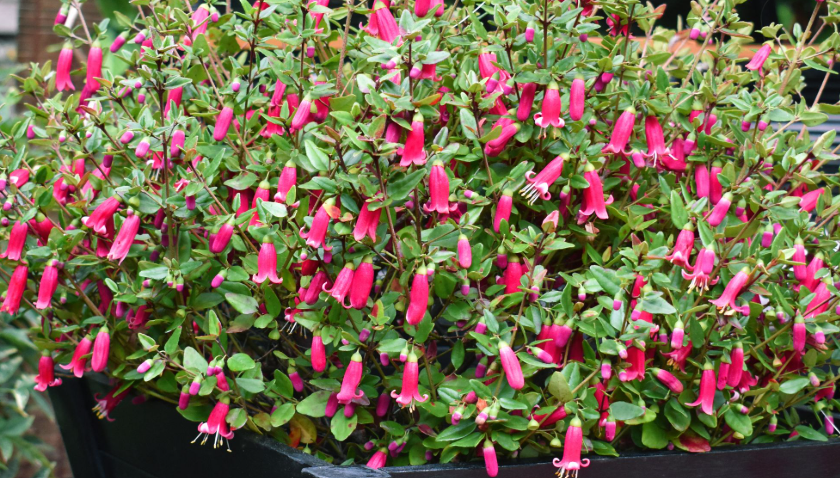
Correa is a small genus of Australian native shrubs best known by its common name, native fuchsia or Australian fuchsia, a name earned entirely through the shape of its dangling, tubular flowers rather than any actual botanical relationship to true fuchsias. Its considerable value as a winter-flowering nectar source for native birds has made it a longtime favorite in Australian gardens, particularly in spots too shady or exposed for many other flowering shrubs to thrive.
The genus carries a genuinely curious naming story too: it honors a Portuguese botanist who, by most accounts, never actually set foot in Australia, the country whose flora his name is now permanently attached to. That kind of naming quirk is common enough in botany, but it’s a detail worth knowing before assuming every plant name reflects some direct connection to where the plant actually grows.
This guide covers the genus’s classification and naming history, why it isn’t related to true fuchsia despite the shared common name, how to identify it, its remarkable bird-pollination relationship, its considerable internal diversity, popular cultivars, and what it takes to grow one successfully.
Botanical Classification
Correa is a genus of 11 species of flowering shrubs, all endemic to Australia, belonging to the family Rutaceae, the same family that includes commercial citrus crops like oranges and lemons, along with other Australian native genera like Boronia and Philotheca. The genus was formally described in 1798 by the botanist Henry Cranke Andrews in his work The Botanist’s Repository for New, and Rare Plants, with Correa alba serving as the first species he described.
Plants in the genus share a general growth habit of shrubs to small trees with simple leaves arranged in opposite pairs along the stem. Beyond the 11 recognized species, hundreds of named cultivars and natural or deliberate hybrids have also been developed and registered over the years with the Australian Cultivar Registration Authority, reflecting the genus’s considerable popularity in cultivation well beyond its wild diversity.
Brief History and Naming
The genus honors José Correia da Serra, a Portuguese botanist and diplomat who lived from 1750 to 1823 and was also known by the title Abbé Correa. Genuinely curious given the genus’s exclusively Australian distribution, most accounts indicate Correia da Serra never actually traveled to Australia himself, and the genus was instead named in his honor based on his broader scientific reputation and correspondence within European botanical circles of the era.
The plant itself was first collected and recorded considerably earlier than its formal scientific naming, with Joseph Banks documenting it in 1770 during the famous expedition to Botany Bay led by Captain James Cook. That gap of nearly 3 decades between first collection and formal genus description was a genuinely common pattern in the early botanical documentation of Australian flora, given the sheer volume of new species encountered and the slow pace of formal scientific publication at the time. European naturalists on that same voyage returned with an enormous volume of previously undocumented plant specimens, and working through the backlog of formally describing and classifying them took considerably longer than the collecting itself.
Not a True Fuchsia
The common names native fuchsia and Australian fuchsia create a persistent and understandable point of confusion, since Correa shares no close botanical relationship with true fuchsia whatsoever. Fuchsia belongs to an entirely different family, and the resemblance that earned Correa its common name comes down entirely to flower shape: both plants produce small, dangling, tubular blooms that hang attractively from the stem in a broadly similar fashion.
In reality, Correa’s closest relatives within Rutaceae include other Australian native genera like Boronia, along with a more distant family connection to commercial citrus trees, a relationship that might surprise anyone picturing an orange tree next to a small, shade-tolerant native shrub. The shared common name is purely a case of convergent flower shape driving casual naming, not any genuine shared ancestry between the 2 plant groups. It’s a pattern that shows up again and again across Australian native plant naming, where early settlers and botanists reached for a familiar European plant name to describe something that merely looked similar, rather than coining an entirely new term for every unfamiliar species they encountered.
Identifying Characteristics
Correa species are generally small, often sprawling shrubs growing to less than 2 meters, with many species and forms staying considerably lower, closer to knee height, in a naturally spreading rather than upright habit. Correa alba stands out as a partial exception, typically growing slightly taller and more upright than many of its relatives.
Flower shape varies more across the genus than the common “fuchsia-like” description might suggest. Most species produce the classic dangling, tubular bell shape the common name references, complete with small pollen sacs extending from the bloom that brush against visiting birds and insects as they reach for nectar inside. Correa alba, notably, breaks from that pattern entirely, producing a more open, star-shaped flower with 4 distinct petal lobes rather than a fused tubular bell, a genuinely different flower architecture within the same small genus.
Pollination by Birds
Correa’s tubular flowers have evolved in close relationship with specific nectar-feeding birds, and the fit is often remarkably precise. The Eastern Spinebill in particular has a long, curved beak that appears almost purpose-built for reaching into a Correa flower’s narrow tubular shape, and this species is widely reported as one of the genus’s most frequent and enthusiastic visitors.
Other honeyeaters, including the New Holland honeyeater, yellow-faced honeyeater, and white-naped honeyeater, also feed regularly on Correa nectar, alongside bees that visit for the same reward. That considerable pollinator diversity, spanning several bird species plus insects, reflects the genus’s genuine ecological value in an Australian garden well beyond its ornamental appeal, and the plant’s winter and autumn bloom timing fills a real nectar gap when many other flowering plants have already finished for the season. Gardeners specifically trying to attract nectar-feeding birds through the colder months often find Correa to be one of the most reliable plants available for that exact purpose.
Species Diversity
Correa reflexa, commonly called common correa, stands out as the genus’s most genuinely variable species, with roughly 20 distinct recognized forms, several of which have been given their own formal varietal names, including var. reflexa, var. nummularia, var. cardinalis, and var. coriacea. That considerable variability shows up in genuine differences of growth habit, with the species ranging from a low, semi-prostrate form to an erect shrub reaching over a meter tall depending on the specific population.
The species’ native range is similarly broad, extending from southeastern South Australia through Victoria and eastern New South Wales into southeastern Queensland, and including eastern Tasmania and Kangaroo Island, a considerable geographic spread that helps explain why so much natural variation has developed across different populations. Other recognized species include Correa alba, sometimes called coast correa, Correa backhouseana, also known as velvet correa, and Correa lawrenciana, called mountain correa, each adapted to its own particular niche within the broader Correa range.
Popular Cultivars
Hybrid Correas have become genuinely popular in cultivation specifically because they tend to grow more compact and flower more heavily than many of the wild species they descend from. ‘Dusky Bells,’ a probable hybrid between Correa reflexa and Correa pulchella, is one of the longer-established examples, believed to have been in cultivation for at least 50 years before its formal registration, and it’s valued for being both drought and frost tolerant alongside its reliable flowering.
Numerous named selections of Correa pulchella have also become popular, including ‘Carmine Bells,’ a low, spreading selection reaching roughly 2 to 2.5 feet tall and up to 8 feet wide, and ‘Pink Flamingo,’ a similarly compact form offering a softer pink flower color. Selections of Correa reflexa, such as ‘Carpenters Rocks,’ offer a somewhat larger growth habit, typically reaching 3 to 4 feet, for gardeners wanting more height and presence from their Correa planting.
Landscape Uses
Correa’s considerable shade tolerance sets it apart from many other Australian native shrubs that demand full sun to perform well, making it a genuinely valuable choice for planting beneath established trees or along a shaded garden boundary where sun-loving natives would struggle. Its winter and autumn flowering also provides real seasonal value, offering color and nectar at a time when many other garden plants have gone dormant or finished blooming entirely.
Correa alba in particular responds well to clipping and has been specifically recommended as a small hedging plant, offering a denser, more formal option than the naturally sprawling habit most other Correa species display. One practical caution worth knowing: some horticultural authorities advise against planting certain Correa varieties too close to sewer lines, suggesting root systems in some species can pose a genuine concern in that specific situation.
Growing Considerations
Correa generally prefers well-drained soil with reasonably consistent moisture, tolerating a range of soil types from light to heavy, and most species handle semi-shade comfortably while some also tolerate considerable dry summer conditions, full sun, and even frost. Poor drainage is one of the few conditions the genus genuinely resents, and ensuring the root zone doesn’t stay waterlogged matters more than most other specific soil requirements.
Regular, deep watering during the active growing season meaningfully encourages stronger flowering, even though many species show real drought tolerance once established. Correa is generally considered disease and pest tolerant and easy to care for, though it’s best suited to a temperate climate rather than genuinely tropical or consistently humid conditions, reflecting its native origin along Australia’s cooler southeastern coastline rather than the tropical north. Propagation by cuttings is common practice, particularly for named cultivars that need to be reproduced true to type rather than grown from variable seed, since seed-grown plants of a variable species like Correa reflexa can show real differences from the specific parent a gardener originally admired.
The Bottom Line
Correa earns its place in a shade-tolerant or winter-interest garden through a genuine combination of easy care, considerable bird-pollinator value, and reliable cool-season flowering that few other shrubs can match. Its borrowed “fuchsia” name may be purely cosmetic, a case of similar flower shape rather than any real family connection, but its actual performance as a hardy, adaptable native shrub, particularly in a shaded or exposed spot where options are otherwise limited, is entirely genuine.