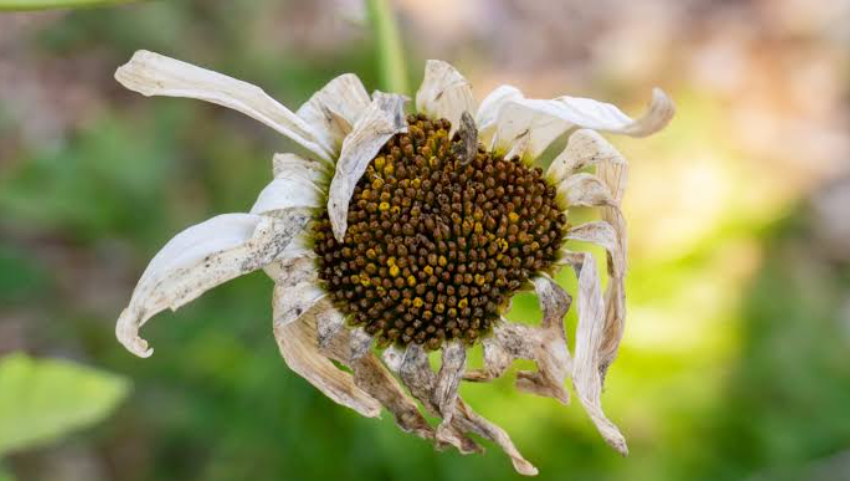
Daisies are beloved for their cheerful, simple charm, with their classic white petals and sunny yellow centers bringing a bright, informal beauty to gardens, meadows, and containers alike. The daisy family is enormous, encompassing everything from the classic Shasta daisy and English daisy to close relatives like gerbera daisies, African daisies, and painted daisies, each offering its own bloom color, size, and growth habit while sharing that familiar radiating petal form. Although daisies have a well-earned reputation as easygoing, low-maintenance garden plants, gardeners who grow them season after season inevitably encounter Common Daisy Plant Problems, ranging from fungal disease and pest damage to disappointing bloom performance.
Daisies are generally grouped by growth habit and hardiness, including perennial types like the Shasta daisy that return reliably year after year, biennial types like the English daisy that complete their lifecycle over two growing seasons, and more tender varieties such as gerbera daisies that are often grown as annuals or houseplants in cooler climates. Some daisy relatives, like African daisies, are prized for their heat and drought tolerance, while others, such as painted daisies, are valued for their delicate, ferny foliage and softer color palette. Understanding which type of daisy is being grown helps set realistic expectations for bloom time, longevity, and specific care needs, since these varying types can differ meaningfully in their tolerance for cold, humidity, and soil conditions.
Successful daisy cultivation generally depends on full sun, well-draining soil, and moderate, consistent watering. Most daisies need at least six hours of direct sunlight daily to produce abundant, sturdy blooms, and they tend to perform poorly in soil that stays wet for extended periods, since damp conditions encourage root and crown rot in many varieties. While daisies are often praised for their drought tolerance once established, consistent moisture during their initial growth and peak flowering period supports stronger stems and a fuller display of blooms. Regular deadheading of spent flowers also encourages many daisy varieties to continue producing new blooms throughout the growing season rather than going to seed prematurely.
Despite their generally hardy and forgiving nature, daisies can still be affected by fungal diseases, insect pests, and environmental stress that interfere with healthy growth and consistent flowering. Because daisies are often planted in dense clusters or naturalized drifts, problems can spread quickly from one plant to its neighbors if left unaddressed. This guide covers twenty-eight of the most common issues daisy growers encounter, describing the symptoms to watch for and the practical fixes that help restore a struggling plant to full, cheerful bloom.
Common Daisy Plant Problems
1. Powdery Mildew
Powdery mildew appears as a white or grayish powdery coating on daisy leaves and stems, typically developing during warm weather with high humidity and limited air circulation. Affected leaves may become distorted, yellow, and drop prematurely if the infection is left untreated. Improving air circulation through proper spacing and pruning, along with avoiding overhead watering, helps reduce conditions favorable to powdery mildew. Applying a fungicide labeled for powdery mildew at the first sign of infection further helps bring the disease under control.
2. Leaf Spot
Leaf spot causes circular or irregular brown, black, or tan lesions to develop on daisy foliage, sometimes with a yellow halo surrounding each spot, and can lead to significant leaf drop when conditions remain humid. Removing and disposing of affected leaves limits the spread of the fungus responsible for the spotting. Watering at the soil level rather than overhead, along with improving air circulation around the plant, helps prevent the moist conditions that encourage leaf spot to develop. Applying a fungicide during particularly wet or humid periods provides additional protection for vulnerable plants.
3. Aphids
Aphids cluster on daisy stems, leaves, and buds, feeding on plant sap and often causing curled, distorted new growth along with a sticky honeydew residue that can attract sooty mold. A strong spray of water can dislodge and reduce aphid populations on lightly affected plants, while insecticidal soap offers a more targeted treatment for persistent infestations. Encouraging beneficial insects such as ladybugs and lacewings in the garden also helps keep aphid numbers naturally in check over time.
4. Powdery Root Rot (Crown Rot)
Crown rot causes the base of the daisy plant to become soft, dark, and mushy, often leading to sudden wilting and collapse even when the surrounding soil appears adequately moist. This condition is typically linked to poorly draining soil or planting the crown too deeply, both of which trap excess moisture around the base of the plant. Improving soil drainage, whether through amendment with organic matter or planting in raised beds, helps prevent the waterlogged conditions that lead to crown rot. Ensuring the crown sits at or slightly above soil level when planting further reduces the risk of this problem developing.
5. Spider Mites
Spider mites cause fine stippling and yellowing on daisy leaves, along with delicate webbing visible on the undersides of foliage, particularly during hot, dry weather conditions. Left untreated, heavy infestations can significantly weaken the plant and reduce its ability to support healthy blooms. Regularly hosing down the foliage, especially the undersides of leaves, helps disrupt mite populations before they become severe. Applying insecticidal soap or a miticide according to label instructions offers effective treatment for more established infestations.
6. Slugs and Snails
Slugs and snails feed on tender daisy leaves and new shoots, particularly in cool, damp weather, leaving behind irregular holes and a telltale slime trail across affected foliage and the surrounding soil. Young seedlings and newly emerging growth are especially vulnerable to this type of feeding damage. Removing garden debris and mulch that provides daytime shelter for slugs and snails helps reduce their populations near daisy plantings. Using barriers such as diatomaceous earth or copper tape, or applying an appropriate slug bait, provides additional protection for vulnerable young growth.
7. Botrytis Blight
Botrytis blight, or gray mold, causes flower buds and blooms to develop brown, water-soaked spots that can progress into a fuzzy gray fungal growth, particularly during cool, damp weather. Affected buds may fail to open properly, and open blooms can become discolored and mushy. Removing and disposing of infected flowers and buds promptly helps prevent the fungus from spreading to healthy parts of the plant. Improving air circulation, avoiding overhead watering, and applying a fungicide during periods of high humidity further reduce the likelihood of botrytis taking hold.
8. Leaf Miners
Leaf miners are the larvae of certain flies or moths that tunnel through daisy leaves, creating distinctive winding, pale trails visible on the leaf surface as they feed between the upper and lower leaf tissue. While rarely fatal, heavy infestations can reduce the plant’s overall vigor and make foliage unsightly. Removing and disposing of affected leaves as soon as the telltale trails are noticed helps reduce the leaf miner population before it spreads. Applying a systemic insecticide labeled for leaf miners provides more thorough control for persistent or severe infestations.
9. Rust
Daisy rust causes small, orange to rust-colored pustules to develop on the undersides of leaves, with corresponding yellow spotting visible on the upper leaf surface. Severely affected leaves may curl, dry out, and drop prematurely, weakening the plant’s overall vigor. Removing and disposing of infected leaves and plant debris helps limit the spread of fungal spores within the garden. Watering at the soil level rather than overhead, along with ensuring adequate spacing between plants for airflow, helps prevent conditions favorable to rust developing.
10. Fungal Wilt
Fungal wilt causes daisy plants to droop and wilt suddenly, often on one side of the plant first, as soil-borne fungal pathogens block the plant’s vascular system and prevent water from reaching the foliage properly. Affected plants may show yellowing or browning that progresses upward from the base despite adequate soil moisture. Removing and destroying severely affected plants, rather than composting them, helps prevent the fungus from spreading to healthy plants nearby. Practicing crop rotation and improving soil drainage in affected areas helps reduce the likelihood of fungal wilt recurring in future seasons.
11. Nutrient Deficiency
Daisies experiencing nutrient deficiency often display pale or yellowing leaves, weak stems, and reduced flowering, with the specific symptom pattern depending on which nutrient is lacking. A shortage of nitrogen typically causes overall pale foliage, while insufficient phosphorus can lead to poor root development and fewer blooms. Testing the soil before planting helps identify specific deficiencies so they can be corrected with targeted amendments. Applying a balanced fertilizer during the growing season, particularly as buds begin to form, supports stronger overall growth and more abundant flowering.
12. Overwatering
Overwatering causes daisy leaves to yellow and roots to become vulnerable to rot, as saturated soil deprives the root system of the oxygen it needs to function properly. This is a particularly common issue for daisies grown in containers or in garden beds with heavy, poorly draining soil. Allowing the top inch or two of soil to dry out between waterings helps prevent the waterlogged conditions that lead to overwatering issues. Ensuring pots have adequate drainage holes and amending garden soil with organic matter further supports appropriate moisture levels.
13. Underwatering
Underwatering causes daisy leaves to wilt, become crispy at the edges, and eventually drop, with soil that feels dry well below the surface and a general lack of vigor in new growth. This is especially common during hot summer stretches or when daisies are grown in fast-draining, sandy soil. Establishing a consistent watering schedule, checking soil moisture regularly rather than watering on a fixed timetable, helps prevent underwatering stress. Mulching around the base of the plant helps retain soil moisture between waterings, particularly during hot, dry weather.
14. Leggy Growth
Leggy growth in daisies refers to long, sparse stems with foliage and blooms concentrated only near the tips, typically caused by insufficient light or overcrowded planting conditions that force plants to stretch toward available sunlight. This condition often results in weaker stems that are more prone to flopping over. Moving plants to a location with brighter, more direct sunlight helps reduce the stretching that leads to legginess. Dividing overcrowded clumps and providing adequate spacing between plants encourages fuller, more compact growth.
15. Poor Flowering
Poor flowering in daisies, where the plant produces healthy foliage but few or no blooms, is often linked to insufficient sunlight, excess nitrogen fertilizer that promotes leafy growth at the expense of flowers, or an aging plant that has become overcrowded and needs dividing. Identifying the underlying cause helps determine the most effective fix. Ensuring the plant receives adequate direct sunlight and switching to a fertilizer formulated for blooming plants, lower in nitrogen and higher in phosphorus, often resolves the issue. Dividing older, overcrowded clumps every few years also helps restore vigorous flowering.
16. Stem Rot
Stem rot causes the base of the daisy stem to become soft, discolored, and weak, sometimes leading the plant to topple over even when the roots initially appear unaffected. This condition is typically linked to excess soil moisture and poor air circulation around the base of the plant. Improving drainage in the planting area and avoiding mulch piled directly against the stem helps reduce the moist conditions that encourage rot. Removing and destroying any affected plants promptly prevents the responsible pathogens from spreading to neighboring daisies.
17. Japanese Beetles
Japanese beetles feed on daisy flowers and foliage, often skeletonizing leaves by consuming the tissue between the veins and leaving behind ragged, lace-like damage on both leaves and petals. These beetles tend to appear in large numbers during summer and can cause significant damage in a short period. Handpicking beetles off the plant in the early morning and dropping them into soapy water offers an effective non-chemical control method. For larger infestations, applying an insecticide labeled for Japanese beetles helps reduce their impact on the plant.
18. Frost Damage
Frost damage occurs when a late cold snap strikes daisies after they have already begun active growth, causing leaves and tender new shoots to appear water-soaked, blackened, or mushy in the affected areas. While many perennial daisy varieties are quite cold-hardy once established, tender new growth remains vulnerable to sudden late-season temperature drops. Covering emerging plants with cloth or mulch when a late frost is forecast helps protect them from the worst damage. Allowing damaged foliage to remain on the plant rather than cutting it back immediately gives the daisy a better chance to recover and continue growing.
19. Heat Stress
Heat stress in daisies causes wilting, scorched leaf edges, and reduced flowering during periods of extreme high temperatures, particularly when combined with insufficient soil moisture. Some daisy varieties are more heat-tolerant than others, making variety selection an important consideration in hot climates. Maintaining consistent watering during heat waves helps the plant better withstand periods of intense sun and high temperatures. Providing light afternoon shade in especially hot regions and mulching around the base of the plant further helps reduce heat-related stress.
20. Root-Bound Roots (Container Daisies)
Container-grown daisies left too long without repotting can become root-bound, with roots circling tightly around the inside of the pot and restricting water and nutrient uptake, leading to stunted growth or wilting despite regular watering. Removing the plant from its container periodically to check root development helps catch this issue before it becomes severe. Repotting into a larger container with fresh soil, and gently loosening or trimming circling roots, allows the plant to resume healthy growth. Dividing and repotting container daisies every one to two years generally prevents roots from becoming excessively bound.
21. Downy Mildew
Downy mildew causes yellow, blotchy patches on the upper surface of daisy leaves, often accompanied by a grayish or purplish fuzzy growth on the undersides, particularly during cool, damp weather. Severely affected plants may become stunted, with distorted leaves and reduced flowering. Removing and destroying infected plant material promptly helps limit the spread of the disease within the garden. Improving air circulation through proper spacing, avoiding overhead watering, and rotating planting locations each season further reduce the likelihood of downy mildew recurring.
22. Verticillium Wilt
Verticillium wilt is a soil-borne fungal disease that causes yellowing and wilting of the lower leaves first, often progressing upward through the plant and eventually leading to stunted growth and reduced flowering. The disease can persist in the soil for years, making it particularly challenging to manage once established in a garden bed. Removing and destroying infected plants, rather than composting them, helps prevent the fungus from spreading to other areas. Practicing long-term crop rotation and choosing resistant varieties where available are the most effective strategies for managing verticillium wilt.
23. Whiteflies
Whiteflies are small, moth-like insects that cluster on the undersides of daisy leaves, and disturbing the foliage often causes a visible cloud of the tiny insects to fly up. Their feeding weakens the plant and can cause yellowing leaves, while their honeydew secretions promote sooty mold growth. Using yellow sticky traps helps monitor and reduce adult whitefly populations near the plant. Applying insecticidal soap or neem oil directly to the undersides of leaves, where whiteflies lay their eggs, provides effective control for established infestations.
24. Overcrowding
Overcrowded daisy plantings, where clumps have been left undivided for several years, often result in progressively smaller flowers, reduced blooming, and increased competition for nutrients and water among the growing mass of stems. This gradual decline in performance can be mistaken for disease when it is really a matter of the plant needing more room to grow. Dividing overcrowded clumps every two to three years, spacing the divisions appropriately when replanting, restores vigor to the planting. Removing weaker sections and focusing on the healthiest portions of the clump also improves overall bloom quality going forward.
25. Herbicide Damage
Herbicide damage in daisies can occur from drift or improper application nearby, causing symptoms such as twisted, cupped, or distorted leaves, discoloration, and stunted growth that may resemble disease or nutrient deficiency at first glance. This damage is particularly common in daisies grown near lawns or agricultural areas where herbicides are applied. Avoiding herbicide application on windy days and maintaining a buffer zone around sensitive daisy plantings helps prevent accidental drift damage. If damage does occur, providing extra water and avoiding additional stress on the plant gives it the best chance to recover over time.
26. Fungal Crown Gall
Fungal crown gall causes rough, swollen growths to develop at or near the base of the daisy plant, typically entering through wounds in the crown or roots caused by planting damage, insects, or garden tools. Affected plants may show reduced vigor, stunted growth, and diminished flowering as the galls interfere with normal nutrient and water transport. Avoiding unnecessary wounding of the crown during planting, weeding, and cultivation helps reduce the risk of infection. Removing and destroying severely affected plants, along with avoiding replanting daisies in the same infected spot, helps prevent the disease from spreading further.
27. Sooty Mold
Sooty mold appears as a black, powdery or crusty coating on daisy leaves and stems, growing on the sticky honeydew secreted by sap-feeding insects like aphids and whiteflies. While the mold itself does not directly infect the plant, it can block sunlight from reaching the leaf surface and interfere with photosynthesis. Wiping affected leaves with a damp cloth or spraying them with water helps remove the sooty mold coating. Identifying and treating the underlying insect infestation responsible for the honeydew is essential to preventing sooty mold from returning.
28. Failure to Rebloom After Deadheading
Some daisy varieties fail to produce a strong second flush of blooms after their initial flowering period, even when spent flowers have been deadheaded, often due to heat stress, nutrient depletion, or simply reaching the natural end of that variety’s typical bloom cycle for the season. Gardeners expecting continuous blooming throughout summer may be disappointed by this natural slowdown in certain varieties. Cutting the entire plant back by roughly a third after the first flush of blooms fades can encourage fresh growth and a second round of flowering in many varieties. Applying a light feeding of balanced fertilizer after this hard pruning further supports the plant’s ability to rebloom later in the season.