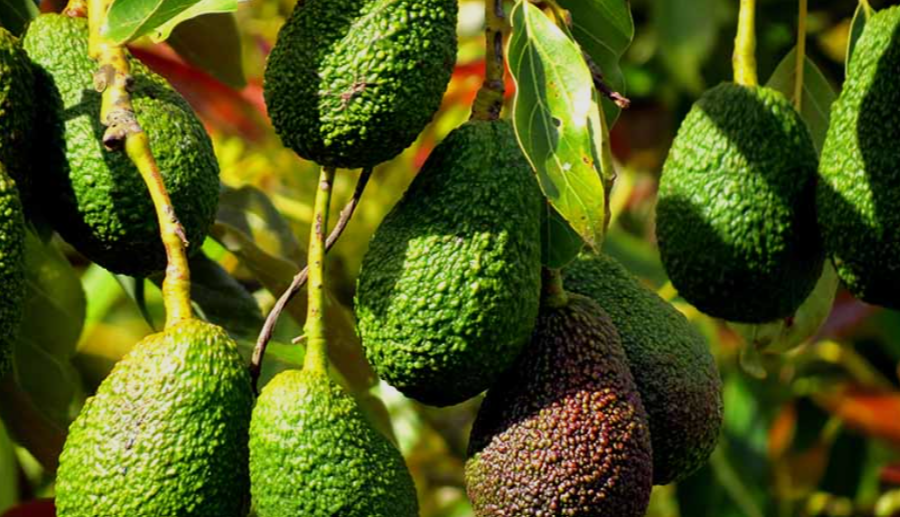
Cold tolerant avocado varieties make it possible to grow this subtropical fruit well beyond the frost-free coasts where most of the crop is raised. The avocado is native to Mexico and Central America, where wild trees still grow in mountain forests. It is unusual among fruits because its flesh is rich in oil and contains almost no sugar.
Avocados are divided into three groups, known as the Mexican, Guatemalan and West Indian races. Mexican avocados come from cool highlands and have thin skin and leaves that smell of anise when crushed. They are the hardiest of the three, while West Indian types from the tropical lowlands are the most easily damaged by cold.
Mexico is by far the largest producer, supplying roughly 30% of the world’s avocados. Americans now eat about 9 pounds per person each year, three times the amount eaten in 2001. California grows close to 90% of the domestic crop, and imports from Mexico meet most of the remaining demand.
Hass, the standard supermarket variety, is damaged when temperatures stay near 30°F for a few hours. The varieties below tolerate more cold than that, in some cases much more. The temperatures given are for mature, established trees during brief freezes, and young trees and long cold spells are a different matter.
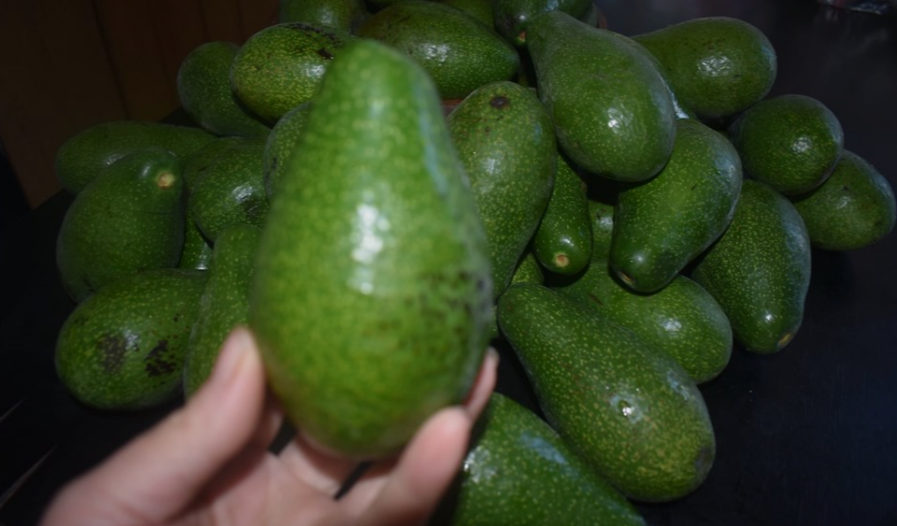
1. Mexicola
Mexicola is the benchmark for cold hardiness among named avocados. The fruit is small, usually 4 to 6 ounces, with thin, glossy, purple-black skin that can be eaten along with the flesh. The flavor is rich and nutty, and some people prefer it to Hass. The seed is large for the size of the fruit.
The University of California groups it with the Mexican varieties that resist frost down to about 25°F, and other extension sources report healthy trees after lows in the low 20s. It originated in Pasadena, California, in the early 1900s. It is grown in home gardens in California’s Central Valley, Texas, the Gulf Coast and northern Florida. The skin is too thin for commercial shipping.
2. Mexicola Grande
Mexicola Grande is a seedling of Mexicola with noticeably larger fruit. The skin is the same thin, shiny purple-black, and the flesh is creamy with a high oil content. The fruit weighs roughly 6 to 8 ounces. The tree is tall, upright and vigorous.
Nurseries generally rate it as hardy into the low to mid 20s. It ripens in fall, a little later than its parent. It is grown in California, Texas and the Gulf states, mostly in home orchards. Its larger size gives more flesh for each fruit than Mexicola.
3. Duke
Duke is an old Mexican-race variety with thin, green skin and a mild, pleasant flavor. The fruit is medium-sized and oval. The University of California describes it as extremely cold-hardy, in the same class as Mexicola. It is also tolerant of wind and of root disease.
It originated in northern California in the early 1900s, well north of the main avocado districts. Its greatest importance today is as a parent of disease-resistant rootstocks. The variety itself is grown in home gardens in northern California and the Central Valley. Fruit ripens in early fall.
4. Topa Topa
Topa Topa is a Mexican-race avocado with smooth, glossy, purple-black skin. The fruit is medium-sized and elongated. The flesh is thin and the eating quality is only fair. The tree is very vigorous and upright.
It originated in Ojai, California, in the early 1900s. It is rated among the hardiest California varieties, tolerating about 25°F. Nurseries have long used its seedlings as rootstocks because they cope well with cold soils. Trees are still found in older gardens across California.
5. Stewart
Stewart is a Mexican-race variety with dark purple to black skin. The fruit weighs 6 to 10 ounces and has smooth, rich, nutty flesh. The skin is thin and peels with some difficulty. The tree is more compact than most Mexican types.
The University of California lists it among the varieties with notably greater cold tolerance than Hass. It ripens in fall and early winter. It is grown in home gardens in inland California and in parts of Texas. Its small stature makes it suitable for modest yards.
6. Zutano
Zutano is a green, pear-shaped avocado with thin, shiny skin. The flesh is pale and lower in oil than Hass, with a mild, somewhat watery flavor. The fruit weighs 6 to 14 ounces. The tree is tall, upright and a consistent producer.
California growers rate it as tolerating about 26°F. It originated in Fallbrook, California, in the 1920s. It is planted mainly as a pollinizer for Hass orchards in California. It is also grown in Spain, Israel and other regions with cool winters.
7. Bacon
Bacon is a smooth, green, oval avocado weighing 6 to 12 ounces. The flesh is pale yellow-green and mild, with a light, buttery texture. The skin is thin and easy to peel. The tree is tall and strongly upright.
The University of California calls it the most frost tolerant of the popular varieties, and it withstands about 25°F. It was developed in Buena Park, California, and introduced in the 1950s. It is grown in California’s inland valleys and in southern Spain. Its season is short, running from late fall into midwinter.
8. Jim
Jim, also called Jim Bacon, is a green-skinned variety related to Bacon. The fruit is medium-sized with a long neck. California growers report that it takes as much cold as Bacon or slightly more. The flesh is of better quality than Zutano.
It has several advantages over the older hardy standards. It sets fruit more reliably than Bacon in some locations, and the trees stay shorter than either Bacon or Zutano. It is grown on a small scale in California. It is used where a hardy tree or a pollinizer is needed.
9. Fuerte
Fuerte is a pear-shaped, green avocado with smooth, leathery skin. The flesh is rich, creamy and nutty, and many people still consider it the best-flavored variety. It is about half Mexican and half Guatemalan in ancestry. The fruit weighs 8 to 16 ounces.
Its name means strong in Spanish, given after it survived a severe California freeze in 1913. It tolerates about 27°F to 28°F for a few hours. It came from Atlixco, Mexico, and was California’s leading variety for decades. It is still grown in California, Mexico, South Africa and Israel.
10. Puebla
Puebla is an old variety with smooth, deep purple to maroon skin. The fruit is medium-sized and rounded, with rich, flavorful flesh. It ripens in early winter. The tree is spreading and moderately vigorous.
It was brought to California from Atlixco in the Mexican state of Puebla in 1911. The University of California rates its frost resistance with Fuerte, at about 28°F. It was once planted commercially in California. It is now a heritage variety found in older gardens and collections.
11. Lila
Lila, also known as Opal, is a Mexican-race avocado from Texas. The fruit is green, pear-shaped and medium-sized, with rich, creamy flesh. The skin is thin and smooth. The tree is smaller than most avocados, usually 10 to 15 feet tall.
Nurseries report that established trees have survived brief drops into the teens. The University of California cautions that no systematic data has been collected on the cold tolerance of these Texas selections. Lila is grown in central and south Texas and along the Gulf Coast. It ripens from late summer into fall.
12. Brazos Belle
Brazos Belle, originally called Wilma, bears long, purple-black fruit. The fruit is medium to large, with thin skin and smooth flesh. It ripens in October and November. The tree is vigorous and upright.
The variety came from cuttings of a large backyard tree in Pearsall, Texas. A Texas citrus nursery propagated it and gave it the trademark name. Nurseries place it among the hardiest avocados, with survival reported into the teens. It is grown in Texas, Louisiana and northern Florida.
13. Fantastic
Fantastic is a green avocado with paper-thin skin and creamy flesh. It is closely tied to a variety called Pryor, or Del Rio, whose original tree grows in Del Rio, Texas. The names are sometimes used for the same tree and sometimes for different ones. Nurseries often describe it as the most cold tolerant of the Texas group.
The fruit is small to medium and ripens in late summer and fall. The thin skin is edible. It is grown in home gardens in Texas and across the Gulf Coast. Buyers should ask nurseries which selection they are actually receiving.
14. Joey
Joey produces egg-shaped, purple-black fruit of medium size. The flavor is rich and nutty, and the thin skin can be eaten. The tree bears heavily. The fruit ripens in September and October.
The variety was selected in Uvalde, Texas. Nurseries place it in the hardiest group, with survival reported into the teens. It is grown in central and south Texas, Louisiana and northern Florida. It is one of the more widely sold cold-hardy varieties.
15. Poncho
Poncho, also spelled Pancho, bears medium to large, green fruit. The skin is thin, and the flesh is smooth and mild. It originated in Texas. The tree is vigorous and spreading.
Nurseries rate it as surviving to about 25°F, with some reports of lower. It ripens in late summer. It is grown in Texas and along the Gulf Coast. Its larger fruit sets it apart from most small Mexican types.
16. Day
Day is a Florida variety with club-shaped, green fruit that has a long neck. The flesh is buttery, with a good, nutty flavor. The fruit is easy to peel. The tree is slender and stays fairly small.
It is reported to survive brief drops into the low 20s, and some nurseries rate it hardier still. It ripens from July to September. It is grown in central and northern Florida and along the Gulf Coast. It also does well in large containers.
17. Brogdon
Brogdon is a pear-shaped avocado with thin, purple-black skin. The fruit weighs 8 to 14 ounces and has yellow, buttery flesh with a rich flavor. The thin skin makes it difficult to peel cleanly. It is a hybrid with strong Mexican ancestry.
The University of Florida lists it among the Mexican and Mexican hybrid varieties that may withstand temperatures in the low 20s. It originated in central Florida. It ripens from July to September. It is one of the most planted avocados in central and northern Florida.
18. Gainesville
Gainesville is a Mexican-race variety selected on the University of Florida campus. The fruit is small and green, with thin skin and mild flesh. Trees survived for years there without care or cold protection. The university’s cold-hardiness program reported varieties surviving temperatures in the teens.
Florida extension rates it as tolerating the low 20s. It ripens in summer. It is grown in northern Florida and southern Georgia. The fruit is of modest quality, and the variety is valued mainly for its hardiness.
19. Winter Mexican
Winter Mexican is a hybrid with thick, dark green skin. The fruit is fairly large, at 12 to 18 ounces. The flesh is rich and creamy. The tree is vigorous and productive.
Florida extension lists it among the varieties that may withstand the low 20s. It originated in Florida and ripens from November to January. That winter season is unusual among hardy varieties, most of which ripen in summer or fall. It is grown in central and northern Florida.
20. Ettinger
Ettinger is a pear-shaped avocado with thin, smooth, bright green skin. The flesh is pale and mild, with a pleasant, buttery texture. It originated in Israel as a seedling related to Fuerte. The fruit weighs 10 to 14 ounces.
Florida extension places it with the varieties tolerating the low 20s. It is one of the main early-season avocados in Israel. It is also planted as a pollinizer for Hass. It is grown in Israel, South Africa and Florida.
21. Lula
Lula is a pear-shaped, green avocado weighing about 1 pound. The flesh is pale and slightly sweet, with a moderate oil content. The skin is smooth and nearly free of fiber. The tree is tall and upright.
It originated in Miami, Florida, in the early 1900s. Florida extension rates it as more cold tolerant than most Florida types, suitable where occasional lows of 24°F to 28°F occur. It was once the main commercial variety in Florida. It became the principal avocado grown in the Lower Rio Grande Valley of Texas.
22. Taylor
Taylor is a Guatemalan-type avocado with rough, dark green skin. The fruit is pear-shaped and weighs 12 to 18 ounces. The flesh is rich, with good flavor. The tree is very tall and narrow.
It originated in Miami, Florida, in the early 1900s. Florida extension lists it with Lula in the 24°F to 28°F group. It fruits well when planted alone. It is grown in home landscapes in central and southern Florida.
23. Tonnage
Tonnage is a green, pear-shaped avocado with thick, rough skin. The fruit weighs 14 to 24 ounces. The flesh is rich and nutty, with a higher oil content than most Florida types. The tree is tall and upright.
It originated in Florida as a seedling of Taylor. Florida extension places it in the 24°F to 28°F group. It ripens in late summer and early fall. It is grown in central and southern Florida.
24. Brooks Late
Brooks Late is one of the last avocados of the Florida season. The fruit is green, rounded and medium to large. The flesh is firm and of good quality. The skin is thick.
It ripens from January to March, when few other varieties are available. Florida extension lists it in the 24°F to 28°F group. It originated in south Florida. It is grown commercially there on a small scale and in home landscapes.
25. Choquette
Choquette is a very large avocado, weighing 24 to 40 ounces. The skin is smooth, glossy and dark green. The flesh is mild and juicy, with a lower oil content than Hass. It is a hybrid of the Guatemalan and West Indian types.
Florida extension rates it as moderately cold tolerant, at 25°F to 30°F. It originated in Miami, Florida, in the 1920s. It ripens from October to January. It is one of the leading commercial and home garden varieties in Florida.
26. Hall
Hall is a large, pear-shaped avocado with smooth, dark green skin. The fruit weighs 20 to 30 ounces. The flesh is rich and nutty. The tree is a heavy producer.
Florida extension lists it in the moderately cold tolerant group, at 25°F to 30°F. It originated in Miami, Florida. It ripens from November to January. It is grown in central and southern Florida.
27. Monroe
Monroe is a large, oval avocado with glossy, dark green skin. The fruit weighs 24 to 40 ounces. The flesh is firm, with a good nutty flavor. It ripens late in the season.
Florida extension rates it as moderately cold tolerant, at 25°F to 30°F. It originated in Homestead, Florida, in the 1930s. It ripens from November to January. It is an important late-season commercial variety in Florida.
28. Wurtz
Wurtz, often sold as Little Cado, is the best-known dwarf avocado. The tree grows only 8 to 12 feet tall, with a weeping habit. The fruit is green, pear-shaped and 6 to 12 ounces. The flesh is rich and of good quality.
Nurseries rate it as hardy to about 25°F. It originated in southern California in the 1930s. Its size allows it to be grown in a large container and moved under cover in winter. It is grown in California, Florida and the Gulf states.
Key Takeaways:
- Cold-tolerant avocado varieties can withstand cooler temperatures than many standard cultivars, making them suitable for selected subtropical areas and locations that experience occasional light frosts.
- Mexican-race avocados are generally the most cold-tolerant, with varieties such as ‘Mexicola’, ‘Brogdon’, and ‘Wilma’ often favored by gardeners seeking better cold resistance.
- Cold hardiness varies considerably between avocado varieties. A tree’s ability to survive low temperatures depends on its genetics, age, health, acclimation, and the duration and severity of the cold.
- Avocado trees need suitable growing conditions even when they tolerate cold, including well-drained soil, adequate sunlight, and protection from strong winds. Waterlogged roots can increase the risk of damage and decline.
- Cold tolerance does not guarantee reliable fruit production in colder climates. Flowers and young fruit can be damaged by cold weather, and a tree may survive winter without producing a substantial harvest.
- Choosing the right avocado variety depends on local climate and growing conditions. Gardeners should consider winter temperatures, frost frequency, flowering characteristics, fruit quality, and the availability of a sheltered planting location before selecting a cultivar.
Sources:
- University of California: Avocado Frost Damage
- University of California: Cold Tolerant Avocado Varieties?
- University of Florida: Avocado Growing in the Florida Home Landscape
- University of California: avocado cultivar notes
- University of California: All About Avocados
- University of California: Avocado Production in Home Gardens
- California Avocado Society: Avocado Varieties for California
- Florida State Horticultural Society: cold-hardy avocado program
- USDA Economic Research Service: US avocado demand
- University of Florida: US avocado market overview
- CropGPT: Avocado US and Mexico markets
- Gardener’s Path: cold hardy avocado trees
- Top Tropicals: cold-hardy avocado survival groups