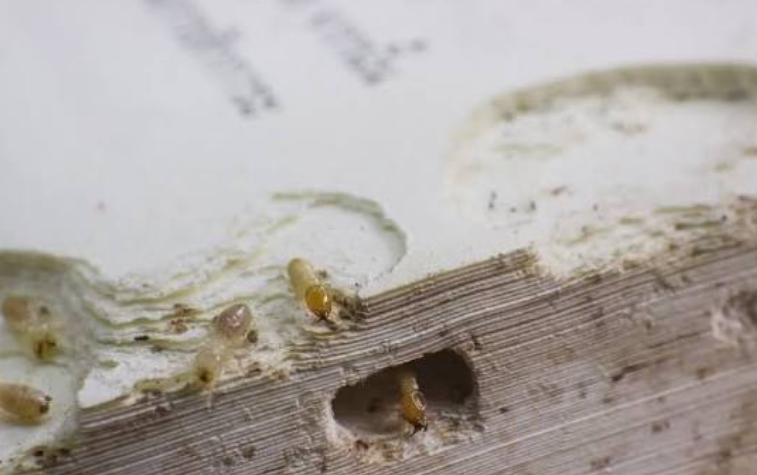
Paper products, especially older books with starch-based glues and cellulose-rich pages, can be surprisingly attractive food sources for a range of household insects. Anyone who has discovered small holes, yellowed trails, or scattered debris near a bookshelf has likely encountered one of the many bugs that eat books and paper, since these pests are drawn to the cellulose, starch, and protein-based sizing found in paper, bindings, and glue. Some of these insects can survive for months without any other food source, making a poorly ventilated storage area an ideal environment for long-term infestation.
Most paper-damaging insects are attracted less to the paper itself and more to the starches and adhesives used in binding and finishing, which explains why older books, with their traditional glue-based bindings, tend to be more vulnerable than modern paperbacks. High humidity is one of the single biggest risk factors for paper pest activity, since many of these insects thrive in moisture levels above 60 percent relative humidity. Dark, undisturbed storage spaces such as basements, attics, and closed cabinets tend to see the highest concentrations of paper-eating pests because they offer both shelter and minimal disturbance.
While a few of these insects cause only minor cosmetic damage, others can destroy entire pages or bindings if an infestation is left unchecked for an extended period. Preventing paper pest damage generally comes down to controlling humidity, ensuring good airflow around stored books and documents, and periodically inspecting collections for early warning signs such as small holes or fine, powdery debris. The following insects represent some of the most common and well-documented pests known to feed on books, paper, and related materials.
Bugs That Eat Books And Paper
Silverfish
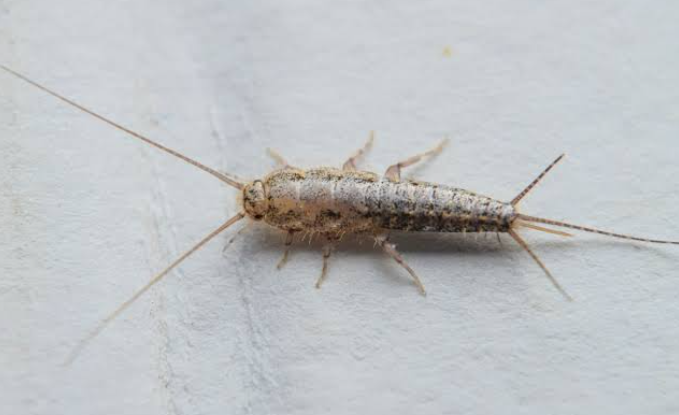
Silverfish are one of the most notorious paper pests, feeding directly on the cellulose and starch found in book bindings, wallpaper paste, and paper itself. These wingless insects can survive for up to a year without eating, making them particularly hardy in low-food storage environments. Silverfish are most active at night and prefer humidity levels above 75 percent, which is why they are frequently found in basements and bathrooms near stored paper goods. A single silverfish can live for 2 to 8 years, giving it ample time to cause repeated damage to the same collection of books.
Firebrats
Firebrats are close relatives of silverfish but prefer warmer environments, often congregating near furnaces, water heaters, or attics where temperatures exceed 90 degrees Fahrenheit. Like silverfish, firebrats feed on the starch-based glues used in book bindings and can also damage paper labels and wallpaper. A single firebrat can survive for several months without food, allowing populations to persist even in areas with limited paper material available. Their preference for heat means they are less commonly found in cooler storage rooms compared to silverfish.
Booklice
Booklice, despite their name, are not true lice but small, soft-bodied insects that feed on mold and mildew growing on damp paper, as well as the starch in book bindings. These insects measure only about 1 to 2 millimeters in length, making them difficult to spot without close inspection of affected pages. Booklice populations tend to explode in humid conditions, with a single female capable of laying dozens of eggs over her short lifespan. Their presence is often one of the first signs that a stored book collection has been exposed to excess moisture.
American Cockroaches
American cockroaches will feed on paper, book bindings, and cardboard when other food sources are scarce, particularly favoring materials with starch-based glue. These large cockroaches can grow up to 2 inches in length and are capable of surviving in a wide range of environments, including damp basements where books are often stored. A single American cockroach can live for up to a year, and females can produce several egg cases over that time, each containing more than a dozen eggs. Their feeding on paper often leaves behind irregular notched edges along the damaged material.
German Cockroaches
German cockroaches are smaller than their American counterparts but reproduce far more quickly, with a single female capable of producing several hundred offspring over her lifetime. While they primarily target food debris, German cockroaches will also chew on paper and cardboard, especially when it has been contaminated with food residue or grease. These cockroaches typically measure about half an inch long and prefer warm, humid environments near kitchens, though infestations can spread to nearby paper storage areas. Their rapid reproduction rate makes early detection especially important in preventing paper damage.
Brown-Banded Cockroaches
Brown-banded cockroaches are less dependent on moisture than other cockroach species, which allows them to infest drier areas such as closets, bookshelves, and storage boxes. These cockroaches measure about half an inch long and are identified by the light-colored bands across their wings. Brown-banded cockroaches will feed on paper products, particularly book bindings and cardboard, especially in areas where other food sources are limited. A single female can produce more than a dozen egg cases over her lifetime, each containing more than a dozen eggs.
Oriental Cockroaches
Oriental cockroaches prefer cool, damp environments such as basements and crawl spaces, which often overlap with common book and document storage areas. These dark, glossy cockroaches can grow up to an inch and a quarter in length and are known to feed on paper and cardboard when other organic material is unavailable. Oriental cockroaches are slower moving than other species but can still cause noticeable damage to stored paper goods over time. A single female typically produces around 8 egg cases during her lifetime, each containing approximately 16 eggs.
Carpet Beetles
Carpet beetle larvae are known to feed on a range of organic materials, including paper, especially when it is stored alongside fabric, wool, or other protein-based materials. These larvae are covered in tiny bristly hairs and can grow up to a quarter inch long before pupating into adult beetles. A single carpet beetle infestation can produce multiple generations within a year, allowing damage to accumulate steadily if left unaddressed. Adult carpet beetles are less destructive, feeding primarily on pollen and nectar outdoors before laying eggs indoors.
Furniture Beetles
Furniture beetles, sometimes called woodworm, primarily target wood but can also damage book bindings that contain wood pulp-based board or paste. Larvae bore small tunnels through the material as they feed, leaving behind fine, powdery frass as a telltale sign of activity. A single furniture beetle larva can spend up to 3 years developing within its food source before emerging as an adult. Their presence is often first noticed through small, round exit holes measuring about 1 to 2 millimeters in diameter.
Drugstore Beetles
Drugstore beetles are notorious for feeding on an unusually wide range of materials, including book bindings, dried herbs, and even other insects’ remains. These small, reddish-brown beetles measure about 3 millimeters long and are capable of chewing directly through the covers of books to reach glue and starch inside. A single female can lay up to 100 eggs over her lifetime, and larvae can complete their development in as little as 4 to 6 weeks under warm conditions. Drugstore beetles are particularly known for their ability to bore through nearly any material to find suitable food.
Cigarette Beetles
Cigarette beetles are closely related to drugstore beetles and share a similar appetite for starchy paper products, book bindings, and stored organic material. These beetles measure about 2 to 3 millimeters long and are strong fliers, allowing them to spread quickly between storage areas. A single cigarette beetle can complete its life cycle in as little as 4 weeks under warm, humid conditions, leading to rapid population growth. Their larvae are particularly damaging to older books with traditional paste bindings.
Spider Beetles
Spider beetles get their name from their round, spider-like body shape and long legs, and several species are known to feed on paper, book bindings, and stored organic debris. These beetles measure only about 1 to 4 millimeters long, making early detection difficult without close inspection of damaged materials. Spider beetles prefer dark, undisturbed environments, which makes long-term book storage areas particularly susceptible to infestation. A single female can lay dozens of eggs over her lifetime, often depositing them directly within cracks or crevices near food sources.
Deathwatch Beetles
Deathwatch beetles primarily target old timber but have also been documented damaging antique books with wooden or heavily starched components. These beetles are known for producing a distinctive tapping sound during mating season, created by striking their heads against the surface they are tunneling through. Larvae can take several years to complete development, sometimes as long as 4 to 10 years depending on environmental conditions. Because of their slow development, deathwatch beetle damage often goes unnoticed for extended periods before becoming visible.
Termites
Termites are capable of consuming cellulose-based materials, including paper and book bindings, particularly in humid environments where books are stored near wooden structures. A single termite colony can include hundreds of thousands of individuals, all capable of contributing to paper and wood destruction simultaneously. Termites tend to cause the most severe paper damage when books are stored in basements or other areas with direct contact to infested wooden structures. Because termite damage often occurs out of sight, significant destruction can take place before an infestation is discovered.
Larder Beetles
Larder beetle larvae will occasionally feed on paper and cardboard, particularly when it is stored near other organic material such as dried food or animal products. These larvae are covered in dense bristles and can grow up to half an inch long before pupating. A single larder beetle generation can complete development in as little as 40 to 50 days under warm conditions. While primarily known for damaging stored food products, larder beetles can extend their feeding to nearby paper goods when populations are high.
Webbing Clothes Moths
Webbing clothes moth larvae primarily feed on wool and other animal-based fibers but have also been documented damaging paper and book bindings when other food sources are scarce. Larvae spin small silken webs as they feed, which can sometimes be found on the surface of damaged paper materials. A single female can lay up to 100 eggs over her short adult lifespan, contributing to rapid population growth in favorable conditions. This species prefers dark, undisturbed storage areas, similar to many other paper-damaging pests.
Casemaking Clothes Moths
Casemaking clothes moths are closely related to webbing clothes moths and share a similar tendency to damage paper products stored alongside natural fiber materials. Larvae construct a small protective case from silk and debris, which they carry with them as they move and feed. A single generation can take anywhere from 2 months to over a year to complete development, depending on temperature and food availability. This species is somewhat less common indoors than webbing clothes moths but can still cause noticeable paper damage in mixed storage environments.
Bark Lice
Bark lice are close outdoor relatives of booklice and can occasionally make their way indoors, where they feed on mold and mildew growing on damp paper surfaces. These insects are typically found in large groups on tree bark but will relocate indoors if conditions become favorable, particularly in humid storage areas. Bark lice populations can grow quickly, with females capable of laying dozens of eggs within a short period. Their presence indoors is usually linked to elevated humidity levels that also promote mold growth on paper materials.
Paper Wasps
Paper wasps do not eat finished paper products in the way other pests on this list do, but they actively chew and consume wood fiber, which they process into a pulp used to construct their papery nests. A single paper wasp nest can be built from material gathered across hundreds of individual foraging trips over the course of a season. While they generally target weathered wood rather than stored books, paper wasps occasionally strip fibers from cardboard boxes left outdoors or in garages. Their nests, made from the same cellulose fibers found in paper, can include several dozen individual cells housing developing larvae.
Sawtoothed Grain Beetles
Sawtoothed grain beetles primarily infest stored food products but are known to chew through paper and cardboard packaging to reach food sources inside. These slender, reddish-brown beetles measure only about 2 to 3 millimeters long, allowing them to fit through very small gaps in packaging material. A single female can lay several hundred eggs over her lifetime, leading to rapid population growth in pantries and storage areas. Their tendency to chew through paper packaging can extend to nearby stored documents or books when infestations are severe.
House Crickets
House crickets will occasionally feed on paper and cardboard, particularly when it has been softened by moisture or contaminated with food residue. These insects measure about three-quarters of an inch long and are more commonly known for their chewing damage to fabric and other household materials. A single house cricket can survive for several months indoors, continuing to feed opportunistically on available paper or fiber materials. Their presence near paper damage is often accompanied by chirping sounds, making them easier to detect than many silent paper pests.
Powderpost Beetles
Powderpost beetles primarily target wood but can damage book bindings and paper products that contain wood-derived components such as certain types of board or laminate. Larvae tunnel through their food source, leaving behind extremely fine, flour-like frass that is one of the most reliable signs of an active infestation. A single powderpost beetle life cycle can take anywhere from 1 to 5 years to complete, depending on environmental conditions and food quality. Because damage occurs internally, significant destruction can take place before any external sign becomes visible.
Earwigs
Earwigs occasionally feed on paper and cardboard, particularly when the material has been dampened or is located near other food sources they are already attracted to. These insects are more commonly associated with garden damage but can migrate indoors in search of shelter, especially during dry or cold weather. A single earwig can hide in small cracks and crevices near stored paper, emerging at night to feed. While their paper damage is generally minor compared to dedicated paper pests, large populations can still cause noticeable cosmetic harm.
Field Crickets
Field crickets, like their house cricket relatives, will chew on paper and cardboard when they migrate indoors, particularly in outbuildings, garages, or basements used for storage. These insects can measure up to an inch long and are strong jumpers, allowing them to move quickly between hiding spots and food sources. Field crickets are most likely to invade indoor spaces during the fall as outdoor temperatures drop, sometimes bringing paper-feeding activity with them. Their damage tends to be more sporadic and less severe than that caused by dedicated paper pests such as silverfish or booklice.
Four-Lined Silverfish
Four-lined silverfish are a less commonly discussed relative of the common silverfish, sharing a similar appetite for the starch and cellulose found in book bindings and paper. This species is distinguished by four dark stripes running along its back, setting it apart from the uniform gray coloring of common silverfish. Like other silverfish species, it thrives in humid environments and can survive for extended periods without a consistent food source. Four-lined silverfish are most frequently reported in warmer climates, where humidity levels tend to remain consistently higher throughout the year.