The best plants for winter interest solve a genuine design problem most gardens never fully address: what the landscape actually looks like once flowers, foliage, and summer color have all disappeared for 4 or 5 months. A garden built purely around spring and summer bloom essentially goes visually dark for nearly half the year, while a garden deliberately planned around winter interest treats the cold months as their own season worth designing for, not simply an off-season to wait out.
What makes winter interest work as a genuine design category is that it draws on several completely different mechanisms, not just flowers, though a handful of plants do bloom through the cold months. Colorful or textured bark, berries that persist long after the leaves drop, dried seed heads left standing rather than cut back, and evergreen structure all read as considerably more striking once summer’s visual competition disappears. A red twig dogwood’s stems are a pleasant but easily overlooked detail against full summer foliage, and genuinely arresting against bare ground and gray winter sky.
Placement matters more for winter interest than for almost any other garden planning category, since the whole point is visibility from wherever the garden actually gets viewed during winter, a kitchen window, a front entry, a path someone actually walks in January rather than a distant back corner nobody visits until spring. A plant with spectacular winter bark tucked behind a summer-only screen accomplishes considerably less than the same plant positioned somewhere it’s genuinely seen through the cold months.
The University of Minnesota Extension’s guide to winter garden design covers seasonal placement planning in more detail than a general list can. What follows covers 50 of the best plants for winter interest, spanning colorful bark, persistent berries, dried seed heads, evergreen structure, and a handful of genuine winter bloomers.
Red Twig Dogwood
Red twig dogwood produces vivid, almost glowing red stems that become the plant’s entire visual identity once its leaves drop each fall, among the most striking winter bark displays available in a temperate climate. Its color intensifies on newer growth, making regular pruning genuinely important to keep the display vibrant year after year.
It tolerates a range of soil conditions and full sun to partial shade, performing particularly well against a backdrop of snow or bare ground where the color truly stands out.
Yellow Twig Dogwood
Yellow twig dogwood shares red twig dogwood’s genuine winter stem display, offering a bright golden-yellow alternative to the more common red coloring. Its considerable visual impact against a snowy landscape rivals its red-stemmed relative.
It tolerates a range of soil conditions and full sun to partial shade, benefiting from the same regular pruning that keeps its color vibrant on fresh growth.
Coral Bark Japanese Maple
Coral bark Japanese maple produces genuinely vivid coral-red bark that becomes the tree’s defining feature once its delicate foliage drops each fall, a striking specimen against a winter backdrop of any kind. Its considerable color intensity peaks on younger branches, fading somewhat as wood matures.
It wants partial shade and consistently moist, well-drained soil, rewarding a prominent winter viewing spot with a genuinely arresting display.
Coral Bark Willow
Coral bark willow produces bright orange-red stems through winter, a genuinely striking display considerably brighter than the muted gray-brown bark typical of most other willow species. Regular hard pruning each spring keeps the colorful new growth coming reliably.
It tolerates consistently moist soil and full sun, thriving particularly well near a pond or stream edge where its color reflects in the water.
Paperbark Maple
Paperbark maple produces genuinely distinctive, cinnamon-colored bark that peels away in thin, papery curls, providing considerable textural and color interest through every month of winter. Its slow growth rate means a mature specimen represents decades of accumulated character.
It tolerates a range of soil conditions and partial shade, rewarding patience with a winter bark display few other trees can match.
River Birch
River birch produces attractive, peeling, salmon-to-cinnamon bark that provides genuine winter interest once its leaves have dropped, the exfoliating texture becoming considerably more visible against bare branches. Its considerable tolerance for wet soil also sets it apart from many other winter-interest trees.
It tolerates wet soil better than most other birch species, thriving in a low, damp spot other trees on this list might struggle with.
Crape Myrtle
Crape myrtle produces genuinely mottled, multicolored bark that becomes the plant’s primary winter attraction once its summer flowers and fall foliage have both faded. Its sculptural, often multi-trunked form also provides real structural interest against a winter sky.
It wants full sun and tolerates a range of soil conditions, rewarding minimal winter pruning with an increasingly beautiful bark pattern as the plant matures.
London Plane Tree
London plane tree produces distinctive, camouflage-patterned bark that peels away in irregular patches of cream, green, and brown, creating a genuinely striking winter silhouette on a substantial shade tree. Its considerable urban tolerance has made it a popular street tree specifically valued for this winter bark display.
It tolerates poor soil and urban pollution well, thriving in conditions that would challenge many other large winter-interest trees.
Stewartia
Stewartia produces genuinely beautiful, exfoliating bark in mottled shades of gray, orange, and cream, an underused winter-interest tree considering how striking its bark display actually is. Its multi-season appeal also includes attractive summer flowers and fall color, making winter just one of several strong seasons.
It tolerates partial shade and consistently moist, well-drained soil, rewarding a prominent winter viewing spot with genuinely exceptional bark texture.
Lacebark Pine
Lacebark pine produces unusual, mottled bark in patches of gray, green, and cream that becomes considerably more visible and appreciated once surrounding deciduous trees have dropped their leaves. Its slow growth and eventual considerable size make it a genuine long-term investment.
It tolerates a range of soil conditions and full sun, developing its most striking bark pattern only after reaching a genuine maturity that takes many years.
Ghost Bramble
Ghost bramble produces stems coated in a genuinely striking white, powdery bloom through winter, creating an almost ghostly effect that gives the plant its common name. Its considerable visual impact works best massed together or backlit by low winter sun.
It tolerates a range of soil conditions and full sun to partial shade, benefiting from hard pruning each spring to encourage the most vividly coated new growth.
Corkscrew Hazel
Corkscrew hazel produces genuinely twisted, contorted branches that become the plant’s defining winter feature once its leaves drop, an unmistakable and often conversation-starting silhouette. Its unusual form also holds dangling catkins through late winter, adding a second layer of seasonal interest.
It tolerates a range of soil conditions and full sun to partial shade, rewarding a prominent winter viewing spot with genuinely sculptural, year-round structural appeal.
Winterberry Holly
Winterberry holly, a deciduous holly, produces a spectacular display of bright red berries along bare branches each winter, the fruit becoming considerably more visible and vivid once the surrounding leaves have dropped entirely. Its berries persist well into the cold season, providing genuine food for overwintering birds.
It requires a male pollinator nearby for reliable berry production and tolerates wet, poorly drained soil that would challenge many other winter-interest shrubs.
American Holly
American holly produces classic spiny, glossy evergreen leaves and bright red winter berries on a substantial native shrub, combining genuine evergreen structure with persistent fruit for a full winter display. Its traditional holiday association comes directly from its wild native range.
It requires a male pollinator nearby for reliable berry production and tolerates shade and a range of soil conditions once established.
Crabapple
Crabapple varieties selected for persistent fruit hold their small, colorful apples well into winter, providing genuine color against bare branches long after most other fruiting trees have dropped or lost their display. Their considerable fruit persistence also makes them valuable to overwintering birds.
It wants full sun and well-drained soil, and choosing a variety specifically bred for fruit persistence matters considerably more than choosing purely for spring flower color.
Beautyberry
Beautyberry produces clusters of vivid, almost unnaturally purple berries along its bare stems through fall and into winter, one of the most genuinely startling fruit colors found on any winter-interest shrub. Its considerable color intensity stands out dramatically against a muted winter landscape.
It tolerates a range of soil conditions and full sun to partial shade, benefiting from a hard spring pruning to encourage the most abundant berry production. The North Carolina State University Extension’s native shrub database documents fruit persistence timing for this species specifically.
Firethorn
Firethorn produces dense clusters of vivid orange-red berries that persist through much of winter, a genuinely eye-catching display on a thorny, evergreen shrub that also provides year-round structure. Its considerable berry volume makes it a significant food source for overwintering birds.
It tolerates a range of soil conditions and full sun, often trained against a wall or fence where its thorny growth also provides useful security value.
Viburnum
Viburnum, in several of its many species, produces persistent berries that hold their color well into winter, adding genuine fruit interest to a shrub already valued for spring flowers and fall foliage. Its considerable species diversity means winter berry color spans from red through blue-black depending on the specific type chosen.
It tolerates a range of soil conditions and full sun to partial shade, and the Michigan State University Extension’s shrub selection guide covers berry-persistence differences across viburnum species relevant to winter garden planning.
Chokeberry
Chokeberry produces clusters of persistent black or red berries, depending on the specific species, that hold through much of winter on a genuinely tough native shrub. Its considerable cold hardiness and adaptability have made it increasingly popular for winter-interest native plantings.
It tolerates a wide range of soil conditions, including wet ground, thriving in a difficult spot many other winter-interest shrubs would struggle with.
Snowberry
Snowberry produces genuinely unusual, pure white berries that persist through much of winter, an unmistakable and rarely confused fruit color among winter-interest shrubs. Its considerable cold hardiness suits even a genuinely harsh northern winter climate.
It tolerates a range of soil conditions and partial shade, thriving in conditions considerably more difficult than many showier winter-interest alternatives.
Rugosa Rose
Rugosa rose produces large, vividly orange-red rose hips that persist through much of winter if left unpruned, providing genuine fruit interest well beyond the shrub’s better-known summer flowers. Its considerable hip size and color make it one of the more ornamentally valuable rose types for winter display.
It tolerates poor, sandy soil and salt exposure remarkably well, making it a strong choice for a coastal winter garden specifically.
Autumn Joy Sedum
Autumn Joy sedum produces large, flat flower clusters that dry to an attractive rusty brown through winter if left standing rather than cut back, adding genuine textural interest to an otherwise dormant perennial border. Its sturdy, upright stems hold their shape well even under a light snow load.
It tolerates poor, dry soil and full sun, rewarding a gardener who resists the urge to tidy the bed too early each fall with a genuinely attractive winter silhouette.
Purple Coneflower
Purple coneflower produces a distinctive, raised seed head that dries attractively through winter if left standing, its dark, textured cone providing genuine visual interest against snow. Its seed heads also offer a real food source for finches and other winter birds.
It tolerates poor, dry soil and full sun, benefiting both aesthetically and ecologically from being left uncut until spring cleanup.
Black-Eyed Susan
Black-eyed Susan produces dark, dome-shaped seed heads that persist attractively through winter once the surrounding petals have dropped, adding texture to an otherwise bare perennial bed. Its considerable seed volume also provides genuine winter food for local birds.
It tolerates a range of soil conditions and full sun, rewarding a gardener who leaves the seed heads standing with both visual interest and wildlife value.
Panicle Hydrangea
Panicle hydrangea produces large, cone-shaped flower clusters that dry to an attractive tan or bronze through winter if left on the plant, holding their shape remarkably well even under snow. Its sturdy woody stems support the dried flower heads without the flopping some other winter-interest perennials experience.
It tolerates full sun and consistent moisture, providing a genuinely substantial winter silhouette given its considerable mature size.
Ornamental Allium
Ornamental allium produces distinctive, perfectly round dried seed heads that persist through much of winter atop tall, wiry stems, an unmistakable silhouette against a bare garden bed. Its considerable structural interest works particularly well when several are planted together for repeated visual rhythm.
It grows from a bulb planted in fall, tolerating a range of soil conditions with minimal ongoing care beyond leaving the dried heads standing through winter.
Astilbe
Astilbe produces feathery, plume-like seed heads that dry to an attractive tan through winter if left uncut, adding fine, delicate texture to an otherwise bare shaded bed. Its considerable textural contrast against bolder winter-interest foliage plants makes it a useful design complement.
It tolerates partial to full shade, providing genuine winter texture in exactly the shaded spot many showier winter-interest plants can’t tolerate.
Blue Spruce
Blue spruce produces genuinely striking silvery-blue evergreen needles that provide dramatic, reliable color contrast against snow throughout the entire winter season. Its considerable size and classic conical form also make it a traditional focal point for winter garden structure.
It tolerates a range of soil conditions and full sun, remaining one of the most reliably colorful evergreen conifers available for winter interest. The Iowa State University Extension’s conifer selection guide covers needle-color retention across winter conditions relevant to this species.
Weeping Blue Atlas Cedar
Weeping blue atlas cedar produces a genuinely dramatic, cascading silhouette combined with the same striking blue-toned evergreen needles as its upright relatives. Its sculptural form provides real winter interest through structure alone, independent of its attractive color.
It tolerates a range of soil conditions and full sun, rewarding a prominent winter viewing spot with a genuinely unique combination of color and dramatic form.
Boxwood
Boxwood forms a dense, naturally rounded evergreen shrub that holds its shape and color reliably through winter, providing genuine year-round structure when so many other garden plants go fully dormant. Its fine, small leaves stay attractive even under snow load.
It tolerates a range of soil types and light conditions, remaining one of the most dependable evergreen structural anchors for a winter garden.
Japanese Maple
Japanese maple, even in its bare winter form, produces a genuinely sculptural, finely branched silhouette that provides real structural interest against a winter sky or snow. Its delicate branching pattern is often more visible and appreciated in winter than when obscured by summer foliage.
It wants partial shade and consistently moist, well-drained soil, rewarding a prominent winter viewing spot with a genuinely graceful bare structure.
Weeping Willow
Weeping willow produces a genuinely dramatic, cascading bare branch structure through winter, its considerable size and graceful form providing a real focal point once its leaves have dropped. Its yellow-green winter bark also adds subtle color against a gray winter landscape.
It tolerates consistently wet soil exceptionally well, thriving specifically at the base of a slope or near a pond where its winter silhouette reflects in the water.
Witch Hazel
Witch hazel produces spidery, fragrant flowers in yellow, orange, or red on bare branches in late fall or winter, blooming when almost nothing else in the garden is active. Its unusual bloom timing alone makes it worth the minimal care it requires.
It tolerates a range of soil and light conditions, and the Cornell University Cooperative Extension’s woody plant database documents winter bloom timing for several genera covered on this list.
Winter Jasmine
Winter jasmine produces bright yellow flowers along bare, arching green stems from December through March, among the most reliably early and cheerful winter bloomers available. Its cascading habit works particularly well spilling over a wall or bank where both its bloom and its green winter stems stay visible.
It tolerates a range of soil conditions and full sun to partial shade, needing only an occasional post-bloom pruning to control its size.
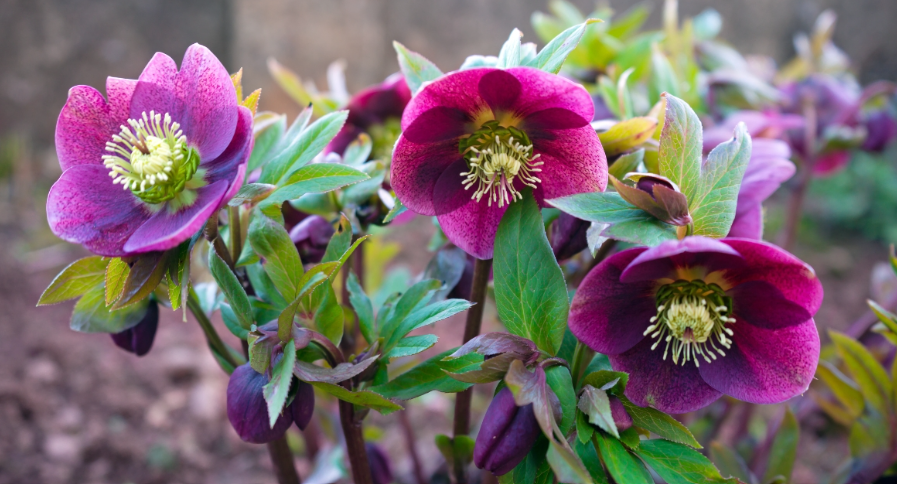
Lenten Rose
Lenten rose produces nodding, cup-shaped flowers in late winter through early spring, one of the few genuinely evergreen flowering perennials suited to a shaded winter garden bed. Its considerable cold tolerance means it’s often blooming while snow is still nearby.
It tolerates significant shade and a range of soil conditions, providing both evergreen winter foliage and a genuine late-winter bloom in the same low-maintenance plant.
Maiden Grass
Maiden grass produces tall, arching plumes that catch and hold winter light beautifully if left standing rather than cut back each fall, adding genuine movement and texture to an otherwise still winter garden. Its considerable height provides real structural presence against a bare landscape.
It tolerates a range of soil conditions and full sun, rewarding a gardener who delays fall cleanup with a genuinely striking winter silhouette that sways in even a light breeze. The Chicago Botanic Garden’s ornamental grass trials have evaluated winter structural persistence across several grass species including this one.
Feather Reed Grass
Feather reed grass produces genuinely upright, narrow seed plumes that hold their vertical form through winter better than almost any other ornamental grass, resisting the flopping some looser varieties experience under snow. Its tidy, columnar winter silhouette suits a more formal garden design particularly well.
It tolerates a range of soil conditions and full sun to partial shade, remaining one of the most structurally reliable winter-interest grasses available.
Northern Sea Oats
Northern sea oats produces distinctive, flat, dangling seed heads that persist attractively through winter, their unusual oat-like shape providing genuine textural interest against bare ground. Its considerable shade tolerance sets it apart from many other winter-interest ornamental grasses.
It tolerates partial shade and consistently moist soil, thriving in a shaded winter garden spot many sun-loving grasses couldn’t handle.
Winter Heath
Winter heath produces low mats of small, bell-shaped flowers in shades of pink, white, and purple through the coldest months, providing rare ground-level winter color. Its evergreen, needle-like foliage stays attractive year-round even outside the bloom period.
It tolerates poor, acidic soil and full sun, needing minimal ongoing care once established as a genuine winter groundcover.
Nandina
Nandina provides evergreen structure and vivid red winter foliage color with minimal pruning required, its fine, layered leaves turning increasingly saturated red as temperatures drop. Its persistent red winter berries add a second layer of color alongside the foliage change.
It tolerates considerable shade and neglect once established, providing reliable winter color with essentially no active maintenance required.
Inkberry Holly
Inkberry holly, a native evergreen holly, produces small black berries and fine, glossy foliage that stays attractive through winter on a shrub that tolerates both shade and wet soil better than most other hollies. Its naturally rounded form provides genuine year-round structure without regular shearing.
It handles significant shade and adapts to soil moisture levels that would stress less flexible winter-interest evergreens.
Gold Thread Cypress
Gold thread cypress produces genuinely striking golden-yellow, thread-like evergreen foliage that intensifies in color through the winter months rather than fading. Its considerable color brightness provides real contrast against darker evergreen neighbors in a winter planting.
It tolerates a range of soil conditions and full sun, holding its vivid gold color best with consistent sun exposure through the cold season.
Blue Star Juniper
Blue star juniper forms a low, spreading mound of genuinely vivid silvery-blue evergreen foliage that holds its striking color through the entire winter season. Its compact size makes it a useful low structural anchor at the front of a winter border.
It tolerates full sun and a range of soil conditions, remaining one of the most reliably colorful low evergreens available for winter interest.
Kerria
Kerria produces slender, bright green stems that stay visibly green through winter even without leaves, providing an unusual and genuinely cheerful color against an otherwise brown and gray winter landscape. Its distinctive stem color is often more noticeable in winter than its actual spring flowers.
It tolerates shade better than most other winter-interest shrubs, needing only occasional thinning to keep its spreading habit in check.
Bayberry
Bayberry produces small, waxy, gray-blue berries that persist through much of winter on a native shrub also valued for its aromatic foliage. Its berries have a long traditional history of use in candle-making, extracted specifically for their waxy coating.
It tolerates a wide range of soil and moisture conditions, adapting well to both a dry upper slope and a damper lower section of the same landscape.
Winter Daphne
Winter daphne produces intensely fragrant pink and white flower clusters in late winter, with a scent considered among the most captivating of any garden plant regardless of season. Its evergreen foliage also provides genuine year-round structure beyond the winter bloom itself.
It demands excellent drainage and can be genuinely temperamental about being disturbed once planted, so choose its spot carefully from the start.
Sweet Box
Sweet box produces small, intensely fragrant white flowers in late winter on an evergreen shrub well suited to deep shade where few other flowering plants perform at all. Its glossy, dark green foliage stays attractive year-round, providing structure long before and after its winter bloom.
It tolerates dry shade better than almost any other flowering evergreen, making it a genuine solution for a difficult, low-light winter garden spot.
Himalayan Birch
Himalayan birch produces genuinely brilliant white bark, often considered the whitest of any birch species available, providing dramatic winter contrast against a dark garden backdrop. Its considerable bark brightness intensifies as the tree matures.
It tolerates a range of soil conditions and full sun, rewarding a prominent winter viewing spot with one of the most striking bark displays any tree on this list can offer.
Dwarf Alberta Spruce
Dwarf Alberta spruce forms a naturally dense, perfectly conical evergreen shrub requiring no shearing to maintain its classic winter silhouette. Its fine, soft needles provide a formal, reliable presence through every month of the cold season.
It tolerates full sun to partial shade, growing slowly enough that it holds its precise, symmetrical winter form for many years without corrective pruning.
Bear’s Breeches
Bear’s breeches produces tall, genuinely dramatic seed pods that persist well into winter if left standing, their bold, architectural form providing real structural interest against bare ground. Its considerable height and unusual texture make it a genuine focal point once its summer flowers have finished.
It tolerates partial shade and a range of soil conditions, rewarding a gardener who leaves the seed stalks standing with a striking winter silhouette few other perennials can match.
Key Takeaways
Plants for winter interest can keep gardens visually appealing when many other plants are dormant. Evergreen foliage, colorful stems, attractive bark, berries, seedheads, and winter flowers can provide different forms of texture and color throughout the colder months.
Choosing plants for winter interest depends on the local climate, hardiness, soil, sunlight, available space, and desired seasonal features. Evergreen plants can provide consistent structure, while shrubs and trees with colorful bark, berries, or persistent seedheads can add additional winter character.
Combining plants with different winter features can create a more varied landscape throughout the season. Proper placement, suitable growing conditions, and routine maintenance can help these plants remain healthy while providing attractive structure and seasonal interest during winter.