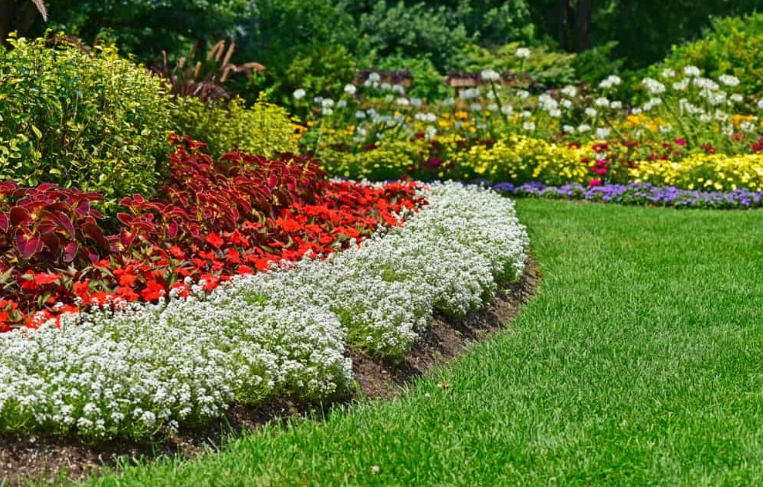
A border or edging plant has one job that matters more than almost any other trait: staying predictable. A plant that grows a genuinely different size from what its label promised, or spreads unevenly, or flops open in the middle after a few seasons, ruins the entire visual effect a border is meant to create, since the whole point is a clean, deliberate line rather than an accident of nature. That’s really what separates a true border plant from any other low, attractive species, predictable, consistent habit matters more here than almost anywhere else in a landscape.
Borders do genuine functional work beyond decoration too, marking a clear visual transition between a lawn and a planting bed, framing a walkway, or defining the edge of a larger garden so the whole space reads as intentional rather than haphazard. Some border plants do that job through a naturally tight, compact growth habit that needs little intervention, while others depend on regular shearing to hold a crisp line, the difference between a low perennial that simply stays where it’s planted and a boxwood hedge that needs a trim twice a year to look genuinely tidy.
Height matters as much as habit here, since an effective border generally stays shorter than whatever it’s edging, whether that’s a taller bed behind it or an adjacent lawn it needs to visually separate without obscuring. The Missouri Botanical Garden’s plant finder lets you filter specifically by mature height and spread, which matters more for a border planting than almost any other landscaping decision. What follows covers 50 of the best plants for borders or edging.
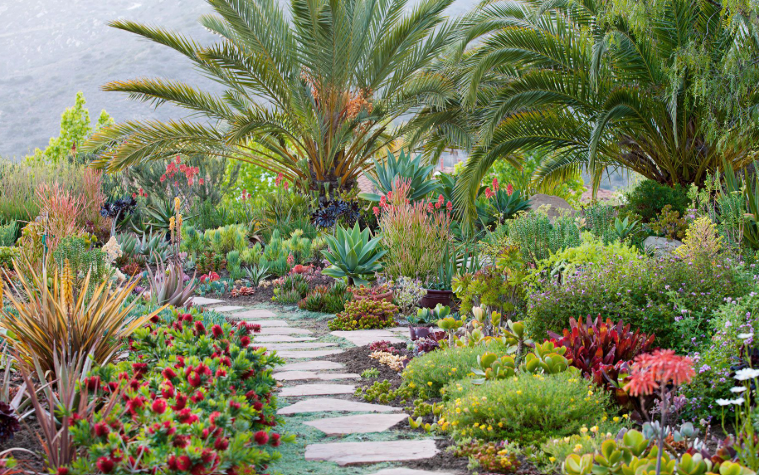
Boxwood
Boxwood forms a dense, naturally rounded evergreen shrub that holds a crisp, sheared line better than almost any other border plant available, making it the classic choice for a formal edge. Its fine, small leaves stay attractive year-round in most climates.
It tolerates a range of soil types and light conditions, needing regular shearing to maintain the tightest, most formal border look.
Dwarf Boxwood
Dwarf boxwood shares standard boxwood’s dense, evergreen structure on a considerably more compact scale, requiring even less pruning to hold a tidy line. Its naturally small stature suits a shorter, more restrained border than the full-sized species would allow.
It tolerates a range of soil types, growing slowly enough that it rarely outpaces its intended border height.
Germander
Germander produces small purple flowers on aromatic, evergreen, gray-green foliage that takes remarkably well to shearing into a crisp, low formal hedge. Its dense growth habit has made it a traditional choice for a knot garden border.
It wants full sun and sharp drainage, tolerating considerable neglect once its roots are established.
English Lavender
English lavender forms a naturally rounded, compact mound of silvery, fragrant foliage that works beautifully as an informal border, its purple flower spikes adding both color and scent along a path edge. Its predictable, tidy growth habit suits a sunny border particularly well.
It demands sharp drainage, since a wet border spot poses more risk to lavender than summer heat ever does.
Lavender Cotton
Lavender cotton produces tightly coiled, silvery, aromatic foliage on a low, mounding plant that holds a neat, compact shape with minimal shearing. Its fine texture provides a distinct visual contrast against greener border neighbors.
It wants full sun and sharp drainage, working particularly well as a low, formal edging plant in a Mediterranean-style garden.
Dwarf Yaupon Holly
Dwarf yaupon holly stays naturally low and dense without the pruning a full-sized yaupon eventually needs, its fine evergreen foliage providing tidy, predictable border structure. Its considerable drought tolerance makes it a low-maintenance choice once established.
It tolerates poor, sandy soil and drought considerably better than many other evergreen border options.
Japanese Holly
Japanese holly produces small, boxwood-like evergreen leaves on a dense shrub that holds a sheared line nearly as well as true boxwood, making it a popular substitute in regions where boxwood struggles with disease. Its fine texture works well in both a formal hedge and a looser border.
It tolerates a range of soil and light conditions, needing minimal fertilizer once its root system is established.
Creeping Phlox
Creeping phlox forms a dense, low, mat-like groundcover that erupts into vivid pink, purple, or white flowers each spring, staying genuinely compact enough to define a clean border edge without spreading unpredictably. Its evergreen to semi-evergreen foliage provides some structure through the rest of the year.
It tolerates poor, rocky soil and full sun, thriving in exactly the lean conditions a border bed commonly presents.
Candytuft
Candytuft forms a low, spreading evergreen mound covered in white flowers each spring, staying tidy and predictable enough to hold a genuinely crisp border line with minimal intervention. Its evergreen foliage provides year-round structure even outside the bloom period.
It tolerates poor, well-drained soil and full sun, needing only an occasional post-bloom shearing to stay neat.
Dianthus
Dianthus produces small, fragrant, often fringed flowers in shades of pink, red, and white on a genuinely compact, low-growing plant well suited to a border edge. Its predictable size keeps it from ever overtaking the bed it’s meant to frame.
It tolerates full sun and well-drained soil, tolerating considerable heat once established.
Liriope
Liriope forms dense, grass-like clumps that spread gradually but predictably, its purple flower spikes in late summer adding seasonal interest to an otherwise foliage-focused border. Its considerable tolerance for both sun and shade makes it a flexible choice along a variable border.
It tolerates a wide range of light and soil conditions, remaining one of the more forgiving border plants available.
Dwarf Hosta
Dwarf hosta forms a tight, compact mound of foliage considerably smaller than standard hosta varieties, making it genuinely well suited to a shaded border where a larger hosta would overwhelm the space. Its predictable, slow-spreading habit keeps a border line clean for years.
It tolerates partial to full shade and consistently moist soil, staying considerably more restrained than its larger relatives.
Coral Bells
Coral bells produce mounds of colorful foliage, ranging from deep purple to lime green depending on the cultivar, providing genuine year-round border color beyond its modest flower spikes. Its compact, predictable size makes it a popular shade-border staple.
It tolerates partial shade and well-drained soil, valued as much for foliage color as for its actual flowers.
Lamb’s Ear
Lamb’s ear produces soft, velvety, silver-gray leaves that form a genuinely tactile, low-growing border, its fuzzy texture inviting touch in a way few other edging plants can match. Its pale color also provides useful visual contrast against darker foliage nearby.
It tolerates poor, dry soil and full sun, spreading readily enough to need occasional division to keep a border tidy.
Catmint
Catmint produces long-blooming spikes of small lavender-blue flowers on a low, mounding plant that holds its shape reliably along a sunny border. Its aromatic gray-green foliage provides attractive texture even between bloom flushes.
It thrives in full sun and well-drained soil, often reblooming with a simple midsummer shearing to keep the border neat.
Creeping Thyme
Creeping thyme forms a low, fragrant, evergreen mat that stays genuinely flush to the ground, making it one of the most reliable choices for softening a hard path or patio edge. Its fine texture releases a pleasant scent when brushed against.
It wants full sun and excellent drainage, thriving in exactly the lean conditions a border along a sunny walkway commonly provides.
Sweet Alyssum
Sweet alyssum produces dense clusters of tiny, fragrant white or purple flowers that form a low, spreading mat, offering an easy, reliable border of color for a single growing season. Its honey-like scent is a genuine bonus along a frequently walked path.
It thrives in full sun to partial shade and well-drained soil, often self-seeding readily once established.
Ajuga
Ajuga spreads via runners into a dense, low mat, its genuinely aggressive growth habit useful for a border that needs to fill in quickly. Its blue flower spikes in spring add a burst of color atop the foliage.
It tolerates shade and a range of soil conditions, spreading vigorously enough that it benefits from a physical edge or barrier to keep it within its intended border line.
Blue Fescue
Blue fescue forms a tight, low clump of fine, silvery-blue foliage, its predictable, non-spreading habit making it a genuinely reliable choice for a formal border line. Its compact size suits a smaller bed particularly well.
It needs excellent drainage and full sun, struggling in anything consistently damp or shaded.
Stonecrop Sedum
Stonecrop sedum spreads into a low, fleshy-leaved mat that tolerates genuine drought and poor soil, holding a predictable border shape with minimal maintenance. Its considerable color and texture variety across different cultivars adds real visual interest.
It needs excellent drainage above nearly everything else, since standing water poses more risk than any amount of border-related neglect.
Dwarf Daylily
Dwarf daylily forms a considerably more compact mound than standard daylily varieties, staying genuinely well suited to a border’s tighter scale while still producing reliable, colorful summer blooms. Its predictable size keeps a border edge from becoming overgrown.
It tolerates a wide range of soil and light conditions, remaining one of the most forgiving border perennials available.
Lily of the Valley
Lily of the valley produces small, intensely fragrant white bell-shaped flowers on a low, spreading groundcover well suited to a shaded border edge. Its considerable fragrance is a genuine sensory bonus along a shaded path.
It tolerates significant shade and consistently moist soil, spreading readily enough to fill in a border within a couple of seasons.
Dwarf Astilbe
Dwarf astilbe produces feathery, plume-like flower spikes in shades of pink, red, and white on a genuinely compact plant well suited to a shaded border’s tighter scale. Its fine, fern-like foliage provides attractive texture even before flowering.
It tolerates consistently moist soil and partial to full shade, struggling considerably if the soil dries out even briefly.
Marigold
Marigold produces dense, long-blooming flower heads in warm shades of orange and yellow, offering a reliable, inexpensive seasonal border refreshed each year from seed. Its strong scent is sometimes credited with deterring certain garden pests.
It thrives in full sun and average soil, blooming reliably with minimal care required.
Dwarf Zinnia
Dwarf zinnia produces the same flat, daisy-like flowers as standard zinnia varieties on a considerably more compact plant genuinely suited to a border’s scale rather than a taller cutting garden. Its long bloom period provides reliable seasonal color.
It thrives in full sun and well-drained soil, staying compact enough to hold a tidy border line all season.
Wax Begonia
Wax begonia produces small, reliable flowers on a genuinely compact, mounding plant well suited to a shaded or partly shaded border. Its glossy foliage stays attractive even between bloom flushes.
It thrives in shade to partial shade, tolerating heat and humidity better than many other common bedding border plants.
Impatiens
Impatiens produces continuous, flat-faced flowers in a wide range of colors on a compact, predictable plant well suited to a shaded border edge. Its reliable, low-maintenance nature has made it a border staple for generations.
It thrives in shade to partial shade, providing continuous color through a season too dim for most sun-loving border plants.
Edging Lobelia
Edging lobelia produces a low, mounding mass of tiny, vivid blue flowers specifically bred for border use, its name reflecting exactly the role it’s meant to play. Its intense color reads as a genuine ribbon of blue along a path or bed edge.
It thrives in partial shade to full sun in a cooler climate, struggling considerably through the most intense heat of a genuinely hot summer.
Dusty Miller
Dusty miller produces finely cut, silvery-white foliage on a compact, low-growing plant valued specifically for the visual contrast it provides against brighter border neighbors. Its foliage, rather than any flower, is the entire point of including it.
It thrives in full sun and well-drained soil, tolerating heat and drought considerably better than many flowering border annuals.
Ageratum
Ageratum produces dense, fuzzy clusters of small blue or purple flowers on a low, mounding plant well suited to a tidy border line. Its compact habit keeps it from ever crowding a bed’s main plantings.
It thrives in full sun to partial shade, blooming reliably from summer through the first frost.
Mondo Grass
Mondo grass forms dense, grass-like tufts considerably finer and more compact than liriope, its slow, predictable spread making it a favorite for a formal, low-profile border. Its dark green color provides a genuinely neutral backdrop for showier plants nearby.
It tolerates shade and a range of soil conditions, growing slowly enough that a border planting holds its shape for years without division.
Dwarf Fountain Grass
Dwarf fountain grass forms a compact, arching clump considerably smaller than standard fountain grass varieties, its fuzzy, bottlebrush-like flower spikes providing genuine texture along a sunny border. Its predictable, restrained size keeps it well suited to a tighter planting scale.
It thrives in full sun and well-drained soil, staying compact enough to avoid overwhelming a smaller bed’s border line.
Blue Oat Grass
Blue oat grass forms a tidy, rounded clump of steel-blue foliage, its predictable, non-aggressive spread making it a reliable choice for a formal or semi-formal border. Its color provides a genuine cool contrast against greener border neighbors.
It needs sharp drainage and full sun, holding its color and tight form best in exactly those conditions.
Curly Parsley
Curly parsley forms a dense, ruffled mound of bright green foliage that doubles as both an ornamental border edge and a genuinely useful kitchen herb. Its tidy, compact habit has made it a classic choice for framing a vegetable or herb garden bed.
It tolerates full sun to partial shade and consistently moist soil, growing as a biennial that flowers in its second year.
Chives
Chives form a compact, grass-like clump topped with edible purple pom-pom flowers, staying genuinely tidy enough to hold a clean border line while doubling as a useful culinary herb. Their reliable, predictable size makes them a practical low-maintenance edging choice.
They tolerate a range of soil conditions and ask for very little beyond consistent sun.
Prostrate Rosemary
Prostrate rosemary spreads in a low, trailing form rather than growing upright, its aromatic foliage genuinely well suited to softening the edge of a sunny path or patio border. Its small blue flowers add subtle seasonal interest.
It wants full sun and excellent drainage, thriving in exactly the lean, dry conditions a sun-baked border commonly provides.
Grape Hyacinth
Grape hyacinth produces small spikes of tightly clustered blue flowers in early spring, its diminutive size and reliably predictable spread making it a classic bulb choice for edging a bed or path. Its foliage dies back naturally by early summer, leaving room for other border plants to take over.
It grows from a bulb planted in fall, tolerating a range of soil conditions with essentially no ongoing care required.
Crocus
Crocus provides some of the earliest spring color of any bulb, its small size keeping it genuinely unobtrusive along a border edge even before other plants have emerged for the season. Its brief but cheerful bloom is a welcome first sign of spring.
It grows from a corm planted in fall, tolerating a range of soil conditions with minimal ongoing care.
Periwinkle
Periwinkle spreads readily via trailing stems that root as they touch soil, forming a genuinely dense evergreen mat well suited to a shaded border. It’s become invasive in parts of the country, so its spreading vigor is worth managing carefully near any adjacent natural area.
It tolerates significant shade and poor soil, staying evergreen through winter when many other border plants have died back.
Pachysandra
Pachysandra spreads via underground rhizomes into a dense, evergreen groundcover genuinely well suited to a shaded border where grass or sun-loving edging plants would struggle. Its glossy foliage provides consistent, low-maintenance coverage once established.
It tolerates significant shade and a range of soil conditions, taking a season or 2 to fill in completely along a border’s full length.
Sweet Woodruff
Sweet woodruff spreads into a fragrant, low, shade-tolerant groundcover mat genuinely well suited to defining a shaded border edge. Its small white spring flowers add delicate seasonal interest.
It tolerates significant shade and consistently moist soil, thriving specifically in the damp, shaded conditions many other border plants can’t handle.
Creeping Juniper
Creeping juniper spreads into a dense, low evergreen mat that holds a predictable border line year-round, tolerating poor, rocky soil that would challenge many other edging plants. Its needled foliage stays attractive through winter when many other border plants have died back.
It tolerates full sun and drought well, thriving on a dry, sun-exposed border where consistent moisture isn’t guaranteed.
Snow-in-Summer
Snow-in-summer produces a low, spreading mat of silvery foliage covered in small white flowers each late spring, its striking pale color creating a genuinely bright, distinct border line. Its considerable drought tolerance once established makes it a genuinely low-maintenance choice.
It tolerates poor, dry soil and full sun, spreading readily enough to need occasional division to keep a border tidy.
Moss Rose
Moss rose produces vividly colored, rose-like flowers on a low, succulent, sprawling plant genuinely well suited to a hot, dry border where little else performs as reliably. Its flowers typically close by afternoon, opening fresh again each sunny morning.
It thrives in full sun and poor, well-drained soil, tolerating genuine heat and drought with real ease.
Nasturtium
Nasturtium produces bold, brightly colored flowers on a sprawling or trailing plant that softens a hard border edge with genuine cascading color. Both its flowers and leaves add a peppery flavor to salads if harvested for the kitchen.
It thrives in average to poor soil and full sun, tolerating considerable neglect once established.
Hens and Chicks
Hens and chicks form tight rosettes of fleshy leaves that spread slowly and predictably via small offset plants, genuinely well suited to a rock or gravel border where their drought tolerance shines. Their considerable variety in color and rosette shape adds real textural interest.
They need excellent drainage above nearly everything else, thriving on genuine neglect in lean, rocky border soil.
Society Garlic
Society garlic stays evergreen through a mild winter, its grass-like leaves and small pink flower clusters carrying a mild, usable garlic flavor along a genuinely low-maintenance border. Its compact, predictable size keeps a border line clean for years.
It tolerates poor soil and drought remarkably well once established, asking for little beyond a reasonably sunny spot.
Dwarf Salvia
Dwarf salvia produces spikes of tubular flowers on a considerably more compact plant than standard salvia varieties, genuinely well suited to a border’s tighter scale. Its long bloom period provides reliable seasonal color along the edge of a bed.
It thrives in full sun and well-drained soil, staying compact enough to avoid overwhelming a smaller border planting.
Verbena
Verbena produces dense clusters of small tubular flowers in red, purple, and pink on a genuinely low, spreading plant well suited to cascading softly over a border’s edge. Its long bloom period through summer and fall provides reliable color.
It thrives in full sun and well-drained soil, tolerating heat and drought considerably better than many other border bedding plants.
Sea Thrift
Sea thrift forms tight, low, grass-like mounds topped with small pink or white pom-pom flowers, its predictable, compact habit making it a reliable choice for a sunny, well-drained border. Its considerable salt and drought tolerance suits a coastal or roadside border particularly well.
It tolerates salt spray, poor soil, and drought remarkably well, reflecting its origin as a genuine coastal cliff-dwelling species.
Key Takeaways
Plants for borders or edging can help define garden beds, pathways, lawns, and other landscape areas while adding color, texture, and structure. Flowers, ornamental grasses, ground covers, shrubs, and foliage plants can create different effects depending on their height, growth habit, and appearance.
Choosing suitable border plants depends on climate, soil type, sunlight, available space, and maintenance requirements. Low-growing and compact varieties are often useful for edging, while taller plants can create a layered border. Considering mature size and spreading habits can also prevent plants from overcrowding paths or nearby areas.
A well-planned border can combine plants with different foliage textures, colors, and flowering periods for year-round interest. Proper spacing, watering, pruning, and soil preparation can help plants establish successfully while keeping garden edges neat and attractive.