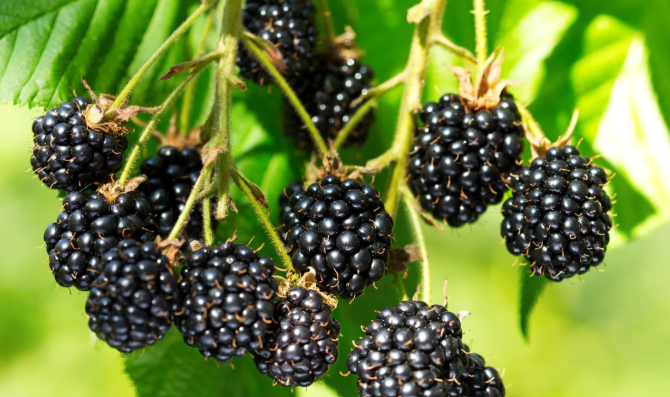
Blackberries are among the most rewarding berry crops for home gardeners and commercial growers alike. Belonging to the genus Rubus in the rose family (Rosaceae), blackberries are prized for their sweet-tart flavor, juicy texture, and exceptional nutritional value. They are native to many parts of Europe, Asia, and North America, where wild species have been harvested for thousands of years. Modern blackberry varieties have been selectively bred to produce larger fruits, improved sweetness, higher yields, fewer thorns, and greater disease resistance.
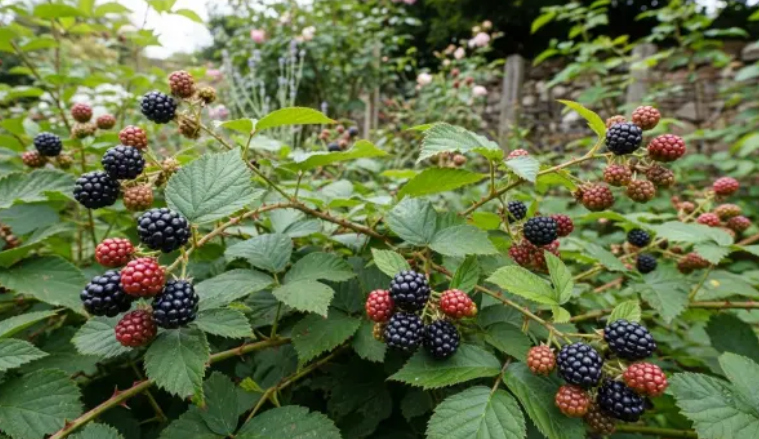
Blackberry plants are perennial shrubs that produce long canes, which may be erect, semi-erect, or trailing depending on the variety. Most cultivars produce fruit on second-year canes known as floricanes, while newer primocane-fruiting varieties bear fruit on first-year growth, extending the harvest season. Blackberry fruits ripen from green to red before developing their characteristic deep purple-black color, signaling peak sweetness and flavor.
Blackberries are rich in vitamin C, vitamin K, manganese, dietary fiber, and antioxidants such as anthocyanins and ellagic acid. These nutrients contribute to heart health, immune function, digestive health, and protection against oxidative stress. Their versatility makes them ideal for fresh eating, jams, pies, cobblers, smoothies, wines, syrups, and frozen desserts. Because the berries freeze well, they can also be enjoyed long after the harvest season ends.
Today, blackberry breeding programs in the United States, United Kingdom, and other countries have produced numerous outstanding cultivars suited to different climates and growing conditions. Whether you prefer thornless varieties for easy harvesting, giant berries for fresh eating, or highly productive cultivars for preserving, there is a blackberry variety suitable for nearly every garden.
Also Read: Exotic Fruits
Best BlackBerry Variety To Grow
1. Apache
Apache is a thornless blackberry developed by the University of Arkansas, United States, and released in 1999. It is known for producing exceptionally large, glossy black berries with a sweet, balanced flavor and excellent firmness. The erect canes require little support and are highly productive throughout midsummer. Apache also offers good resistance to common blackberry diseases, making it one of the most popular thornless cultivars for home gardens and commercial production.
2. Arapaho
Arapaho was developed by the University of Arkansas, United States, and introduced in 1993. It was the first erect, thornless blackberry cultivar to ripen very early in the season. The medium-sized berries are firm, sweet, and flavorful with small seeds that enhance their fresh-eating quality. Arapaho plants are vigorous, winter hardy, and well suited to backyard gardens where an early harvest is desired.
3. Ouachita
Ouachita is another outstanding thornless blackberry developed by the University of Arkansas and released in 2003. It produces abundant crops of medium to large berries with outstanding sweetness, firmness, and shelf life. The erect canes are vigorous and highly productive while showing excellent resistance to heat and common diseases. Ouachita is widely planted by commercial growers because of its reliable yields and excellent shipping quality.
4. Navaho
Navaho was developed by the University of Arkansas and became one of the first successful thornless erect blackberry cultivars. It produces medium-sized berries with exceptional sweetness, rich blackberry flavor, and a long harvest season. Unlike many older varieties, Navaho fruits remain firm even in warm weather, making them excellent for fresh markets and home use. The plants are productive, disease resistant, and relatively easy to maintain.
5. Osage
Osage is a thornless blackberry introduced by the University of Arkansas in 2012. It was specifically bred to emphasize outstanding flavor while maintaining excellent fruit quality. The glossy berries are medium-sized with remarkable sweetness and a pleasant aroma that many growers consider among the finest of any blackberry. Osage plants are erect, vigorous, and produce reliable harvests over an extended picking season.
6. Prime-Ark® Freedom
Prime-Ark® Freedom was developed by the University of Arkansas and released in 2013 as the world’s first thornless primocane-fruiting blackberry. This revolutionary variety produces fruit on both first-year and second-year canes, significantly extending the harvest season. The very large berries are juicy, sweet, and ideal for fresh eating. Gardeners appreciate its thornless canes, excellent productivity, and ability to provide two harvests in favorable climates.
7. Prime-Ark® Traveler
Prime-Ark® Traveler is another innovative cultivar developed by the University of Arkansas. It produces thornless primocane fruit with exceptional firmness, making it suitable for shipping as well as home gardens. The medium to large berries have excellent sweetness balanced by mild acidity. Traveler is especially valued for its attractive appearance, long shelf life, and continuous fruit production.
8. Triple Crown
Triple Crown was developed through a cooperative breeding program involving the United States Department of Agriculture (USDA) and the Pacific Northwest Agricultural Research Service in Maryland, United States. This semi-erect thornless variety produces large, glossy berries with exceptional sweetness and complex blackberry flavor. Triple Crown is famous for its vigorous growth, heavy yields, and extended harvest period that often lasts several weeks.
9. Chester Thornless
Chester Thornless was developed by the USDA Agricultural Research Service in Beltsville, Maryland, United States, and released in the 1980s. It is among the most cold-hardy thornless blackberry cultivars available. The large berries are firm, mildly sweet, and excellent for fresh eating, freezing, baking, and jam making. Chester Thornless plants are extremely productive and continue fruiting well into late summer.
10. Black Satin
Black Satin was developed by the USDA Agricultural Research Service in Illinois, United States. It produces large, glossy berries with a rich, slightly tart flavor that becomes sweeter when fully ripe. The vigorous semi-erect canes are thornless and highly productive. Black Satin remains a popular variety for gardeners seeking dependable harvests and excellent berries for pies, preserves, and fresh consumption.
11. Loch Ness
Loch Ness is a thornless blackberry developed by the Scottish Crop Research Institute in Scotland, United Kingdom. It produces abundant crops of firm, shiny black berries with excellent sweetness and long storage life. The semi-erect plants are compact, vigorous, and highly productive, making them suitable for both home gardens and commercial orchards. Loch Ness is especially popular throughout Europe because of its consistent yields and attractive fruit.
12. Loch Tay
Loch Tay was developed by the James Hutton Institute (formerly the Scottish Crop Research Institute) in Scotland. This early-ripening thornless variety produces medium-sized berries with excellent sweetness and rich flavor. The compact plants are vigorous, easy to manage, and suitable for smaller gardens. Loch Tay also demonstrates good disease resistance and reliable productivity under cool growing conditions.
Also Read: Seasonal Fruits In July
13. Columbia Star
Columbia Star was developed by Oregon State University, United States, as part of its renowned blackberry breeding program. It is a trailing thornless variety producing exceptionally large berries with outstanding flavor and very small seeds. Columbia Star offers excellent sweetness, high yields, and superior processing quality for jams, juices, and frozen products. The vigorous vines thrive when grown on trellises.
14. Marionberry
Marionberry was developed by the United States Department of Agriculture and Oregon State University in Oregon, United States, and released in 1956. Often considered the “king of blackberries,” it produces elongated berries with an exceptionally rich, aromatic flavor prized for pies, jams, wines, and desserts. Although technically a blackberry hybrid, Marionberry remains one of the most commercially important berry cultivars in the Pacific Northwest.
15. Boysenberry
Boysenberry was developed in California, United States, during the 1920s by horticulturist Rudolph Boysen. It is a complex hybrid involving blackberry, raspberry, dewberry, and loganberry ancestry. The large maroon-purple fruits possess an intense sweet-tart flavor and rich aroma that make them highly prized for fresh eating, jams, syrups, and baked goods. The vigorous trailing vines require trellising and perform best in regions with mild winters.
16. Kiowa
Kiowa was developed by the University of Arkansas, United States, and released in 1996. It is famous for producing some of the largest blackberries ever developed, with individual berries often measuring over 3 inches (7.5 cm) long. The fruits are glossy black, juicy, and sweet with a mild tart finish. Although the canes are thorny, Kiowa remains popular because of its exceptionally large fruit size, extended harvest season, and excellent fresh-eating quality.
17. Natchez
Natchez is a thornless blackberry developed by the University of Arkansas and introduced in 2007. It is one of the earliest ripening thornless cultivars and produces long, attractive berries with outstanding sweetness and firmness. The vigorous erect canes yield abundant crops suitable for fresh markets, home gardens, and commercial farms. Natchez is also known for its excellent shelf life and disease resistance.
18. Ponca
Ponca was developed by the University of Arkansas and released in 2019 after years of selective breeding. It is considered one of the sweetest blackberry varieties available, producing medium-sized berries with exceptional flavor and aroma. The thornless erect plants are highly productive and easy to harvest, making Ponca an excellent choice for gardeners who prioritize taste above all else.
19. Caddo
Caddo is another thornless variety developed by the University of Arkansas. Released in 2021, it produces large, glossy berries with excellent sweetness, firmness, and attractive appearance. The vigorous plants tolerate heat well and consistently produce high yields. Caddo has quickly gained popularity among commercial growers because of its shipping quality and dependable performance.
20. Sweet-Ark® Caddo
Sweet-Ark® Caddo is the commercial trademarked release of the University of Arkansas breeding program. It combines high productivity with exceptionally sweet berries that hold their quality well after harvest. The thornless canes make harvesting comfortable, while the large fruits are excellent for fresh eating, freezing, and making preserves.
21. Freedom
Freedom is a primocane-fruiting blackberry developed by the University of Arkansas. It produces very large berries on both first-year and second-year canes, allowing gardeners to enjoy a longer harvest season. The thornless plants are vigorous and produce sweet, juicy fruits with excellent flavor. Freedom performs especially well in regions with long growing seasons.
22. Hull Thornless
Hull Thornless was developed by the USDA Agricultural Research Service in Maryland, United States. It produces medium to large berries with excellent sweetness and firm texture. The semi-erect thornless plants are vigorous, productive, and winter hardy. Hull Thornless has remained a dependable variety for decades because of its reliable yields and ease of harvesting.
23. Dirksen Thornless
Dirksen Thornless was developed by the USDA Agricultural Research Service in Illinois, United States. It produces medium-sized berries with a rich blackberry flavor and moderate sweetness. The vigorous thornless canes are easy to train on trellises and produce heavy crops during midsummer. It is particularly valued by home gardeners seeking low-maintenance blackberry plants.
24. Doyle’s Thornless
Doyle’s Thornless originated in Indiana, United States, where it was discovered and later introduced by Tom Doyle. It gained attention for its extraordinary productivity, with mature plants reportedly capable of producing hundreds of pounds of berries under ideal conditions. The thornless vines produce medium-sized, sweet berries suitable for fresh eating, freezing, and processing.
25. Kotata
Kotata was developed by Oregon State University, United States, and released in 1989. This trailing blackberry produces medium-sized fruits with a rich, complex flavor that balances sweetness with pleasant acidity. Kotata performs exceptionally well in the cool, moist climate of the Pacific Northwest and is widely used for premium jams, pies, and frozen fruit.
26. Siskiyou
Siskiyou was developed by Oregon State University and released in 1999. It produces exceptionally large, elongated berries with excellent sweetness, rich aroma, and attractive glossy skin. The vigorous trailing vines require trellising and perform best in regions with mild winters. Siskiyou is highly regarded by both commercial growers and home gardeners for its superior fruit quality.
27. Obsidian
Obsidian was developed by Oregon State University and introduced in 2005. It is one of the earliest ripening trailing blackberry varieties available. The large berries have a glossy black appearance, outstanding sweetness, and excellent flavor that makes them ideal for fresh markets. Obsidian’s early harvest allows growers to extend the blackberry season before many other cultivars begin producing.
Also Read: Fruits In Season During Summer
28. Columbia Giant
Columbia Giant was developed by Oregon State University as part of its advanced blackberry breeding program. This thornless trailing variety produces enormous berries that often rank among the largest commercially available blackberries. The fruits combine exceptional sweetness, firm texture, and excellent shelf life, making them ideal for both fresh consumption and commercial production.
29. Columbia Sunrise
Columbia Sunrise was developed by Oregon State University and released as an early-season trailing blackberry. It produces large, firm berries with a pleasant balance of sweetness and mild acidity. The thornless plants are vigorous and productive, providing growers with high-quality fruit at the beginning of the blackberry harvest season. The berries are suitable for fresh eating, freezing, and processing.
30. Loch Maree
Loch Maree was developed by the James Hutton Institute in Scotland, United Kingdom. This modern thornless blackberry produces medium to large berries with excellent sweetness, glossy appearance, and firm texture. The compact, semi-erect plants are highly productive and well suited to cooler climates. Loch Maree is valued for its disease resistance, ease of cultivation, and consistent harvests, making it an excellent choice for both home gardeners and commercial growers.
Conclusion
Blackberries offer gardeners an impressive selection of varieties, ranging from thornless cultivars that simplify harvesting to giant-fruited selections prized for fresh eating and preserving. Modern breeding programs in the United States, Scotland, and other regions have produced cultivars with improved flavor, disease resistance, productivity, and adaptability to diverse growing conditions.
Whether you choose classics like Marionberry, Apache, and Triple Crown or newer introductions such as Ponca, Caddo, and Columbia Giant, growing multiple blackberry varieties can provide an extended harvest season and a steady supply of delicious, nutrient-rich berries. With proper care, blackberry plants can remain productive for many years, rewarding gardeners with abundant harvests of flavorful fruit.