Prohibited or banned plants in California work through a rating system that’s considerably more granular than a simple yes-or-no ban, and according to the California Department of Food and Agriculture’s Encycloweedia, a noxious weed is any plant that’s been formally defined as a pest by law or regulation, with California’s own list differing significantly from the federal government’s. Within that state system, a designation known as an A-rating carries the most weight, since A-rated pests are prohibited from entering the state entirely and may be placed under official control by county agricultural commissioners wherever they’re found.
That A-rating doesn’t always mean a plant is already widespread, and a California pest rating profile for giant hogweed makes that distinction clear: the species carries a full A-rating despite not yet having been detected anywhere in the state, a preemptive restriction meant to keep it out entirely rather than manage an existing infestation. Other entries on this list tell the opposite story, arriving decades ago and now subject to active, ongoing eradication efforts in specific counties even though the plant is formally illegal to produce or sell statewide.
According to University of California, Davis’s California Crop Improvement Association, the state’s prohibited and restricted noxious weed list spans everything from parasitic dodder species to aggressive knotweeds to aquatic plants capable of clogging entire waterways, reflecting just how broad California’s regulatory net has had to become. The list is also a living document, and California continues adding newly detected threats, including Egyptian broomrape, added to the state’s prohibited noxious weed seed list in 2025 after the pest was discovered infesting a seed sunflower field in Solano County.
These plants span agricultural fields, coastal wetlands, and mountain waterways throughout California. What follows covers 21 prohibited or banned plants in California, along with where each one is found and the data behind its regulatory status.
Hydrilla
Hydrilla, according to a California Department of Food and Agriculture pest rating proposal, carries an A-rating under Section 5004 of the state’s Food and Agricultural Code, with state law prohibiting its production or sale throughout California entirely. It’s a submerged aquatic plant capable of growing in both fresh and slightly brackish water, forming dense mats that obstruct waterways and interfere with irrigation and recreation alike.
It’s under official eradication in 9 California counties, including Calaveras, Imperial, Lake, Madera, Mariposa, Nevada, Shasta, Tulare, and Yuba, according to the same state pest rating documentation. It’s also listed as a noxious or prohibited weed in at least 17 other states, making it one of the most widely regulated aquatic plants in the entire country.
Giant Hogweed
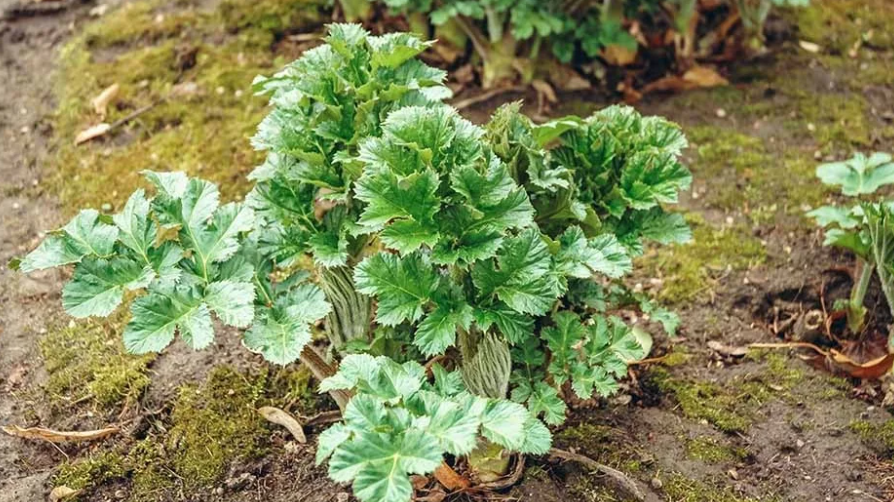
Giant hogweed, according to a California Department of Food and Agriculture pest rating profile, carries an A-rating despite not yet having been detected anywhere in the state, a preemptive measure given the severe photosensitizing burns its sap causes on contact with skin and sunlight. In its first year, the plant produces a large mound of coarse, compound basal leaves that can reach up to 3 feet long before sending up its towering, second-year flowering stalk.
It’s established in 16 other U.S. states, primarily in the northeastern and northwestern regions of the country, giving California reasonable cause for concern given its documented invasive behavior in the climatically similar Pacific Northwest. Its A-rating is specifically intended to keep the species from ever gaining a foothold in California rather than managing an existing population.
Egyptian Broomrape
Egyptian broomrape is a parasitic plant lacking chlorophyll of its own, instead tapping directly into the root systems of host crops like sunflowers to draw the water and nutrients it needs to survive. It was added to California’s Prohibited Noxious Weed Seed list in 2025 after the Department of Food and Agriculture discovered it infesting a field of seed sunflowers in Solano County.
It carries an A-rating under the state’s pest classification system, reflecting the high risk it poses to California’s substantial sunflower and other row-crop seed production. Its parasitic lifecycle makes it especially difficult to control using standard herbicide approaches, since treating the host plant risks the crop itself.
Yellow Starthistle
Yellow starthistle produces sharp, straw-colored spines radiating from each flower head, covering huge areas of California rangeland and roadside with a single, deeply taprooted plant capable of outcompeting more palatable native and pasture forage. It’s frequently cited alongside hydrilla as one of the state’s most economically significant noxious weeds given the sheer scale of California acreage it now occupies.
It’s found throughout much of the state, particularly in dry, disturbed grassland and rangeland where cattle generally avoid it once the spiny flower heads develop. Its extensive taproot allows it to access soil moisture unavailable to shallower-rooted native plants, giving it a considerable competitive advantage during California’s dry summers.
Purple Loosestrife
Purple loosestrife produces tall spikes of vivid magenta-purple flowers each summer, a display so attractive that it was originally sold as a garden ornamental before its aggressive wetland behavior became fully apparent. A single mature plant can produce well over a million seeds in a season, an output that’s allowed it to overwhelm native wetland vegetation wherever it establishes.
It’s found in scattered wetland locations throughout California and carries a noxious weed rating requiring active management wherever it’s discovered. It forms dense monocultures that crowd out the native marsh plants that waterfowl and other wildlife depend on for food and cover.
Scotch Broom
Scotch broom produces bright yellow, pea-like flowers on a dense, woody shrub that was originally introduced as an ornamental and for erosion control before its aggressive spread became a significant statewide concern. Its seeds remain viable in the soil for decades, allowing infestations to persist and resprout long after visible plants have been removed.
It’s established throughout much of coastal and northern California, particularly along roadsides and in recently disturbed or burned areas. Its dense growth crowds out native shrubs and can significantly increase wildfire fuel loads given its oily, highly flammable foliage.
French Broom
French broom closely resembles Scotch broom in its bright yellow flowers and dense, woody growth habit, though it tends to favor slightly different soil conditions and has become an even more severe problem in parts of coastal California. Like its close relative, it produces long-lived seed that persists in the soil bank for years after adult plants are removed.
It’s established throughout coastal California, particularly in the Bay Area and points north, forming dense thickets that displace native coastal scrub and grassland vegetation. Its rapid growth and prolific seeding have made it one of the priority targets for California’s regional invasive plant councils.
Japanese Knotweed
Japanese knotweed produces hollow, bamboo-like stems capable of pushing through cracks in pavement and building foundations as a colony expands, spreading through an extensive underground rhizome network that extends well beyond the visible canes. It appears directly on California’s prohibited and restricted noxious weed list.
It’s found in scattered infestations throughout parts of Northern California, particularly along waterways and in disturbed urban areas. Even a small fragment of rhizome left in the soil after removal attempts can regenerate an entirely new colony the following season.
Giant Knotweed
Giant knotweed, a larger relative of Japanese knotweed, produces enormous heart-shaped leaves on thick, hollow stems that can tower well over head height, and it appears alongside its more common relative on California’s prohibited and restricted noxious weed list. Its underground rhizome network can extend well beyond the visible canes, making it just as difficult to eliminate as Japanese knotweed once established.
It’s found in scattered infestations in parts of Northern California, favoring the same moist, disturbed streamside habitat as its smaller relative. Both knotweed species are frequently managed together given how easily they can be mistaken for one another in the field.
Bohemian Knotweed
Bohemian knotweed, a naturally occurring hybrid between Japanese and giant knotweed, combines traits from both parent species and appears on California’s prohibited and restricted noxious weed list in its own right. Its hybrid vigor can make it even more aggressive than either parent species alone in some growing conditions.
It’s found in scattered locations throughout Northern California wherever the 2 parent species happen to grow in close enough proximity for cross-pollination to occur. Distinguishing it from its parents in the field generally requires close examination of leaf shape and size, since the hybrid’s traits can vary considerably from one population to the next.
European Frogbit
European frogbit produces small, floating, heart-shaped leaves resembling a miniature water lily, forming dense surface mats that can block light and reduce oxygen levels in the water below. It appears on California’s prohibited and restricted noxious weed list given its documented capacity for rapid spread through connected waterway systems in other parts of the country.
It’s present in only limited locations within California, and its listing functions largely as a preventive measure given the severe infestations the species has caused throughout parts of the Great Lakes region. Its small floating leaves make it easy for a single fragment to spread unnoticed on boats, trailers, or waterfowl moving between water bodies.
Hygrophila
Hygrophila, also called Indian swampweed, produces narrow, bright green leaves on an aquatic plant that appears on California’s prohibited and restricted noxious weed list after escaping the aquarium trade in other states. Its ability to root from even small fragmented pieces makes accidental introduction from aquarium dumping a persistent, ongoing risk.
It’s not established in California’s waterways at this time, and its listing serves primarily to prevent the same kind of aquarium-trade escape that led to significant infestations in Florida and other warm-climate states. Its formal noxious weed status makes it illegal to sell, transport, or possess anywhere in California, including for home aquarium use.
Black Henbane
Black henbane produces sticky, foul-smelling leaves and pale yellow flowers veined in deep purple, and it appears on California’s prohibited and restricted noxious weed list given its genuine toxicity to livestock and humans alike. Every part of the plant contains tropane alkaloids capable of causing serious poisoning if ingested in sufficient quantity.
It’s found in scattered disturbed areas throughout parts of California, particularly along roadsides and in overgrazed pastureland. Its toxic alkaloid content, historically exploited for medicinal and even nefarious purposes throughout history, is precisely why the plant draws regulatory attention beyond its simple competitive impact on other vegetation.
Canary Island St. Johnswort
Canary Island St. Johnswort produces bright yellow, 5-petaled flowers on a shrubby plant that appears on California’s prohibited and restricted noxious weed list for its aggressive spread through the state’s coastal sage scrub habitat. Its dense growth crowds out native shrubs adapted to the same dry, Mediterranean-climate conditions the plant itself thrives in.
It’s established in parts of coastal Southern California, particularly favoring the same warm, dry hillsides prized for native coastal sage scrub restoration efforts. Its resemblance to several less problematic St. Johnswort relatives can make field identification a genuine challenge for land managers.
Quackgrass
Quackgrass spreads through an aggressive network of underground rhizomes, sending up narrow, somewhat coarse blades that closely resemble desirable turfgrass at a casual glance, and it appears on California’s prohibited and restricted noxious weed seed list specifically. Its rhizomes can regenerate an entirely new plant from even a small broken fragment left in the soil.
It’s found in scattered agricultural areas throughout California, where its regulatory status focuses heavily on preventing its spread through contaminated crop seed. Its resemblance to legitimate pasture and turf grasses makes it easy to accidentally introduce through improperly screened seed lots.
Artichoke Thistle
Artichoke thistle, a wild relative of the cultivated globe artichoke, produces large, spiny, silvery-gray leaves and towering purple thistle flowers, and it appears on California’s prohibited and restricted noxious weed list given its aggressive spread through the state’s grasslands. A single plant can produce a substantial taproot capable of resprouting even after the visible top growth is removed.
It’s established throughout parts of coastal and central California, particularly in grazed rangeland where its spiny foliage discourages cattle from eating it, giving it a competitive advantage over more palatable native forage. Its close relationship to cultivated artichoke can occasionally cause confusion during identification, despite the wild form’s considerably more aggressive growth habit.
Dodder
Dodder produces no chlorophyll of its own, appearing instead as tangled masses of yellow to orange thread-like stems wrapped around host plants from which it draws all its water and nutrients. Several dodder species appear on California’s prohibited and restricted noxious weed list given the serious economic damage the parasite can cause to host crops.
It’s found in scattered infestations throughout California’s agricultural regions, particularly wherever host plants create favorable conditions for the parasite to establish. Its seeds can remain viable in the soil for several years, making a single infestation a persistent, multi-year management challenge for growers.
Purple Nutsedge
Purple nutsedge produces grass-like foliage from a solid, triangular stem topped with reddish-purple flower clusters, and it appears on California’s prohibited and restricted noxious weed list as one of the most difficult agricultural weeds to eradicate anywhere in the world. Its underground tubers survive standard cultivation and many herbicide treatments, allowing it to persist in a field for years.
It’s found in scattered agricultural areas throughout California, particularly in warm, irrigated cropland where its tubers thrive. Its interconnected chain of underground tubers means a single plant can regenerate an entire new colony from just one surviving tuber left behind after control efforts.
Yellow Nutsedge
Yellow nutsedge closely resembles its purple-flowered relative, distinguished by its straw-colored flower clusters and slightly different tuber structure, and it appears on California’s prohibited and restricted noxious weed seed list. Its underground tubers, sometimes called nut grass for their small, hard, nutty growths, allow it to survive and resprout even after visible top growth is removed.
It’s found throughout agricultural fields and turf areas across much of California, particularly in poorly drained or over-irrigated soil. Its regulatory listing focuses heavily on preventing its spread through contaminated crop and turf seed rather than targeting existing infestations directly.
Giant Salvinia
Giant salvinia produces small, floating, hairy leaves that form dense mats capable of covering an entire pond or slow-moving waterway within weeks, and it’s listed on the Federal Noxious Weed List, which California recognizes and incorporates as state noxious weeds by reference. Its mats can grow thick enough to block sunlight to submerged native plants and deplete oxygen levels in the water below.
It’s found in scattered infestations in parts of California, spreading readily whenever fragments are transported on boats, trailers, or other equipment moved between water bodies. Its federal noxious weed status makes possession, transport, or sale illegal nationwide, not just within California.
Kudzu
Kudzu produces large, 3-lobed leaves on vigorous vines capable of growing 60 to 100 feet in a single season, and while it’s far less established in California than in the southeastern United States, the state maintains an A-rating for the species given its documented capacity for rapid, difficult-to-reverse spread. Its massive underground tubers store enough energy to let the vine regrow persistently even after years of cutting and herbicide treatment.
It’s found only in isolated, actively managed locations within California, where its rarity has made early eradication a realistic goal rather than the containment-only approach required in states where it’s already widespread. Its A-rating reflects a deliberate strategy of keeping the species from ever gaining the kind of foothold it has in the Deep South.
What to Remember
Prohibited or banned plants in California are regulated for reasons that can include threats to agriculture, native species, and the environment. California uses categories such as noxious weeds and prohibited noxious weed seeds, so the legal status of a plant can depend on the specific regulation involved.
Because California’s plant regulations can be updated, it is important to check the current rules before describing a species as prohibited or restricted. The California Department of Food and Agriculture (CDFA) maintains current regulatory information and its Plant Quarantine Manual summarizes state and county restrictions affecting plant material.
For gardeners and property owners, accurate identification is the first step. A plant being nonnative or invasive does not automatically mean it is legally prohibited, so checking the species against California’s current official lists helps avoid confusing invasive plants with legally regulated ones.
Further References
- California Noxious Weeds — CDFA — The most directly relevant source. It provides the California Noxious Weed List, identification information, data sheets, and weed-management resources.
- California Plant Health Regulations — CDFA — Official page for current California plant regulations, including Section 4500 (Noxious Weed Species) and Section 3854 (Prohibited Noxious Weed Seed).
- Prohibited and Restricted Noxious Weed Seed — CDFA — Specifically covers California’s prohibited and restricted noxious weed-seed regulations and links to the relevant regulatory documents.
- California Plant Quarantine Manual — CDFA — A comprehensive reference for current federal, state, and county restrictions affecting plants and other regulated plant material entering or moving within California.
- Plant Health — CDFA — The main California Department of Food and Agriculture Plant Health portal, with links to the Noxious Weed List, permits, plant-movement regulations, quarantines, and other official resources.