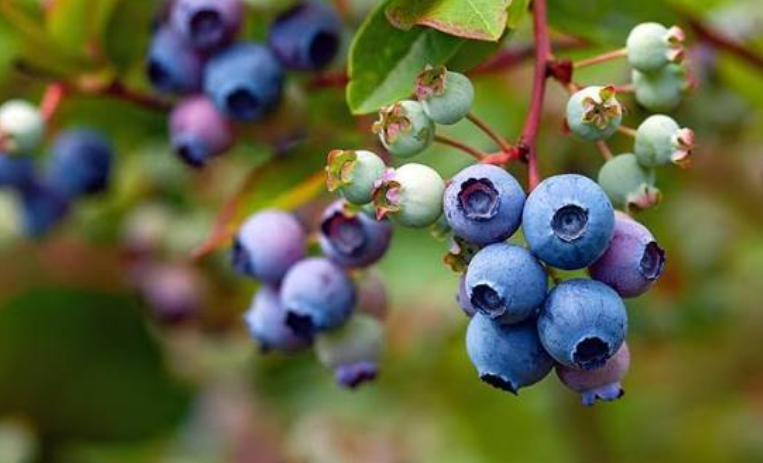
Growing huckleberries from seed is a rewarding project for patient gardeners. These native berry-producing shrubs are valued for their flavorful fruit, attractive foliage, and importance to wildlife, but they are not always as straightforward to propagate as common garden berries. Huckleberries belong to several groups within the heath family, and different species can have very different growing requirements.
The biggest challenge is usually seed germination. Many huckleberry seeds have dormancy requirements, meaning they may need a period of cold, moist conditions before they are ready to sprout. Germination can also be slow and uneven, so success often depends more on patience and consistent moisture than on complicated equipment.
If you have access to ripe huckleberries from a suitable species, however, starting plants from seed can be an enjoyable way to produce new shrubs. The following guide explains how to collect and prepare the seeds, provide the conditions they need, transplant young seedlings, and care for huckleberry plants as they mature.
Choose the Right Huckleberry Species
Before planting, identify the huckleberry species you want to grow. The name “huckleberry” is used for several different plants, including species of Vaccinium and Gaylussacia. Their preferred soil, climate, mature size, and propagation methods can differ.
Western huckleberries, such as red huckleberry (Vaccinium parvifolium) and evergreen huckleberry (Vaccinium ovatum), are particularly valued as native shrubs in parts of the Pacific Northwest. Other species are native to eastern North America.
Whenever possible, use seed from a plant that naturally grows in a climate similar to yours. Native-plant nurseries, botanical gardens, and reputable seed suppliers can be useful sources of correctly identified seed.
Step 1: Collect Fully Ripe Huckleberries
Start with fully ripe, healthy fruit. Depending on the species, ripe huckleberries can be red, purple, blue, or nearly black.
Pick fruit from healthy plants and avoid berries that are moldy, damaged, or obviously diseased. If collecting from the wild, make sure you have correctly identified the plant and are permitted to collect seed in that location.
Fresh fruit generally provides the easiest starting material because the seeds have not been exposed to prolonged drying or unfavorable storage conditions.
Step 2: Extract the Seeds
Place the ripe berries in a container and gently crush them in water. The goal is to separate the tiny seeds from the pulp without damaging them.
After mixing, the heavier seeds can often be separated from much of the fruit material by carefully pouring off the floating pulp and repeatedly adding clean water. Because huckleberry seeds are very small, work slowly.
Once separated, place the seeds on a clean surface or paper to remove excess moisture. Avoid exposing them to high heat or allowing them to dry excessively if you are preparing them for immediate stratification.
Also Read: Different Types of Huckleberries
Step 3: Prepare the Seeds for Cold Stratification
Many huckleberries have seeds that benefit from cold, moist stratification. This process imitates winter conditions and can help break seed dormancy.
Place the seeds in a small amount of damp, sterile material such as finely milled sphagnum moss or a suitable seed-starting medium. The material should be moist but not dripping wet.
Put the mixture in a sealed container or bag and place it in a refrigerator. Keep the temperature consistently cold but above freezing. The exact stratification period varies by species, so check species-specific propagation information when available.
Step 4: Sow the Huckleberry Seeds
After the required cold period, sow the seeds in a sterile, acidic seed-starting medium. Huckleberries generally prefer acidic growing conditions because many species naturally occur in acidic forest soils.
Because the seeds are tiny, avoid burying them deeply. Press them gently onto the surface and cover them only very lightly if necessary.
Place the container somewhere bright but protected from intense direct sunlight. A temperature suitable for seed germination and consistent moisture can help encourage sprouting.
Step 5: Keep the Growing Medium Moist
Huckleberry seeds and seedlings are particularly vulnerable to drying out. Check the containers regularly and maintain consistent moisture.
At the same time, avoid waterlogged conditions. Constantly saturated soil can encourage fungal problems and damage developing roots.
A fine mist or gentle watering method is preferable to a strong stream that could wash the tiny seeds away.
Step 6: Be Patient During Germination
One of the most important rules when growing huckleberries from seed is do not give up too quickly.
Germination may be slow and irregular. Some seeds may sprout earlier while others remain dormant for considerably longer. Species, seed freshness, stratification conditions, and temperature can all influence the process.
Continue providing appropriate moisture and growing conditions while monitoring the containers. Avoid repeatedly disturbing the seeds to see whether they have started germinating.
Step 7: Give Seedlings Plenty of Light
Once seedlings emerge, they need adequate light to develop strong stems and healthy foliage. Place them in bright light while protecting very young seedlings from excessive heat.
If seedlings become tall, thin, and weak, insufficient light may be the problem. Gradually provide stronger light rather than suddenly exposing delicate seedlings to intense sunlight.
Good air circulation is also helpful. Avoid overcrowding seedlings, particularly in humid environments.
Also Read: How to Grow Huckleberries From Cuttings
Step 8: Transplant Young Huckleberries Carefully
Wait until the seedlings have developed several true leaves and a reasonably established root system before transplanting them.
Use a small container filled with an acidic, well-draining growing medium. Handle the seedlings by their leaves rather than pulling on delicate stems.
After transplanting, water gently and keep the young plants protected while they establish new roots. Sudden changes in moisture, temperature, or sunlight can stress small seedlings.
Step 9: Provide Acidic Soil
Soil preparation is one of the most important parts of growing huckleberries successfully. Many huckleberry species naturally grow in acidic soils rich in organic matter.
Before planting outdoors, determine the soil requirements of your particular species. If your native soil is alkaline, growing huckleberries in a suitable container or raised bed may be easier than attempting to change the pH of a large garden area.
Organic matter such as leaf mold or well-decomposed material can help create a more woodland-like growing environment, although the exact soil mixture should match the species.
Step 10: Choose the Right Outdoor Location
Most huckleberries prefer some combination of sunlight and partial shade, depending on the species. Woodland species often perform well with morning sun and afternoon shade, while others can tolerate considerably more sunlight.
Choose a location with good drainage and protection from harsh conditions. Avoid places where water remains stagnant around the roots.
Before planting, research the natural habitat of your particular huckleberry. Mimicking those conditions is often more effective than following a generic berry-growing formula.
Caring for Young Huckleberry Plants
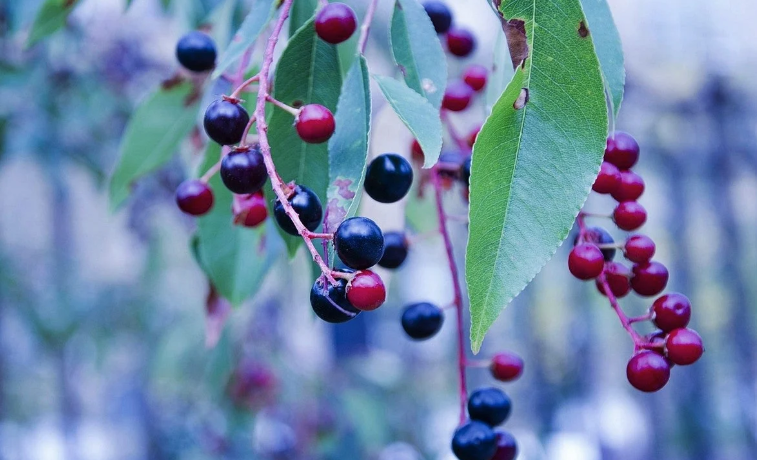
Young huckleberries generally benefit from consistent moisture, especially while their root systems are developing. A layer of organic mulch can help reduce moisture loss and moderate soil temperatures.
Keep competing weeds away from young plants. Huckleberries can grow slowly, and aggressive weeds may compete strongly for water, nutrients, and light.
Avoid excessive fertilizer. Native shrubs adapted to nutrient-poor forest soils may not respond well to heavy feeding. If fertilization is necessary, use a product appropriate for acid-loving plants and follow its label directions.
When Will Seed-Grown Huckleberries Produce Fruit?
Growing huckleberries from seed requires patience because seedlings need time to mature before producing significant crops. The time to fruiting varies greatly according to species, growing conditions, and plant maturity.
Seedlings also do not necessarily produce fruit identical to the parent plant. Sexual reproduction creates genetic variation, so plants grown from seed can differ in vigor, fruit size, flavor, and other characteristics.
For gardeners interested primarily in harvesting berries quickly, a healthy nursery-grown plant may be more practical. For those interested in native plants, experimentation, and the complete life cycle of a shrub, growing from seed can be much more rewarding.
Common Problems When Growing Huckleberries From Seed
Poor germination: The seeds may require species-specific cold stratification or other dormancy-breaking conditions.
Seedlings drying out: Tiny seedlings have limited root systems and can suffer quickly when the growing medium becomes dry.
Root problems: Excessively wet, poorly drained soil can damage young roots.
Weak seedlings: Insufficient light can cause thin, elongated growth.
Slow development: Huckleberries are not necessarily fast-growing plants. Slow growth during the early stages does not automatically mean something is wrong.
Can You Grow Huckleberries in Containers?
Yes, some huckleberries can be grown in containers, particularly smaller species and young plants. Containers also provide a practical solution when garden soil is unsuitable.
Choose a container with drainage holes and use an acidic, well-draining growing medium appropriate for the species. Container-grown plants need closer attention to watering because their soil can dry faster than garden soil.
As the plant grows, it may eventually need a larger container or a permanent outdoor location. Always consider the mature size of the particular huckleberry species before selecting a container.
Also Read: How to Increase Huckleberry Fruit Production
Final Tips for Successful Huckleberry Propagation
The secret to growing huckleberries from seed is to work with the plant’s natural biology rather than trying to force rapid growth. Start with correctly identified, fresh seed, provide the appropriate cold-stratification conditions, use acidic growing media, and maintain consistent moisture.
Most importantly, be patient. Huckleberries are often slow compared with familiar garden crops, but successfully raising a native shrub from a tiny seed can be well worth the wait. Once established, the plant can provide attractive foliage, seasonal flowers, berries, and habitat value for years.
References
- USDA Forest Service — Huckleberries: Information on huckleberry species, habitats, ecology, and propagation considerations. USDA Forest Service — Huckleberries
- Oregon State University Extension — Growing Huckleberries: Information on native huckleberries, growing conditions, and cultivation. Oregon State University Extension
- Washington State University Extension — Native Plant Resources: Regional information on native shrubs, soils, and plant propagation. Washington State University Extension
- Royal Botanic Gardens, Kew — Vaccinium: Taxonomic and botanical information on Vaccinium species, the genus containing many huckleberries. Plants of the World Online — Vaccinium