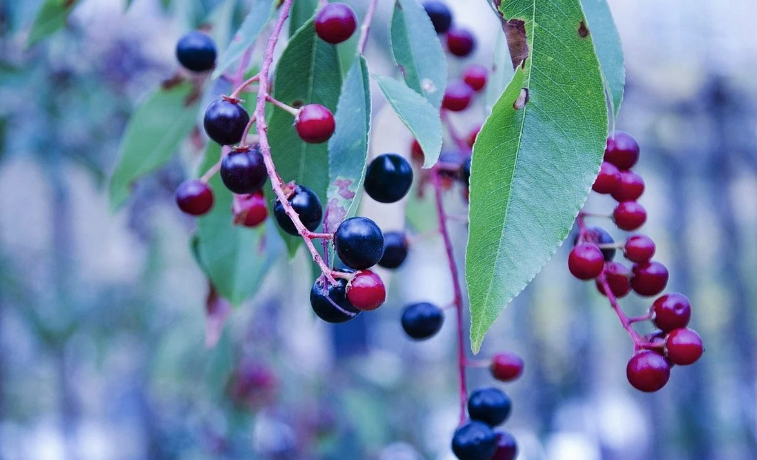
Growing huckleberries in containers is a great option when your garden soil is too alkaline, your outdoor space is limited, or you simply want better control over the growing environment. Huckleberries are woodland plants by nature, and many species prefer acidic, moisture-retentive but well-drained soil. A container allows you to create those conditions much more easily than trying to change an entire garden bed.
The important thing to understand is that huckleberries are not just small blueberries. Different plants called huckleberries have different growth habits and requirements. Evergreen huckleberry (Vaccinium ovatum), for example, can be grown in containers, while other species may eventually become too large for a typical patio pot.
If you are prepared to provide the right acidic growing medium, consistent moisture, good drainage, and appropriate light, container growing can be surprisingly successful. Here is how I would approach it as a gardener.
1. Choose a Container-Friendly Huckleberry
Start by identifying the species before buying a pot. This is one of the most overlooked steps.
Evergreen huckleberry (Vaccinium ovatum) is particularly interesting for container gardeners because reputable horticultural guidance specifically lists it as suitable for containers and raised beds. It is an evergreen shrub with attractive foliage as well as edible berries.
Other Vaccinium species may also be grown in containers when young, but their eventual size and growth habit need to be considered. Avoid choosing a species simply because the word “huckleberry” appears on the plant label.
Also Read: How To Grow Huckleberries From Seeds
2. Pick a Large Pot With Excellent Drainage
Huckleberries dislike sitting in stagnant water, so drainage should be one of your first considerations.
Choose a sturdy container with several drainage holes in the bottom. I prefer a pot that is wider and deeper than the plant’s current root ball rather than immediately placing a small plant into an enormous container.
As the shrub grows, move it into progressively larger containers. This makes watering easier and reduces the risk of keeping a small root system surrounded by a large volume of persistently wet soil.
A container made from durable material is also worthwhile because huckleberries are long-lived shrubs when conditions are suitable.
3. Use Acidic Potting Soil
This is probably the most important part of successful container huckleberry growing.
Many huckleberries require acidic conditions. Western huckleberry guidance gives an optimum soil pH around 4.0 to 5.5 for some species, while evergreen huckleberry is commonly recommended around pH 4.5–5.5.
Do not simply fill the container with ordinary garden soil. It can become compacted and may have an unsuitable pH.
Instead, use a high-quality acidic, well-draining growing medium formulated for acid-loving plants. Check the pH rather than relying solely on the label.
4. Make Drainage a Priority
Huckleberries appreciate moisture, but moist does not mean waterlogged.
Wild huckleberry habitats can contain substantial organic matter while still providing adequate drainage. Research from the USDA Forest Service notes that productive western huckleberry sites commonly contain decomposed wood and forest duff, while poorly drained conditions can cause problems for some species.
In a container, drainage holes do most of the work. Make sure they remain unobstructed.
I would also avoid placing the pot permanently inside a decorative container where excess water collects underneath the root zone.
5. Position the Pot Carefully
Light requirements vary according to species.
Some huckleberries perform well in partial shade, while others produce better crops with more sunlight when adequate moisture is available. Western huckleberry research indicates that full sun can produce good crops where moisture is sufficient, while light shade may be productive in naturally moist habitats.
Evergreen huckleberry is particularly adaptable and can grow in sun or partial shade.
For a container on a warm patio, I would watch the plant rather than blindly following a fixed number of sunlight hours. If the pot becomes extremely hot and dries rapidly, some afternoon protection may be beneficial.
6. Water Consistently
Container huckleberries need a dependable water supply because their roots have access to a limited amount of growing medium.
Check the pot regularly, particularly during warm or windy weather. Water thoroughly when necessary so moisture reaches the entire root zone, then allow excess water to drain freely.
Avoid alternating between severe drought and heavy soaking. Extension guidance notes that huckleberries can be sensitive to both drought and overwatering.
A layer of suitable organic mulch on the surface can also help slow evaporation.
7. Don’t Overfeed Your Huckleberry
One of the mistakes I would avoid is treating a huckleberry like a heavy-feeding vegetable.
Huckleberries are adapted to forest environments where soils can be acidic and relatively low in readily available nutrients. They can also be sensitive to excessive fertilizer salts.
If your plant needs feeding, use a fertilizer intended for acid-loving plants and follow the product’s directions. Container plants can be easier to overfertilize than plants growing in the ground, so more fertilizer is not necessarily better.
Also Read: How to Increase Huckleberry Fruit Production
8. Check the Soil pH Regularly
Container conditions can change over time as water, fertilizer, and decomposition affect the growing medium.
If the leaves begin developing an unusual yellow appearance while the veins remain greener, check the growing conditions rather than immediately adding fertilizer. Incorrect pH can interfere with nutrient availability.
For huckleberries, maintaining the appropriate acidic environment is generally more useful than continually adding nutrients.
A simple soil-pH test can help you determine whether the growing medium is still within the range preferred by your species.
9. Give the Roots Room to Develop
Don’t allow the plant to remain root-bound for years in the same small container.
When roots completely fill the pot, water can move through the root ball differently, and the plant may become increasingly difficult to manage. If the shrub is outgrowing its container, move it into a slightly larger pot.
Handle the root system gently. Some huckleberries can be difficult to transplant, and minimizing root disturbance is especially important with young plants.
10. Protect the Berries From Birds
If your plant eventually produces fruit, you may discover that you are not the only gardener interested in the berries.
Birds can quickly find ripening huckleberries. North Carolina Extension specifically identifies birds as a major pest of Vaccinium fruits and recommends netting for protection.
For a single container plant, lightweight bird netting is usually much easier to manage than trying to protect a large planting.
Install it before the berries become fully ripe rather than waiting until birds have already discovered the crop.
Can Huckleberries Produce Fruit in Containers?
Yes, but expectations should be realistic.
Container cultivation can support huckleberry growth and, under favorable conditions, fruit production. However, some huckleberries are naturally slow-growing and may not produce large crops.
Evergreen huckleberry, for example, can be grown as a container plant, but Washington State University notes that fruit production can be limited and large crops should not necessarily be expected.
Think of a container huckleberry as both an ornamental shrub and a berry plant, rather than expecting it to behave like a heavily productive commercial blueberry.
Should You Grow More Than One Huckleberry?
If fruit production is your priority, investigate the pollination requirements of your particular species before purchasing plants.
For evergreen huckleberry, the Royal Horticultural Society recommends planting three different cultivars for optimal pollination and yield.
If you have enough space, several containers can therefore be more productive than one isolated plant.
Also Read: Different Types of Huckleberries
How to Care for Huckleberries in Winter
Winter treatment depends heavily on the species and your climate.
A container exposes roots to colder temperatures than those experienced by plants growing in the ground. Consequently, a plant that survives a particular winter when planted outdoors may need additional protection when grown in a pot.
Move the container to a sheltered position when appropriate, particularly in regions colder than the plant’s normal hardiness range. Evergreen huckleberry grown in containers can benefit from winter protection.
Do not place the plant in a heated indoor room simply because it is winter. Many outdoor shrubs need their normal seasonal cycle.
Also Read: How to Grow Huckleberries From Cuttings
Common Container-Growing Problems
Yellow Leaves
Yellow foliage can result from inappropriate soil pH, nutrient problems, root stress, or excessive watering. Test the growing medium before trying to correct the problem.
Wilting
Wilting does not always mean the plant needs more water. Check the soil first. A plant growing in saturated soil can wilt because damaged roots are unable to function properly.
Slow Growth
Huckleberries can naturally grow slowly, especially when young. Poor light, unsuitable pH, root restriction, drought, or excessive fertilizer can make the problem worse.
Few or No Berries
Limited fruit production can result from plant maturity, pollination, inadequate light, environmental stress, or the natural characteristics of the species. Some huckleberries simply aren’t heavy fruit producers in garden conditions.
My Best Tips for Growing Huckleberries in Pots
If I were setting up a container huckleberry today, I would concentrate on five things:
- Choose the species first.
- Use genuinely acidic growing medium.
- Prioritize drainage while maintaining steady moisture.
- Give the plant appropriate light without letting the container overheat.
- Protect ripe berries from birds.
The biggest mistake is trying to compensate for unsuitable conditions with fertilizer. Huckleberries respond much better when their basic environment is right.
Final Thoughts
Growing huckleberries in containers is not necessarily the quickest route to a basketful of berries, but it is an excellent way to grow these distinctive native shrubs where traditional garden conditions are unsuitable. The container gives you control over one of their most important requirements: acidic, well-drained growing medium.
With the right species, a sufficiently large pot, consistent moisture, suitable light, and restrained feeding, a huckleberry can become an attractive long-term container plant. And when those first berries finally ripen, the wait becomes part of the reward.
References
- USDA Forest Service — Growing Western Huckleberries: Detailed information on huckleberry soil, sunlight, moisture, and cultivation requirements. USDA Forest Service — Growing Western Huckleberries
- University of Idaho Extension — Growing Western Huckleberries: A detailed guide covering the selection and cultivation of western huckleberries. University of Idaho Extension — Growing Western Huckleberries
- Washington State University Extension — Pacific Northwest Gardener’s Handbook: Information on evergreen huckleberry, including its acidic-soil requirements and growth habit. WSU Extension — Berries and Small Fruits
- Royal Horticultural Society — Vaccinium ovatum: Container-growing, soil, light, pollination, pruning, and plant-care information for evergreen huckleberry. RHS — Vaccinium ovatum