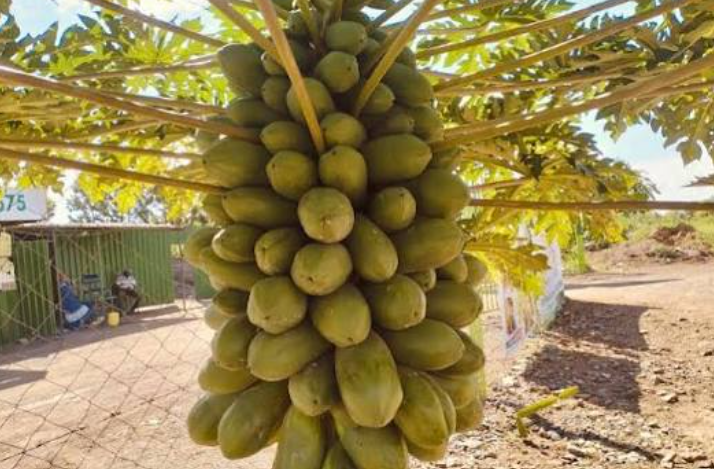
The Solo papaya is one of the most popular types of papaya grown for its small-to-medium fruit, sweet flavor, attractive orange-red flesh, and relatively convenient size. Unlike many large papaya varieties that can produce fruits weighing several pounds, Solo papayas are generally much smaller, making them particularly appealing for home gardeners and families.
The name “Solo” is commonly associated with papayas that are small enough for one or two people to enjoy at a sitting. The variety has become especially well known in tropical and subtropical regions, where warm temperatures allow papaya plants to grow rapidly and produce fruit throughout much of the year.
Solo papayas are valued not only for their eating quality but also for their attractive appearance. The fruits typically have smooth green skin when immature and turn yellow to orange as they ripen. Inside is richly colored flesh surrounding a central cavity filled with numerous black seeds.
Whether you are interested in growing papaya in a backyard garden, identifying different papaya varieties, or simply learning more about this delicious tropical fruit, the Solo papaya is an excellent variety to know.
What Is a Solo Papaya?
Solo papaya refers to a group of small-fruited papayas that originated from Hawaii and became particularly associated with commercial production in the Hawaiian Islands. The name is often used for Hawaiian-type papayas with relatively small fruits and excellent eating quality.
The fruits are generally pear-shaped or somewhat oval, with smooth skin and firm flesh. Depending on the specific selection and growing conditions, mature fruits can vary in size, but they are considerably smaller than many traditional large papaya varieties.
One of the most recognizable characteristics of Solo papayas is their sweet, aromatic flesh. When fully ripe, the flesh develops a vibrant orange to reddish-orange color and has a soft, juicy texture.
What Does Solo Papaya Look Like?
A mature Solo papaya usually has a rounded or pear-shaped appearance. The fruit begins with green skin and gradually develops yellow or yellow-orange coloration as it ripens.
The skin may remain partially green even when the fruit is ready to eat, depending on the variety and how it was allowed to mature. Fully ripened fruit generally has noticeable yellow or orange coloration.
Inside the fruit is bright orange or orange-red flesh. The center contains a hollow seed cavity packed with small, round, black seeds.
The seeds are edible but have a strong, peppery flavor. Most people scoop them out before eating the flesh.
Solo Papaya Size
One of the major attractions of Solo papaya is its manageable fruit size.
Individual fruits commonly weigh around 0.5 to 1 pound, although fruit size can vary depending on the particular selection, growing conditions, nutrition, and maturity.
This is considerably smaller than some papaya varieties that can produce fruits weighing several pounds.
The smaller size makes Solo papayas convenient for households. Instead of cutting open a very large fruit and trying to store the leftovers, a Solo papaya can often be eaten fresh with little waste.
What Does Solo Papaya Taste Like?
Solo papaya is prized primarily for its flavor.
When fully ripe, the flesh is sweet, juicy, aromatic, and relatively soft. It has a tropical flavor with hints of melon and peach-like sweetness, although the exact flavor can vary with ripeness and growing conditions.
An underripe papaya tends to be firmer and less sweet. Allowing the fruit to ripen properly results in a much softer texture and stronger flavor.
A ripe Solo papaya can be eaten with a spoon, added to fruit salads, blended into smoothies, or used in desserts.
Solo Papaya Seeds
The center of a Solo papaya contains many small black seeds. These seeds are surrounded by a thin layer of soft material inside the fruit cavity.
Papaya seeds have a distinctly peppery and slightly bitter flavor. While they can be eaten, most people remove them when preparing ripe papaya.
For gardeners, the seeds can also be useful for propagating papaya plants. However, growing papaya from seed does not always produce plants identical to the parent plant, particularly when seed comes from a hybrid or cross-pollinated plant.
How to Grow Solo Papaya
Solo papaya grows best in warm, tropical and subtropical climates. It is not a cold-hardy fruit tree and can be seriously damaged by freezing temperatures.
Choose a Warm Location
Plant Solo papaya in a location that receives plenty of direct sunlight.
Ideally, choose a site with at least 6 hours of direct sunlight each day. More sunlight can help encourage vigorous growth and fruit production.
The location should also be protected from strong winds because papaya plants have relatively soft stems and shallow root systems.
Use Well-Drained Soil
Good drainage is extremely important.
Papaya roots do not tolerate prolonged waterlogging. Planting in heavy, poorly drained soil can increase the risk of root problems and may eventually kill the plant.
Sandy loam or another fertile, well-drained soil is ideal. If the garden soil drains poorly, consider growing papaya in a raised bed or a slightly elevated planting area.
Planting Solo Papaya
Papaya plants can be started from seed or transplanted as young plants.
When growing from seed, sow several seeds because not every seed will necessarily produce a vigorous plant. Once seedlings become established, they can be thinned or transplanted.
Give the plants sufficient space to develop. Crowding can reduce airflow and make disease problems more likely.
Watering
Solo papaya needs consistent moisture during active growth, but the soil should not remain saturated.
Water deeply when the upper layer of soil begins to dry. During hot weather, plants may require more frequent watering.
A layer of organic mulch around the plant can help conserve soil moisture and reduce competition from weeds. Keep mulch slightly away from direct contact with the trunk.
Fertilizing Solo Papaya
Papaya is a fast-growing plant and needs an adequate supply of nutrients to maintain healthy leaves, flowers, and fruit.
A balanced fertilizer can be used during the growing season according to the product’s instructions. Mature plants producing fruit may benefit from regular feeding because fruit development requires considerable nutrients.
Organic matter such as well-aged compost can also improve soil structure and provide nutrients gradually.
Avoid excessive fertilizer applications, especially when plants are young. Too much nitrogen can encourage lush leaf growth at the expense of balanced fruit production.
How Long Does Solo Papaya Take to Produce Fruit?
Papaya is relatively fast growing compared with many other fruit trees.
Under favorable tropical conditions, a healthy plant may begin flowering and producing fruit within roughly 8 to 12 months after planting, although the exact timing varies.
Temperature, sunlight, water availability, soil fertility, plant genetics, and general plant health can all affect how quickly fruit production begins.
Once established, papaya plants can continue producing fruit for an extended period when growing conditions remain favorable.
How to Know When Solo Papaya Is Ripe
Knowing when to harvest is important because papaya flavor improves significantly as the fruit ripens.
A Solo papaya that is completely green is generally immature. As it begins to ripen, yellow coloration develops on the skin.
For eating immediately, choose fruit that has developed substantial yellow or orange coloration and yields slightly when gently pressed.
Papayas can also be harvested when they are beginning to change color and allowed to finish ripening indoors.
Avoid squeezing the fruit aggressively because bruising can damage the flesh.
Common Problems When Growing Solo Papaya
Although papaya can grow quickly, several problems may affect plants.
Root Rot
Excessive moisture and poor drainage can lead to root problems. Planting in well-drained soil and avoiding overwatering are among the best preventative measures.
Papaya Diseases
Papayas can be affected by fungal, bacterial, and viral diseases. Symptoms may include unusual spots on leaves, leaf distortion, premature leaf drop, or poor fruit development.
Good airflow, proper watering practices, sanitation, and healthy planting material can help reduce disease pressure.
Insect Pests
Papaya plants may attract various insects, including aphids, whiteflies, mites, fruit flies, and other pests.
Regularly inspect leaves, stems, flowers, and developing fruit. Early detection makes pest management much easier.
How to Eat Solo Papaya
There are many simple ways to enjoy Solo papaya.
The easiest method is to cut the fruit lengthwise, scoop out the seeds, and eat the flesh with a spoon.
It can also be:
- Added to fruit salads
- Blended into smoothies
- Served with yogurt
- Used in tropical desserts
- Added to breakfast bowls
- Chopped into fresh salsa
- Pureed into sauces or drinks
Ripe papaya is particularly good when served chilled.
Nutritional Value of Solo Papaya
Like other papayas, Solo papaya is a nutrient-rich fruit and provides several vitamins and minerals.
Papaya is particularly well known for its vitamin C and vitamin A precursor carotenoids. It also provides dietary fiber and naturally occurring antioxidants.
Its high water content makes ripe papaya a refreshing fruit, particularly in hot climates.
As with any fruit, nutritional composition varies according to ripeness, fruit size, and growing conditions.
Solo Papaya vs. Large Papaya Varieties
The most obvious difference between Solo papaya and many traditional papaya varieties is fruit size.
Solo papayas are relatively small and are often convenient for individual servings. Large papayas, on the other hand, may produce substantially heavier fruits that are better suited to households or situations where larger quantities of fruit are desired.
Solo types are also especially appreciated for their sweet flavor and attractive orange flesh.
For a small home garden, a compact, good-quality Solo-type papaya can be an excellent choice if the climate is warm enough.
Frequently Asked Questions
Is Solo papaya sweet?
Yes. Fully ripe Solo papaya is known for its sweet, juicy, aromatic flesh.
How big does a Solo papaya get?
Solo papayas are relatively small, commonly weighing around 0.5 to 1 pound, although size varies by selection and growing conditions.
Can you grow Solo papaya from seed?
Yes, papaya can be grown from seed. However, the resulting plants may not always reproduce the exact characteristics of the parent plant.
How much sun does Solo papaya need?
Solo papaya grows best in a sunny location with at least 6 hours of direct sunlight per day.
Can Solo papaya grow in cold climates?
No. Papaya is a tropical plant and is highly sensitive to cold and freezing temperatures. It performs best in warm, frost-free environments.
Final Overview
Solo papaya is an excellent choice for gardeners who want a flavorful tropical fruit that produces relatively small, convenient fruits. Its sweet orange flesh, attractive appearance, manageable fruit size, and relatively fast growth have made Solo-type papayas popular with both home gardeners and commercial growers.
The plant needs warmth, sunlight, fertile soil, adequate moisture, and excellent drainage. When these requirements are met, papaya can grow rapidly and begin producing fruit much sooner than many conventional fruit trees.
For anyone living in a suitable tropical or subtropical climate, growing Solo papaya can be a rewarding way to add a productive and attractive fruit plant to the garden.