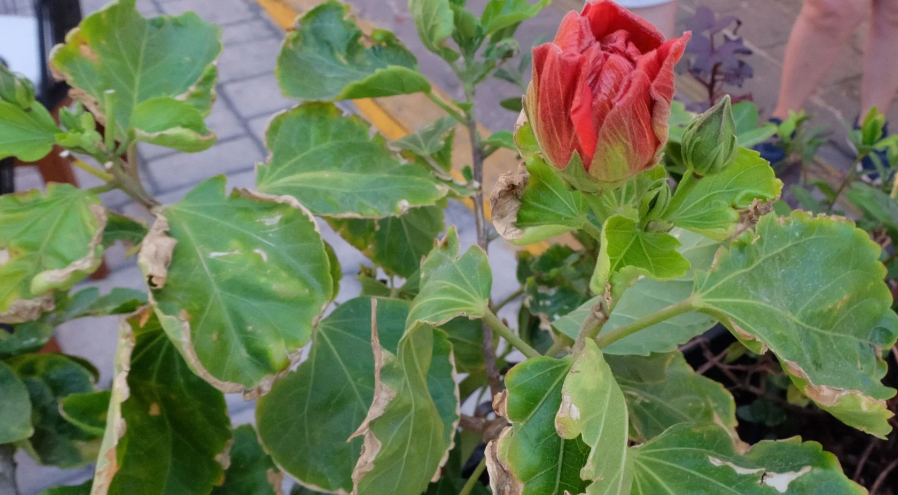
Hibiscus plants are prized for their large, showy, trumpet-shaped flowers and lush, tropical appearance, making them a favorite choice for gardens, patios, and containers in warm climates around the world. Belonging to the genus Hibiscus, these plants range from tender tropical varieties grown as houseplants or seasonal container plants in cooler regions to hardy perennial types that can survive freezing winters and return reliably each spring. Even though hibiscus have a reputation for being vigorous, rewarding bloomers, gardeners who grow them regularly run into Common Hibiscus Plant Problems, from pest infestations and fungal disease to bud drop and disappointing flower production.
Hibiscus are generally divided into two broad categories: tropical hibiscus, valued for its glossy foliage and vividly colored single or double blooms, and hardy hibiscus, known for its exceptional cold tolerance and enormous, dinner-plate-sized flowers. Tropical varieties are typically grown outdoors only in frost-free climates or brought indoors during winter elsewhere, while hardy hibiscus can be planted directly in the ground in much colder zones and die back to the roots each winter before resprouting in spring. Knowing which type is being grown makes a real difference in care, since their tolerance for cold, pruning needs, and typical pest pressures can differ substantially.
Hibiscus generally thrive with plenty of sunlight, consistent moisture, and rich, well-draining soil. Most varieties perform best with at least six hours of direct sun daily, and they are fairly heavy feeders, benefiting from regular fertilizing during the active growing season to support their rapid growth and continuous blooming. Because hibiscus flowers typically last only a day or two before fading, healthy plants rely on steady conditions to keep producing a fresh supply of buds throughout the season. Consistent watering is especially important, as hibiscus dislike both drought stress and waterlogged roots, and fluctuations in moisture are a common trigger for a range of common problems.
Despite their generally easygoing nature, hibiscus plants can be affected by insect pests, fungal issues, nutrient imbalances, and environmental stress that interfere with healthy growth and flowering. Because hibiscus are fast-growing and often kept in containers or tight garden spaces, problems can develop and spread quickly if not caught early. This guide walks through twenty-eight of the most common issues hibiscus growers face, outlining the symptoms to watch for and the practical fixes that help restore a struggling plant to vigorous, colorful health.
Common Hibiscus Plant Problems
1. Yellowing Leaves
Yellowing leaves are one of the most common complaints among hibiscus growers and can stem from several causes, including overwatering, nutrient deficiency, temperature stress, or simply the natural shedding of older leaves. Distinguishing the cause is important, since a plant with a few yellow leaves at the bottom is often just cycling through normal growth, while widespread yellowing signals a deeper issue. Allowing soil to dry slightly between waterings and checking that pots have adequate drainage addresses overwatering-related yellowing. Feeding with a balanced, hibiscus-specific fertilizer and protecting the plant from sudden temperature swings resolves yellowing tied to nutrient or environmental stress.
2. Bud Drop
Bud drop occurs when hibiscus flower buds form but fall off the plant before they have a chance to open, often triggered by inconsistent watering, sudden temperature changes, low humidity, or insect feeding inside the bud. This can be especially frustrating since the plant may appear otherwise healthy while still failing to bloom. Maintaining consistent soil moisture and avoiding drastic swings between wet and dry conditions helps prevent stress-related bud drop. Inspecting buds closely for pests such as thrips, and treating any infestation found, resolves bud drop caused by insect damage.
3. Aphids
Aphids gather on tender new growth, buds, and the undersides of hibiscus leaves, feeding on plant sap and often causing curled, distorted foliage and misshapen buds. Heavy infestations can leave behind sticky honeydew that attracts sooty mold. A strong spray of water can dislodge and reduce aphid populations on lightly affected plants, while insecticidal soap provides a more thorough treatment for persistent infestations. Encouraging beneficial insects like ladybugs in the garden also helps keep aphid numbers naturally under control.
4. Whiteflies
Whiteflies are small, moth-like insects that cluster on the undersides of hibiscus leaves, and disturbing the foliage often causes a visible cloud of the tiny insects to fly up. Their feeding weakens the plant and can cause yellowing leaves, while their honeydew secretions promote sooty mold growth. Using yellow sticky traps helps monitor and reduce adult whitefly populations near the plant. Applying insecticidal soap or neem oil directly to the undersides of leaves, where whiteflies lay their eggs, provides effective control for established infestations.
5. Spider Mites
Spider mites cause fine stippling and yellowing on hibiscus leaves, along with delicate webbing visible on the undersides of foliage, particularly during hot, dry conditions. Left unaddressed, heavy infestations can significantly weaken the plant and reduce flowering. Regularly hosing down the foliage, especially the undersides of leaves, helps disrupt mite populations before they escalate. Applying insecticidal soap or a miticide according to label instructions offers effective treatment for more established infestations.
6. Mealybugs
Mealybugs appear as small, cottony white clusters typically found in leaf joints, along stems, and at the base of buds, feeding on plant sap and weakening the hibiscus over time. Infested plants may show stunted growth, yellowing leaves, and a sticky honeydew residue that can lead to sooty mold. Dabbing individual mealybugs with a cotton swab dipped in rubbing alcohol offers a targeted treatment for light infestations. For more widespread infestations, applying insecticidal soap or neem oil thoroughly, including hard-to-reach leaf joints, helps bring the population under control.
7. Scale Insects
Scale insects appear as small, waxy, immobile bumps attached to hibiscus stems and the undersides of leaves, feeding on plant sap and often going unnoticed until the plant begins to decline. Affected leaves may yellow and drop, and a sticky honeydew residue is often present on and around the plant. Scraping off visible scale insects by hand or with a soft brush provides an immediate reduction in light infestations. Applying horticultural oil, which smothers the insects, is effective for more established infestations and should be reapplied according to label instructions.
8. Japanese Beetles
Japanese beetles feed on hibiscus flowers and foliage, often skeletonizing leaves by consuming the tissue between the veins and leaving behind ragged, lace-like damage. These beetles tend to appear in large numbers during summer and can cause significant damage in a short period. Handpicking beetles off the plant in the early morning and dropping them into soapy water offers an effective non-chemical control method. For larger infestations, applying an insecticide labeled for Japanese beetles helps reduce their impact on the plant.
9. Root Rot
Root rot develops when hibiscus roots sit in consistently wet, poorly draining soil, leading to wilting, yellowing leaves, and overall decline despite what may appear to be adequate watering. Affected roots often turn dark, mushy, and unpleasant-smelling as the underlying fungal pathogens take hold. Improving drainage, whether by amending heavy soil or repotting into a container with adequate drainage holes, is essential to preventing root rot. Reducing watering frequency and allowing the soil to dry appropriately between waterings can help a plant recover if the rot is caught early.
10. Leaf Spot
Leaf spot causes circular or irregular brown, black, or tan lesions to develop on hibiscus foliage, sometimes with a yellow halo surrounding each spot. Heavily affected leaves often yellow and drop prematurely, reducing the plant’s overall vigor. Removing and disposing of affected leaves limits the spread of the fungus responsible for the spotting. Watering at the soil level rather than overhead, along with improving air circulation around the plant, helps prevent the moist conditions that encourage leaf spot to develop.
11. Powdery Mildew
Powdery mildew appears as a white or grayish powdery coating on hibiscus leaves and stems, typically developing in warm weather with high humidity and limited airflow. Affected leaves may become distorted, yellow, and drop prematurely if the infection is left untreated. Improving air circulation through proper spacing and pruning, along with avoiding overhead watering, helps reduce conditions favorable to powdery mildew. Applying a fungicide labeled for powdery mildew at the first sign of infection further helps control its spread.
12. Chlorosis
Chlorosis in hibiscus presents as yellowing leaves with distinctly green veins, typically caused by an iron deficiency linked to soil that is too alkaline for the plant to properly absorb available nutrients. This condition is especially common in hibiscus grown in regions with naturally alkaline soil or hard water. Testing soil pH and amending it toward a more acidic range supports better nutrient uptake for the plant. Applying a chelated iron supplement or a fertilizer formulated for acid-loving plants directly addresses the iron deficiency causing the yellowing.
13. Cold Damage
Cold damage occurs when tropical hibiscus varieties are exposed to temperatures below their tolerance range, causing leaves to blacken, wilt, or drop, and in severe cases, killing stems or the entire plant. Even hardy hibiscus varieties can suffer damage from unseasonably early or late frosts before they have fully hardened off for winter. Bringing tropical hibiscus indoors or providing frost protection when cold weather is forecast prevents most cold-related damage. Pruning away any blackened or dead growth once the danger of frost has passed allows the plant to redirect energy toward healthy new growth.
14. Sunscald
Sunscald develops when hibiscus leaves or stems are suddenly exposed to intense, direct sunlight, often after a period of lower light or following aggressive pruning that removes protective foliage. Affected areas show bleached, discolored, or dried patches on leaves and stems. Gradually acclimating plants to increased sun exposure, particularly after moving them outdoors or from indoor conditions, helps prevent sunscald. Providing light afternoon shade in especially hot climates further protects vulnerable foliage from sun damage.
15. Nutrient Deficiency
Hibiscus plants experiencing nutrient deficiency often show pale or yellowing leaves, weak stems, and reduced flowering, with the exact pattern of symptoms depending on which nutrient is lacking. Because hibiscus are heavy feeders that bloom continuously, they are particularly prone to running low on nutrients during their peak growing season if not fertilized regularly. Testing soil or simply observing symptom patterns helps identify which nutrients may be lacking. Applying a balanced, hibiscus-specific fertilizer on a regular schedule during the growing season generally resolves most nutrient-related issues.
16. Leaf Curl
Leaf curl in hibiscus can result from several causes, including heat stress, insufficient watering, or feeding damage from sap-sucking pests such as aphids and spider mites. Because the causes vary, identifying whether the issue is environmental or pest-related is an important first step in treatment. Ensuring consistent watering, particularly during hot weather, addresses environmental causes of leaf curl. Closely inspecting the plant for signs of pest activity, such as visible insects or sticky residue, allows for targeted treatment when pests are responsible.
17. Sooty Mold
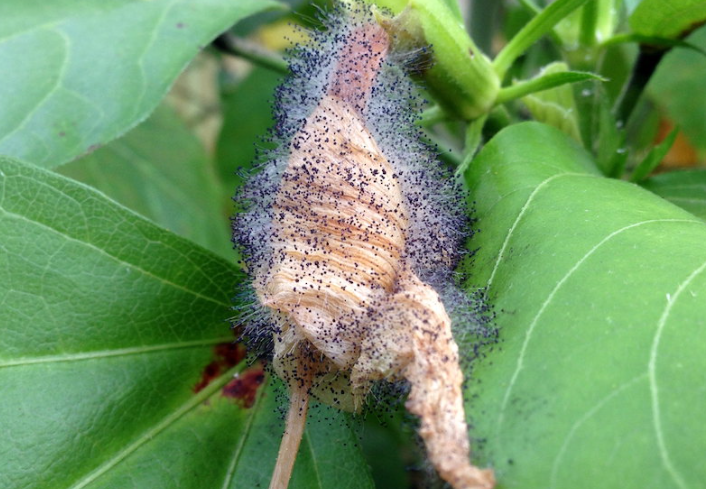
Sooty mold appears as a black, powdery or crusty coating on hibiscus leaves and stems, growing on the sticky honeydew secreted by sap-feeding insects like aphids, whiteflies, and scale. While the mold itself does not directly infect the plant, it can block sunlight from reaching the leaf surface and interfere with photosynthesis. Wiping affected leaves with a damp cloth or spraying them with water helps remove the sooty mold coating. Identifying and treating the underlying insect infestation responsible for the honeydew is essential to preventing sooty mold from returning.
18. Stunted Growth
Stunted growth in hibiscus can result from a combination of factors, including insufficient light, nutrient deficiency, root-bound conditions in containers, or pest damage affecting the plant’s ability to develop normally. Plants exhibiting stunted growth often also show smaller than expected leaves and delayed or reduced flowering. Repotting root-bound hibiscus into a larger container with fresh soil often resolves growth issues linked to restricted root space. Ensuring adequate sunlight and a consistent fertilizing schedule further supports healthy, vigorous growth.
19. Wilting Despite Adequate Watering
Wilting that persists even when soil moisture appears adequate often points to a root-related problem, such as root rot, root-bound conditions, or root damage from pests, rather than a simple watering issue. This can be a confusing symptom for gardeners who assume wilting always signals underwater conditions. Checking the roots for signs of rot, girdling, or pest damage helps identify the underlying cause of persistent wilting. Repotting into fresh, well-draining soil or addressing any root pests found directly resolves wilting tied to root health rather than moisture.
20. Fungal Stem Canker
Fungal stem canker causes sunken, discolored lesions to develop on hibiscus stems, often at pruning wounds or areas of physical damage, which can girdle and kill the stem above the affected area. This disease tends to enter through wounds during pruning or from insect damage, making proper technique important for prevention. Pruning out and destroying affected stems, cutting well below the visible lesion into healthy tissue, helps stop the disease from progressing. Disinfecting pruning tools between cuts and avoiding pruning during wet weather further reduces the risk of canker developing.
21. Iron Chlorosis in Container Plants
Container-grown hibiscus are particularly prone to iron chlorosis, showing yellowing leaves with green veins, often because potting soil becomes compacted or overly alkaline over time, locking up available iron. This is distinct from garden-grown chlorosis in that repotting is frequently the most effective long-term solution. Repotting into fresh, well-draining potting mix formulated for acid-loving or tropical plants helps correct the underlying soil imbalance. Applying a chelated iron supplement provides a more immediate correction while the new soil environment stabilizes.
22. Flower Fading or Poor Color
Flower fading or unusually pale blooms can result from insufficient sunlight, heat stress, or nutrient imbalances, particularly a lack of potassium, which plays a key role in flower color and quality. Gardeners expecting vivid, saturated blooms may notice the difference quickly when this issue develops. Ensuring the plant receives adequate sunlight, ideally at least six hours daily, supports stronger flower color and quality. Applying a fertilizer with adequate potassium content, formulated for flowering plants, further improves bloom vibrancy over time.
23. Leggy Growth
Leggy growth in hibiscus refers to long, sparse stems with foliage concentrated only at the tips, typically caused by insufficient light or a lack of regular pruning to encourage bushier growth. This condition is especially common in indoor or heavily shaded hibiscus that stretch toward available light sources. Moving the plant to a location with brighter, more direct sunlight helps reduce the stretching that leads to legginess. Pruning back leggy stems regularly encourages the plant to branch out and produce fuller, more compact growth.
24. Root-Bound Roots
Root-bound hibiscus, particularly common in container-grown plants left too long without repotting, show roots that circle tightly around the inside of the pot, restricting water and nutrient uptake and leading to stunted growth or wilting. Removing the plant from its container periodically to check root development helps catch this issue before it becomes severe. Repotting into a larger container with fresh soil, and gently loosening or trimming circling roots, allows the plant to resume healthy growth. Repotting hibiscus every one to two years generally prevents roots from becoming excessively bound.
25. Bacterial Leaf Blight
Bacterial leaf blight causes water-soaked, angular lesions on hibiscus leaves that eventually turn brown or black, often spreading rapidly during warm, humid, and wet conditions. Severely affected leaves may drop, weakening the overall plant. Removing and disposing of infected leaves helps limit the spread of the bacteria to healthy foliage. Watering at the soil level rather than overhead and avoiding handling the plant while foliage is wet both help reduce the spread of bacterial leaf blight.
26. Overwatering
Overwatering in hibiscus leads to yellowing leaves, wilting despite moist soil, and an increased risk of root rot, as the roots are deprived of the oxygen they need when soil remains saturated for extended periods. This is one of the most common care mistakes among hibiscus growers who associate the plant’s tropical appearance with a need for constant moisture. Allowing the top inch or two of soil to dry out between waterings helps prevent the waterlogged conditions that lead to overwatering issues. Ensuring pots have adequate drainage holes and using well-draining potting mix further supports appropriate moisture levels.
27. Underwatering
Underwatering causes hibiscus leaves to wilt, curl, and eventually drop, with soil that feels dry well below the surface and a general lack of vigor in new growth. Because hibiscus are vigorous growers with high water needs during their active season, they can decline quickly if watering is neglected. Establishing a consistent watering schedule, checking soil moisture regularly rather than watering on a fixed timetable, helps prevent underwatering stress. Mulching around the base of garden-grown hibiscus helps retain soil moisture between waterings, particularly during hot weather.
28. Failure to Rebloom (Hardy Hibiscus)
Hardy hibiscus that fail to resprout or rebloom in spring after appearing to die back over winter are often simply slow to emerge, since this species is notably late to break dormancy compared to many other perennials. Gardeners sometimes mistake this natural late start for winter death and remove the plant prematurely. Waiting until late spring or early summer before assuming a hardy hibiscus has died gives the plant adequate time to resprout from the roots. Applying a balanced fertilizer once new growth appears and ensuring the root zone was adequately mulched over winter supports strong, healthy reblooming.