Flowers hold a remarkably central place in American life, appearing in home gardens, public parks, floral shops, and countless cultural celebrations from weddings to state fairs. The United States spans an enormous range of climates and growing zones, from subtropical Florida to the arid Southwest and the cool Pacific Northwest, which means the country supports an unusually wide diversity of both native wildflowers and cultivated garden varieties that thrive in one region or another. This climatic range has also shaped a rich tradition of state flowers, regional wildflower displays, and locally beloved garden favorites that vary considerably from coast to coast.
American gardening culture blends deep-rooted native plant traditions with a long history of imported ornamentals brought over by European settlers and, later, plant breeders working to develop new colors, forms, and hardiness in classic garden flowers. Native wildflowers such as coneflowers, black-eyed Susans, and California poppies remain enormously popular for their low-maintenance beauty and support for pollinators, while imported classics like roses, tulips, and peonies continue to dominate formal gardens and the cut-flower trade. Many American towns and regions also hold well-known seasonal flower festivals, from cherry blossom celebrations to tulip festivals, reflecting how deeply flowers are woven into local identity and tourism.
Flower popularity in the United States is shaped by several overlapping factors: ease of care and reliability across varied climates, longstanding cultural associations with holidays and life events, and simple visual appeal in gardens and floral arrangements. Roses remain the single most iconic flower associated with American gift-giving and romance, while sunflowers, daisies, and zinnias are beloved for their cheerful simplicity and reliability in home gardens. Regional wildflowers, meanwhile, carry their own strong followings, often tied to specific states or landscapes, such as Texas bluebonnets or California poppies.
The following sixty flowers represent some of the most widely grown, purchased, and admired flowers across the United States today, spanning classic garden perennials, popular annuals, beloved native wildflowers, and flowering shrubs and trees found in gardens and landscapes nationwide.
Common Flowers In United States
Rose
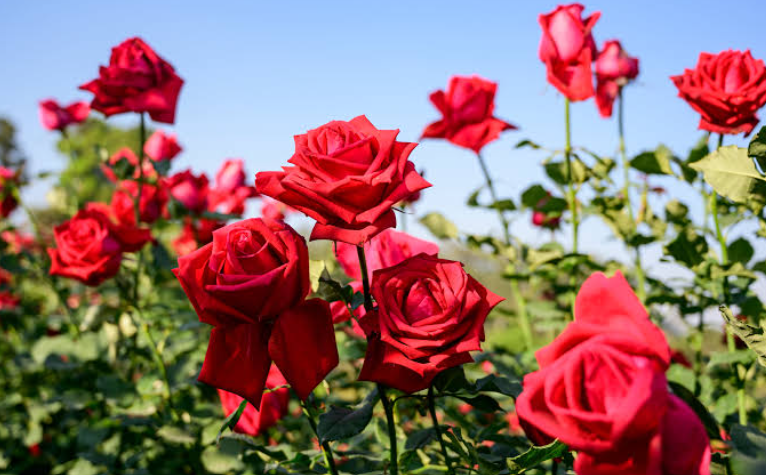
The rose is widely considered America’s most beloved flower, prized for its rich fragrance, wide range of colors, and deep cultural association with romance and celebration. Grown in countless varieties from climbing roses to compact shrub roses, it remains a dominant presence in both home gardens and the commercial cut-flower industry, and it was officially designated the national floral emblem of the United States in 1986.
Tulip
Tulips are among the most popular spring-blooming bulbs in America, valued for their clean, cup-shaped blooms and vibrant color range spanning nearly every hue except true blue. Widely planted in home gardens and public displays, tulips are especially associated with regional spring festivals, and their relatively short but spectacular blooming season makes them a much-anticipated seasonal highlight across much of the country.
Sunflower
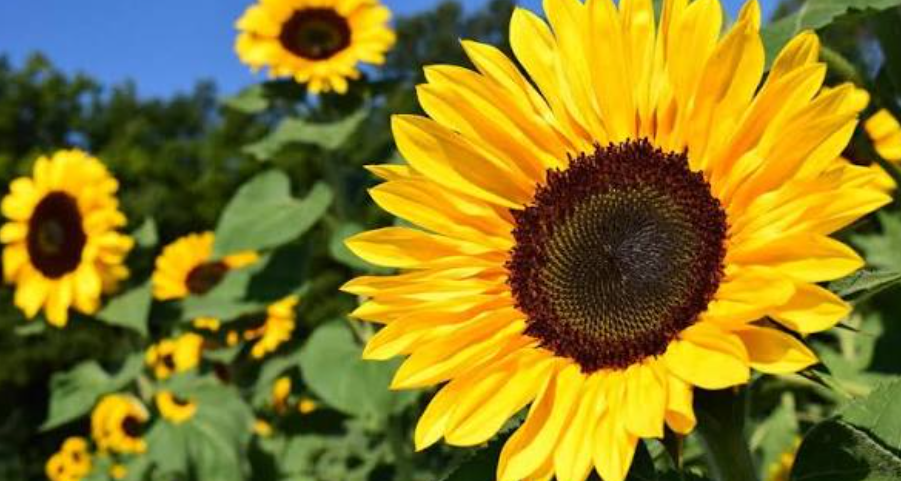
The sunflower is an iconic American flower known for its large, cheerful blooms and habit of turning to follow the sun in young plants, a behavior called heliotropism. Native to North America and historically cultivated by Indigenous peoples for food, sunflowers remain enormously popular in home gardens, as cut flowers, and in expansive agricultural fields grown for seed and oil production across the Midwest.
Daisy
The daisy, particularly the classic Shasta daisy, is treasured for its simple, cheerful white petals surrounding a bright yellow center, a form so familiar it has become a universal symbol of innocence and simplicity. Easy to grow and highly reliable in a wide range of climates, daisies are a staple of cottage gardens and casual bouquets throughout the United States.
Lily
Lilies are prized for their large, often fragrant, trumpet-shaped blooms and striking presence in both garden beds and floral arrangements. Varieties such as the Asiatic and Oriental lily are especially popular for their bold colors and long vase life, and lilies hold particular cultural significance around Easter, when white lilies are traditionally associated with the holiday.
Marigold
Marigolds are beloved for their bright orange and yellow blooms, easy care, and reputation for repelling certain garden pests, making them a favorite companion plant in vegetable gardens across the country. Their long blooming season from late spring through frost has made them a dependable staple in both formal beds and casual home gardens nationwide.
Peony
Peonies are cherished for their enormous, lush, ruffled blooms and sweet fragrance, blooming for a relatively brief but spectacular window each late spring. Long-lived perennials that can survive for decades in the right conditions, peonies hold particular popularity in the northern and midwestern United States, where their need for a cold winter chill period suits the regional climate especially well.
Daffodil
Daffodils are among the earliest and most cheerful signs of spring across much of the United States, recognized by their trumpet-shaped central corona surrounded by six petal-like segments in shades of yellow, white, and orange. Hardy, deer-resistant, and reliably perennial, daffodils are widely planted in mass drifts along roadsides, in home gardens, and in public parks to herald the changing season.
Zinnia
Zinnias are a favorite easy-care annual known for their vivid, long-lasting blooms in nearly every color of the rainbow, thriving in hot summer conditions across much of the country. Popular both in cutting gardens and as pollinator-friendly plantings, zinnias are especially valued by home gardeners for their reliability, fast growth from seed, and continuous blooming from early summer through the first frost.
Petunia
Petunias are among the most widely planted annual flowers in American gardens and containers, prized for their trumpet-shaped blooms, wide color range, and ability to bloom continuously throughout the entire growing season with minimal care. Their trailing and mounding growth habits make them especially popular in hanging baskets, window boxes, and border plantings across nearly every region of the country.
Chrysanthemum
Chrysanthemums, often simply called mums, are strongly associated with autumn in the United States, providing a burst of rich gold, orange, red, and purple color just as many other garden flowers are fading for the season. Widely sold at garden centers each fall alongside pumpkins and other seasonal décor, mums have become an essential part of the American autumn landscape.
Hydrangea
Hydrangeas are treasured for their enormous, rounded flower clusters, which in certain varieties can shift between blue and pink depending on the acidity of the surrounding soil, a chemistry-driven color change that fascinates many home gardeners. Popular as flowering shrubs in gardens across the eastern and southern United States in particular, hydrangeas are also a favorite choice for both fresh and dried floral arrangements.
Iris
The iris is known for its elegant, intricately structured blooms and sword-shaped foliage, available in an especially wide range of colors and patterns. The bearded iris in particular is a favorite among American gardeners for its striking ruffled petals, and the flower carries added significance as the state flower of Tennessee, reflecting its long-standing popularity throughout the American South.
Dahlia
Dahlias are prized for their remarkably diverse bloom forms, ranging from small, simple single flowers to enormous, intricately layered dinner-plate-sized blooms, making them a favorite among competitive growers and cut-flower enthusiasts alike. Native to Mexico and Central America, dahlias thrive in much of the United States as a striking late-summer and early-fall garden centerpiece.
Carnation
Carnations are a long-standing favorite in the American cut-flower trade, valued for their ruffled petals, pleasant clove-like fragrance, and impressively long vase life compared to many other cut flowers. Widely used in corsages, boutonnieres, and everyday bouquets, carnations are also closely associated with Mother’s Day, a connection that dates back to the holiday’s early twentieth-century American origins.
Orchid
Orchids have become an enormously popular houseplant and gift flower in the United States, admired for their exotic, long-lasting blooms and wide variety of colors and forms. While many orchid species require specialized care, hardier varieties such as the Phalaenopsis, or moth orchid, have made this once-rare luxury flower widely accessible in grocery stores and garden centers across the country.
Lavender
Lavender is beloved for its fragrant purple-blue flower spikes and silvery-green foliage, valued equally for its ornamental beauty, culinary and aromatic uses, and strong appeal to pollinators such as bees and butterflies. Particularly popular in drought-tolerant and cottage-style gardens across the country, lavender has also become closely associated with the wine country regions of California, where large lavender fields draw visitors each summer.
Hibiscus
Hibiscus flowers are prized for their large, showy, often trumpet-shaped blooms in vivid shades of red, pink, orange, and yellow, evoking a distinctly tropical feel wherever they are grown. Hardy hibiscus varieties thrive as far north as the Midwest, while tropical hibiscus is a signature plant across the American South and in Hawaii, where it holds particular cultural significance.
Black-Eyed Susan
The black-eyed Susan is a hardy native American wildflower recognized by its bright golden-yellow petals surrounding a dark brown central cone, thriving in prairies, roadsides, and gardens across much of the country with minimal care. A favorite among pollinator and native-plant gardeners, it also holds the distinction of being the state flower of Maryland.
Coneflower
The purple coneflower, or Echinacea, is a beloved native American prairie wildflower known for its distinctive drooping purple-pink petals surrounding a raised, spiky central cone. Valued both for its ornamental appeal and its long history of use in traditional herbal remedies, coneflower has become a staple of pollinator gardens and naturalized prairie plantings across the United States.
Cosmos
Cosmos are a favorite easy-growing annual known for their delicate, daisy-like blooms atop tall, feathery foliage, adding an airy, cottage-garden charm to summer flower beds. Extremely easy to grow from seed and highly attractive to butterflies and bees, cosmos have become a popular choice for casual gardeners seeking reliable summer color with minimal effort.
Snapdragon
Snapdragons are recognized by their distinctive tubular blooms arranged along tall spikes, which famously snap open and closed when gently squeezed at the sides, a trait especially delightful to children. Popular as both a cool-season garden flower and a long-lasting cut flower, snapdragons come in a wide range of vivid colors and remain a favorite in American cottage and cutting gardens.
Pansy
Pansies are cherished for their charming, face-like markings and remarkable cold tolerance, often among the first flowers planted in early spring and among the last to fade in late fall across much of the country. Their compact size and cheerful, varied coloring make them a favorite for containers, borders, and winter plantings in milder southern climates.
Geranium
Geraniums are a staple of American porches, patios, and window boxes, valued for their reliable, long-lasting clusters of red, pink, or white blooms and their tolerance of heat and occasional neglect. Easy to grow and widely available at garden centers each spring, geraniums remain one of the most commonly planted container flowers across the country.
Begonia
Begonias are prized for their glossy foliage and abundant, colorful blooms, thriving especially well in shaded garden areas where many other flowering plants struggle to perform. Popular in both garden beds and hanging containers, begonias offer American gardeners a dependable, low-maintenance source of color for spots that receive limited direct sunlight.
Impatiens
Impatiens are one of the most popular shade-garden annuals in the United States, valued for their continuous, prolific blooming in colors ranging from white to deep red without requiring direct sun exposure. Their reliable performance in shady yards and container plantings has made them a long-standing favorite for gardeners working with wooded or partially shaded properties.
Morning Glory
Morning glories are fast-growing flowering vines known for their trumpet-shaped blooms that open fresh each morning and close by afternoon, creating a daily cycle of renewal that many gardeners find especially charming. Popular for covering fences, trellises, and arbors quickly, morning glories are valued for their vigorous growth and vivid blue, purple, or pink coloring.
Poppy
Poppies are recognized by their delicate, tissue-paper-like petals and are grown widely across the United States both as cheerful garden annuals and as naturalized wildflowers, particularly the vibrant orange California poppy found blanketing hillsides each spring. Poppies also carry deep symbolic significance in America as a flower of remembrance, closely associated with Memorial Day and veterans’ commemorations.
Aster
Asters are treasured for their star-shaped blooms in shades of purple, pink, and blue, providing valuable late-season color just as many summer flowers begin to fade in early fall. Highly attractive to butterflies during their crucial autumn migration, asters are a favorite among native-plant and pollinator gardeners throughout much of the country.
Gladiolus
Gladiolus, often called “glads,” are known for their tall, dramatic flower spikes lined with ruffled blooms in an extensive range of colors, making them a favorite for both garden borders and striking cut-flower arrangements. Popular across much of the United States as a summer-blooming bulb, gladiolus are frequently featured in late-summer weddings and celebratory bouquets.
Hollyhock
Hollyhocks are beloved for their towering flower spikes, sometimes reaching six feet or more, lined with large, ruffled blooms in a wide range of colors, giving them a classic cottage-garden charm reminiscent of old-fashioned American farmhouses. Long a favorite along fences and building walls, hollyhocks self-seed readily and have remained a nostalgic garden staple for generations.
Foxglove
Foxglove is prized for its tall, elegant spikes lined with dozens of bell-shaped, speckled blooms, adding dramatic vertical interest to shaded and woodland-style gardens across the country. Though every part of the plant is toxic if ingested, foxglove remains a beloved ornamental for its striking form and its long history of medicinal significance as the original source of the heart medication digitalis.
Bleeding Heart
Bleeding heart is treasured for its uniquely shaped, heart-shaped pink or white blooms that dangle gracefully along arching stems, offering an early and distinctive splash of color in shaded spring gardens. A favorite of woodland and cottage garden enthusiasts across much of the northern United States, bleeding heart typically goes dormant in the heat of summer after its striking spring display.
Lupine
Lupine is admired for its tall spikes of densely packed, pea-like blooms in shades of blue, purple, pink, and white, often seen blanketing meadows and roadsides in dramatic natural displays, particularly across the northeastern and western United States. Valued both as a garden ornamental and as a beneficial nitrogen-fixing plant, lupine remains a favorite among native-plant enthusiasts.
Columbine
Columbine is recognized by its distinctive, delicate blooms featuring long, spurred petals that give the flower an almost whimsical, bell-like appearance, thriving especially well in woodland and rock garden settings. Native to much of North America, columbine is a favorite of hummingbirds and a beloved early-summer perennial across many regions of the country, including as the state flower of Colorado.
Phlox
Phlox is valued for its dense clusters of small, fragrant, star-shaped blooms available in both low-growing ground-cover varieties and taller garden types, providing reliable color throughout much of the growing season. Popular in cottage gardens and naturalized plantings alike, phlox is especially appreciated for its sweet evening fragrance and its strong appeal to butterflies and other pollinators.
Coreopsis
Coreopsis, often called tickseed, is a cheerful native American wildflower recognized by its bright yellow, daisy-like blooms and long flowering season stretching from early summer well into fall. Highly drought-tolerant and low-maintenance, coreopsis has become a popular choice for native-plant gardens and roadside plantings across much of the country.
Yarrow
Yarrow is valued for its flat-topped clusters of tiny blooms in white, yellow, and pink, sitting atop feathery, aromatic foliage that adds fine textural interest to garden beds. A tough, drought-tolerant native plant, yarrow is a favorite in pollinator gardens and xeriscaped landscapes throughout much of the United States.
Verbena
Verbena is prized for its dense clusters of small, brightly colored blooms and its ability to thrive in hot, sunny conditions with relatively little water, making it a popular choice in southern and southwestern American gardens. Its trailing growth habit also makes verbena a favorite for hanging baskets and container plantings across much of the country.
Salvia
Salvia, or ornamental sage, is beloved for its tall spikes of tubular blooms in shades of blue, purple, and red, providing long-lasting color and exceptional appeal to hummingbirds and pollinating insects throughout the summer months. Highly heat- and drought-tolerant, salvia has become an increasingly popular choice in water-wise gardens across much of the country.
Bee Balm
Bee balm is a native American wildflower recognized by its shaggy, firework-like blooms in shades of red, pink, and purple, strongly attracting hummingbirds, bees, and butterflies throughout its summer blooming season. Also valued historically for its aromatic foliage, which has been used in herbal teas, bee balm remains a favorite in native and pollinator-focused American gardens.
Butterfly Weed
Butterfly weed is a native milkweed species prized for its brilliant orange clusters of blooms and its essential role as a host plant for monarch butterfly caterpillars, making it an increasingly popular choice among conservation-minded American gardeners. Highly drought-tolerant once established, butterfly weed thrives in sunny prairie and roadside conditions across much of the country.
Goldenrod
Goldenrod is a hardy native wildflower recognized by its plume-like clusters of tiny golden-yellow blooms, providing a vital late-season nectar source for pollinators preparing for winter across much of the United States. Long unfairly blamed for causing seasonal allergies, a reputation more accurately attributed to the less conspicuous ragweed blooming at the same time, goldenrod remains an important and increasingly appreciated native prairie and meadow plant.
Trillium
Trillium is a beloved native woodland wildflower recognized by its simple, three-petaled bloom rising above a whorl of three broad leaves, emerging briefly each spring in shaded forest settings across much of the eastern United States. Slow-growing and often protected in the wild due to its sensitivity to disturbance, trillium is treasured by native-plant enthusiasts as a delicate signal of the arrival of spring.
Magnolia
The magnolia is celebrated for its enormous, fragrant, waxy-petaled blooms and its status as an iconic tree of the American South, where its glossy evergreen foliage and dramatic spring flowers have made it a defining feature of southern landscapes and architecture. Magnolia blossoms hold particular cultural significance in states such as Mississippi and Louisiana, where the tree is deeply woven into regional identity.
Azalea
Azaleas are treasured for their dense clusters of vividly colored spring blooms, blanketing entire shrubs in shades of pink, red, white, and purple, and are especially beloved across the American South, where they form the centerpiece of numerous spring garden festivals. Their relatively compact size and shade tolerance make azaleas a favorite understory shrub in woodland and foundation plantings nationwide.
Rhododendron
Rhododendrons are prized for their large, rounded clusters of showy blooms and glossy evergreen foliage, thriving particularly well in the cooler, moist climates of the Pacific Northwest and Appalachian regions. Closely related to azaleas but generally larger in both plant size and individual bloom, rhododendrons are a beloved flowering shrub across much of the northern and mountainous United States.
Camellia
Camellias are celebrated for their elegant, rose-like blooms and glossy, deep-green evergreen foliage, flowering during the cooler months of fall through early spring when few other shrubs are in bloom. Especially popular across the American South, camellias hold the distinction of being the official state flower of Alabama, reflecting their long-standing regional popularity.
Wisteria
Wisteria is renowned for its dramatic, cascading clusters of fragrant purple or white blooms, draping gracefully over pergolas, arbors, and fences each spring across much of the country. Its vigorous, fast-growing vines require sturdy support and regular pruning, but the payoff is one of the most visually spectacular flowering displays found in American gardens.
Clematis
Clematis is a popular flowering vine known for its large, star-shaped blooms in a wide range of colors, often described as the “queen of climbers” for its ability to dramatically cover trellises, fences, and arbors throughout the growing season. Valued for its long blooming period and versatility, clematis remains a favorite vertical accent in American gardens of nearly every style.
Honeysuckle
Honeysuckle is beloved for its sweetly fragrant, tubular blooms that attract hummingbirds and are famously enjoyed by children who pluck the flowers to taste their nectar, a nostalgic rite of passage in many American backyards. Vigorous and fast-growing, honeysuckle vines are popular for covering fences and trellises, particularly in warmer regions of the country.
Sweet Pea
Sweet peas are cherished for their delicate, ruffled blooms and famously sweet fragrance, making them a favorite cool-season annual for cutting gardens across much of the country. Their climbing habit and wide range of pastel colors have made sweet peas a long-standing favorite for spring bouquets and cottage-garden trellis plantings.
Ranunculus
Ranunculus has surged in popularity in recent years among American gardeners and florists for its extraordinarily layered, rose-like blooms in an unusually wide and vivid range of colors. Grown from small tuberous roots and typically planted in cooler months in mild climates, ranunculus has become a favorite for spring weddings and high-end floral arrangements.
Amaryllis
Amaryllis is best known in America as a beloved winter holiday flower, prized for its enormous, dramatic trumpet-shaped blooms that emerge from an easy-to-grow bulb, often given as a gift or forced into bloom indoors during the Christmas season. Its bold, statement-making flowers make it a favorite centerpiece for winter indoor décor across the country.
Crocus
Crocus is treasured as one of the very first flowers to bloom each year, often pushing up through late snow to display its cheerful cup-shaped blooms in shades of purple, yellow, and white. A welcome early sign of spring across much of the United States, crocus is widely planted in lawns, borders, and naturalized drifts for its reliable, low-maintenance early color.
Hyacinth
Hyacinth is prized for its dense spikes of intensely fragrant, tightly packed blooms, filling gardens and homes alike with a distinctive sweet scent each early spring. Popular both as an outdoor spring bulb and as a forced indoor bloom during the winter months, hyacinth remains a favorite for its unmatched fragrance among spring-flowering bulbs.
Bluebonnet
The bluebonnet is a beloved native wildflower closely associated with Texas, where vast fields of its deep blue, lupine-like blooms create a spectacular annual spring display along highways and open fields. Serving as the official state flower of Texas, the bluebonnet holds deep cultural significance, drawing visitors each spring for photography and celebration of the state’s natural beauty.
California Poppy
The California poppy is a vibrant orange wildflower renowned for blanketing hillsides and open fields across California in a dazzling springtime display, particularly following wet winters that encourage especially abundant blooms. As the official state flower of California, it holds strong cultural and ecological significance, and its drought tolerance has also made it an increasingly popular choice for water-wise gardens.
Indian Paintbrush
Indian paintbrush is a striking native wildflower recognized by its brush-like clusters of vivid red, orange, or yellow bracts, often found growing alongside bluebonnets in mixed wildflower displays across the American Southwest and Great Plains. Partially parasitic on the roots of neighboring plants, Indian paintbrush is prized by native-plant enthusiasts for its bold, fiery color and its role in classic regional wildflower landscapes.
Cherry Blossom
Cherry blossoms, the delicate pink and white flowers of ornamental cherry trees, have become one of the most celebrated seasonal flower displays in the United States, most famously along the Tidal Basin in Washington, D.C., where the trees were a gift from Japan in the early twentieth century. Drawing enormous crowds each spring for the brief but spectacular blooming period, cherry blossoms have become a cherished symbol of springtime renewal across many American cities.