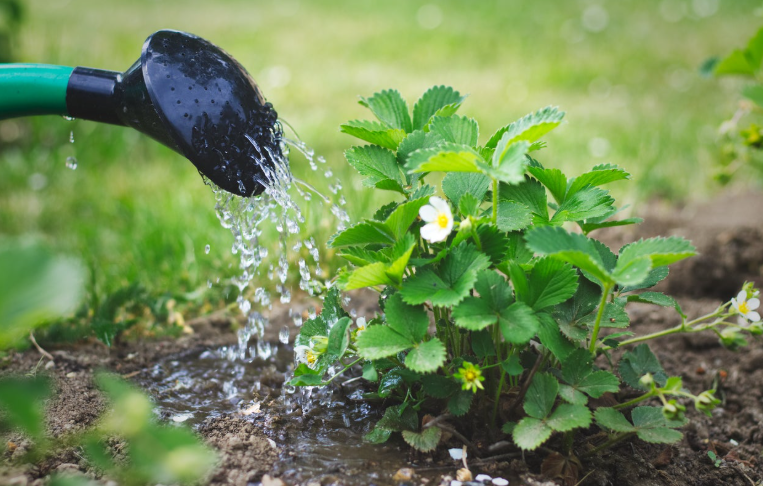
Sprinkler irrigation is one of the most common ways home gardeners water their strawberry patches, largely because it’s simple to set up, works well for larger beds, and doesn’t require the more involved installation that drip systems often call for. At the same time, sprinkler watering comes with real tradeoffs that are worth understanding before relying on it as your main irrigation method. Because sprinklers wet the entire plant, including the leaves and fruit, they carry a higher risk of fungal disease compared to drip irrigation or soaker hoses.
That doesn’t mean sprinklers can’t be used successfully with strawberries; it just means using them well requires a bit more attention to timing, technique, and follow-up care than a hands-off approach would allow. This guide walks through everything you need to know to water strawberries effectively and safely using a sprinkler head, including when sprinklers make sense, how to minimize the downsides, and what to watch for once this method is in place.
How Sprinkler Irrigation Works for Strawberries
A sprinkler head distributes water over an area by spraying it through the air, covering the entire bed at once rather than targeting the base of individual plants the way drip irrigation does. This makes sprinklers efficient for covering larger strawberry beds quickly and evenly, without the need to run individual lines or emitters to each plant. Oscillating sprinklers, rotary sprinklers, and impact sprinklers are all common types used in home gardens, each distributing water in a slightly different pattern but accomplishing the same basic goal of wetting a broad area.
For strawberries specifically, the appeal of a sprinkler is largely about convenience and upfront simplicity. A single sprinkler connected to a hose can water an entire row or bed without any additional setup, which makes it an easy starting point for gardeners who aren’t ready to invest in a drip system.
Also Read: Guide to Strawberry Irrigation
The Main Drawback: Wet Foliage and Fruit
The central issue with sprinkler watering for strawberries is that it wets the leaves, flowers, and fruit along with the soil. Strawberries are particularly susceptible to several fungal diseases, including gray mold, leaf spot, and powdery mildew, all of which thrive in damp, humid conditions. When foliage stays wet for extended periods, especially overnight, it creates an ideal environment for these diseases to take hold and spread through a bed.
This is the main reason drip irrigation and soaker hoses are generally recommended as the preferred watering method for strawberries. However, sprinklers remain a workable option for many gardeners, particularly those with larger beds or without easy access to drip equipment, as long as a few key adjustments are made to reduce the associated risks.
Best Time of Day to Use a Sprinkler
Timing is the single most important factor in reducing disease risk when using a sprinkler on strawberries. Watering in the early morning, ideally as early as is practical, gives the sun and the day’s natural airflow time to dry the foliage before evening sets in. This matters because damp leaves overnight, when temperatures drop and humidity rises, create the most favorable conditions for fungal spores to germinate and spread.
Avoid watering in the evening or at night with a sprinkler, since this is when foliage is most likely to stay wet for many hours without the benefit of sun and air movement to dry it out. Even watering in the middle of a hot afternoon isn’t ideal, since a significant portion of the water can evaporate before it reaches the soil, reducing the efficiency of the watering session, though this is a lesser concern than the disease risk associated with evening watering.
How Much to Water
Strawberries generally need about one to one and a half inches of water per week, whether through rainfall, sprinkler irrigation, or another method. When using a sprinkler, it helps to periodically check how much water is actually being delivered, since sprinkler output can vary quite a bit depending on water pressure, the type of sprinkler head, and how far the bed is from the sprinkler’s center point.
A simple way to measure sprinkler output is to place a few shallow, straight-sided containers, such as empty tuna cans or small dishes, at different points across the bed while the sprinkler runs, and check how much water collects in each after a set period of time, such as fifteen or thirty minutes. This lets you calculate roughly how long the sprinkler needs to run to deliver the full one to one and a half inches over the course of a week, and also reveals whether some areas of the bed are receiving noticeably more or less water than others, which is common with sprinkler coverage, especially near the outer edges of the spray pattern.
Choosing the Right Sprinkler Type
Not all sprinkler heads distribute water the same way, and choosing the right type can help reduce some of the downsides associated with this watering method.
Oscillating sprinklers move a spray bar back and forth to cover a rectangular area, making them a reasonable fit for straight rows of strawberries, though they tend to produce larger water droplets that can compact soil over time and contribute more directly to wetting the foliage heavily.
Rotary sprinklers, which rotate in a circular pattern, tend to apply water more gently and evenly, often in a finer spray that’s somewhat less likely to compact soil or oversaturate foliage compared to a heavy oscillating spray.
Micro-sprinklers, which are smaller, low-output sprinkler heads often used in raised beds or smaller garden areas, apply water more gently and at a slower rate than standard hose-end sprinklers, which can reduce runoff and improve how evenly moisture soaks into the soil, though foliage still gets wet with this method just as with any other sprinkler type.
For a strawberry bed specifically, a gentler, more even spray pattern is generally preferable to a heavy, forceful spray, both to reduce soil compaction around the shallow root zone and to minimize excessive pooling of water on the leaves and fruit.
Positioning and Coverage
Getting even coverage across a strawberry bed with a sprinkler takes a bit of attention to placement. Because sprinkler spray patterns often deliver more water near the center of their range and less toward the edges, beds should be laid out, where possible, so that the sprinkler’s most consistent coverage area aligns with where the plants are growing. Overlapping the coverage area of multiple sprinklers, if using more than one, can also help even out the amount of water each part of the bed receives.
Periodically walking the bed after a watering session to check for noticeably drier patches, particularly near the outer edges of the sprinkler’s range, helps catch coverage gaps before they lead to visibly stressed or underwatered plants in those spots.
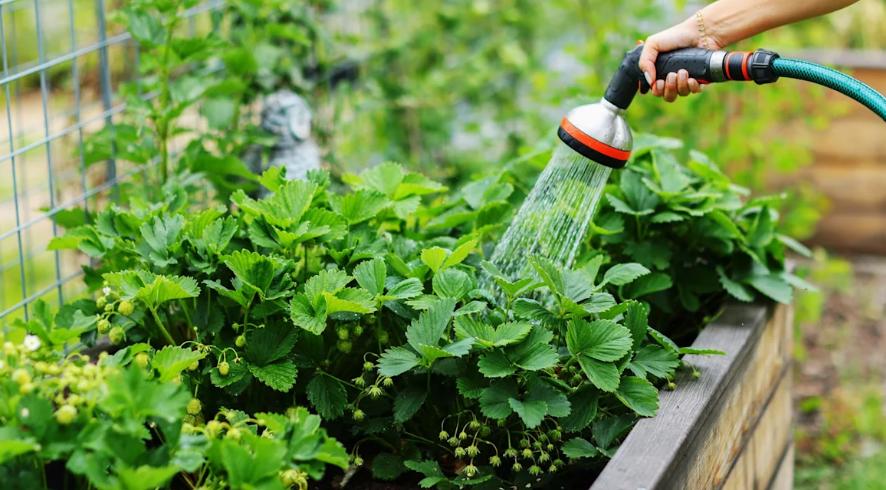
Reducing Disease Risk When Using a Sprinkler
Beyond watering early in the day, a few additional practices help offset the disease risk that comes with sprinkler use. Proper plant spacing, generally twelve to eighteen inches between plants with rows spaced two to three feet apart, allows better air circulation through the bed, helping foliage dry faster after a sprinkler session compared to an overcrowded planting. Mulching around the base of plants, while not directly related to sprinkler use, helps reduce soil splash-back onto the lower leaves and fruit during watering, which can otherwise introduce soil-borne fungal spores directly onto the plant.
Removing any visibly diseased leaves promptly, rather than leaving them in the bed, also reduces the amount of fungal spores present that could spread further during future watering sessions. Combined with morning watering, these practices meaningfully reduce, though don’t fully eliminate, the elevated disease risk associated with sprinkler irrigation compared to drip or soaker hose methods.
Also Read: Simple Guide to Best Conditions for Growing Strawberries
When a Sprinkler Makes Sense
Despite the drawbacks, there are situations where sprinkler watering is a reasonable, practical choice for a strawberry patch. Larger beds or rows that would require significant time and material investment to set up a full drip system may be more efficiently watered with a sprinkler, at least until a more targeted system can be installed. Gardeners in drier climates with lower humidity and good airflow may also find that the disease risk associated with sprinkler use is somewhat reduced compared to humid regions, since foliage dries more quickly in dry air even after a thorough watering.
Sprinklers can also serve a useful supplementary role, such as providing an initial thorough watering after planting new strawberry starts, before transitioning to a more targeted watering method like drip irrigation or soaker hoses for ongoing maintenance through the season.
Transitioning Away From Sprinkler Watering
For gardeners who start with sprinkler irrigation and later want to reduce disease pressure in their strawberry bed, transitioning to drip irrigation or soaker hoses is a straightforward upgrade. Drip lines or soaker hoses can often be laid directly along existing strawberry rows and covered with mulch, requiring only a hose connection and, optionally, a simple timer to automate the schedule. Many gardeners find that once a drip system is in place, they see a noticeable reduction in fungal disease issues compared to their previous sprinkler-based watering routine, along with the added benefit of reduced water waste from evaporation and overspray.
Signs to Watch for With Sprinkler Watering
Because sprinkler-watered strawberry beds carry a higher baseline risk for fungal issues, it’s worth checking plants regularly for early warning signs. Gray, fuzzy mold developing on ripening fruit is one of the most common problems associated with consistently wet foliage and fruit. Dark or reddish-brown spots on leaves can indicate the early stages of leaf spot disease, while a white, powdery coating on leaves points to powdery mildew. Catching these signs early, and adjusting watering timing or improving air circulation in response, can prevent a manageable issue from turning into a bed-wide problem.
Also Read: When to Plant Strawberries
Final Thoughts
Watering strawberries with a sprinkler head is a workable approach, particularly for larger beds or as a simple starting point, but it does come with a higher disease risk compared to drip irrigation or soaker hoses due to the wet foliage and fruit that sprinklers inevitably produce. Watering early in the morning, choosing a gentler sprinkler type, ensuring even coverage, and maintaining good plant spacing and mulch all help offset this added risk. For gardeners looking to minimize disease pressure over the long term, transitioning to a more targeted watering method like drip irrigation is often worth the investment, but with the right precautions in place, a sprinkler can still support a healthy, productive strawberry patch throughout the growing season.