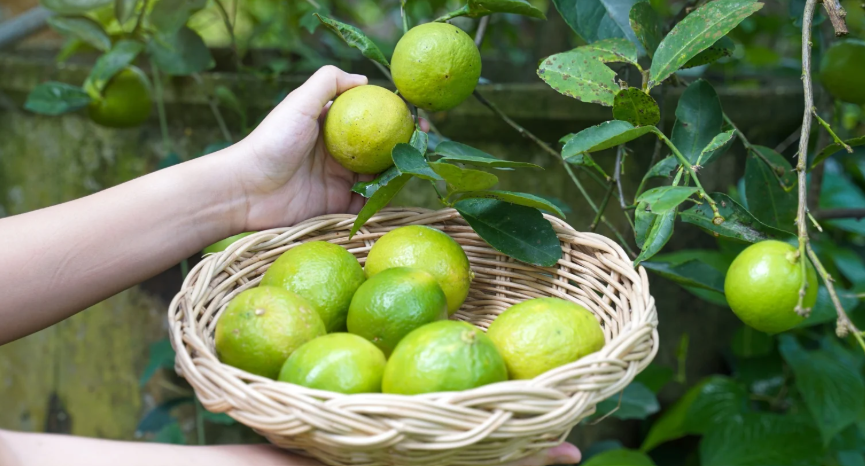
Knowing the best time to pick limes is one of the most important skills a home citrus grower can develop, because unlike many other fruits, limes give few obvious visual cues when they are ready for harvest. A ripe apple turns red, a ripe banana turns yellow, but a lime often stays green even at peak ripeness, leaving many gardeners to either harvest too early and end up with underdeveloped, overly sour fruit, or wait too long and lose flavor and juice quality. Understanding the signs of ripeness, the seasonal timing, and the techniques that make harvesting easier can mean the difference between a bowl of disappointing fruit and a steady supply of juicy, aromatic limes ready for the kitchen.
Why Timing Matters So Much With Limes
Limes are unusual among citrus fruits because they are frequently harvested and consumed while still green, unlike lemons or oranges, which are almost always left to fully color before picking. This means that “ripe” for a lime does not always mean the same thing it does for other fruit. A lime can be perfectly juicy, flavorful, and ready to use while its skin is still a deep green, and if left on the tree too long, it will eventually turn yellow, soften, and lose some of the sharp acidity that makes it so useful in cooking and drinks. Because visual cues are so unreliable, growers need to rely on a combination of size, weight, texture, and the calendar to determine when a lime has reached its ideal picking window.
Also Read: How To Grow And Care For Key Lime Trees
The General Growing Season for Limes
Most lime varieties, including the widely grown Persian lime and the smaller, more aromatic Key lime, are ready for harvest at different points depending on climate and variety, but a general pattern holds true across most growing regions. Limes typically flower in the spring, and the fruit takes anywhere from three to six months to develop from a small green pea-sized nub into a full-sized, harvestable fruit. In most subtropical and tropical climates, this means the primary harvest season runs from late summer through late fall, though because citrus trees often flower in flushes rather than all at once, a healthy, mature lime tree may produce fruit intermittently throughout much of the year. Gardeners in warmer climates, particularly USDA zones 9 through 11, often find that their trees provide a light but steady trickle of fruit outside the main season, supplementing the larger harvest that arrives in the cooler months.
Signs a Lime Is Ready to Pick
Since color is not a dependable indicator, experienced growers look for several other signs when deciding whether fruit is ready to come off the tree. Size is one of the most useful markers, since limes generally stop growing once they reach their variety’s typical mature size, so a fruit that matches the expected dimensions for its type is usually a good candidate for harvest. Weight is another reliable clue, as a ripe lime will feel heavy for its size due to its high juice content, while an underripe fruit often feels light and somewhat hollow in the hand. The skin texture also changes subtly as the fruit matures, becoming slightly smoother and more glossy, and giving just a little when gently squeezed rather than feeling rock hard. Finally, a light citrus fragrance released when the skin is lightly scratched can also indicate that the oils in the rind have developed fully, another sign that the fruit inside is ready for use.
Should You Wait for Yellow Limes?
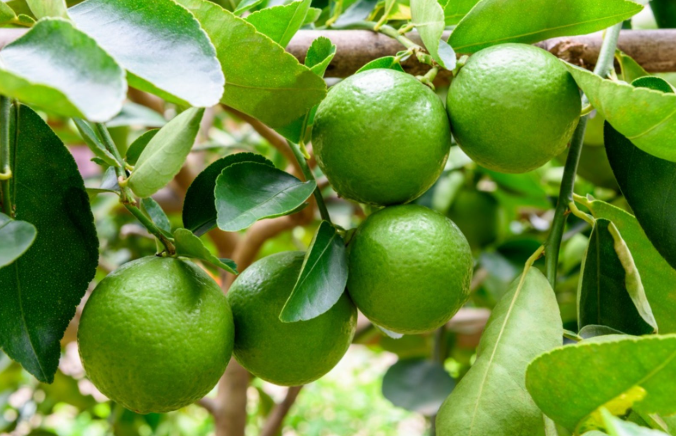
Many gardeners wonder whether they should leave their limes on the tree until they turn yellow, since this is the fruit’s fully ripe state. While a yellow lime is technically more mature and often slightly sweeter with lower acidity, most cooks and commercial growers actually prefer to harvest limes while they are still green, because this is when the flavor is most vibrant, tart, and aromatic, which is exactly what most recipes are looking for. Waiting for a lime to turn yellow often results in a softer fruit with a milder, less distinctive flavor, and the fruit becomes more prone to splitting or dropping from the tree on its own. For this reason, most growers treat the green stage, once the fruit has reached full size and firmness, as the true best time to pick limes rather than waiting for a color change that may actually diminish quality.
How Often to Check Your Tree
Because lime trees can flower and set fruit in flushes throughout the growing season, especially in warmer climates, it is worth checking a mature tree every one to two weeks once flowering has occurred and fruit has begun to form. This regular monitoring allows growers to catch fruit at its peak rather than missing the window and ending up with overripe, yellowed limes that have already begun to lose their best qualities. Trees that are still young or newly planted may only produce a small handful of fruit in their first couple of productive years, making it easier to keep track of individual limes as they develop, while mature, established trees may require more frequent walks around the canopy to catch fruit ready across different branches and light exposures.
The Best Time of Day to Harvest
Beyond the seasonal question of when limes are ready, there is also a practical consideration of what time of day is best for the actual picking. Many experienced citrus growers recommend harvesting in the cooler parts of the day, either early morning or late afternoon, rather than during the heat of midday. Fruit picked during cooler hours tends to retain more moisture and stays fresher longer after harvest, while fruit picked during peak heat can already be somewhat dehydrated from sun exposure, slightly reducing juice yield and shelf life. Morning harvesting in particular is popular because the fruit has had all night to cool down and rehydrate from the previous day’s heat.
How to Harvest Without Damaging the Tree
Proper technique matters almost as much as timing when it comes to harvesting limes successfully. Rather than pulling or twisting fruit directly off the branch, which can tear the stem and create an open wound that invites disease or pest damage, it is best to use a pair of clean pruning shears or scissors to snip the fruit free, leaving a small piece of stem attached. This method reduces stress on the tree, minimizes the risk of damaging nearby branches or flowers, and results in fruit that stores better since the stem end is less likely to rot quickly after picking. Because lime trees, particularly Key lime varieties, often have sharp thorns along their branches, wearing gloves and long sleeves during harvest is a simple way to avoid scratches while reaching into the canopy.
What Happens If You Pick Too Early or Too Late
Timing errors in either direction come with consequences worth understanding. Fruit picked too early, before it has reached full size and juice development, will often be excessively sour, thin-skinned, and low in juice yield, since the fruit has not had enough time on the tree to develop properly. On the other hand, fruit left too long past its ideal window may become overly soft, prone to splitting, or fall from the tree prematurely, and it may also begin attracting pests or developing rot while still attached to the branch. Striking the right balance by learning to read the signs of size, weight, and firmness rather than relying on color alone is the surest way to consistently harvest limes at their best.
Storing Limes After Harvest
Once picked, limes can be stored at room temperature for about a week, or refrigerated in a plastic bag for up to a month, which allows growers to harvest a larger batch at once and use the fruit gradually. Storing limes properly after harvest is just as important as timing the pick itself, since fruit that is left out in warm, humid conditions will soften and spoil more quickly than fruit kept cool and slightly humid. For gardeners with productive trees, spacing out harvests every couple of weeks and using proper storage in between allows for a fairly steady supply of fresh limes without letting any of the fruit go to waste on the tree or in the kitchen.
Also Read: How To Prune Key Lime Tree
Final Thoughts
Learning to recognize the best time to pick limes takes a bit of hands-on experience, since so much of the process relies on touch, weight, and size rather than the more obvious color cues used with other fruits. By paying attention to the tree’s flowering patterns, checking fruit regularly during the growing season, and using size and firmness rather than color as the primary guide, home growers can consistently harvest limes at the peak of flavor and juiciness. With a little practice, most gardeners find that timing lime harvests becomes second nature, rewarding them with a steady supply of fresh, tart fruit throughout much of the year.