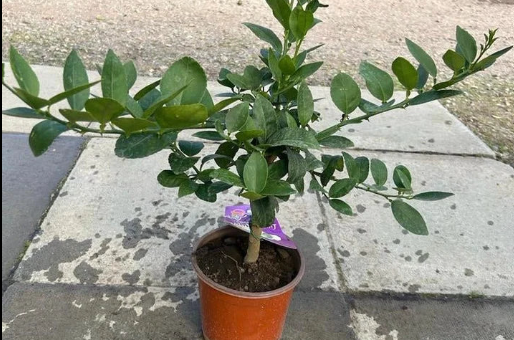
Few citrus fruits carry as much culinary identity as the small, thin-skinned lime that gave its name to one of the most beloved desserts in American cooking. Smaller than the common Persian lime found in most grocery stores, this fruit is prized for a floral, tart flavor that is more intense and slightly more bitter than its larger cousin. The tree that produces it is compact, thorny, and highly ornamental, often grown as much for its glossy foliage and fragrant white blossoms as for its fruit. Native to Southeast Asia and later spread throughout the Caribbean and Florida by early traders and settlers, this lime has become deeply woven into the culinary traditions of subtropical regions, particularly in the southern United States. In this article, you are going to learn How to Grow and Care For a Key Lime Tree.
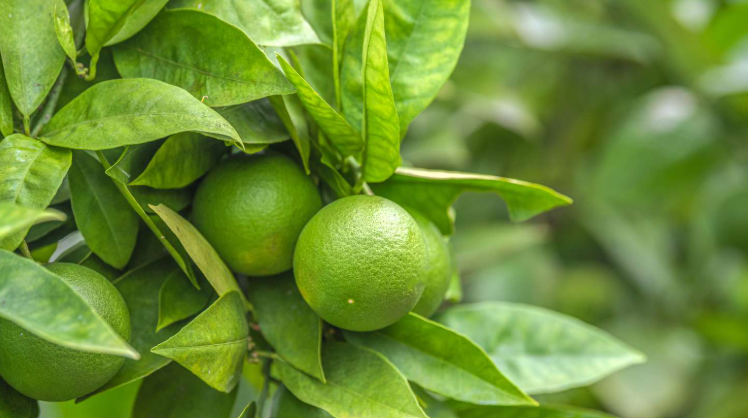
The fruit itself is round to oval, typically no larger than a golf ball, and ripens from green to a pale yellow when fully mature, though many cooks harvest it while still green for a sharper, more acidic flavor. Its rind is thin and aromatic, releasing a distinctive fragrance when zested, while the flesh inside is segmented, juicy, and packed with seeds compared to seedless commercial limes. The juice yield per fruit is modest, which is why recipes calling for this lime often require a dozen or more to produce a single cup of juice. This concentrated, complex flavor profile is precisely what sets it apart in pies, cocktails, marinades, and dressings, where a small amount goes a long way toward brightening a dish.
The tree itself is a small, shrubby evergreen that rarely exceeds fifteen feet in height when left unpruned, and is frequently kept much smaller through regular trimming or container cultivation. Its branches are slender and armed with sharp spines, a trait that distinguishes it from many other citrus varieties and one gardeners should keep in mind when placing it near walkways or play areas. The leaves are small, oval, and a deep glossy green, releasing a citrus scent when crushed, while the flowers are white, star-shaped, and intensely fragrant, often blooming in flushes throughout the warm months. Bees are drawn readily to the blossoms, making this tree a useful addition to a pollinator-friendly garden as well as a productive one.
Climate plays a defining role in how successfully this tree can be grown. It thrives in USDA hardiness zones 9 through 11, where temperatures rarely dip below freezing, and it is notably more cold-sensitive than many other citrus varieties, suffering damage or death at temperatures much below thirty degrees Fahrenheit. This sensitivity is part of why the tree has historically been associated with South Florida, particularly the Florida Keys, where the fruit takes its common name, even though large-scale commercial production has since shifted primarily to Mexico following hurricane damage to Florida groves in the twentieth century. Gardeners outside these warm zones can still enjoy growing the tree successfully by keeping it in a container that can be moved indoors during cold snaps.
Beyond its culinary and ornamental value, the tree holds a certain sentimental and historical charm for home gardeners. It is often passed down as a treasured dooryard tree in older Florida homes, and its association with a singular, iconic dessert gives it a kind of cultural celebrity that few other citrus trees enjoy. For gardeners in warm climates or those willing to grow it in a pot, cultivating this tree offers the reward of homegrown fruit with a flavor that store-bought limes simply cannot replicate, along with fragrant blooms and attractive foliage that make it a rewarding addition to any citrus collection.
Also Read: How to Grow Key Limes From Seed
How to Grow and Care for a Key Lime Tree
1. Choose the right climate or growing method. This tree performs best in consistently warm, frost-free conditions, making it ideal for gardeners in USDA zones 9 through 11. Those in cooler regions should plan to grow it in a container that can be relocated indoors or to a sheltered spot whenever temperatures threaten to drop toward freezing.
2. Select a sunny planting location. Full sun is essential for healthy growth, abundant flowering, and good fruit production, so choose a spot that receives at least six to eight hours of direct sunlight daily. Insufficient light leads to leggy growth, sparse flowering, and reduced fruit yield over time.
3. Prepare well-draining soil. This tree is highly susceptible to root rot in soggy conditions, so soil that drains freely is critical to its long-term health. A sandy loam amended with organic matter works well, and gardeners with heavy clay soil should consider raised beds or container planting instead.
4. Plant at the correct depth and spacing. When planting in the ground, position the tree so the graft union sits a few inches above the soil line, and space multiple trees at least ten to fifteen feet apart to allow for mature canopy spread. Backfill gently and avoid burying the trunk too deeply, which can encourage fungal issues.
5. Water consistently but avoid overwatering. Young trees need regular watering to establish a strong root system, typically two to three times per week depending on climate and soil type. Once established, allow the top few inches of soil to dry out between waterings, since consistently wet roots are a leading cause of decline.
6. Mulch around the base. A two to three inch layer of organic mulch, kept a few inches away from the trunk itself, helps retain soil moisture, moderate root temperature, and suppress competing weeds. Replenish the mulch layer periodically as it breaks down over the growing season.
7. Fertilize on a regular schedule. Citrus trees are heavy feeders, so applying a fertilizer formulated specifically for citrus every six to eight weeks during the active growing season supports strong growth and fruit production. Look for a blend that includes micronutrients like magnesium, manganese, and zinc, which citrus trees often need in larger quantities than general-purpose fertilizers provide.
8. Protect against cold snaps. Because this variety is more cold-sensitive than many other citrus types, sudden temperature drops can cause significant damage or even kill the tree outright. Cover in-ground trees with frost cloth during unexpected cold events, or move potted specimens indoors or into a garage until temperatures stabilize.
9. Prune to shape and improve airflow. Light pruning after the fruiting season helps maintain a manageable size, removes dead or crossing branches, and improves air circulation through the canopy, which reduces the risk of fungal disease. Avoid heavy pruning, since this can reduce the following season’s flower and fruit production.
Also Read: Fertilizing Key Lime Trees
10. Watch for common pests. Aphids, citrus leafminers, scale insects, and spider mites are among the most frequent pests to affect this tree, often appearing on new growth or the undersides of leaves. Regular inspection allows for early intervention with insecticidal soap or horticultural oil before infestations become severe.
11. Monitor for citrus diseases. Conditions like citrus canker and root rot can pose serious threats, particularly in humid climates or poorly drained soil. Removing affected foliage promptly, avoiding overhead watering, and ensuring good drainage are key preventive steps against disease spread.
12. Support pollination for better fruit set. While this tree is largely self-fertile and does not require a second tree for pollination, encouraging bee activity in the garden by avoiding pesticide use during bloom periods can improve fruit set. Hand pollination with a small brush is also an option for container-grown trees kept indoors during flowering.
13. Repot container-grown trees as needed. Trees grown in pots will eventually outgrow their containers and require repotting into a slightly larger pot every two to three years. Use a well-draining citrus or general potting mix and refresh the soil at the same time to replenish depleted nutrients.
14. Harvest fruit at the right stage. Fruit can be picked while still green for the classic tart flavor associated with this variety, or left on the tree longer to ripen to a pale yellow for a slightly milder, sweeter juice. A gentle twist or snip with pruning shears is usually enough to remove ripe fruit without damaging the branch.
15. Be patient with young trees. Trees grown from seed can take several years to begin fruiting, while grafted nursery specimens typically bear fruit much sooner, sometimes within the first one to two years after planting. Consistent care during these early years establishes the strong root system and canopy structure needed for reliable fruit production down the road.
Also Read: Common Key Lime Tree Diseases