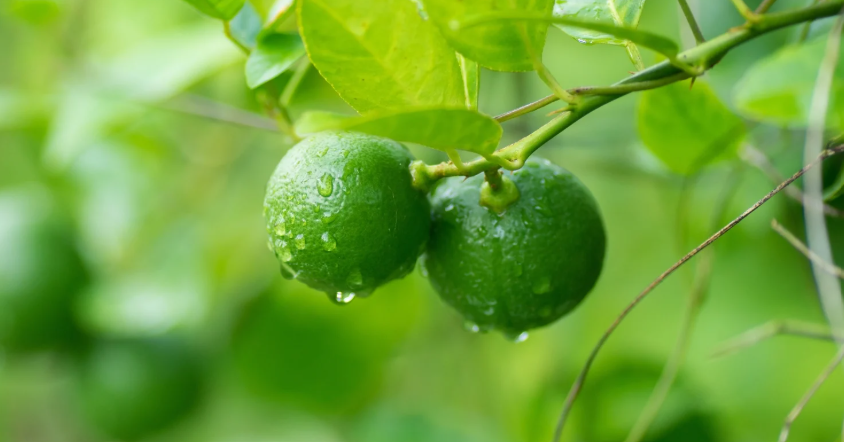
The key lime tree (Citrus aurantiifolia) is a small, thorny citrus variety prized for its intensely aromatic, tangy fruit that’s smaller and more acidic than the common Persian lime. Native to Southeast Asia and later spread through the Caribbean and Florida, it’s the classic ingredient behind key lime pie and countless tropical cuisines. The tree itself rarely grows taller than 6 to 13 feet, making it a manageable choice for home gardeners with the right climate.
Unlike many citrus trees, the key lime is remarkably prolific, often producing fruit multiple times a year once mature. Its glossy, dark green leaves release a distinct citrus fragrance when crushed, and the tree produces small white flowers with a sweet scent that attract pollinators throughout the growing season. The fruit itself ripens from green to a pale yellow, though many cooks harvest it while still green for the sharpest flavor.
Key lime trees thrive in warm, subtropical to tropical climates and are notably more cold-sensitive than other citrus varieties, struggling in temperatures below 30°F. They demand full sun exposure, at least six to eight hours a day, to develop robust fruit production and healthy foliage. Well-draining, slightly acidic soil is essential, as the roots are prone to rot in waterlogged conditions.
One defining feature of the key lime tree is its dense, thorny branching structure, which can make maintenance a bit more challenging compared to thornless citrus varieties. This natural growth habit tends toward a bushy, somewhat unruly shape if left unmanaged, which is part of why regular care matters so much for this particular tree.
Container growing has become increasingly popular for key lime trees, especially in regions with colder winters, since potted specimens can be moved indoors when temperatures drop. This flexibility has made the tree accessible to gardeners well outside its natural tropical range, provided they’re willing to monitor watering and light needs closely in an indoor setting.
Beyond its culinary value, the key lime tree holds ornamental appeal too, with its evergreen foliage, fragrant blossoms, and colorful fruit offering visual interest across multiple seasons. Whether grown in a backyard grove, a container on a patio, or as part of a mixed citrus planting, it rewards attentive care with a generous, flavorful harvest.
Also Read: How To Prune a Key Lime Tree
Key Lime Tree Diseases
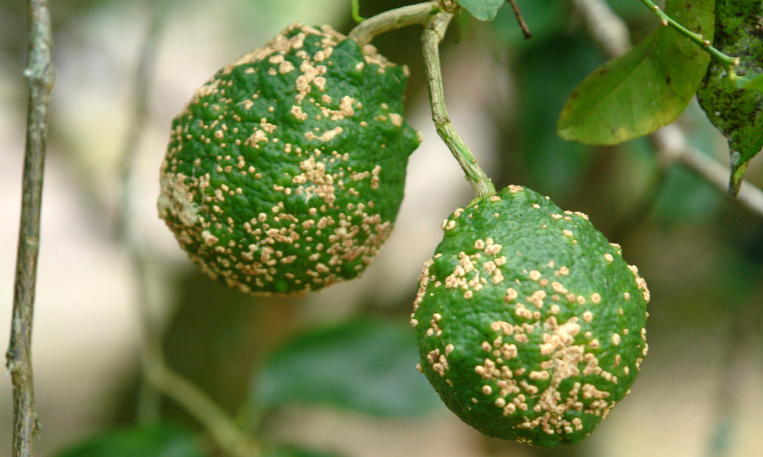
1. Citrus Canker. This bacterial disease produces raised, corky lesions with a yellow halo on leaves, stems, and fruit, eventually weakening the tree’s overall vigor. It spreads rapidly through wind-driven rain and contaminated tools, making sanitation and resistant rootstock critical for prevention, since there’s no cure once a tree is infected.
2. Citrus Greening (Huanglongbing). Considered one of the most devastating citrus diseases worldwide, this bacterial infection is spread by the Asian citrus psyllid and causes yellow, mottled leaves along with small, bitter, misshapen fruit. There is no known cure, and infected trees typically decline over several years, making early detection and psyllid control essential.
3. Melanose. Caused by a fungus that thrives on dead citrus wood, melanose creates small, raised, dark brown spots on leaves and fruit that can give the surface a sandpapery texture. While it rarely kills a tree, it can significantly reduce fruit’s cosmetic appeal, so removing dead wood from the canopy helps limit fungal spore sources.
4. Greasy Spot. This fungal disease produces yellow blotches on the upper leaf surface and a greasy, dark brown appearance underneath, eventually leading to premature leaf drop. Poor air circulation and humid conditions encourage its spread, so proper pruning to open the canopy is an important preventive measure.
5. Citrus Scab. Scab appears as wart-like, raised protrusions on young leaves and fruit, often distorting their shape and reducing marketability. This fungal disease favors wet, humid conditions during new growth flushes, and fungicide applications timed to those flushes can help manage outbreaks.
6. Root Rot (Phytophthora). Caused by a soil-borne fungus-like organism, root rot thrives in poorly draining, overly wet soil and attacks the root system, leading to yellowing leaves, stunted growth, and eventual tree decline. Ensuring proper drainage and avoiding overwatering are the most effective ways to prevent this destructive condition.
7. Foot Rot (Gummosis). A close relative of root rot, foot rot affects the trunk near the soil line, causing bark to crack and ooze a gummy sap while the tissue beneath decays. Keeping mulch and soil away from direct trunk contact helps reduce the moisture buildup that invites this disease.
8. Citrus Tristeza Virus. This virus, transmitted primarily by aphids, can cause stem pitting, stunted growth, and a general decline in tree health, sometimes killing trees outright depending on the strain. Since there’s no treatment once infected, controlling aphid populations and sourcing virus-free nursery stock are the best defenses.
9. Anthracnose. Caused by a fungus that often follows stress or injury, anthracnose leads to dieback of twigs, dark lesions on leaves, and sometimes fruit rot, particularly in humid weather. Pruning out affected material and improving airflow through the canopy can significantly reduce its impact.
10. Sooty Mold. While technically a secondary fungal growth rather than a true pathogen, sooty mold coats leaves and fruit in a black, powdery film that forms on honeydew excreted by pests like aphids or scale insects. Controlling the underlying insect population is the real key to eliminating this unsightly but generally non-lethal condition.
11. Citrus Black Spot. This fungal disease creates dark, freckled lesions on fruit rind that can merge into larger blemished areas, often leading to premature fruit drop. It thrives in warm, wet climates, and consistent fungicide programs combined with good sanitation practices are typically needed for control.
12. Alternaria Brown Spot. Particularly damaging to new growth, this fungal disease causes brown, necrotic lesions surrounded by a yellow halo on young leaves, twigs, and fruit. Susceptible young flushes need protection during wet periods, since severe infections can cause significant defoliation.
13. Citrus Nematodes. These microscopic soil-dwelling worms attack root systems, causing stunted growth, yellowing foliage, and reduced fruit yield over time, often mimicking nutrient deficiency symptoms. Soil testing before planting and maintaining healthy soil biology can help minimize nematode populations.
14. Powdery Mildew. Though less common in humid tropical climates than in drier regions, powdery mildew presents as a white, powdery coating on leaves and young shoots, which can distort growth if left unchecked. Improving air circulation and reducing overhead watering are effective non-chemical controls.
15. Citrus Variegated Chlorosis. Spread by leafhopper insects, this bacterial disease causes interveinal yellowing on leaves, along with smaller, harder fruit, and gradual canopy thinning. Because infected trees can’t be cured, managing the leafhopper vector and removing severely diseased trees are the primary strategies to protect surrounding plantings.
Also Read: How to Grow Key Limes From Seed