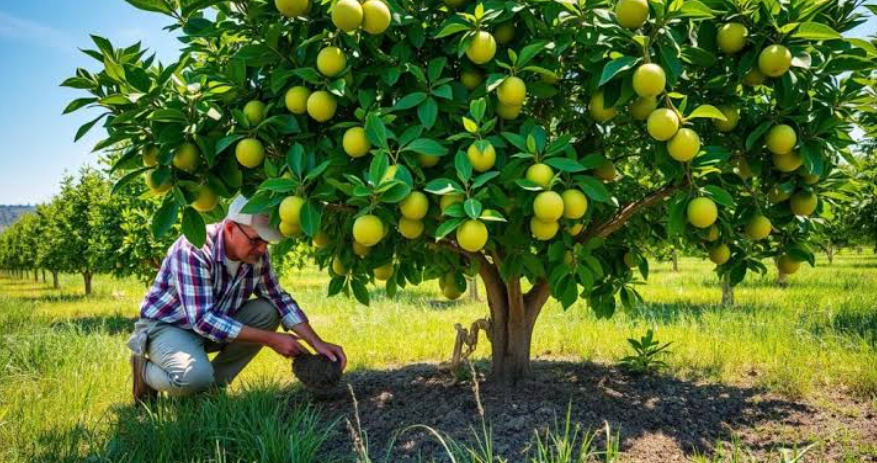
The key lime tree (Citrus aurantiifolia) is a small, thorny citrus variety prized for its intensely aromatic, tangy fruit that’s smaller and more acidic than the common Persian lime. Native to Southeast Asia and later spread through the Caribbean and Florida, it’s the classic ingredient behind key lime pie and countless tropical cuisines. The tree itself rarely grows taller than 6 to 13 feet, making it a manageable choice for home gardeners with the right climate.
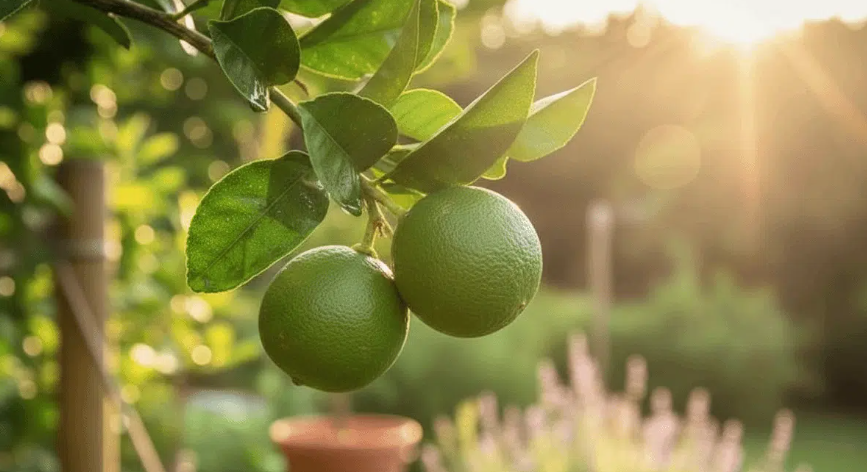
Unlike many citrus trees, the key lime is remarkably prolific, often producing fruit multiple times a year once mature. Its glossy, dark green leaves release a distinct citrus fragrance when crushed, and the tree produces small white flowers with a sweet scent that attract pollinators throughout the growing season. The fruit itself ripens from green to a pale yellow, though many cooks harvest it while still green for the sharpest flavor.
Key lime trees thrive in warm, subtropical to tropical climates and are notably more cold-sensitive than other citrus varieties, struggling in temperatures below 30°F. They demand full sun exposure, at least six to eight hours a day, to develop robust fruit production and healthy foliage. Well-draining, slightly acidic soil is essential, as the roots are prone to rot in waterlogged conditions.
One defining feature of the key lime tree is its dense, thorny branching structure, which can make maintenance a bit more challenging compared to thornless citrus varieties. This natural growth habit tends toward a bushy, somewhat unruly shape if left unmanaged, which is part of why regular care matters so much for this particular tree.
Container growing has become increasingly popular for key lime trees, especially in regions with colder winters, since potted specimens can be moved indoors when temperatures drop. This flexibility has made the tree accessible to gardeners well outside its natural tropical range, provided they’re willing to monitor watering and light needs closely in an indoor setting.
Beyond its culinary value, the key lime tree holds ornamental appeal too, with its evergreen foliage, fragrant blossoms, and colorful fruit offering visual interest across multiple seasons. Whether grown in a backyard grove, a container on a patio, or as part of a mixed citrus planting, it rewards attentive care with a generous, flavorful harvest.
Also Read: How to Grow and Care For a Key Lime Tree
Fertilizing Key Lime Trees
1. Understand the tree’s nutrient demands. Key lime trees are heavy feeders due to their frequent flowering and fruiting cycles, requiring a steady supply of nitrogen, phosphorus, and potassium along with essential micronutrients. Meeting these needs consistently supports both healthy foliage and reliable fruit production throughout the growing season.
2. Choose a citrus-specific fertilizer. Formulas labeled specifically for citrus trees are ideal, as they’re balanced to include the micronutrients, like zinc, manganese, and iron, that key lime trees particularly need. A general-purpose fertilizer can work in a pinch, but it often lacks the micronutrient profile citrus trees depend on.
3. Follow an NPK ratio suited to citrus. A balanced ratio such as 8-8-8 or a nitrogen-forward blend like 6-4-6 is commonly recommended for key lime trees, since nitrogen supports leafy growth while phosphorus and potassium aid root development and fruit quality. Reading the product label carefully ensures you’re applying nutrients in the right proportions for your tree’s stage.
4. Time applications around the growing season. Fertilizing is most effective from early spring through late summer when the tree is actively growing and fruiting. Applications should generally be reduced or paused in fall and winter, since the tree’s growth slows and excess fertilizer can go unused or even cause harm.
5. Feed young trees more frequently. Newly planted or juvenile key lime trees benefit from lighter, more frequent fertilizing, roughly every four to six weeks during the growing season, to support establishment and steady development. As the tree matures, feeding frequency can be reduced while quantities per application increase.
6. Adjust feeding for mature, fruit-bearing trees. Established trees typically do well with fertilizer applied every six to eight weeks during the active season, timed to support the tree through flowering and multiple fruiting cycles. Overfeeding mature trees can push excessive leafy growth at the expense of fruit quality.
7. Watch for nitrogen deficiency signs. Pale or yellowing leaves, especially older foliage, along with slowed growth, often signal insufficient nitrogen. Correcting this with a balanced citrus fertilizer usually resolves the issue within a few weeks of consistent feeding.
8. Recognize micronutrient deficiencies. Yellowing between leaf veins while veins stay green can indicate a lack of iron, zinc, or manganese, conditions especially common in alkaline soils that lock out these nutrients. A citrus-specific micronutrient spray or soil amendment can correct these deficiencies more directly than standard fertilizer alone.
9. Apply fertilizer around the drip line. Rather than piling fertilizer against the trunk, distribute it evenly around the tree’s drip line, where the active feeder roots are concentrated. This placement ensures nutrients reach the roots most capable of absorbing them efficiently.
10. Water thoroughly after fertilizing. Deep watering immediately after application helps dissolve fertilizer granules and carry nutrients down into the root zone, preventing surface buildup that could burn roots. Skipping this step can reduce fertilizer effectiveness and risk root damage.
11. Adjust for container-grown trees. Potted key lime trees often need more frequent, lighter feedings than in-ground trees, since nutrients leach out faster with regular watering in a confined space. A slow-release citrus fertilizer can help maintain more consistent nutrient levels between waterings.
12. Consider organic fertilizing options. Compost, well-rotted manure, or organic citrus blends can supplement or replace synthetic fertilizers, improving soil structure while feeding the tree more gradually. These options are especially useful for gardeners aiming for a more sustainable, slow-release approach to nutrition.
13. Avoid fertilizing stressed or newly transplanted trees. Trees under drought stress, recent transplant shock, or disease pressure should not be fertilized until they’ve stabilized, since fertilizer can worsen stress rather than help recovery. Waiting until the tree shows signs of active new growth is the safer approach.
14. Monitor soil pH regularly. Key lime trees prefer slightly acidic soil, generally in the 6.0 to 7.0 range, and nutrient uptake becomes inefficient outside this window regardless of how much fertilizer is applied. Testing soil periodically and amending as needed ensures fertilizer investments actually translate into plant health.
15. Don’t over-fertilize. Excess fertilizer, particularly nitrogen, can lead to lush foliage at the expense of flowering and fruiting, or even cause fertilizer burn on roots and leaf margins. Following label rates and erring on the side of moderate feeding typically produces better long-term results than aggressive application.
Also Read: Common Key Lime Tree Diseases