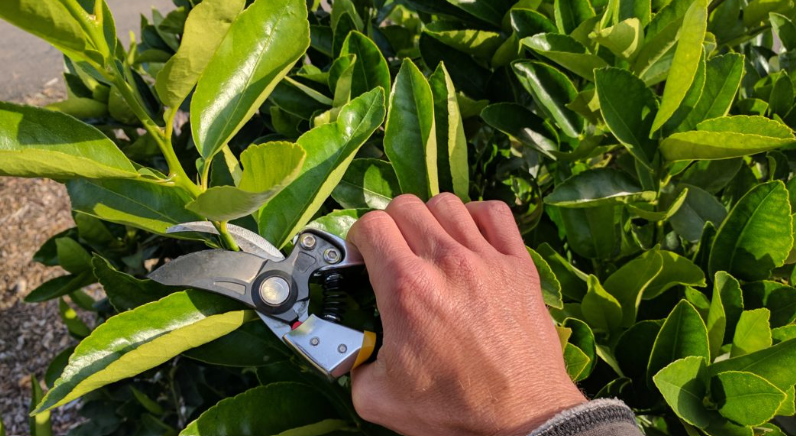
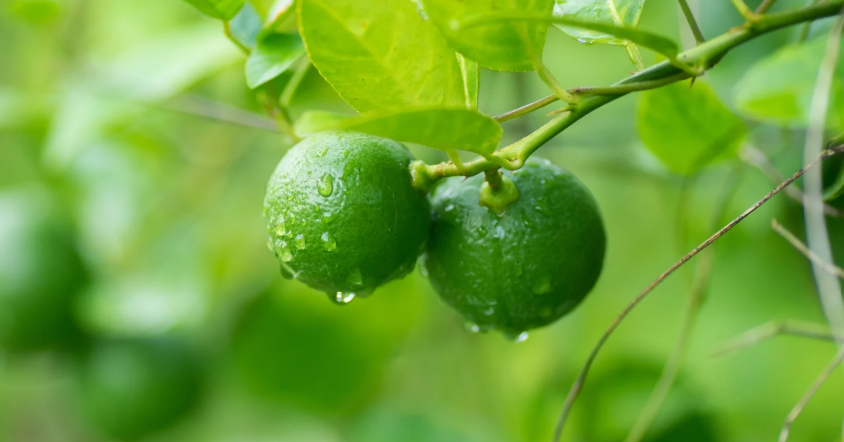
The key lime tree (Citrus aurantiifolia) is a small, thorny citrus variety prized for its intensely aromatic, tangy fruit that’s smaller and more acidic than the common Persian lime. Native to Southeast Asia and later spread through the Caribbean and Florida, it’s the classic ingredient behind key lime pie and countless tropical cuisines. The tree itself rarely grows taller than 6 to 13 feet, making it a manageable choice for home gardeners with the right climate. In this article, you are going to learn the best way of How To Prune a Key Lime Tree.
Unlike many citrus trees, the key lime is remarkably prolific, often producing fruit multiple times a year once mature. Its glossy, dark green leaves release a distinct citrus fragrance when crushed, and the tree produces small white flowers with a sweet scent that attract pollinators throughout the growing season. The fruit itself ripens from green to a pale yellow, though many cooks harvest it while still green for the sharpest flavor.
Key lime trees thrive in warm, subtropical to tropical climates and are notably more cold-sensitive than other citrus varieties, struggling in temperatures below 30°F. They demand full sun exposure, at least six to eight hours a day, to develop robust fruit production and healthy foliage. Well-draining, slightly acidic soil is essential, as the roots are prone to rot in waterlogged conditions.
One defining feature of the key lime tree is its dense, thorny branching structure, which can make maintenance a bit more challenging compared to thornless citrus varieties. This natural growth habit tends toward a bushy, somewhat unruly shape if left unmanaged, which is part of why regular care matters so much for this particular tree.
Container growing has become increasingly popular for key lime trees, especially in regions with colder winters, since potted specimens can be moved indoors when temperatures drop. This flexibility has made the tree accessible to gardeners well outside its natural tropical range, provided they’re willing to monitor watering and light needs closely in an indoor setting.
Beyond its culinary value, the key lime tree holds ornamental appeal too, with its evergreen foliage, fragrant blossoms, and colorful fruit offering visual interest across multiple seasons. Whether grown in a backyard grove, a container on a patio, or as part of a mixed citrus planting, it rewards attentive care with a generous, flavorful harvest.
Also Read: How to Grow a Key Lime Tree From Seed
How to Prune a Key Lime Tree
1. Start with the right timing. Prune your key lime tree in late winter or early spring, just before the new growth season begins. Avoid heavy pruning in fall or during active fruiting, as this can stress the tree and interrupt production.
2. Gather the proper tools. Use sharp, clean bypass pruners for small branches and loppers for thicker growth. Because key lime trees are notably thorny, thick gloves and long sleeves aren’t optional, they’re essential protection against painful scratches.
3. Remove dead, damaged, or diseased wood first. Before shaping anything, scan the canopy for branches that are brittle, discolored, or clearly lifeless. Cutting these out first improves airflow and prevents disease or pests from spreading to healthy tissue.
4. Clear out crossing and rubbing branches. Branches that cross over one another create wounds through friction, which invites infection. Choose the stronger, better-positioned branch to keep and remove the weaker one at its point of origin.
5. Open up the interior canopy. Key lime trees can become dense and shaded inside, which reduces fruit quality and encourages pest habitats. Selectively thin some interior branches so sunlight and air can reach the center of the tree.
6. Manage suckers and water sprouts. Suckers growing from the rootstock below the graft line should be removed immediately, as they drain energy without producing usable fruit. Vertical water sprouts shooting straight up from major limbs should also be trimmed back, since they rarely bear well.
7. Control overall height and shape. If the tree is growing too tall for easy harvesting, cut back the topmost branches to encourage a more rounded, accessible form. Aim to maintain a shape that lets light penetrate evenly rather than a lopsided or top-heavy canopy.
8. Trim low-hanging branches. Branches that droop close to the ground can drag fruit into soil contact, inviting rot and pests. Removing these lower limbs also makes routine maintenance, like weeding or mulching, much easier around the base.
9. Make clean, angled cuts. Always cut just above a bud or branch collar at a slight angle, rather than leaving stubs. Clean cuts heal faster and reduce the risk of disease entering through jagged or torn wood.
10. Follow up with proper care. After pruning, water the tree deeply and consider a light application of balanced citrus fertilizer to support new growth. Keep an eye on the tree over the following weeks, since fresh cuts can sometimes attract pests before they fully heal over.