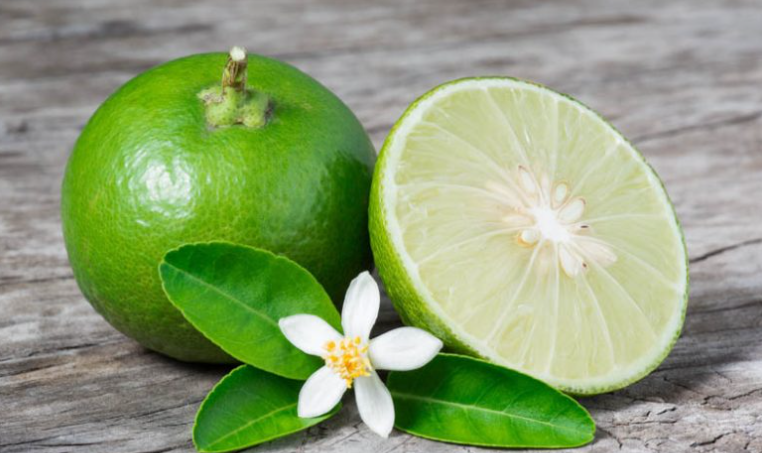
Key limes (Citrus × aurantiifolia) are small, round citrus fruits prized for their intense tart flavor, fragrant aroma, and thin green-to-yellow rind. They are believed to have originated in Southeast Asia before spreading through the Middle East, Europe, and eventually the Americas. Today, they are especially associated with tropical and subtropical regions, where warm temperatures and abundant sunshine allow the trees to thrive. Key limes are best known as the signature ingredient in the famous Key lime pie, but they are also widely used in beverages, marinades, desserts, and savory dishes.
Key lime plants are evergreen citrus trees or large shrubs that typically grow between 6 and 13 feet (2–4 meters) tall, although they can be pruned to remain much smaller. They feature glossy green leaves, fragrant white flowers, and thorny branches that help protect the plant. During the blooming season, the sweet-smelling blossoms attract bees and other pollinators, making the tree both productive and ornamental. Their compact size also makes them suitable for growing in containers.
These citrus plants thrive in full sun and require well-drained, slightly acidic soil to produce healthy foliage and abundant fruit. They are relatively drought-tolerant once established but perform best with consistent watering during dry periods. Because Key lime trees are sensitive to frost, they are commonly grown outdoors in USDA Hardiness Zones 9–11 or kept in containers that can be moved indoors during cold weather in cooler climates.
Key lime trees are valued not only for their fruit but also for their attractive appearance. Their dense green canopy, fragrant flowers, and colorful fruit make them popular additions to home gardens, patios, and edible landscapes. Gardeners appreciate that container-grown plants can be maintained as decorative patio trees while still producing a generous harvest of fresh limes.
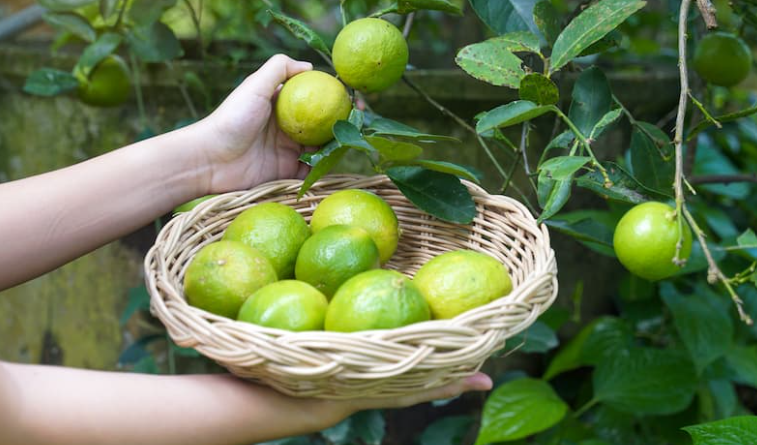
The fruits are typically harvested while still green, although they turn yellow when fully ripe. Compared to the larger Persian lime, Key limes are smaller, contain more seeds, and have a thinner rind with a stronger, more aromatic flavor. Their juice is highly acidic and intensely fragrant, making it a favorite ingredient in baking, cocktails, seafood dishes, salad dressings, and tropical cuisine.
With proper care, a healthy Key lime plant can remain productive for many years, often producing multiple crops annually in warm climates. Regular pruning, balanced citrus fertilizer, pest monitoring, and adequate sunlight help ensure vigorous growth and reliable fruit production.
Also Read: How to Grow and Care For a Key Lime Tree
How to Grow Key Limes From Seed
1. Select Fresh, Healthy Seeds
Start by choosing seeds from a fully ripe, healthy Key lime. Fresh seeds have the highest chance of germinating, so it’s best to plant them immediately after removing them from the fruit. Avoid using shriveled or damaged seeds, as they are less likely to produce vigorous seedlings.
2. Clean the Seeds Thoroughly
After removing the seeds, rinse them under cool water to remove any remaining fruit pulp. Leftover pulp can encourage mold growth and attract pests. Pat the seeds dry with a paper towel, but do not allow them to dry out completely before planting.
3. Prepare a Suitable Potting Mix
Use a light, well-draining potting mix designed for citrus plants or create your own by combining potting soil, perlite, and coarse sand. Good drainage is essential because Key lime seedlings are susceptible to root rot in waterlogged soil.
4. Plant the Seeds at the Right Depth
Plant each seed about ¼ to ½ inch (6–12 mm) deep in small pots or seed trays. Cover the seeds lightly with soil and gently press the surface to ensure good contact between the seed and the growing medium.
5. Water the Soil Evenly
After planting, water the soil thoroughly until excess water drains from the bottom of the container. Keep the soil consistently moist during germination, but avoid making it soggy, as excessive moisture can cause the seeds to rot.
6. Keep the Seeds Warm
Key lime seeds germinate best in warm conditions, ideally between 75°F and 85°F (24–29°C). Place the pots in a warm location or use a seedling heat mat if indoor temperatures are too cool. Consistent warmth speeds up germination and promotes healthy growth.
7. Provide Bright Light
Place the containers in a bright location where they receive indirect sunlight while germinating. Once the seedlings emerge, gradually expose them to direct sunlight. Mature Key lime plants require at least six to eight hours of sunlight each day for healthy development.
8. Maintain Humidity During Germination
Covering the pots with a clear plastic dome or plastic wrap helps retain moisture and create a humid environment that encourages germination. Check regularly to ensure condensation does not become excessive, and remove the cover once seedlings emerge.
9. Be Patient While Waiting for Sprouts
Germination usually occurs within two to six weeks, although some seeds may take longer. Continue providing warmth, moisture, and adequate light throughout this period. Avoid disturbing the pots unnecessarily while the seeds are sprouting.
10. Thin or Transplant the Seedlings
If multiple seedlings emerge in one pot, carefully separate them once they develop several true leaves. Transplant each seedling into its own container to give the roots enough room to grow and prevent competition for nutrients.
11. Begin Fertilizing Young Plants
Once the seedlings are well established, feed them with a balanced citrus fertilizer or a slow-release fertilizer formulated for citrus trees. Applying nutrients every few weeks during the growing season encourages strong roots, healthy foliage, and vigorous growth.
12. Repot as the Tree Grows
As the seedling becomes larger, move it into progressively bigger containers. Repotting prevents the roots from becoming crowded and provides fresh growing medium with additional nutrients. Choose containers with drainage holes to avoid standing water.
13. Protect from Cold Weather
Key lime plants are highly sensitive to frost and freezing temperatures. If you live in a cool climate, grow the plant in a container so it can be moved indoors before temperatures fall below 40°F (4°C). Indoors, place it near a sunny window.
14. Prune to Encourage Healthy Growth
Light pruning helps shape the young tree and removes weak, damaged, or crossing branches. Pruning also improves air circulation within the canopy, reducing the risk of fungal diseases and encouraging a stronger plant structure.
15. Monitor for Pests and Diseases
Inspect your Key lime plant regularly for common citrus pests such as aphids, spider mites, whiteflies, and scale insects. Early detection allows problems to be managed with insecticidal soap, neem oil, or by simply washing pests off with water before they become severe.
16. Wait Patiently for Fruit Production
Growing Key limes from seed requires patience, as the trees typically take five to ten years, and sometimes longer, before producing fruit. Seed-grown plants may also vary slightly from the parent tree. However, with proper care and favorable growing conditions, they can eventually become attractive, productive citrus trees that provide fragrant flowers and flavorful fruit for many years.
Also Read: Best Time to Pick Limes