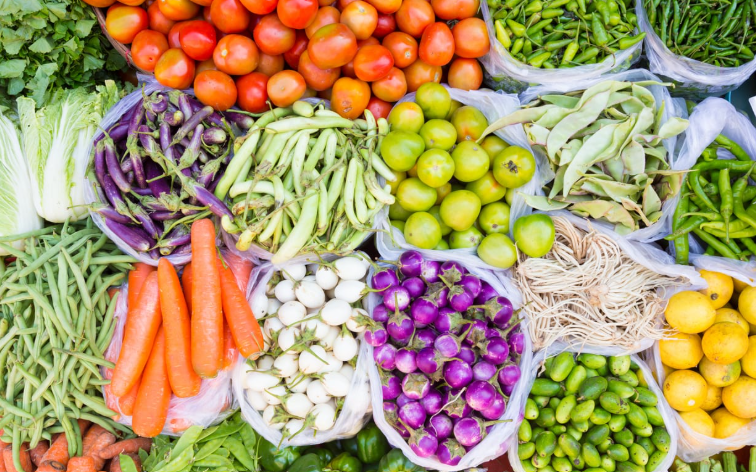
Exotic vegetables are unique edible plants that originate from regions outside the areas where they are commonly consumed. They include unusual roots, tubers, leafy greens, gourds, shoots, pods, and flowering vegetables that are prized for their distinctive flavors, textures, colors, and nutritional value. Many exotic vegetables have been cultivated for centuries in Asia, Africa, South America, and the Pacific Islands, where they play an important role in traditional cuisines. As global food culture continues to expand, these vegetables are becoming increasingly popular in supermarkets, farmers’ markets, and home gardens around the world.
Most exotic vegetables thrive in tropical or subtropical climates, although some are well adapted to temperate regions and high-altitude environments. They grow in diverse habitats ranging from rainforests and wetlands to mountains and arid landscapes. Many species are remarkably resilient, tolerating heat, humidity, drought, or poor soils better than conventional vegetables. Their adaptability has made them valuable food crops in regions facing changing climate conditions and increasing demand for sustainable agriculture.
Exotic vegetables are highly nutritious and often contain impressive amounts of dietary fiber, vitamins, minerals, and beneficial plant compounds. Many are rich in vitamins A, C, E, and K, while others provide potassium, calcium, magnesium, folate, and antioxidants that support overall health. Several species have also been used in traditional medicine for generations due to their anti-inflammatory, antimicrobial, or digestive properties. Including a variety of exotic vegetables in the diet can increase nutritional diversity while introducing exciting new flavors and textures.
Today, exotic vegetables are widely appreciated by chefs, gardeners, and food enthusiasts seeking fresh culinary experiences. They are used in soups, curries, stir-fries, salads, stews, roasted dishes, pickles, and even desserts. Some are enjoyed for their tender leaves, others for their edible roots, flowers, fruits, or shoots. Whether grown in backyard gardens or imported from distant countries, exotic vegetables showcase the extraordinary diversity of edible plants found across the globe.
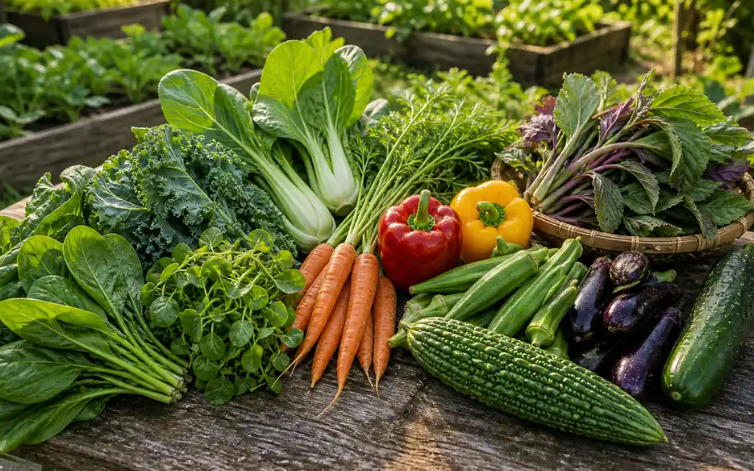
Exotic Vegetables
1. Romanesco Broccoli
Romanesco broccoli (Brassica oleracea var. botrytis) is one of the world’s most visually striking vegetables, famous for its naturally occurring spiral patterns that follow the Fibonacci sequence. Native to Italy, it combines characteristics of broccoli and cauliflower with bright lime-green florets arranged in perfect geometric spirals. Romanesco has a mild, slightly nutty flavor and a firmer texture than cauliflower. It can be roasted, steamed, grilled, or eaten raw in salads. Rich in vitamin C, vitamin K, fiber, folate, and antioxidants, Romanesco is both highly nutritious and attractive on the dinner table.
2. Oca
Oca (Oxalis tuberosa) is a colorful tuber native to the Andes of Peru and Bolivia, where it has been cultivated for thousands of years. The knobby tubers come in shades of yellow, red, orange, pink, and purple. Their flavor ranges from tangy and lemony when fresh to pleasantly sweet after exposure to sunlight. Oca is commonly boiled, roasted, fried, or added to soups and stews. It is an excellent source of vitamin C, carbohydrates, potassium, and dietary fiber, making it an important staple crop in the Andean highlands.
3. Yacon
Yacon (Smallanthus sonchifolius) is another Andean root vegetable prized for its crisp, juicy tubers that resemble oversized sweet potatoes. Unlike most root crops, yacon has a refreshing sweetness similar to apples or pears because it contains fructooligosaccharides rather than starch. It is often eaten raw, juiced, or added to salads, although it can also be cooked. Yacon is valued for its prebiotic fiber, potassium, and antioxidants, making it increasingly popular among health-conscious consumers.
4. Celeriac
Celeriac (Apium graveolens var. rapaceum), also known as celery root, is cultivated primarily for its large, knobby underground stem rather than its leaves. Native to the Mediterranean region, it has a mild celery flavor with nutty undertones. Celeriac is commonly mashed, roasted, pureed, or incorporated into soups and gratins. Despite its rough appearance, the creamy white flesh is rich in vitamin K, phosphorus, potassium, vitamin C, and dietary fiber.
5. Kohlrabi
Kohlrabi (Brassica oleracea Gongylodes Group) is an unusual member of the cabbage family that develops a swollen, bulb-like stem above ground. Native to Europe, it has crisp white flesh with a flavor combining broccoli stems, cabbage, and mild radish. Both the bulb and leafy tops are edible. Kohlrabi is enjoyed raw in salads and slaws or cooked by roasting, steaming, or stir-frying. It provides vitamin C, potassium, fiber, and several beneficial antioxidants.
6. Chayote
Chayote (Sechium edule) is a pear-shaped vegetable native to Central America. Its pale green skin surrounds crisp white flesh with a mild flavor similar to cucumber and zucchini. Nearly every part of the plant—including the fruit, shoots, leaves, roots, and seeds—is edible. Chayote is commonly used in soups, stir-fries, curries, salads, and casseroles. It is low in calories while supplying vitamin C, folate, potassium, and dietary fiber.
7. Taro
Taro (Colocasia esculenta) is one of the world’s oldest cultivated root vegetables and has long been an important staple throughout Asia, Africa, and the Pacific Islands. Its starchy corm develops a creamy texture after cooking and has a mildly nutty flavor. Taro is used in curries, soups, chips, desserts, and beverages, including the popular purple taro bubble tea. It provides complex carbohydrates, potassium, manganese, vitamin E, and fiber. Because raw taro contains calcium oxalate crystals, it must always be thoroughly cooked before consumption.
8. Lotus Root
Lotus root is the edible underground stem of the sacred lotus (Nelumbo nucifera). Widely cultivated throughout Asia, it is easily recognized by its attractive pattern of air holes when sliced. Lotus root has a crunchy texture and mildly sweet flavor that remains pleasantly crisp after cooking. It is commonly stir-fried, braised, pickled, deep-fried, or added to soups. The vegetable is rich in vitamin C, potassium, copper, manganese, and dietary fiber.
9. Bitter Melon
Bitter melon (Momordica charantia) is a tropical vine vegetable known for its distinctive warty green fruits and intensely bitter taste. Native to Asia, it is widely used in Chinese, Indian, Southeast Asian, and Caribbean cuisines. Although its bitterness may require an acquired taste, it is highly valued for stir-fries, curries, stuffed dishes, and herbal teas. Bitter melon contains vitamins A and C, folate, potassium, and numerous bioactive compounds that have been studied for their potential health benefits.
10. Malabar Spinach
Malabar spinach (Basella alba) is a climbing leafy vegetable native to tropical Asia. Unlike true spinach, it thrives in hot, humid weather when ordinary spinach struggles. Its thick, glossy leaves have a mild flavor and become slightly mucilaginous when cooked, making them ideal for soups and stews. Malabar spinach is also enjoyed raw in salads. It supplies vitamins A and C, calcium, iron, magnesium, and dietary fiber.
11. Winged Bean
Winged bean (Psophocarpus tetragonolobus) is sometimes called the “one-species supermarket” because nearly every part of the plant is edible. The pods, leaves, flowers, shoots, seeds, and tubers can all be consumed. Native to Southeast Asia, the pods have four distinctive frilly wings running along their length. They are commonly stir-fried, steamed, or eaten raw. Winged beans are exceptionally rich in protein, vitamins A and C, calcium, and iron.
12. Chinese Artichoke
Chinese artichoke (Stachys affinis), also known as crosne, produces small white tubers with a segmented appearance resembling tiny seashells. Native to China and Japan, the crisp tubers have a mild flavor similar to artichokes, water chestnuts, and Jerusalem artichokes. They are often pickled, sautéed, steamed, or added to salads. Chinese artichokes provide fiber, potassium, and several essential minerals while adding an interesting texture to dishes.
13. Celtuce
Celtuce (Lactuca sativa var. angustana), also called stem lettuce or asparagus lettuce, is cultivated mainly in China for its thick edible stem. The stem has a crisp texture and a mild nutty flavor with subtle celery notes, while the leaves can also be eaten. Celtuce is commonly sliced into stir-fries, soups, salads, or lightly steamed. It supplies vitamin C, potassium, folate, and dietary fiber.
14. Water Spinach
Water spinach (Ipomoea aquatica), also known as kangkong or morning glory, is a fast-growing aquatic vegetable popular throughout Southeast Asia. The tender hollow stems and narrow leaves have a mild spinach-like flavor and cook quickly. Water spinach is most often stir-fried with garlic, chili, or fermented sauces but is also added to soups and curries. It is rich in vitamins A and C, iron, calcium, and antioxidants.
15. Bamboo Shoots
Bamboo shoots are the young edible sprouts of various bamboo species harvested before they become woody. They have been enjoyed across Asia for centuries and possess a crisp texture with a mild, earthy flavor. Fresh shoots require proper preparation to remove naturally occurring compounds before cooking. Once prepared, they are widely used in stir-fries, curries, soups, spring rolls, and noodle dishes. Bamboo shoots provide dietary fiber, potassium, vitamin B6, and several beneficial plant compounds.
16. Fiddlehead Fern
Fiddlehead ferns are the tightly coiled young fronds of several fern species, most commonly the ostrich fern (Matteuccia struthiopteris). Native to North America, Europe, and Asia, they are harvested in early spring before the fronds unfurl. Their flavor is often described as a blend of asparagus, spinach, and green beans with a slightly nutty undertone. Fiddleheads are typically boiled or steamed before being sautéed, added to soups, or incorporated into pasta dishes. They are rich in vitamins A and C, potassium, iron, and antioxidants.
17. Salsify
Salsify (Tragopogon porrifolius), often called the “oyster plant,” is a root vegetable native to southern Europe. Its long, cream-colored roots develop a delicate flavor resembling oysters, artichokes, and parsnips when cooked. Salsify can be boiled, roasted, mashed, or added to soups and stews. The roots are an excellent source of dietary fiber, potassium, vitamin C, and inulin, a beneficial prebiotic carbohydrate.
18. Scorzonera
Scorzonera (Scorzonera hispanica), also known as black salsify, produces long black roots with creamy white flesh. Native to southern Europe, it has a mildly sweet flavor often compared to asparagus, artichokes, and parsnips. It is commonly peeled and roasted, steamed, mashed, or added to casseroles and soups. Scorzonera provides dietary fiber, iron, calcium, and potassium.
19. Mashua
Mashua (Tropaeolum tuberosum) is an ancient Andean tuber cultivated alongside potatoes and oca for thousands of years. The colorful tubers range from yellow and orange to deep purple. When cooked, mashua develops a pleasant sweetness with peppery undertones. It is roasted, boiled, baked, or added to stews throughout the Andes. Mashua supplies vitamin C, carbohydrates, potassium, and antioxidant pigments.
20. Ulluco
Ulluco (Ullucus tuberosus) is another traditional Andean root crop valued for its waxy, brightly colored tubers. They may be yellow, pink, orange, red, or purple with attractive speckles. Ulluco remains pleasantly firm after cooking, making it ideal for soups, stir-fries, and roasted vegetable dishes. It is rich in vitamin C, complex carbohydrates, and dietary fiber.
21. Crosnes
Crosnes are the edible tubers of Stachys affinis, often marketed separately from their common name, Chinese artichoke. The small white tubers have a crunchy texture and a mild nutty flavor that resembles water chestnuts and Jerusalem artichokes. Crosnes are frequently served in gourmet cuisine, pickled, sautéed in butter, or eaten raw in salads. They are a good source of potassium and dietary fiber.
22. Elephant Foot Yam
Elephant foot yam (Amorphophallus paeoniifolius) is widely cultivated throughout India and Southeast Asia. The enormous underground corm has dense, starchy flesh that becomes creamy after cooking. It is commonly prepared in curries, fries, soups, and traditional vegetable dishes. Elephant foot yam provides carbohydrates, potassium, vitamin B6, fiber, and several essential minerals.
23. Jicama
Jicama (Pachyrhizus erosus), also called the Mexican turnip, is native to Central America. Its brown skin hides crisp white flesh that is exceptionally juicy and mildly sweet, often compared to apples, pears, and water chestnuts. Jicama is usually eaten raw with lime juice and chili powder or sliced into salads, slaws, and stir-fries. It is rich in vitamin C, fiber, and prebiotic inulin.
24. Cassava
Cassava (Manihot esculenta), also known as yuca or manioc, is a staple root crop throughout tropical regions. The large tubers contain abundant starch and are used to produce tapioca. Cassava must be properly processed or cooked before consumption because raw roots contain naturally occurring cyanogenic compounds. Cooked cassava is used in fries, mashed dishes, soups, breads, and flour. It supplies carbohydrates, vitamin C, potassium, and dietary fiber.
25. Chinese Yam
Chinese yam (Dioscorea polystachya) is a climbing vine that produces long cylindrical tubers. Native to East Asia, the flesh has a mild, slightly sweet flavor and becomes creamy when cooked. Unlike many yams, it can also be grated raw into traditional Japanese and Chinese dishes. Chinese yam is rich in vitamin C, potassium, manganese, and dietary fiber.
26. Tinda
Tinda (Praecitrullus fistulosus), often called Indian round gourd or apple gourd, is widely cultivated throughout South Asia. The small round green fruits have tender white flesh with a mild flavor similar to zucchini. Tinda is commonly stuffed, curried, sautéed, or added to lentil dishes. It provides vitamin C, potassium, and dietary fiber while remaining low in calories.
27. Ivy Gourd
Ivy gourd (Coccinia grandis), also known as tindora, is a tropical climbing vine native to Asia and Africa. The small green fruits resemble miniature cucumbers and develop bright red interiors when fully ripe. Young fruits are harvested and cooked in stir-fries, curries, and pickles. Ivy gourd is rich in vitamin C, beta-carotene, calcium, and antioxidants.
28. Ash Gourd
Ash gourd (Benincasa hispida), also called winter melon or wax gourd, produces very large fruits coated with a natural waxy bloom. Despite its name, it thrives in warm climates and is widely used throughout Asia. The crisp white flesh absorbs surrounding flavors, making it ideal for soups, curries, stir-fries, and desserts. Ash gourd provides vitamin C, potassium, and high water content.
29. Snake Gourd
Snake gourd (Trichosanthes cucumerina) is named for its remarkably long, slender fruits that often twist into snake-like shapes. Native to South Asia, it has tender white flesh with a mild flavor similar to squash and cucumber. Snake gourd is commonly sliced into curries, soups, stir-fries, and stuffed vegetable dishes. It is low in calories while supplying vitamin A, vitamin C, calcium, and fiber.
30. Pointed Gourd
Pointed gourd (Trichosanthes dioica), known as parwal or potol, is one of the most popular vegetables in India and Bangladesh. The small green fruits have soft edible skin and a delicate flavor resembling zucchini and cucumber. Pointed gourd is commonly stuffed, fried, curried, or cooked with spices and lentils. It provides vitamin C, magnesium, potassium, dietary fiber, and antioxidants.
31. Tannia
Tannia (Xanthosoma sagittifolium), also known as malanga or yautía, is a tropical root vegetable widely cultivated in the Caribbean, Central America, South America, and parts of Africa. It produces large starchy corms with a flavor similar to taro but slightly nuttier. Tannia is commonly boiled, mashed, roasted, fried, or added to soups and stews. Both the corms and young leaves are edible when properly cooked. Rich in complex carbohydrates, potassium, vitamin C, and dietary fiber, tannia is an important staple food in many tropical regions.
32. Jerusalem Artichoke
Jerusalem artichoke (Helianthus tuberosus), also called sunchoke, is a sunflower relative native to North America. Its knobby underground tubers have a crisp texture when raw and become creamy after cooking. The flavor is often described as a blend of artichoke, potato, and chestnut with a subtle sweetness. Jerusalem artichokes are roasted, mashed, sautéed, pickled, or enjoyed raw in salads. They are especially rich in inulin, a prebiotic fiber that supports beneficial gut bacteria.
33. Okinawan Sweet Potato
Okinawan sweet potato (Ipomoea batatas) is famous for its striking deep purple flesh and pale beige skin. Originally cultivated in Central America, it became an important crop in Okinawa, Japan. The tubers have a naturally sweet flavor with hints of chestnut and vanilla. They are commonly baked, steamed, roasted, or incorporated into desserts and pastries. Okinawan sweet potatoes are exceptionally rich in anthocyanins, vitamin A, vitamin C, manganese, and dietary fiber.
34. Moringa Pods
Moringa pods come from the fast-growing moringa tree (Moringa oleifera), often called the drumstick tree. Native to the Indian subcontinent, the long green seed pods are harvested while still tender and cooked in curries, soups, and stews. Their flavor resembles green beans with subtle asparagus notes. Moringa pods, along with the leaves, are highly nutritious, supplying vitamin C, calcium, potassium, protein, and numerous antioxidants.
35. Banana Blossom
Banana blossom, also known as banana flower, is the large purple flower bud that develops at the end of a banana cluster. Widely consumed throughout Southeast Asia, India, and the Pacific Islands, the tender inner layers have a mild flavor similar to artichokes. Banana blossom is commonly sliced into salads, curries, stir-fries, soups, and vegetarian dishes. It is rich in dietary fiber, vitamin C, potassium, magnesium, and beneficial plant compounds.
36. Green Papaya
Green papaya is the immature fruit of the papaya tree (Carica papaya) harvested before ripening. Unlike ripe papaya, its firm flesh has very little sweetness and is treated as a vegetable in many tropical cuisines. It is best known for its use in Thai green papaya salad but is also cooked in curries, soups, and stir-fries. Green papaya contains vitamin C, folate, potassium, fiber, and papain, a natural enzyme that helps tenderize meat and supports digestion.
37. Turmeric Rhizome
Turmeric (Curcuma longa) is a tropical rhizome native to South Asia and belongs to the ginger family. Its bright orange flesh is prized for its earthy, slightly peppery flavor and brilliant color. Fresh turmeric is grated or sliced into curries, soups, teas, rice dishes, smoothies, and pickles. It contains curcumin, a powerful antioxidant and anti-inflammatory compound, along with manganese, iron, potassium, and vitamin C.
38. Galangal
Galangal (Alpinia galanga) is another member of the ginger family widely used in Southeast Asian cuisine. The aromatic rhizome resembles ginger but has a firmer texture and a distinctive citrusy, peppery flavor with hints of pine. Galangal is an essential ingredient in Thai, Indonesian, and Malaysian soups, curries, and spice pastes. It provides antioxidants, potassium, iron, and various bioactive compounds traditionally valued in herbal medicine.
39. Wasabi Root
Wasabi (Eutrema japonicum) is native to the cool mountain streams of Japan and is one of the most challenging vegetables to cultivate commercially. The green rhizome is finely grated to produce the famous spicy condiment served with sushi and sashimi. Unlike chili peppers, wasabi’s pungency is released through aromatic compounds that quickly fade after grating. Fresh wasabi also flavors noodles, sauces, dressings, and marinades. It contains vitamin C, potassium, calcium, and naturally occurring antimicrobial compounds.
40. Sea Beans
Sea beans (Salicornia species), also known as samphire, glasswort, or pickleweed, are succulent coastal plants that thrive in salty marshes around the world. Their crisp green stems have a naturally salty, slightly grassy flavor, making them an excellent addition to seafood dishes, salads, stir-fries, and pickles. Sea beans require very little seasoning because of their natural salt content. They provide vitamin A, vitamin C, calcium, magnesium, iodine, and other trace minerals absorbed from their coastal habitats.